Spider activities are a fun way to explore science, nature, and art, especially during the fall and Halloween season. I’ve gathered 17 spider activities for kids, including worksheets, life cycle activities, crafts, sensory play, and book-inspired projects.
There are ideas for different ages, from simple preschool spider crafts and fine motor games to anatomy and life cycle worksheets for elementary students. Several of the printables are ones I’ve created and used myself, alongside some of my favorite spider ideas from other educators.
Spider Science Activities and Worksheets
Spiders are fascinating to study because there’s much more to them than eight legs and a web. These activities introduce spider species, anatomy, and life cycles, with printable options that work particularly well for elementary science and nature study.
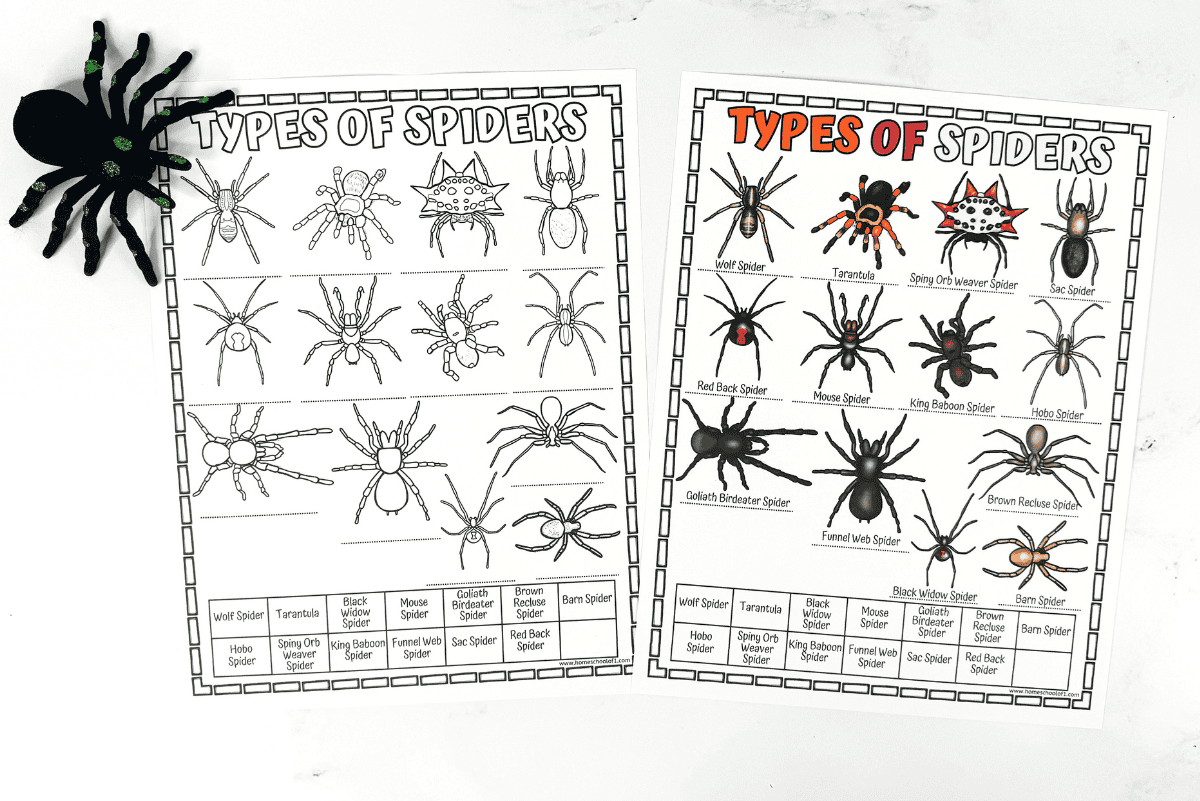
Types of Spiders Identification Worksheet
Learn to recognize seven different types of spiders with this printable identification activity. Kids use the reference sheet to compare species including the black widow, tarantula, wolf spider, and funnel-web spider before identifying each one for themselves.
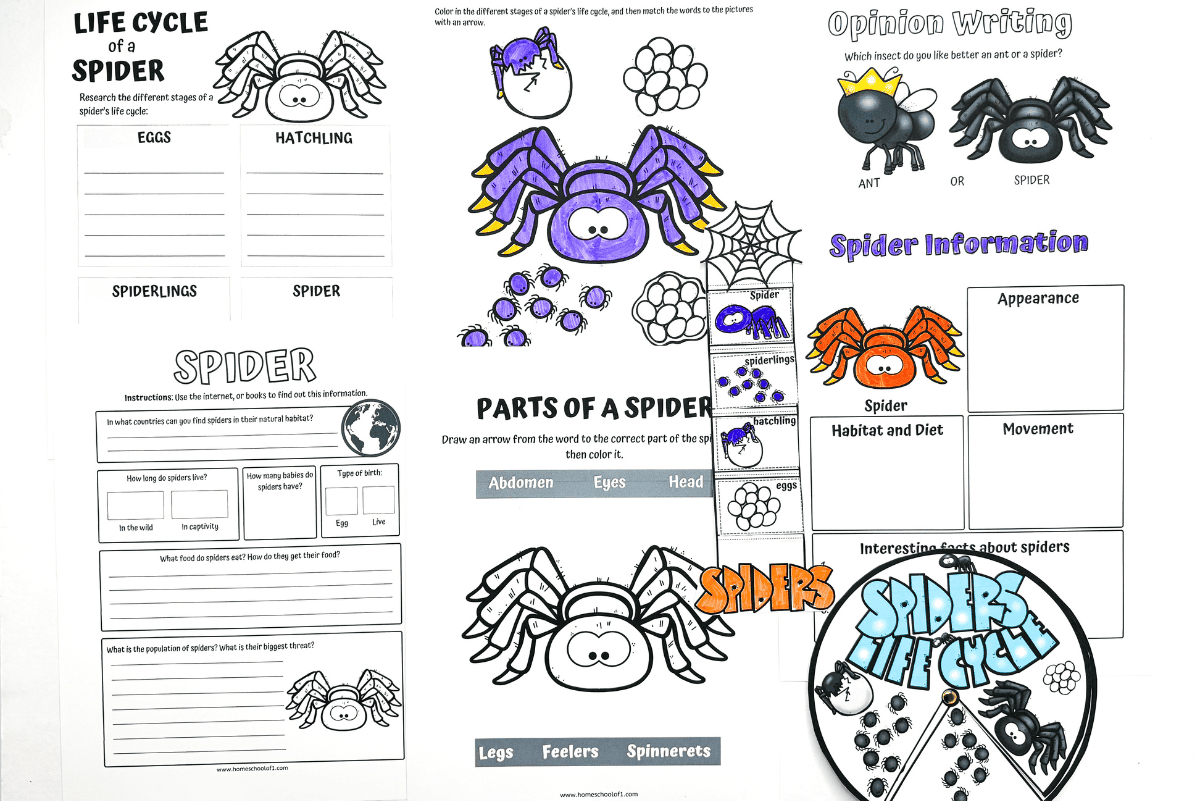
Explore how a spider develops from an egg to a spiderling and finally an adult. This printable set goes beyond simply ordering the stages, with activities for labeling, writing, research, and comparing the spider life cycle with other animals.
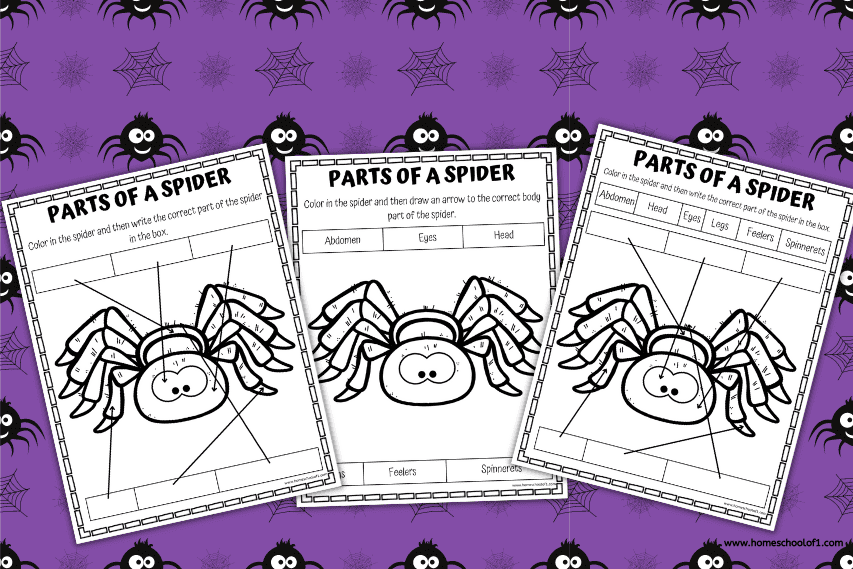
Take a closer look at spider anatomy by identifying the main parts of a spider, including the cephalothorax, abdomen, spinnerets, eyes, and legs. The labeled diagram and accompanying activities are an easy way to show kids why spiders are arachnids rather than insects.
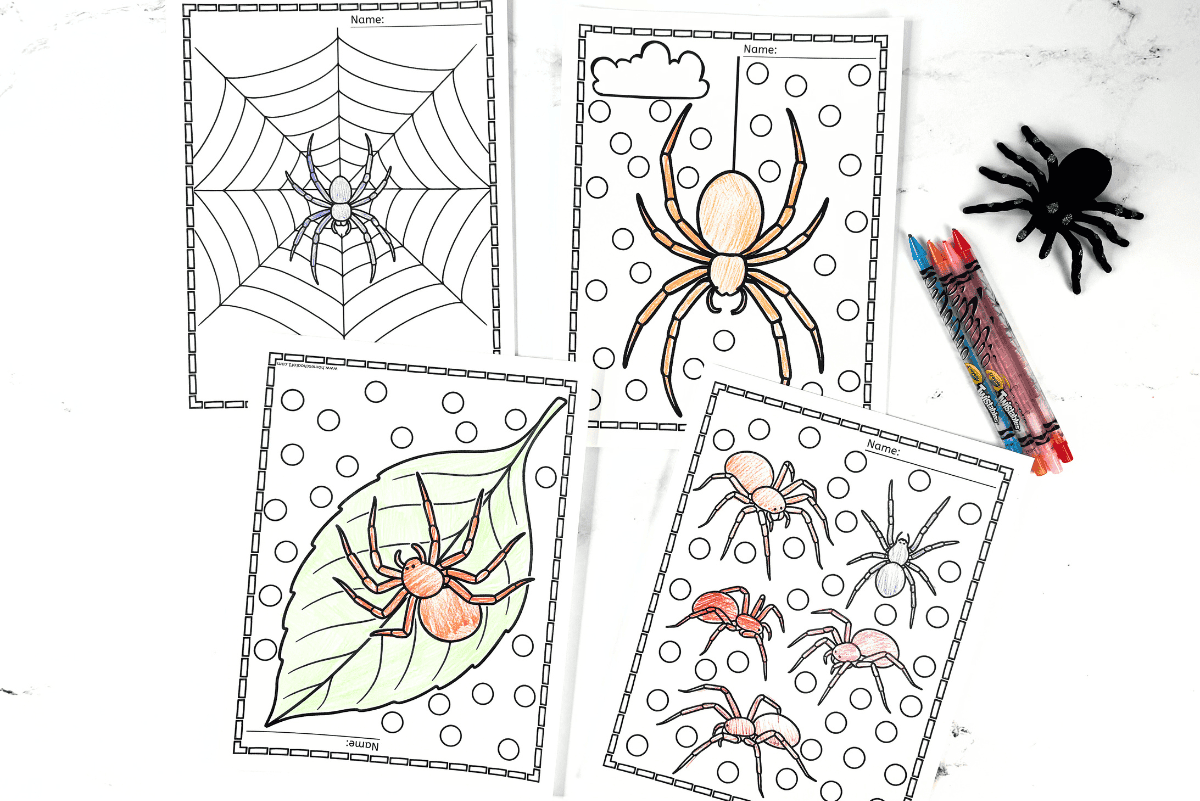
These spider coloring pages are a simple option for younger kids, with regular coloring sheets and dot marker pages to choose from. They’re especially useful for practicing fine motor skills while introducing features such as eight legs, spider webs, and different body shapes.
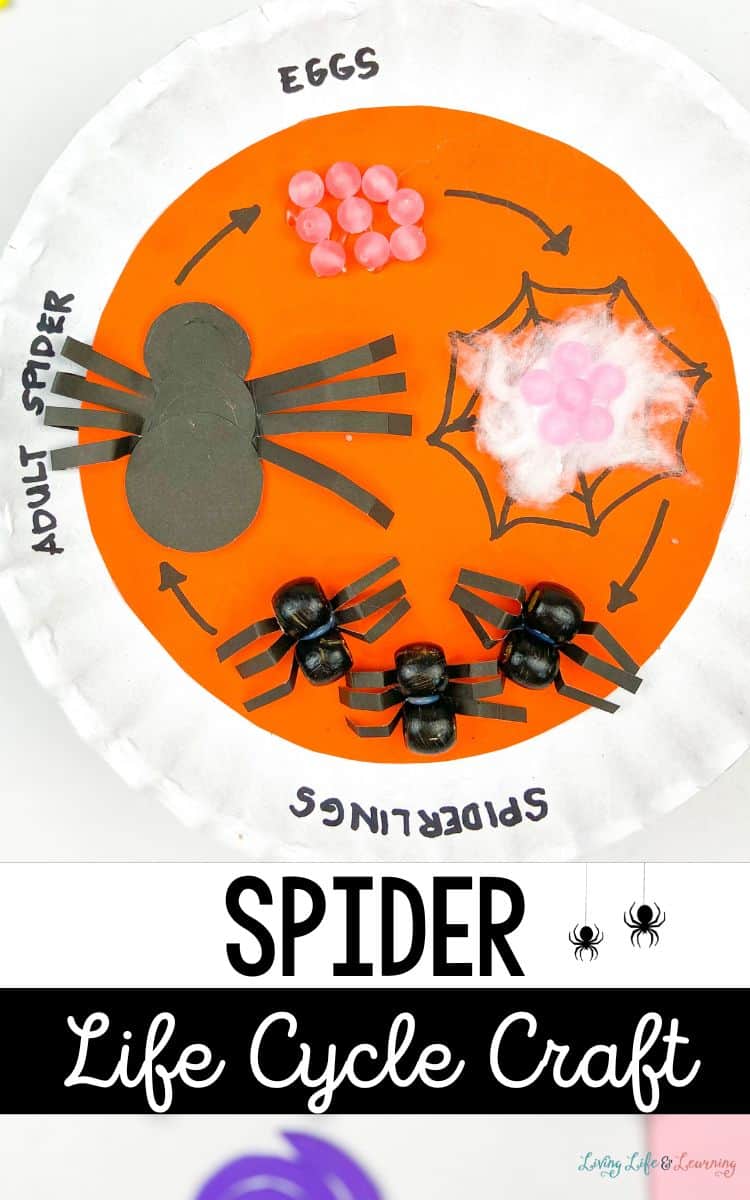
Build the stages of a spider’s life cycle using simple craft materials rather than only looking at them on a worksheet. Kids create the egg, spiderling, and adult stages, making this a useful hands-on follow-up to a spider science lesson.
Spider crafts are an easy way to turn what kids have learned into something hands-on. These projects use everything from paper plates and recycled cardboard to yarn and pom poms, with plenty of cutting, threading, gluing, and fine motor practice along the way.
https://homeschoolpreschool.net/
Pom Pom and Popsicle Stick Spider Craft
Pom poms, craft sticks, googly eyes, and paint are used to make these colorful spiders. It’s a manageable spider craft for preschoolers, with plenty of opportunities for painting and gluing while practicing fine motor control.
Turn two painted handprints into a spider, complete with eight fingerprint legs. This is a quick project for younger kids and makes a fun keepsake to add to a fall or Halloween display.
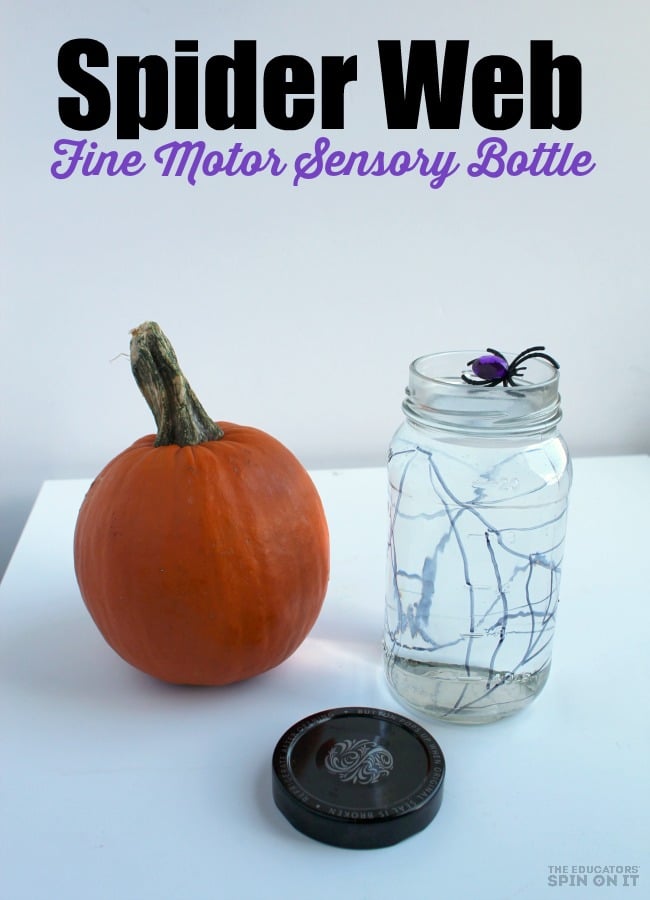
Instead of making a traditional spider craft, kids create a web inside a container using rubber bands and then try to rescue small spiders trapped inside. Reaching between the strands adds a fine motor challenge and makes this particularly good for preschool sensory play.
Make a simple spider from an empty container and challenge kids to feed it small objects. Picking up and placing each piece through the spider’s mouth works on grasping, hand-eye coordination, and controlled hand movements while they play.
Pair the familiar Itsy Bitsy Spider nursery rhyme with a handprint spider kids can make themselves. It’s an easy way to extend the rhyme into an art activity while encouraging younger children to talk about and retell what happens in the song.
Kids weave yarn across a paper plate to create their own spider web, working on coordination and patience as they thread. It also opens up an easy science conversation about how and why real spiders make webs.
Recycle an empty toilet paper roll into a spider using paint, pipe cleaners, and googly eyes. Kids can bend and position all eight legs before adding their own faces, making every finished spider slightly different.
A paper plate becomes the body of a spider in this simple Halloween craft. Painting, cutting, and assembling the pieces gives younger kids plenty of fine motor practice, while the finished spiders work well for a classroom or fall display.
Make a fluffy spider by wrapping and trimming yarn to create a pom pom before adding legs and eyes. This one requires a little more patience than some of the simpler crafts, making it a good choice for kids ready for a slightly more involved project.
A spider theme can carry over into language arts too, particularly with younger learners. These activities use a familiar picture book, spelling words, and tactile exploration to work on sequencing, comprehension, vocabulary, and early literacy skills.
https://homeschoolpreschool.net/
The Very Busy Spider Sequencing Activity
Pair The Very Busy Spider by Eric Carle with a sequencing activity that asks kids to put events from the story in the correct order. It’s a hands-on way to check comprehension and encourage children to retell the story after reading.
Created for children with visual impairments, this accessible activity combines spider webs with tactile exploration and literacy. Kids can explore different textures and concepts through touch, making it a useful addition for learners who benefit from multisensory activities.
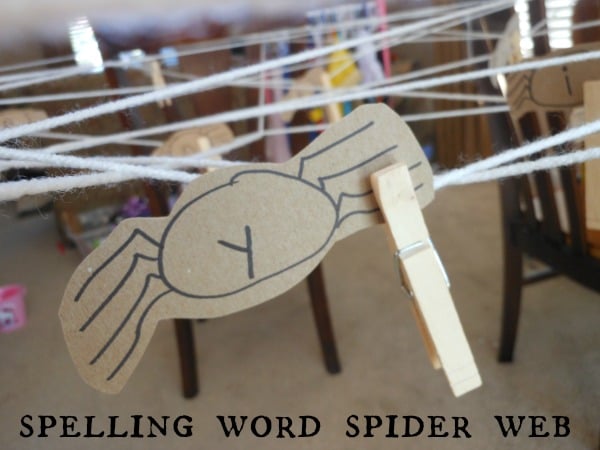
Turn spelling practice into a spider web word hunt by hiding words among the strands for kids to find. You can adapt the activity to whatever spelling or vocabulary list you’re currently using, making it useful well beyond Halloween.
Clare Brown is the founder of Homeschool of 1. She creates free printables and interactive learning tools for kids, helping parents and teachers generate activities instantly with no prep. Her work has been featured in Parade, HuffPost, Business Insider, Motherly, AOL, and Yahoo. Read more.