
A Bare Minimum January Homeschool Plan



January is not the month to fix everything.
After the intensity of December, many homeschool families hit a quiet wall: motivation dips, routines feel brittle, and even well-loved subjects can feel heavier than usual.
This isn’t a failure of planning or discipline. It’s a predictable seasonal slowdown, amplified by shorter days, disrupted sleep, and the mental fatigue that follows the holidays.
A bare minimum January homeschool plan is not about doing less forever. It’s about doing enough for a short, strategic stretch so learning continues without burning out the people involved.

**This post may contain affiliate links. As an Amazon Associate and a participant in other affiliate programs, I earn a commission on qualifying purchases.**
What “Bare Minimum” Actually Means
Bare minimum does not mean abandoning learning, lowering standards, or letting weeks disappear. It means identifying the smallest set of activities that still:
- Maintain core skills
- Preserve routine
- Protect energy and attention
In January, the goal shifts from progress to continuity. You are keeping the engine warm, not racing ahead.
In our house, January is usually the month where we stop adding and start quietly maintaining what already works.
The Three Anchors to Keep
When energy is low, most homeschool days only need three anchors to stay effective.
For families who like having a short menu of ideas to rotate through, a small set of January homeschool activities can help keep things moving without adding pressure.
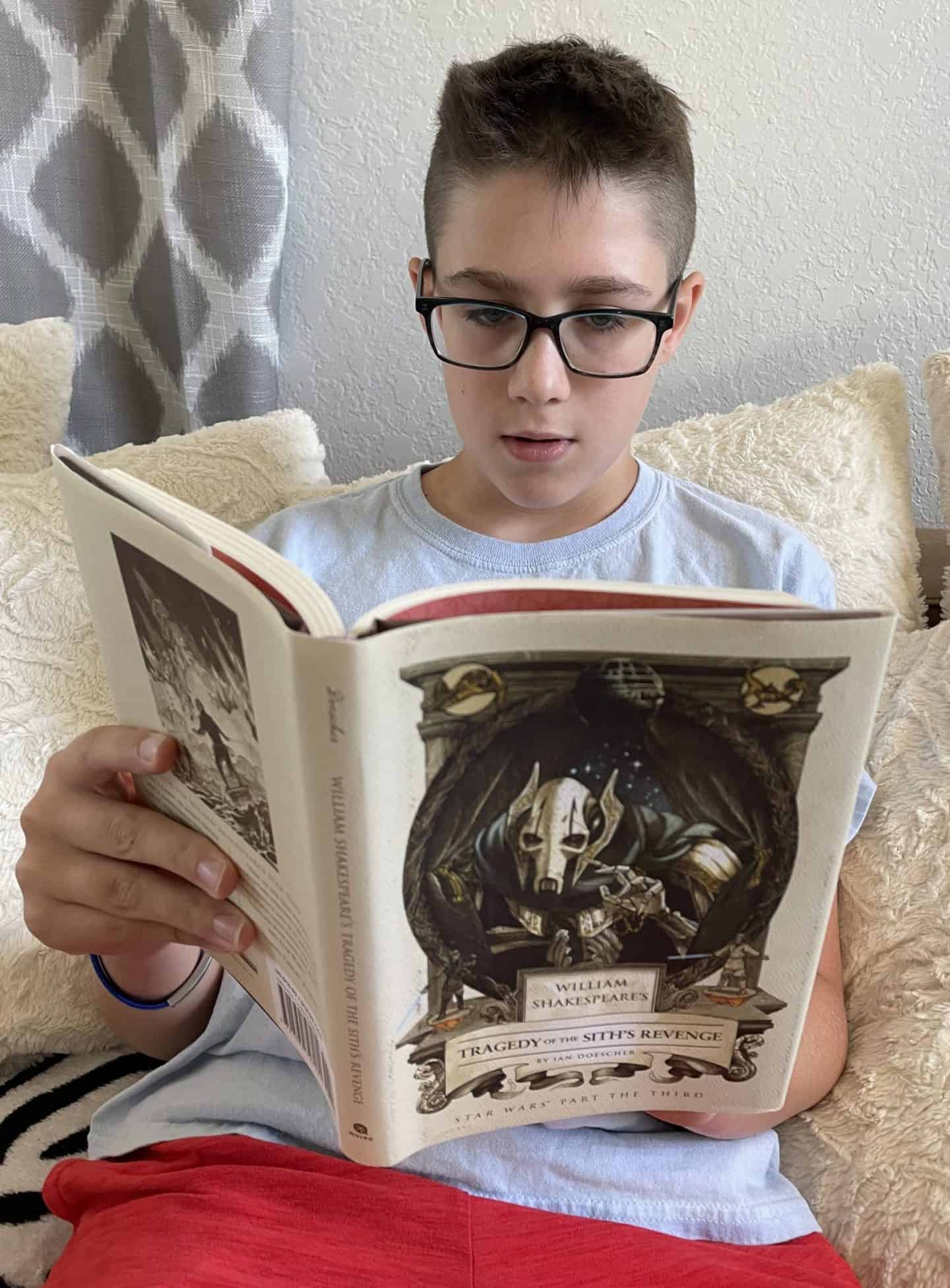
1. Reading (daily, any format)
Reading is the most flexible and forgiving academic habit. It can be done aloud, silently, independently, or together. It works when attention is sharp and when it’s scattered.
In a bare-minimum plan:
- Count audiobooks, graphic novels, rereads, and short sessions
- Avoid tying reading to worksheets, logs, or accountability systems unless they already work well
- Prioritize consistency over duration
If reading happens every day, learning is happening.
2. One math touchpoint
This does not need to be a full lesson.
In January, a math “touchpoint” might be:
- One page from a workbook
- A short online lesson
- A game that uses numbers or logic
- Mental math in the car
Simple options like a custom worksheet generator can work well here when you want familiarity without extra setup.
The purpose is to keep concepts familiar and reduce friction when energy returns later in the month.
3. One independent or quiet activity
January is an ideal time to lean into independent work, not as a productivity goal, but as a pressure release.
This could include:
- Puzzles or logic games
- Low-prep seasonal printables
- Drawing, building, or model-making
- One-player board games
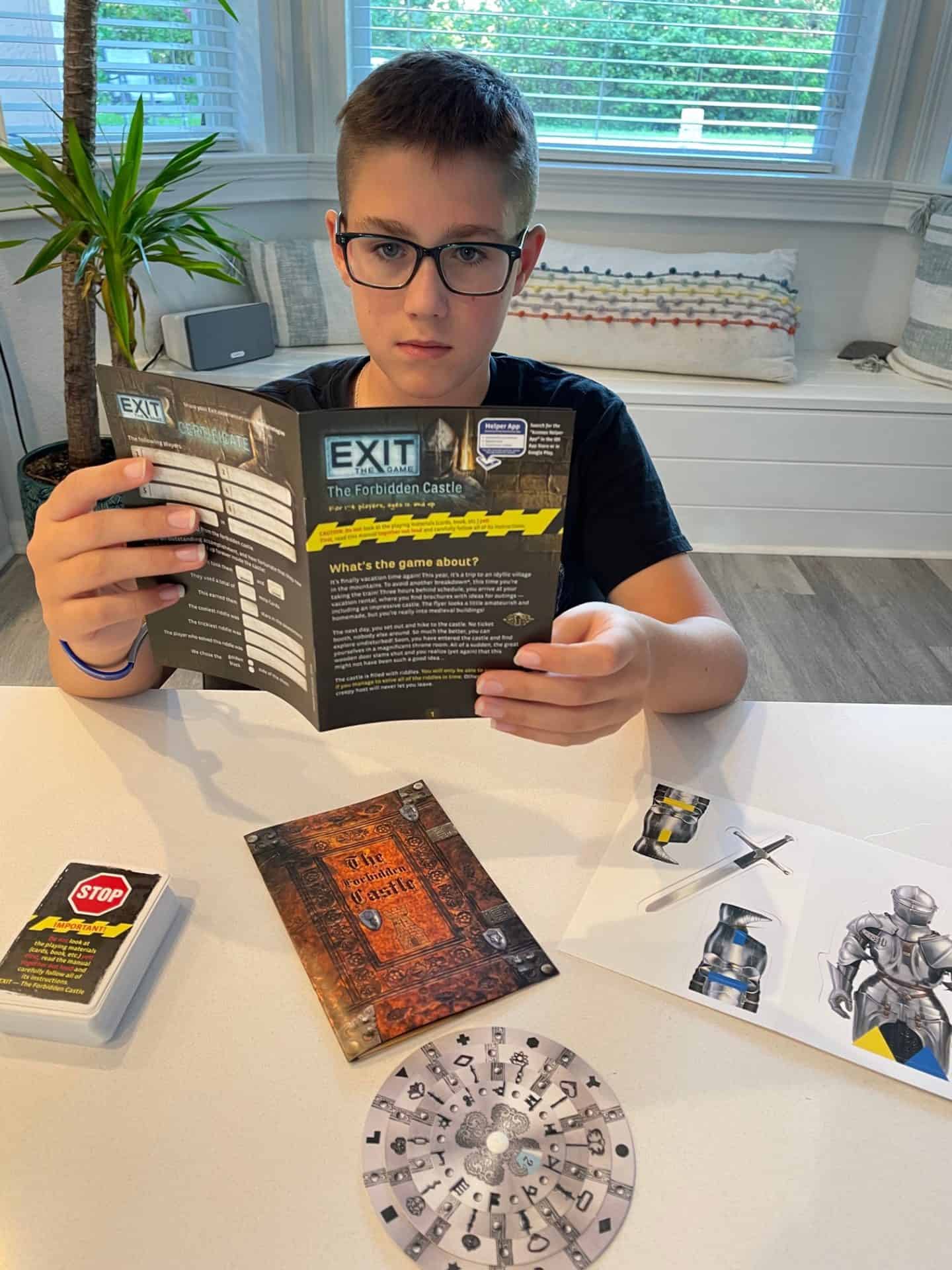
Independent activities give kids a sense of competence and control while quietly reducing friction in the day.
What to Temporarily Let Go
A strong bare-minimum plan is defined as much by what you remove as by what you keep.
January is a good time to pause:
- Extra enrichment that requires prep
- Subjects that consistently cause resistance
- New curriculum launches
- Over-tracking and over-documenting
Letting something rest for a few weeks does not undo months of learning. For many families, it actually preserves it.
If you still want something tangible on quieter days, a simple option like January coloring pages can provide structure without the mental load of a full lesson.
Why This Works (Educationally)
From a learning science perspective, January slowdowns are not wasted time.
Skill maintenance relies more on regular exposure than intensity. Short, low-pressure interactions with reading, math, and independent problem-solving are enough to prevent regression. Motivation, on the other hand, is far more sensitive to overload.
By reducing cognitive and emotional demands, a bare-minimum plan:
- Lowers stress hormones that interfere with learning
- Preserves positive associations with schoolwork
- Makes re-engagement easier later
This is not a detour from learning. It is part of it.
How Long to Stay in Bare-Minimum Mode
Most families benefit from two to four weeks.
You’ll usually notice readiness returning before motivation does. Signs it’s time to add more include:
- Less resistance at the start of the day
- Kids initiating learning on their own
- Curiosity showing up again
When that happens, add one thing at a time. January is not the month for sudden overcorrection.
What “Enough” Looks Like in January
Enough looks like:
- A day that ends without exhaustion
- Learning that continues quietly in the background
- A home that feels calmer by the end of the week, not more tense
January homeschooling doesn’t need to be impressive. It needs to be sustainable.
If you protect energy now, the rest of the year has room to grow.
