Homeschool Spanish Curriculum (Tried, Tested & Loved)

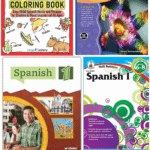
Teaching Spanish at home wasn’t something I had fully planned out in advance. I don’t speak Spanish myself, so at the beginning it was mostly trial and error, trying one program, dropping another, and slowly figuring out what actually worked for my son.
Some resources looked amazing but were way too intense once we opened them. Others were fun at first and then completely forgotten after a week or two.
What finally stuck were the ones that kept lessons short, focused more on listening and speaking, and didn’t feel like another subject to dread.
These are the Spanish homeschool programs and resources that ended up working for us over the years.
**This post may contain affiliate links. As an Amazon Associate and a participant in other affiliate programs, I earn a commission on qualifying purchases.**
Why We Chose to Learn Spanish at Home
Spanish just made sense for our family. It’s something my son is likely to use in real life, and there were far more homeschool-friendly resources available than for most other languages.
When he was younger, he picked up words quickly through songs and picture books without even realizing he was “learning.” As he got older, speaking practice became the biggest focus, especially building confidence instead of worrying about getting everything perfect.
Being able to move at our own pace made a huge difference. Some weeks we moved quickly, other weeks we barely touched it, and that flexibility kept us from burning out.
How We Picked Our Homeschool Spanish Curriculum
After trying a few programs that didn’t last long, I stopped looking at what sounded impressive and started paying attention to what actually worked in our house.
I wanted something my son wouldn’t quit after a couple of weeks, something that included real listening and speaking (not just filling in blanks), and something we could realistically keep up with alongside everything else we were homeschooling.
Some programs felt way too strict and stressful. Others were fun but didn’t build much progress. The sweet spot for us was always a mix, enough structure to learn, but flexible enough to fit real life.
Spanish Student Workbooks
We’ve tried more Spanish workbooks than I can count over the years. Some were fun for a week and then forgotten, while others were so dry my son avoided them altogether.
The ones below are the books that actually stuck, the ones we kept coming back to because they helped build vocabulary, grammar, and confidence without turning Spanish into a chore. I’ve grouped them by age based on what worked best for us at each stage.
Preschool – Early Elementary
When my son was little, shorter lessons and colorful pages worked best. Anything with tracing, pictures, songs, or repetition held his attention far longer than traditional worksheets.
- My First English – Español Learning Library – This set of 10 board books introduces young children to both Spanish and English with simple stories and colorful illustrations, making it a fun way to encourage early bilingualism.
- Complete Book of Starter Spanish (PreK-1st Grade) – Designed for beginners, this workbook features tracing, coloring activities, and lessons on seasons and weather, making early Spanish learning more interactive.
- The Spanish Workbook for Kids (Grades K-5) – A favorite in our homeschool, this book introduces essential topics like numbers, colors, and days of the week through engaging activities that make learning feel natural and enjoyable.
- Spanish for Kids (Ages 3-8) – This collection of 10 beginner-level Spanish books includes online audio support, helping young learners build vocabulary through interactive storytelling.
- 12 Spanish Educational Posters – These bilingual posters cover key concepts like the Spanish alphabet, numbers, and common phrases. They serve as a great visual reference for young learners and help reinforce daily practice.
Elementary (Grades 1-5)
As he got older, we needed more structure, but still wanted things to feel approachable instead of like a foreign language class.
- Complete Book of Spanish (Grades 1-3) – With vocabulary lessons, songs, and flashcards, this workbook provides a structured yet interactive way to reinforce early Spanish skills.
- Skills for Success Elementary Spanish – A mix of vocabulary exercises, puzzles, and writing activities makes this a useful resource for homeschoolers looking to build foundational Spanish skills.
- Teach Them Spanish! (Grade 4+) – This curriculum focuses on structured vocabulary and grammar progression, helping students move beyond basic phrases and develop sentence-building skills.
Middle & High School
This is where Spanish shifted from “fun exposure” to real language learning. Grammar, sentence building, and pronunciation mattered much more at this stage.
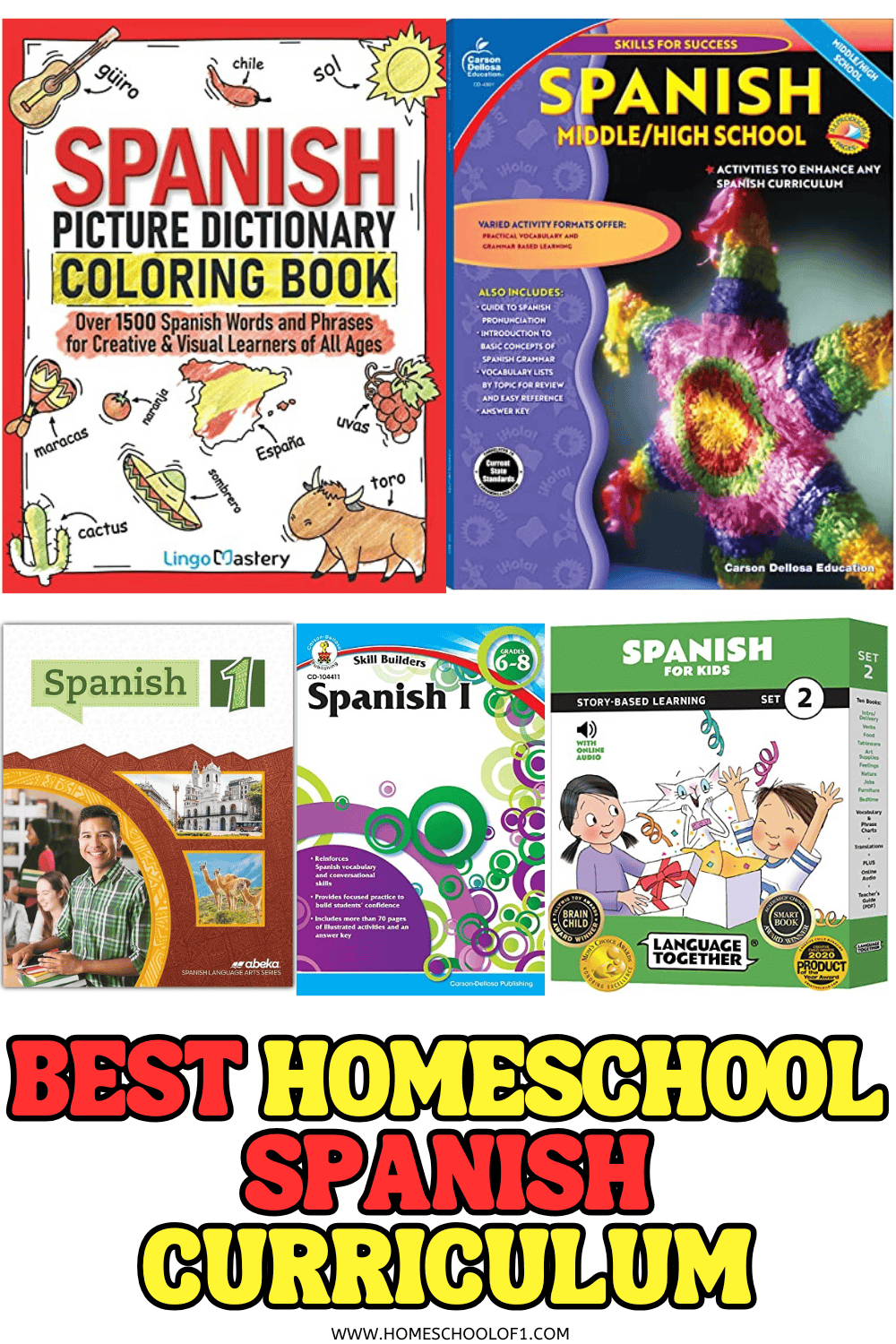
- Spanish 1 (Abeka) – A structured curriculum that introduces grammar rules, vocabulary, and sentence-building exercises, making it a strong choice for students seeking a traditional language program.
- Carson Dellosa Skill Builders Spanish I Workbook (Middle School) – This workbook focuses on conversational skills and commonly used phrases, making it an effective tool for middle schoolers working on language fluency.
- Getting Started with Spanish: Beginning Spanish for Homeschoolers (Any Age) – A flexible, self-paced guide that works well for older beginners, including parents learning alongside their children.
- Carson Dellosa Skills for Success: Spanish (Middle & High School) – This workbook includes grammar drills, translation exercises, and comprehension activities to support independent study.
- Spanish for Middle & High School Students (Grades 6-12) – Focused on vocabulary development and grammar reinforcement, this workbook includes audio exercises to improve pronunciation and listening comprehension.
- Spanish Picture Dictionary Coloring Book – With over 1,500 words and phrases, this coloring book caters to visual learners, reinforcing vocabulary through an engaging and creative approach.
Online Homeschool Spanish Curriculum
Some of the most progress we made with Spanish came from online tools. They were especially helpful when workbook fatigue kicked in or when we wanted more listening and speaking practice instead of writing.
These are the ones we’ve used consistently and found genuinely useful.
Learn Spanish Through Games & Video
Lingopie – This one surprised us in a good way. Watching real TV shows in Spanish with subtitles made the language feel natural instead of forced, and my son picked up everyday phrases much faster than with drills alone. We go into more detail in our full Lingopie review.
Duolingo – Still one of our regular go-tos. The short, game-style lessons worked well for daily practice, especially when my son wanted something quick and independent.
1:1 and Group Spanish Classes
Outschool – 1:1 Spanish Tutoring with a Native Speaker – Made a big difference in confidence. Hearing real pronunciation and having actual conversations helped far more than worksheets ever could.
Outschool – Spanish Fun Club for Beginners – Was great when my son was younger. Lots of games, songs, and movement, and he actually started using Spanish words naturally around the house.
Outschool – Spanish Immersion for Beginners – Gave a nice balance of structure and fun, easing him into real language use without pressure.
Outschool – Spanish Made Simple for Teens – Worked well once he was older. Smaller groups, practical focus, and a pace that didn’t feel rushed.
Self-Paced Spanish Learning
Babbel – More structured than most apps and better for middle school and up. We liked the grammar focus and the ability to move at our own speed without daily pressure.
What worked best for us was mixing tools, workbooks for structure, apps for daily practice, and live classes for real conversation. That combination made Spanish feel manageable and, more importantly, something my son stuck with.
FAQ’s
Yes! Many homeschool Spanish programs are designed for non-native speakers. Look for ones with audio support, video lessons, or live classes taught by native speakers so your child hears proper pronunciation and conversational rhythm.
For young learners, we’ve had great success with The Complete Book of Starter Spanish and Teach Them Spanish!. Both combine simple lessons with songs and repetition. For older beginners, Getting Started with Spanish is clear and self-paced.
Duolingo is a great supplement but not a full curriculum. It helps reinforce vocabulary and listening, but pairing it with structured grammar lessons or live classes gives a more complete foundation.
Preschool and early elementary are ideal for exposure, kids absorb new sounds easily through songs, books, and simple games. But it’s never too late; older students often progress faster once they grasp grammar and context.
If you’ve tried any of these or found other programs that worked for your family, I’d love to hear about them, just leave a comment below.
Last Updated on 6 February 2026 by Clare Brown
