Children’s Books That Have Stood the Test of Time


Some children’s books don’t just stay in print, they stay in circulation. They get pulled off shelves, reread years later, and passed down because they still work with real kids, not because they once topped a list.
I’ve read many of these across different stages of my son’s childhood, sometimes as bedtime stories, sometimes as independent reads, and sometimes as books he came back to on his own. A few surprised me by how well they held up. Others earned their “classic” status simply by getting read again and again.
This list isn’t about sales figures or expert polls. It’s about the children’s books that have genuinely stood the test of time by continuing to hold kids’ attention, generation after generation.
**This post may contain affiliate links. As an Amazon Associate and a participant in other affiliate programs, I earn a commission on qualifying purchases.**
Children’s Books That Have Lasted for Generations
Some kids’ books disappear as soon as a child outgrows them. Others hang around. They get reread, pulled back off the shelf years later, or passed on because they still work.
These are the books that stuck in our house. Not all of them were instant hits, and a few landed better at one age than another, but they were the ones my son kept coming back to or remembered long after we’d moved on.
If you want suggestions that are more age-specific, the books by age lists are a better place to start.
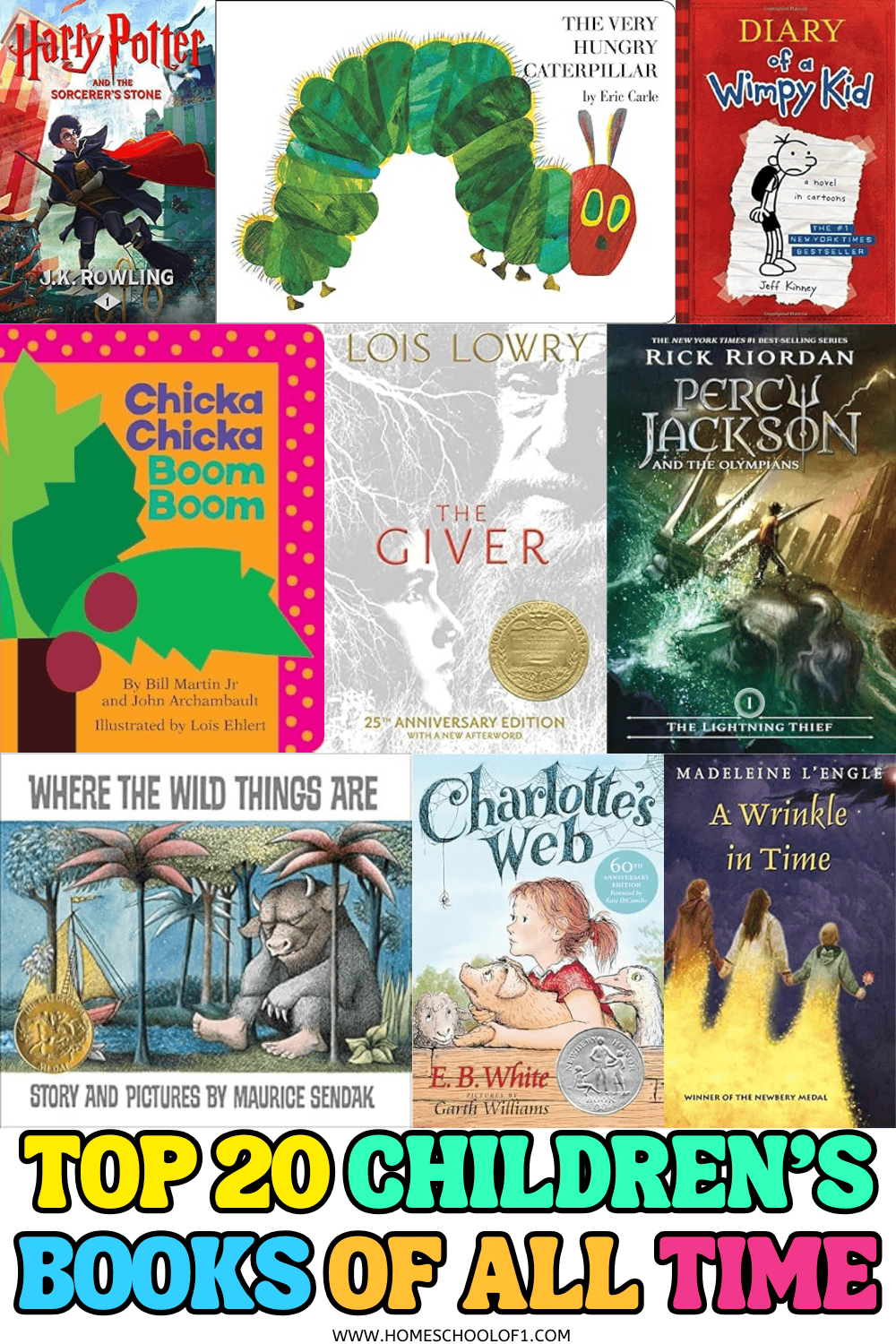
1. The Very Hungry Caterpillar by Eric Carle
We read The Very Hungry Caterpillar long before my son really cared about stories. At first, it was all about the holes in the pages, but that novelty kept him engaged long enough that the rhythm and repetition started to stick. It became one of those books he could “read” from memory before he could actually read.
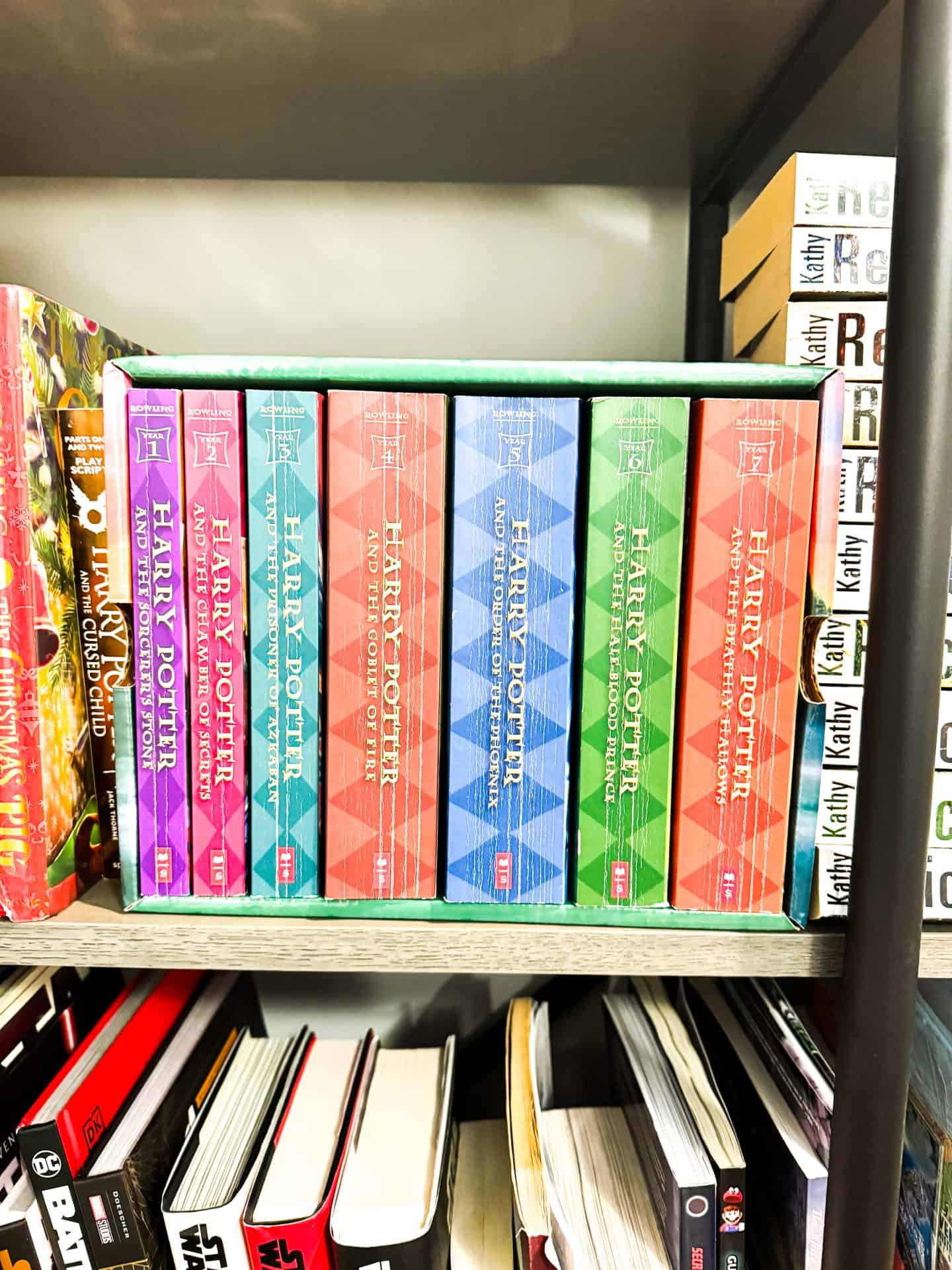
2. Harry Potter and the Sorcerer’s Stone by J.K. Rowling
Harry Potter and the Sorcerer’s Stone wasn’t an instant hit in our house. The opening chapters took a bit of patience, but once Hogwarts entered the picture, he was hooked. It’s the first book I remember him reading past bedtime without being reminded.
3. The Lightning Thief by Rick Riordan
What worked about The Lightning Thief was the humor as much as the action. Greek mythology finally made sense because it didn’t feel like a lesson. He kept stopping to explain jokes or point out gods he recognized, which told me he was actually following the story.
4. The Giver by Lois Lowry
We didn’t rush through The Giver. It took a few chapters before it clicked, but once it did, it sparked more questions than almost anything else on this list. It’s one of those books that stays with kids because it doesn’t wrap everything up neatly.
5. Chicka Chicka Boom Boom by Bill Martin Jr.
Chicka Chicka Boom Boom was requested constantly during the alphabet stage. It’s loud, repetitive, and not especially calming, but that’s why it works. The rhythm makes it easy for kids to join in, even before they recognize all the letters.
6. Where the Wild Things Are by Maurice Sendak
Where The Wild Things Are was one of those books that worked differently depending on the day. Sometimes it was a quick read before bed, other times it led to a lot of lingering over the pictures. The mood matters more than the plot here, which is probably why it keeps working with new generations of kids.
7. Holes by Louis Sachar
We flew through Holes. The chapters are short enough to feel manageable, but the story keeps looping back on itself in a way that made him want to keep going. It was one of the first books where he actively tried to predict what would happen next.
8. Charlotte’s Web by E.B. White
Charlotte’s Web slowed our reading pace down. It wasn’t something he wanted to rush, and once the story turned more serious, it led to a lot of questions and pauses. It’s gentle, but it doesn’t dodge loss, which is why it tends to linger in kids’ minds.
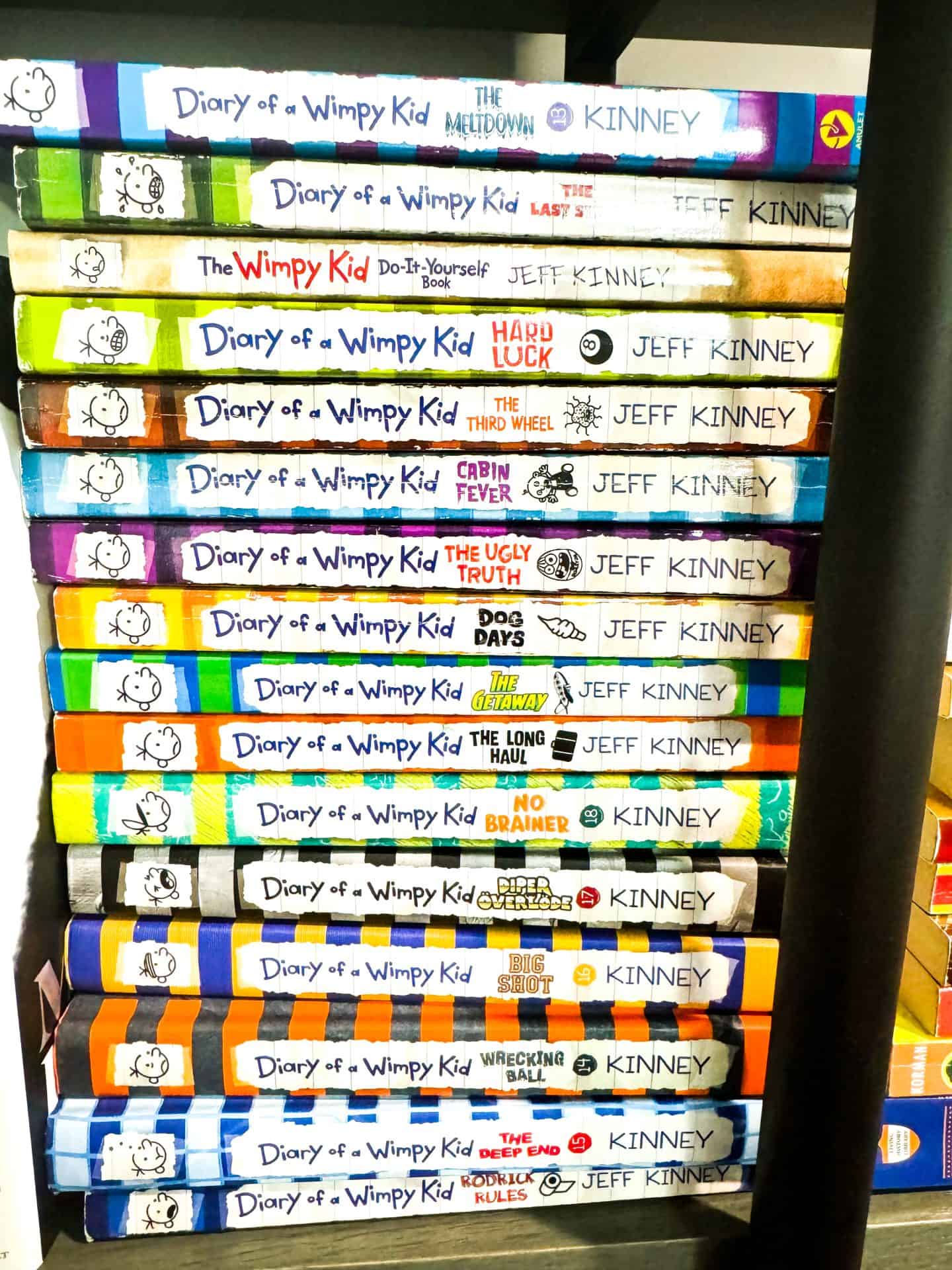
9. Diary of a Wimpy Kid by Jeff Kinney
Diary of a Wimpy Kid filled a gap when longer chapter books felt like too much. The mix of cartoons and short sections made it easy to pick up, even on days when reading felt like effort. Once he finished one, he immediately wanted the next.
10. A Wrinkle in Time by Madeleine L’Engle
A Wrinkle in Time took more concentration than some of the other books on this list. There were parts we talked through as we went, especially early on, but that extra effort paid off. It’s one of those stories that feels bigger once kids reach the end.
11. Dr. Seuss’s Beginner Book Collection
We didn’t read Dr. Seuss’s Beginner Book Collection straight through. These were the books that got pulled out one at a time, usually when reading needed to feel easy again. The repetition and rhyme helped build confidence, especially on days when sounding out words felt frustrating.
12. The Day the Crayons Quit by Drew Daywalt
The Day the Crayons Quit surprised me with how often it came back into rotation. The humor lands quickly, but the idea of each crayon having a complaint stuck with him. It’s one of those books kids enjoy first for the jokes, then later for the feelings underneath.
13. Goodnight, Goodnight Construction Site by Sherri Duskey Rinker
We went through a long truck phase, and Goodnight, Goodnight Construction Site was part of the bedtime routine for months. The rhythm is calm enough to wind things down, but the illustrations keep vehicle-loving kids interested all the way to the last page.
14. Coraline by Neil Gaiman
Coraline hit that sweet spot between creepy and manageable. It was just unsettling enough to feel exciting without tipping into nightmares. This was one of the first books where he wanted to talk through the scary parts instead of skipping them.
15. The Secret Garden by Frances Hodgson Burnett
The Secret Garden took patience. It wasn’t a fast start, but once the setting and characters settled in, the story grew on him. It’s a quieter book, and the payoff comes slowly, which made it feel different from most of what he was reading at the time.
16. Anne of Green Gables by L.M. Montgomery
Anne of Green Gables wasn’t about the plot as much as the character. Anne’s running commentary and imagination kept him engaged even during the slower sections. It worked especially well as a read-aloud, where her personality really comes through.
17. Are You My Mother? by P.D. Eastman
We read Are You My Mother? during that phase when repetition mattered more than variety. The simple structure and predictable encounters made it comforting rather than boring, which is why it held attention even after countless rereads.
18. The Lion, the Witch and the Wardrobe by C.S. Lewis
The Lion, the Witch, and the Wardrobe felt like a turning point into bigger stories. The idea of stepping into another world through something ordinary made it instantly appealing, and it sparked curiosity about the rest of the series without feeling overwhelming.
19. Corduroy by Don Freeman
Corduroy is quiet, and that’s exactly why it works. The story doesn’t rush or overexplain, which made it easy for my son to project his own feelings onto it. It’s one of those books kids connect with even if they can’t quite explain why.
20. Charlie and the Chocolate Factory by Roald Dahl
Charlie and the Chocolate Factory was pure momentum. Once we started, he didn’t want to stop, mostly because each chapter introduced something stranger than the last. The humor helped, but it was the unpredictability that really kept him reading.
Last Updated on 10 February 2026 by Clare Brown
