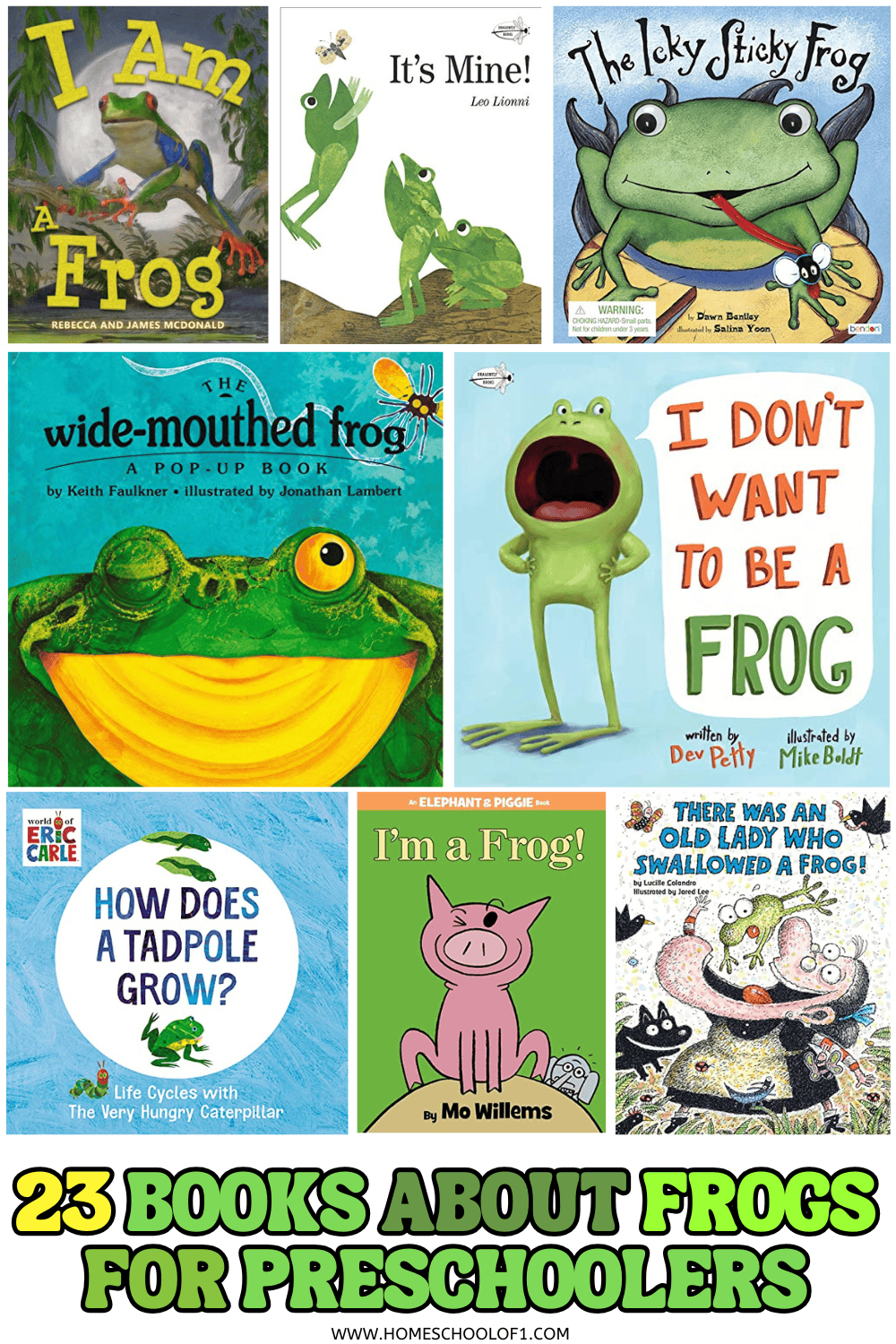
We didn’t set out to do a frog theme.
It started with one book from the library, then another, then a lot of stopping on walks to look into ponds and puddles. My son wanted to know why frogs lived near water and what tadpoles actually turned into. Reading about frogs became the easiest way to answer those questions without turning it into a lesson.
Some of these books stuck because they were silly and easy to reread. Others worked because they explained just enough, not too much. A few turned into books we acted out, counted along with, or argued about at bedtime.
These are the frog books we kept reaching for during the preschool years, the ones that held his attention and made reading together feel natural.
**This post may contain affiliate links. As an Amazon Associate and a participant in other affiliate programs, I earn a commission on qualifying purchases.**
Choosing Frog Books for Preschool Age
When my son was preschool age, the frog books that worked best weren’t always the ones I expected. Some he wanted to poke and flip through, others he only liked if he could move while we read, and a few finally clicked once he started recognising simple words on the page.
- Lift-the-flap board books were great when his attention span was short and his hands needed something to do.
- Rhyming stories and repeated phrases helped once he started “reading” along.
- When the questions started, how do tadpoles turn into frogs, where do frogs actually live, simple nonfiction books suddenly mattered more than the silly ones.
That mix is what this list leans into rather than any one type of book.
Frog Picture Books for Preschoolers
Most of the frog books we read at this age were picture books, because illustrations mattered more than the text. My son would linger on the pages, point things out, and sometimes ignore the words altogether if the pictures were interesting enough.
Some of these are silly and loud, others slow things down and explain how frogs grow or where they live. A few worked better as read-alouds, while others were the ones he’d pull off the shelf and flip through on his own.
They’re grouped here simply because these were the books we reached for most often during the preschool years.
Explore My World Frogs
This book was a favorite in our house during nature walks. After reading, my child became obsessed with spotting different frogs and comparing them to the stunning National Geographic photos in the book. The simple text made it easy to understand, and before long, he was pointing out frog habitats all on his own.Related: Life cycle of a frog worksheet
Continue Reading
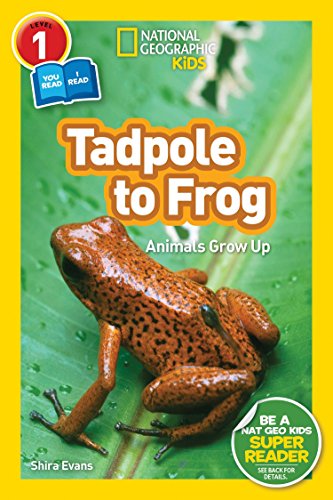
Tadpole to Frog
This was the book that finally answered the “but how?” questions. We read it once, then kept coming back to it in pieces, usually after spotting something frog-related outside. It’s simple enough for preschoolers, but concrete enough that the life cycle actually sticks instead of blending into the background.
Read More
Five Little Speckled Frogs
This never stayed a sit-still book. It turned into counting on fingers, hopping across the room, and restarting because someone forgot a verse. If your preschooler learns best while moving, this one earns its place fast.Related: Frog worksheets for preschoolers
Read More
The Frog Alphabet Book
We picked this up for letters, but the frogs ended up stealing the show. My child spent more time choosing favorites than reciting the alphabet, which honestly worked just as well. It’s a good one to leave out and let kids revisit on their own terms.
Continue Reading
Jog Frog Jog
This was one of the first books my child felt confident “reading” back to me. The repetition and picture clues do a lot of the work, which made it less frustrating and more playful than other early readers we tried.
Continue Reading
Would You Rather Be a Bullfrog?
This book led to loud opinions. Every page sparked a debate, usually followed by an explanation of why being a bullfrog would be terrible or amazing. It’s light, silly, and surprisingly good at getting kids to think out loud.
Read More
Froggy Learns to Swim
The nerves in this story felt very familiar. We read it more than once before swim days, and it helped normalize the idea of being scared without making it a big deal. Froggy’s awkward attempts were oddly comforting.
Read More
Frog and Toad Storybook Favorites
These weren’t frog books we rushed through. They became part of our bedtime rotation and stuck around long after the preschool years. The stories are calm, predictable, and reassuring in a way that worked well at the end of the day.
Continue Reading
Little Green Frog
This one took some wear and tear. The flaps were irresistible, and it survived being opened, shut, and reopened more times than I can count. It’s a good choice when attention spans are short and hands need something to do.
Continue Reading
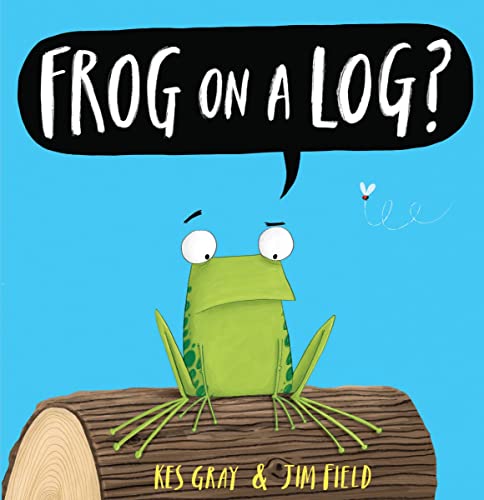
Frog on a Log
Pure silliness. The fun here came from predicting what ridiculous seating arrangement would come next. It’s especially good if your child enjoys correcting things that are obviously wrong.
Read More
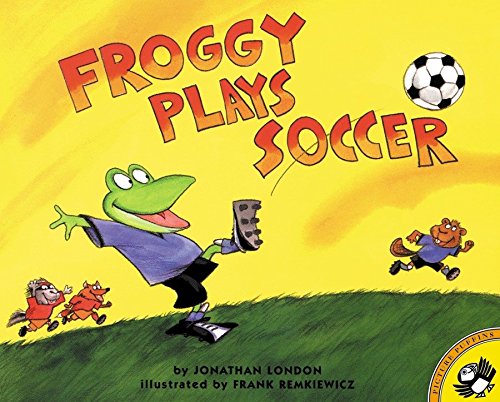
Froggy Plays Soccer
This hit close to home during early sports years. Froggy’s enthusiasm and complete lack of coordination felt very real, and it sparked a lot of laughter from recognition rather than punchlines.
Read More
This Book Is Perfect!
My son loved disagreeing with this book. Loudly. It became a call-and-response read, with lots of shouting over the narrator. It’s playful, but it also opened up some gentle conversations about mistakes without forcing the point.
Continue Reading
Yoga Frog
This one surprised me. It went from storytime to routine, and eventually my child started pulling it out unprompted. It’s calm without being dull and works well when kids need to slow down a bit.
Continue Reading
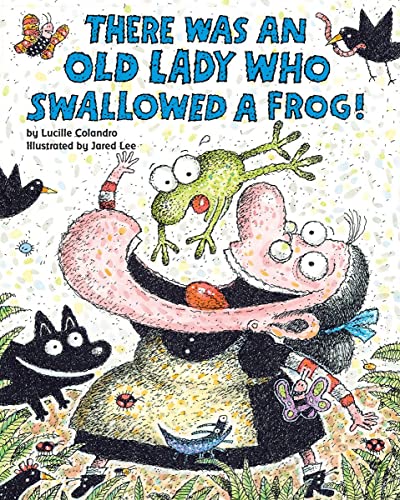
There Was an Old Lady Who Swallowed a Frog!
We read this one for the guessing game more than the story. Every page pause turned into predictions, which made it feel interactive even though the structure is familiar.
Read More
How Does a Tadpole Grow?
This paired really well with real-world questions. We didn’t read it straight through every time, sometimes just a few pages after spotting frogs outside. It’s clear without being overwhelming.Related: Parts of a frog printable.
Read More
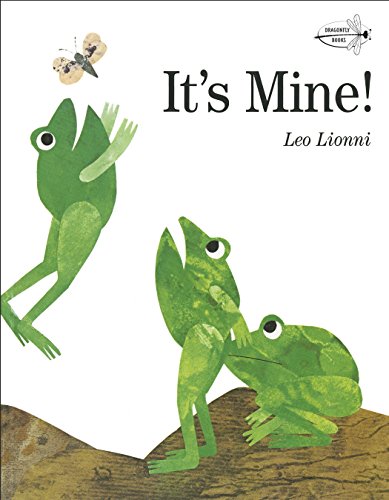
It’s Mine!
This one landed during a very “everything is mine” phase. The story gave us a shared reference point when conflicts popped up later, which made it more useful than most sharing books we tried.
Continue Reading
I’m a Frog!
This turned into full-body pretending. My child copied the poses, voices, and reactions more than the words themselves. It’s best read when you don’t mind a little chaos.
Continue Reading
Icky Sticky Frog
The appeal here was immediate and very physical. The surprise element kept my child engaged longer than expected, and it worked well as a quick read rather than a sit-down story.
Read More
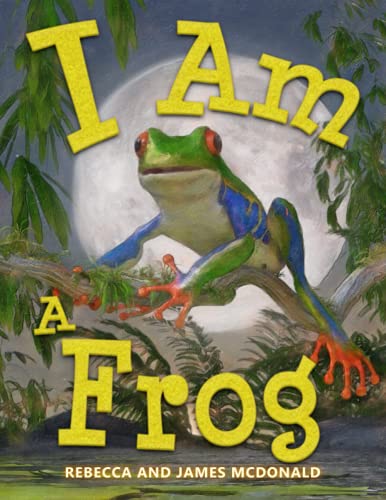
I Am a Frog
This was a gentle introduction to frog basics without feeling heavy. We treated it more like a browsing book than a read-aloud, and it worked well that way.
Read More
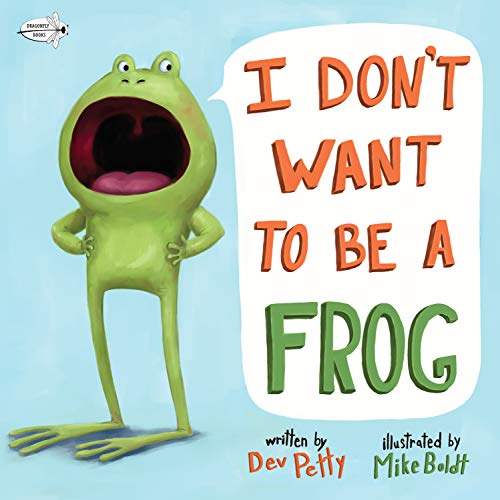
I Don’t Want to Be a Frog
This sparked ongoing “what would you rather be?” conversations long after the book was closed. It’s funny first, thoughtful second, which suited preschool attention spans perfectly.
Continue Reading
The Lucky Green Frog
This book was just pure fun. The story of the lucky green frog was easy for my child to follow, and the colorful illustrations kept him engaged. It became one of those books he wanted to “read” back to me after a few readings.
Continue Reading
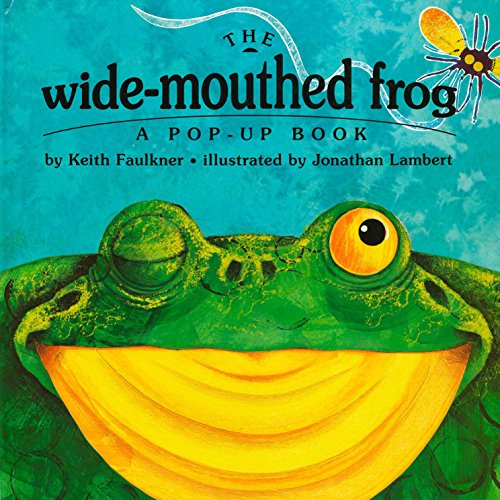
The Wide Mouthed Frog
This pop-up book was a favorite because of the surprise element on every page. My child loved the big-mouthed frog’s expressions and enjoyed guessing which animal would appear next. It’s one of those books that made reading a hands-on adventure.Related: Life cycle of a frog activities
Read More
From Tadpole to Frog
This book answered so many “but why?” questions in our house. It was the perfect introduction to how frogs grow, and it even inspired us to take a trip to a pond to look for real-life tadpoles.Related: Life cycle of a frog coloring page.
Read More
We didn’t usually stop with the book itself. Frog stories tended to spill over into the rest of the day, watching puddles after rain, listening for croaking at night, or seeing how far we could jump across the yard.
Sometimes that meant a walk near water to look for tadpoles. Other times it was just hopping around the living room or making ridiculous frog noises because the book put us in that mood. None of it was planned, but those moments are what made the stories stick.
Last Updated on 10 February 2026 by Clare Brown