Homeschool math books gave us the structure we needed, without turning math into something stiff or frustrating.
Over the years, we’ve tried a mix of programs, some too repetitive, some too fast, but the right books helped my son actually enjoy math (which I never thought I’d say).
For us, they’ve formed the core of our homeschool math curriculum, providing consistency while still allowing for flexibility.
From hands-on, visual styles to mastery-based approaches, having a variety of math books on hand has let us adapt to what works best at each stage.
**This post may contain affiliate links. As an Amazon Associate and a participant in other affiliate programs, I earn a commission on qualifying purchases.**
How We Decided Which Math Books to Use
We learned pretty quickly that there wasn’t one “right” math book that worked every year. What mattered most was how well a book matched my son’s pace and how much explanation he needed at that stage.
Some years, visual models or hands-on practice made a big difference. Other times, he just wanted clear steps and lots of straightforward problems. Our priorities shifted too, sometimes we were focused on rebuilding confidence, other times on test prep or filling gaps.
Practical details mattered more than I expected. Answer keys, layout, and whether we could preview lessons ahead of time often determined how long a book actually stayed in rotation.
Homeschool Math Books We’ve Actually Used
These are the math books that stayed in rotation at different points, from early elementary through more advanced work. Some were full programs, others were supplements we leaned on when something wasn’t clicking.
They don’t all work the same way, which is why having a mix on hand mattered more to us than sticking rigidly to one approach.
Horizons Math
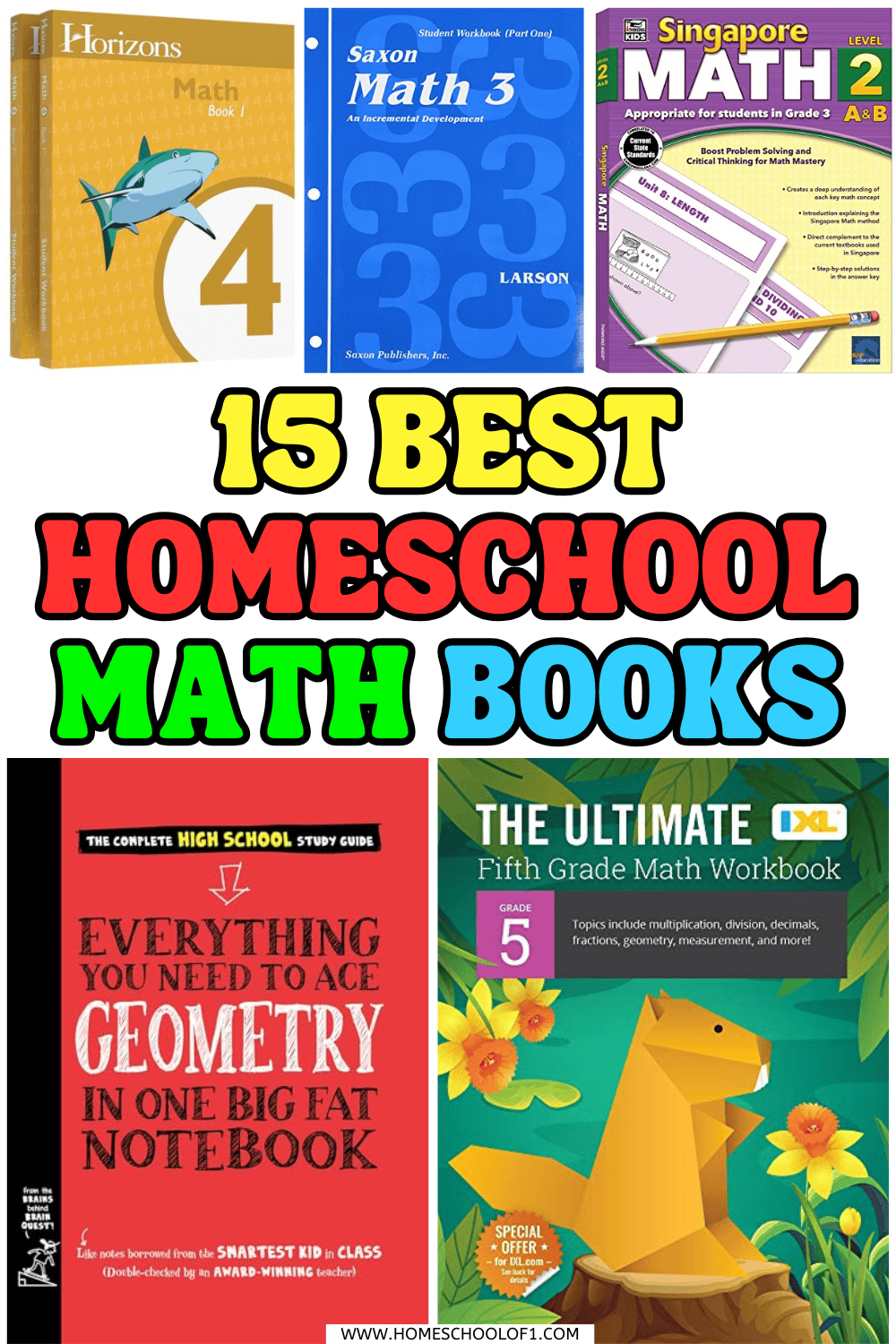
Horizons moved fast, sometimes faster than I expected, but that was also why it worked for us in the early years. The bright pages and constant topic changes kept my son from checking out, even when he wasn’t excited about math that day. We didn’t linger long on any one concept, but the repetition meant nothing was ever fully dropped either.
Read More
Math Mammoth
This became our go-to when we wanted a more straightforward, mastery-based approach. Math Mammoth explains concepts clearly without feeling too “textbooky.” I liked that I could print what we needed, and my son appreciated how it broke problems down step-by-step. Great for independent learners who want to understand the why behind the math.
Read More
Singapore Math
We gave Singapore Math a try in 2nd grade, and I was really impressed by how it taught problem-solving using visuals and model drawing. It’s definitely more conceptual—ideal for kids who like puzzles or thinking in pictures. It takes a bit more parent involvement at first, but it helped build real number sense.
Read More
Saxon Math
Saxon is about as traditional as it gets. There’s a lot of review, a lot of practice, and very little hand-holding. We used it during a year when we needed predictability more than creativity, and that consistency helped keep things from drifting. It wasn’t exciting, but it did exactly what it promised.
Read More
Everything You Need To Ace Math
This lived on our shelf more than our desk. We didn’t use it as a daily program, but it was the book we grabbed when something suddenly didn’t make sense. The tone is lighter than a standard textbook, and the explanations are quick to scan, which made it useful for last-minute review or filling small gaps.
Read More
Mastering Essential Math Skills
We picked this up when we needed to rebuild some confidence mid-year. The lessons are short and to the point, and they don’t overwhelm. I liked that we could do just one or two pages a day and still make progress. It worked really well as a supplement.
Read More
Math U See
Math-U-See felt very different, it’s centered around one topic per level, which was a great change of pace. The manipulatives made abstract concepts click, especially with multiplication and fractions. If your child needs to see math to understand it, this is worth looking into.
Read More
IXL Ultimate Workbooks
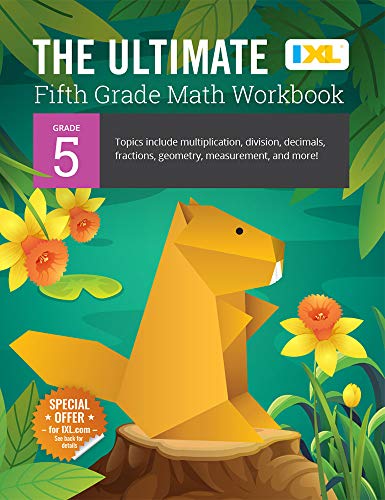
Because we’d already used IXL online, the workbook felt familiar right away. The layout is straightforward, and the problem mix kept practice from feeling repetitive. We didn’t rely on it as a core program, but it worked well when we wanted extra practice without introducing something completely new.
Read More
CommonCore Math Workbook
This series is pretty no-frills but effective. We used a few of these during standardized test prep. I liked the combination of review and skill-building, and the layout was clean—no distractions, just solid practice.
Read More
Math Skillbuilders
This was one of our first math workbooks when my son was just starting out. The illustrations and simple format helped ease him into written math practice. It’s definitely best for younger grades, but it made math feel playful rather than intimidating.
Read More
Spectrum Math Workbook
Spectrum ended up being one of those dependable backups we returned to more than once. The lessons are clear, the progression makes sense, and it stays close to grade-level expectations without being overwhelming. When we needed something simple and predictable, this was usually enough.
Read More
The Big Fat High School Algebra 1 Workbook
Algebra was where we really started using supplements to support our homeschool algebra curriculum, and this one pulled its weight. The explanations are short and direct, and the practice problems are plentiful without feeling endless. We used it alongside another program, mostly when a concept needed reinforcing from a different angle.
Read More
Ace Geometry in One Big Fat Notebook
Geometry didn’t come easily in our house, and this book helped slow things down alongside our geometry homeschool curriculum. The diagrams, bold terms, and short explanations made it easier to revisit concepts without starting from scratch each time. It felt more like a reference we could dip into than something we had to work through in order.
Read More
The Official ACT Mathematics Guide
Once test prep became part of our routine, this book stayed open on the table. It’s very structured and very focused, with practice questions that match the actual test closely. We didn’t treat it like a curriculum, but for building familiarity with the ACT format, it did exactly what we needed.
Read More
SAT Math Prep
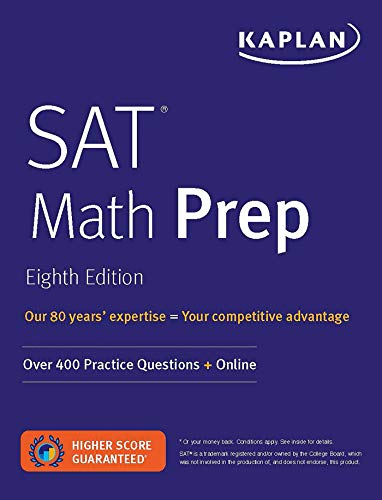
This one’s very focused and a bit more intense than the ACT book. We used it when doing weekly SAT practice, and I liked that it offered breakdowns by topic, so we could target the weaker areas. The practice questions feel like the real thing, and the strategies were helpful, even for a kid who doesn’t love standardized testing.
Read More
What We Used When a Book Didn’t Click
Books handled most of our math, but there were points where we needed a different format. When explanations stopped landing or motivation dipped, switching things up helped more than pushing through.
We used Teaching Textbooks during Algebra, mainly because it let my son work more independently. The instant feedback and automatic grading took some pressure off both of us, especially on days when neither of us had much patience left.
Geometry was where videos made the biggest difference. We moved to Mr. D Math when written explanations weren’t sticking, and the pacing felt manageable without dragging things out.
We didn’t replace books entirely, but having another way to explain the same material made it easier to keep moving forward.
Last Updated on 10 February 2026 by Clare Brown