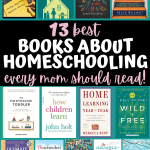
Books about homeschooling have shaped most of the decisions I’ve made, often in ways I didn’t notice at the time. They influenced far more than any single curriculum we ever used.
I didn’t read them looking for inspiration or a perfect approach. I picked them up when I felt unsure, early on when I needed reassurance, and later when things felt heavy or disconnected.
Some of these books helped right away. Others didn’t click until much later. A few are still the ones I reach for when something feels off and I need to reset.
**This post may contain affiliate links. As an Amazon Associate and a participant in other affiliate programs, I earn a commission on qualifying purchases.**
Homeschool Books That Shaped How We Learned
I didn’t read most of these books because I was excited to. I read them because something wasn’t working and I needed help figuring out why.
Sometimes it was planning. Sometimes it was burnout. Other times it was that uneasy feeling that we were doing plenty of work but missing something important. Different books mattered at different points, and a few of them only made sense years after I first picked them up.
This isn’t a list to work through in order, and it’s not meant to represent one approach to homeschooling. These are simply the books about homeschooling that influenced how we adjusted, regrouped, and kept going over time.
If you’re homeschooling with younger kids, picture books about homeschooling can also be useful for helping kids understand what learning at home looks like.
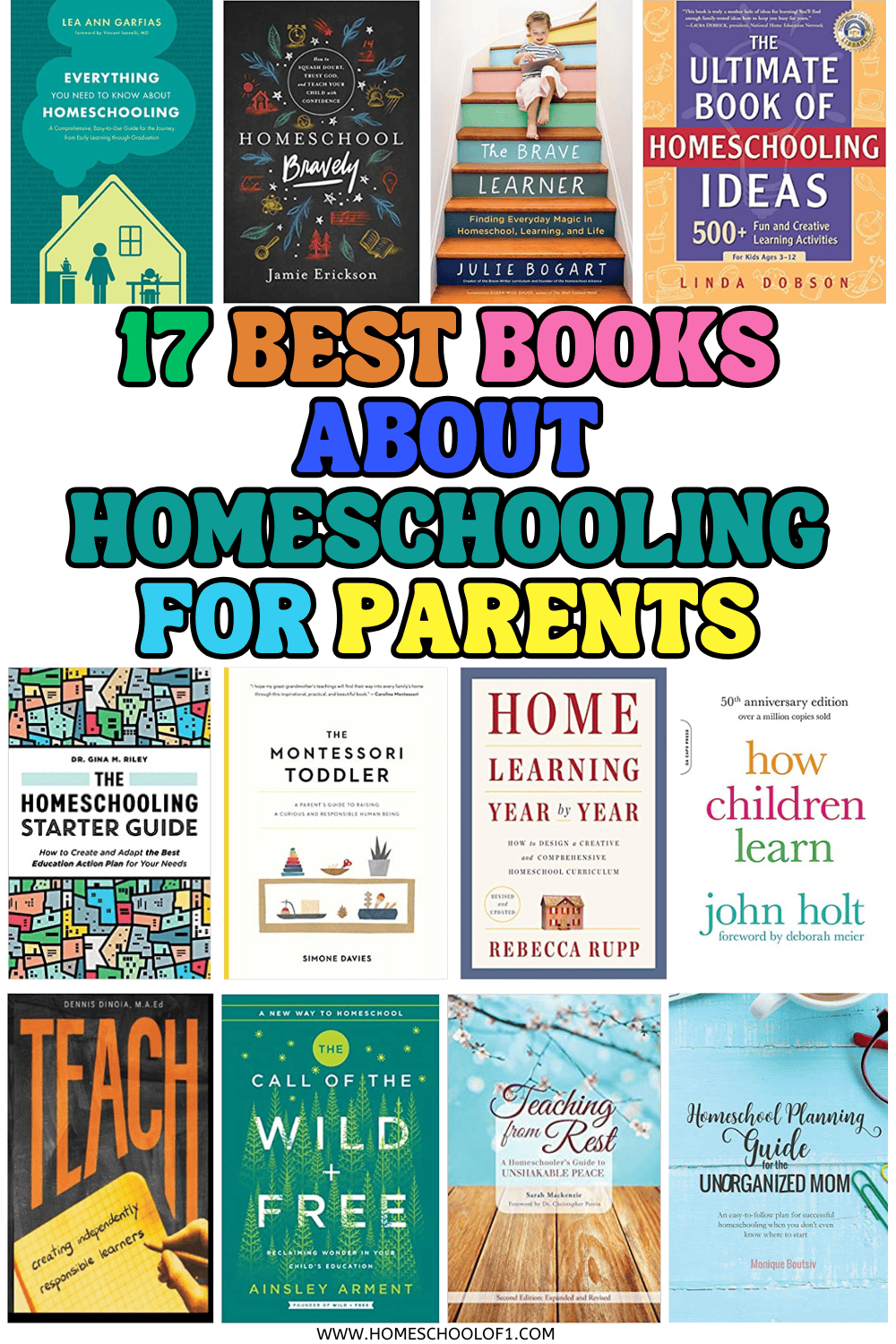
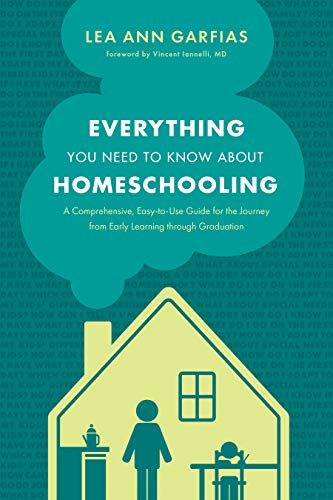
Everything You Need to Know about Homeschooling
This was the book I kept nearby in the early years, not because it was inspiring, but because it answered very practical questions. I didn’t read it straight through. I dipped into sections on planning, high school, and burnout as they came up, which made it more useful than overwhelming. It’s thorough, sometimes almost too thorough, but when I wanted facts instead of opinions, this was the one I reached for.
Read More
TEACH: Creating Independently Responsible Learners
I’ll be honest, I wasn’t sure how well this book would work for us, but within one week, I saw a huge shift in my son’s independence. Written by Mr. D (yes, the same one behind Mr. D Math), this book focuses on helping kids take ownership of their learning. If you’ve ever felt like you’re doing too much hand-holding in your homeschool, this book gives practical ways to encourage independent learning, without the power struggles.Read our more detailed review of Teach by Dennis Dinoia here.
Continue Reading
Homeschool Bravely
I picked this up during a phase when I was constantly wondering if we were doing enough. It didn’t change how we structured our days, but it did change how much pressure I was putting on myself. It’s faith-based and reflective, not tactical, and I found it most helpful when I needed reassurance rather than answers.
Read More
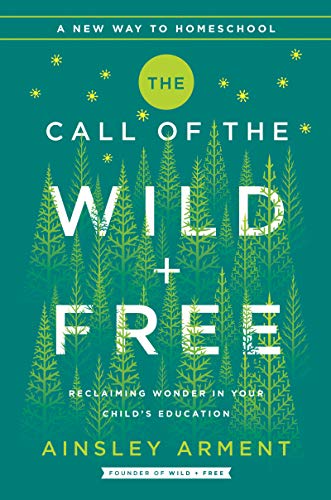
The Call of the Wild and Free
This book pushed me out of a very rigid mindset. I didn’t suddenly abandon structure, but it helped me see where we were clinging to it out of habit rather than need. Some of the ideas felt aspirational for our season of life, but it still shifted how much space I allowed for curiosity and outdoor learning.
Read More
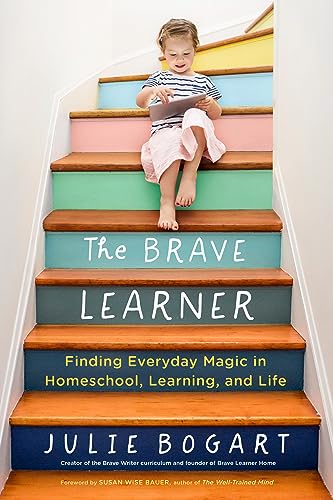
The Brave Learner
This is one I come back to when our homeschool starts to feel tight or joyless. I don’t agree with every approach Julie Bogart suggests, but her way of reframing learning helped me loosen schedules and trust interests more. I found it more useful as a mindset reset than a how-to guide.
Read More
The Montessori Toddler
We didn’t follow Montessori in a formal way, but this book changed how I set up our home when my son was young. Small things, independence in daily routines, fewer toys, clearer expectations, made a bigger difference than any activity plan. I stopped using it once we moved past the toddler years, but it was genuinely helpful at that stage.
Read More
Home Learning Year by Year
This is the book I check when I’m second-guessing scope and sequence. I don’t use it to plan lessons, but I use it to sanity-check. It’s reassuring without being prescriptive, and I’ve referred back to it more times than I can count, especially during transition years.
Read More
How Children Learn
This book didn’t give me strategies; it challenged assumptions. I read it slowly and disagreed with parts of it, but it permanently changed how I think about learning outside formal lessons. It’s dense and philosophical, not practical, but it influenced how much trust I place in everyday learning.
Continue Reading
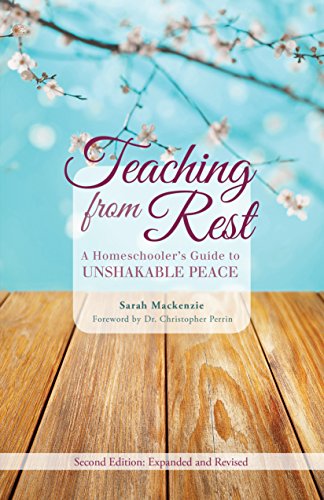
Teaching from Rest
I read this during a season when homeschooling felt heavy. It didn’t solve logistical problems, but it helped me step back from comparison and constant self-evaluation. I don’t reread it often, but when burnout creeps in, it’s one I still think about.
Continue Reading
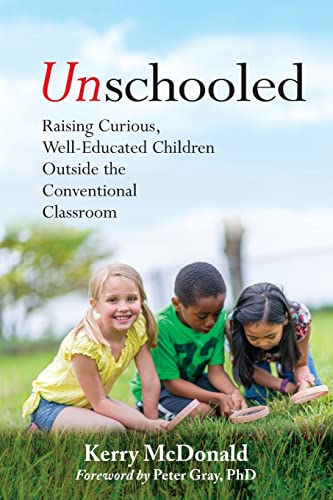
Unschooled
We aren’t unschoolers, and this book didn’t convert us, but it did influence how relaxed our summers look now. It helped me see that learning doesn’t disappear when structure does. I wouldn’t recommend it as a starting point, but it broadened how I think about balance.
Continue Reading
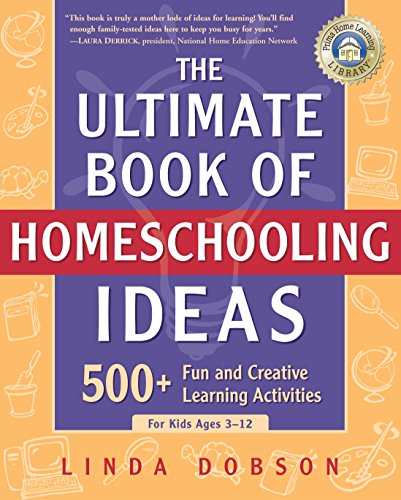
The Ultimate Book of Homeschooling Ideas
This one surprised me. I assumed it would feel dated or overwhelming, but I ended up bookmarking far more ideas than expected. I don’t use it continuously, it’s more of a pull-it-out-when-stuck book, but when motivation dips, it’s useful.
Read More
Teach and Celebrate the Year
I wrote this because seasonal learning was already part of how we homeschooled, and I wanted it to feel organized rather than chaotic. It’s best for families who enjoy tying learning to real-world events and holidays. It’s not curriculum-heavy, but it works well as a framework for adding meaning to the year.
Continue Reading
The Homeschooling Starter Guide
This is the book I suggest to parents who want clarity without overload. It’s straightforward, practical, and doesn’t assume prior knowledge. It won’t help you refine philosophy, but it does help you get started without panic.
Read More
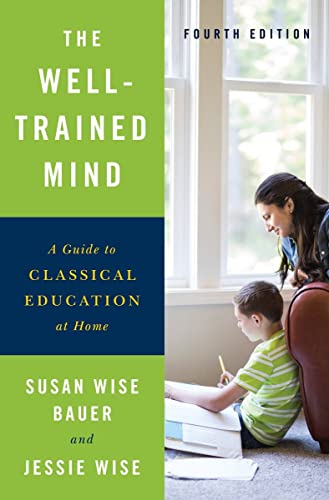
The Well-Trained Mind
We don’t follow a classical model strictly, but this book helped me understand what structure can look like at scale. I found parts of it intense, especially early on, but the long-term planning sections were useful when thinking ahead. It’s not for everyone, but it’s a solid reference.
Read More
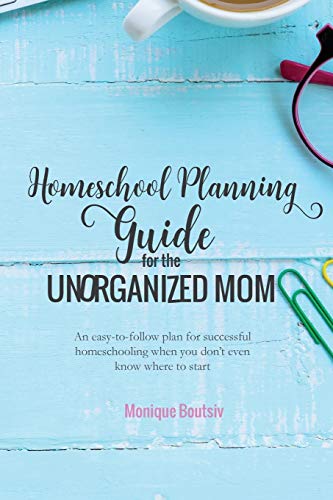
Homeschool Planning Guide for the Unorganized Mom
This worked for me because it didn’t assume I wanted color-coded perfection. It focuses on simplifying rather than optimizing, which made planning feel manageable. I wouldn’t use it year after year, but it helped when things felt scattered.
Read More
Educating the Wholehearted Child
This one sits somewhere between parenting and homeschooling. It didn’t change our academics, but it did influence how I think about character and relationships alongside learning. I’d recommend it more for reflection than for planning.
Read More
The Core
I used this as an introduction to classical ideas without committing fully to the model. It’s structured and clear, but not dogmatic. Even if you don’t follow the approach, the emphasis on strong foundations is useful.
Read More
Last Updated on 10 February 2026 by Clare Brown