Ladybug books first became a regular part of our shelves after my son started spotting them in the garden and asking the same question over and over, why do they have spots?
That curiosity quickly turned into a small stack of stories and simple nonfiction we kept coming back to during our insect units.
The titles below are the ones that actually held his attention, whether we were reading together at bedtime or using them to explain life cycles, counting, and how ladybugs help in the garden.
If you’re building a bug-themed reading list for younger kids, these are the books that worked well in real life, not just in theory.
**This post may contain affiliate links. As an Amazon Associate and a participant in other affiliate programs, I earn a commission on qualifying purchases.**
Books About Ladybugs for Kids
Ladybugs were one of the easiest ways to pull my son into nature study when he was younger. They’re easy to spot, not intimidating, and somehow every child seems to want to count the dots.
The books below are the ones we actually used alongside outdoor time, quick bug hunts, and simple life cycle lessons. Some lean more toward stories, others focus on facts, but all of them kept his attention long enough that he wanted to look for ladybugs again afterward.
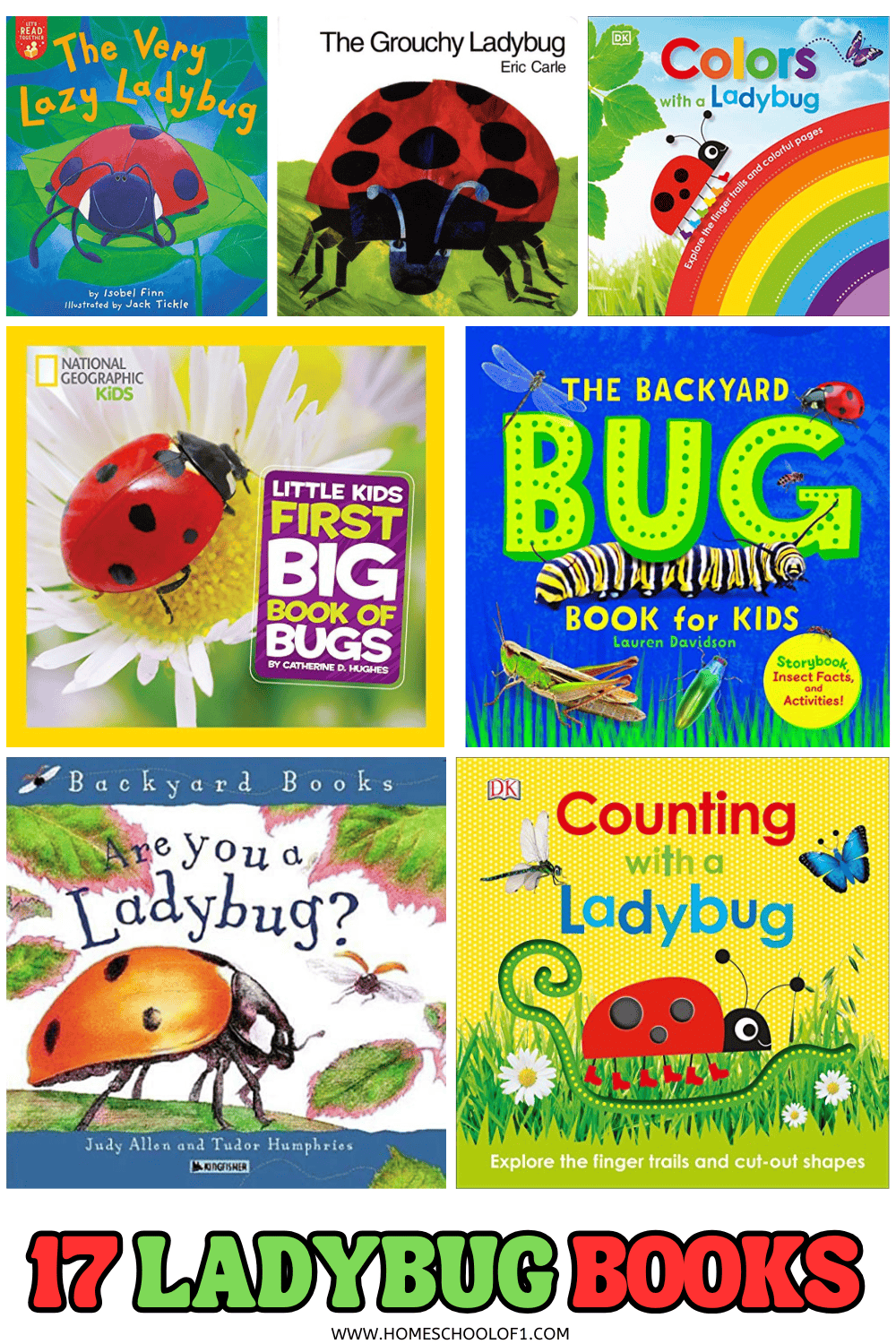
The Very Lazy Ladybug
This one always got a reaction here because the idea of a ladybug refusing to fly is so ridiculous. My son thought it was hilarious that she kept trying to hitch rides instead of doing the obvious thing. It’s short, repetitive in a good way, and works well when you’ve got a wiggly preschooler who won’t sit still for long.
Read More
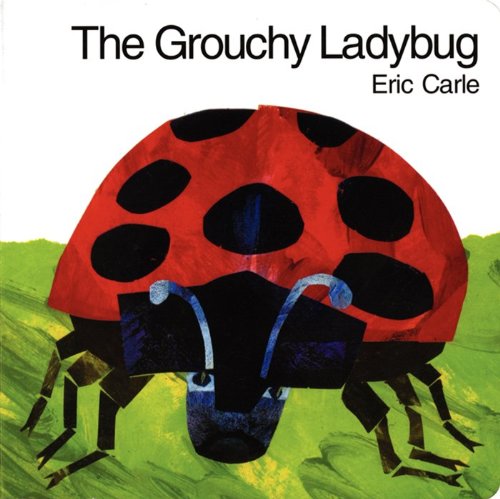
The Grouchy Ladybug
We’ve read this one more times than I can count. He went through a phase of quoting the “want to fight?” line and comparing the sizes of all the animals as the pages turned. It ended up being one of those books that quietly turned into a lesson about behavior without feeling preachy.Related: The Grouchy Ladybug activities
Continue Reading
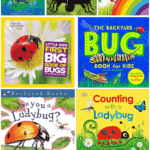
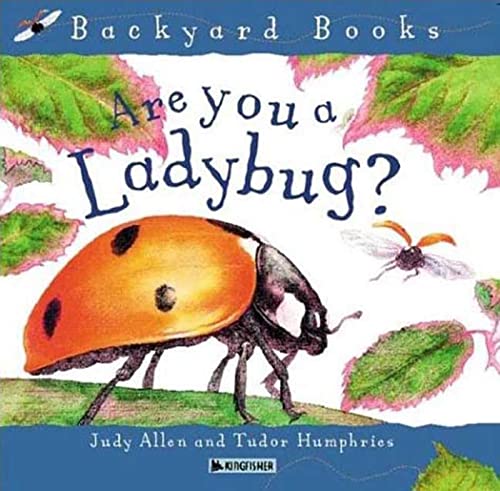
Are You A Ladybug?
This was one of the first nonfiction-style books he actually stayed engaged with. The second-person approach (“you are the ladybug”) seemed to make the life cycle easier to understand, and he liked flipping back to the beginning to see how it all started.
Read More
Colors with a Ladybug
We used this during the stage where everything became a color-spotting game. It’s not a long sit-down story, more something we’d pick up for a quick read and point things out together. The simplicity is actually what makes it work with younger kids.Related: Ladybug activities for preschoolers
Read More
Counting with a Ladybug
This fit naturally into that “count literally everything” phase. Instead of just reading through it, we usually paused on each page and counted out loud together. It’s more of an interactive book than a passive read, which kept him engaged longer than I expected.Related: Ladybug math worksheets
Continue Reading
National Geographic Little Kids First Big Book of Bugs
This one stuck around on our coffee table for weeks because he kept going back to the photos. Even though it covers lots of insects, the ladybug pages were the ones he’d flip to first. It worked well when he was in that stage of asking constant “what does it eat?” and “where does it live?” questions.Related: Free printable ladybug life cycle coloring page.
Continue Reading
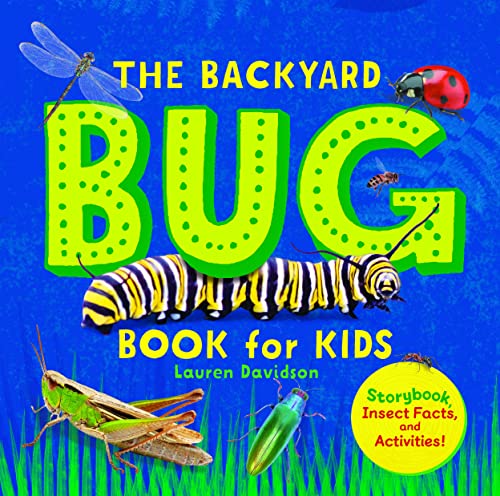
The Backyard Bug Book for Kids
We ended up using this alongside actual time outside. After turning over rocks or spotting something crawling in the grass, we’d try to match what we’d seen with the pictures in the book. It’s more of a browse-together book than something you read straight through.Related: Insect worksheets for preschool
Read More
Some Bugs
This is one of those quick reads that’s useful when attention spans are short. The rhythm and repetition kept him engaged, and it was easy to circle back to it after we’d been outside looking for insects. Good for days when you want something light but still on theme.
Read More
Ladybug Girl Loves…
This one leans more toward imaginative play than bug facts. He liked the idea of a child pretending to be a ladybug and going on everyday adventures. It’s gentle, relatable, and worked well when we were mixing nature topics with regular storytime.
Read More
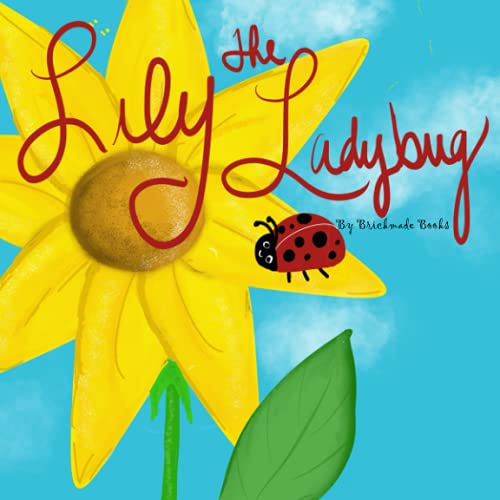
Lily The Ladybug
A quieter story compared to some of the others. We mostly read this at bedtime because the tone is calm and the plot is easy to follow without a lot of excitement or noise. It’s the kind of book that doesn’t demand attention but still holds it.
Read More
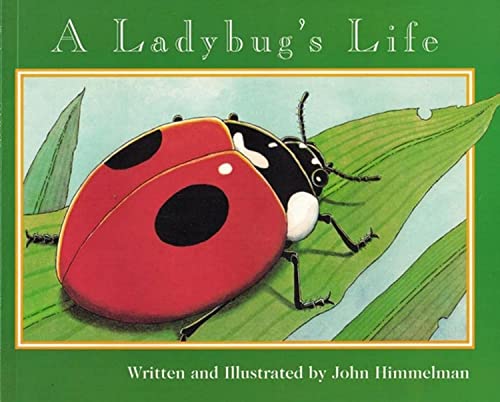
A Ladybug’s Life
This was one of the books we pulled out when the questions started getting more specific. He wanted to know how long ladybugs live and what they actually do all day, not just that they’re “cute bugs.” The photos helped, and we ended up revisiting the life cycle pages more than once.Related: Free printable ladybug life cycle worksheets.
Read More
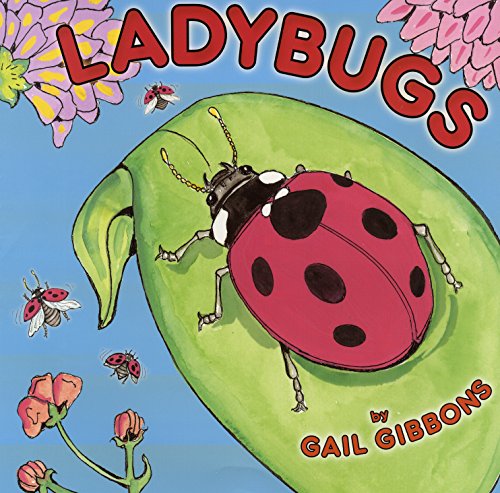
Ladybugs
Gail Gibbons is one of those authors I automatically trust for early nonfiction. This one breaks things down clearly without talking down to kids, and it worked well when we wanted something factual but still easy to sit through in one go. It felt more like a gentle introduction than a textbook.Related: Parts of a ladybug printable.
Read More
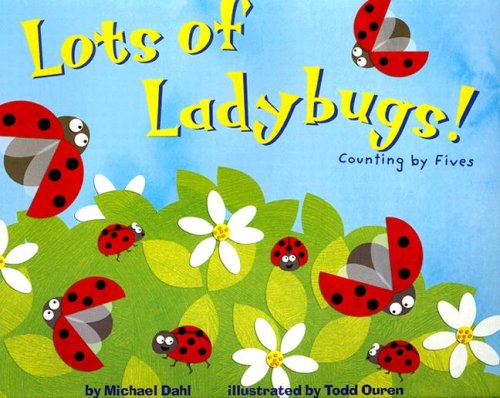
Lots of Ladybugs!
This became more of a counting practice book than a story in our house. The skip counting element was new at the time, so we’d go slowly and work through the numbers together instead of rushing through the pages. It’s a nice bridge between simple counting and slightly more challenging math.
Read More
What If Ladybugs were Alphabets with A-Z Animal Pictures and Names
This one is definitely more of a novelty pick. It’s not really about ladybugs themselves, but the theme was enough to keep his interest while we worked through the alphabet pages. We treated it more like a quick activity book than something we read cover to cover.
Read More
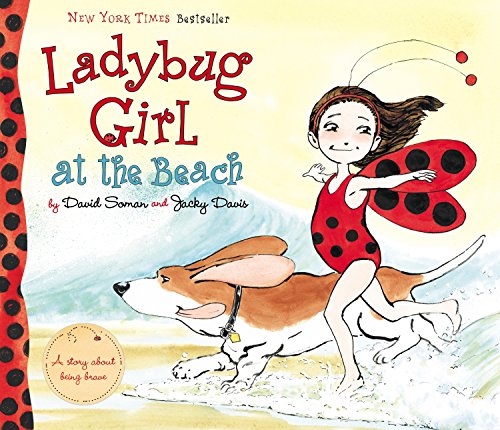
Ladybug Girl at the Beach
We read this during a phase when he liked stories about characters trying something that felt a bit scary at first. The beach setting made it easy to relate to real experiences, and the message about being brave without pretending you’re not nervous landed well.
Read More
Spring Sings for the Grouchy Ladybug
This one felt more like a seasonal follow-up than a standalone favorite. We read it mainly because he already knew the original Grouchy Ladybug story and was curious about seeing the character again. The focus on spring made it a nice option when we were already talking about insects coming back after winter.
Read More
Miraculous: Christmas Rescue!
This isn’t really a nature or science read, but it stayed on our shelf because of the Ladybug connection. If your child already enjoys the Miraculous characters, it’s an easy win for independent reading since the familiarity carries the story. We treated it more as a fun extra than part of our insect learning.Related: Ladybug worksheets for preschool
Read More
Last Updated on 10 February 2026 by Clare Brown