Homeschool Sick Days | How to Keep Learning



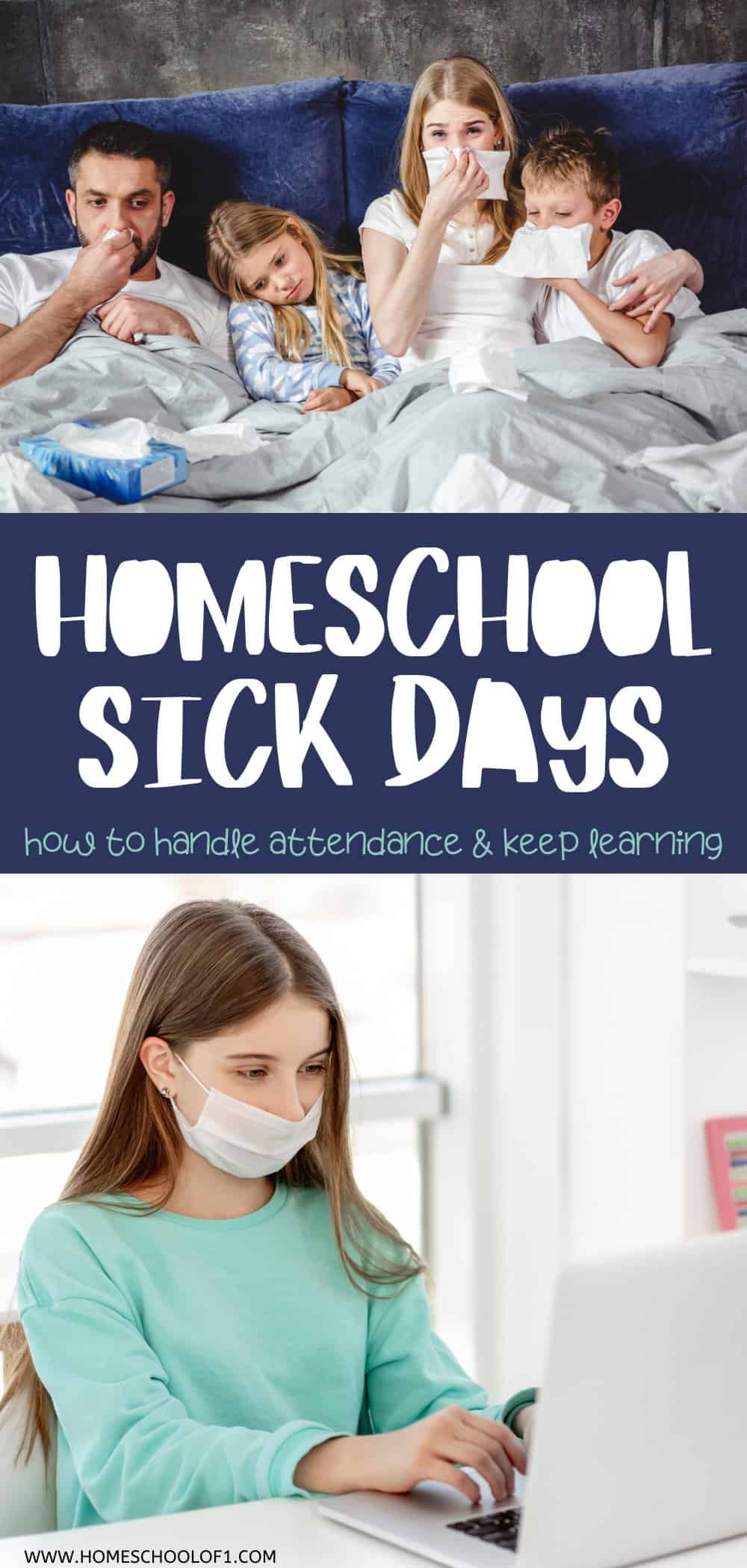
Homeschool sick days look very different from traditional school absences. There’s no calling the office, no scrambling for makeup packets, and no guilt about missing a perfect attendance award. But that doesn’t mean they’re simple.
Over the years, we’ve had everything from quick 24-hour bugs to the kind of lingering colds that make everyone tired for a week. When my son was younger, a sick day usually meant books on the couch and audiobooks under a blanket. In high school, it meant figuring out what truly needed to be done and what could wait.
If you’re wondering how homeschool sick days count, what to record, or whether you’re falling behind, this is how I’ve handled it, practically and without turning recovery time into a battle.
**This post may contain affiliate links. As an Amazon Associate and a participant in other affiliate programs, I earn a commission on qualifying purchases.**
Do Homeschool Sick Days Affect Attendance?
One of the practical questions that comes up quickly is this: if we take a week off for illness, are we suddenly behind on our required days?
Every state handles homeschool attendance a little differently. Some require a set number of instructional days, others focus on hours. When we moved states, I made sure I understood what was actually required instead of relying on general homeschool advice.
Personally, I don’t panic over a single sick day. I build extra days into our yearly plan from the start. But if we’ve had a rough stretch, like when we lost nearly a week to the flu, I’ll quickly check where we stand using my attendance percentage calculator. It gives me a clear picture of how many days we’ve completed and how much flexibility we still have left.
That quick check removes the emotion. Instead of guessing or stressing, I can see the numbers and adjust calmly if needed.
Most states allow flexibility in what counts as an instructional day. Reading, documentaries, audiobooks, even thoughtful discussions can count. It doesn’t have to look like a full six-hour traditional school day to be valid learning.
If you’re unsure about your own requirements, always check your state department of education directly. That’s far more reliable than broad homeschool summaries.
Managing Sick Days Without Falling Behind
The biggest fear with homeschool sick days isn’t usually the illness, it’s the feeling of getting behind.
I stopped thinking in terms of “behind” years ago. At home, we control the calendar. If we lose three days to a stomach bug, we adjust. Nothing catastrophic happens.
At the start of every school year, I build in extra days on purpose. We rarely need all of them, but knowing they’re there keeps me from overreacting when someone wakes up with a fever.
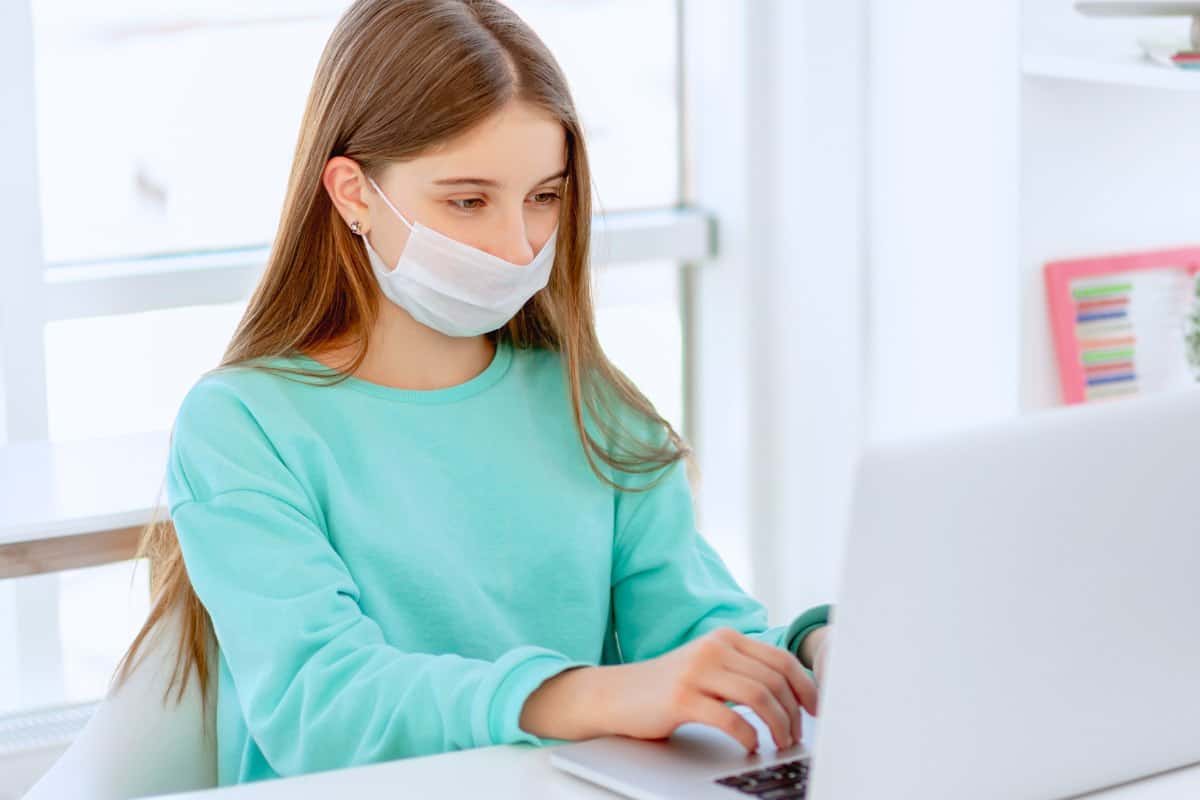
When my son was younger, sick days meant read-alouds on the couch, documentaries, or an audiobook while he rested. If he felt up to it, we might do a single math lesson and call it done. That still counted.
In high school, it looked different. We focused on whatever truly needed momentum, usually math or writing, and paused everything else. Core subjects moved forward. The extras waited.
I don’t schedule dramatic “catch-up weeks.” Instead, I quietly fold missed work into lighter days later on. A review day becomes a completion day. A flexible Friday absorbs what didn’t get done earlier.
The key has been this: recovery first, academics second. A sick child doesn’t learn well anyway. Once they feel better, progress comes quickly.
Sick Days, Records, and Staying Compliant
I’ll be honest, I used to overthink the legal side of this.
When we first started homeschooling, I worried about whether a sick day “counted” and what would happen if someone ever asked to see our records. Over time, I realized the key is simple documentation, not perfection.
I keep a basic attendance log. If my son is sick and we truly take the day off, I mark it. If he listens to an audiobook, reads independently, or works through a short lesson from the couch, I count it as an instructional day. Most states allow that kind of flexibility.
If we’ve ever had a longer stretch of illness, I’ve checked our state requirements directly to make sure we’re still on track. That’s always been clearer and more reassuring than relying on generalized homeschool advice.
As for curriculum, this is where flexibility really matters. Programs that allow you to pause and pick back up without penalty make sick weeks much less stressful, especially in high school, when pacing feels more important.
The goal isn’t to create courtroom-ready records. It’s to stay organized enough that, if you were ever asked, you could show consistent learning.
What I’ve Learned About Homeschool Sick Days
After years of homeschooling, here’s what I know:
No one falls permanently behind because of a few homeschool sick days.
We’ve lost days. We’ve lost weeks. We’ve adjusted, regrouped, and kept moving.
One of the biggest advantages of homeschooling is that recovery doesn’t come with punishment. There’s no stack of makeup packets waiting. There’s no attendance office. There’s just flexibility.
If a sick day turns into a reading day, it counts.
If it turns into a full rest day, that’s fine too.
Health first. Momentum later.
That mindset has made every sick season easier.
Last Updated on 3 March 2026 by Clare Brown
