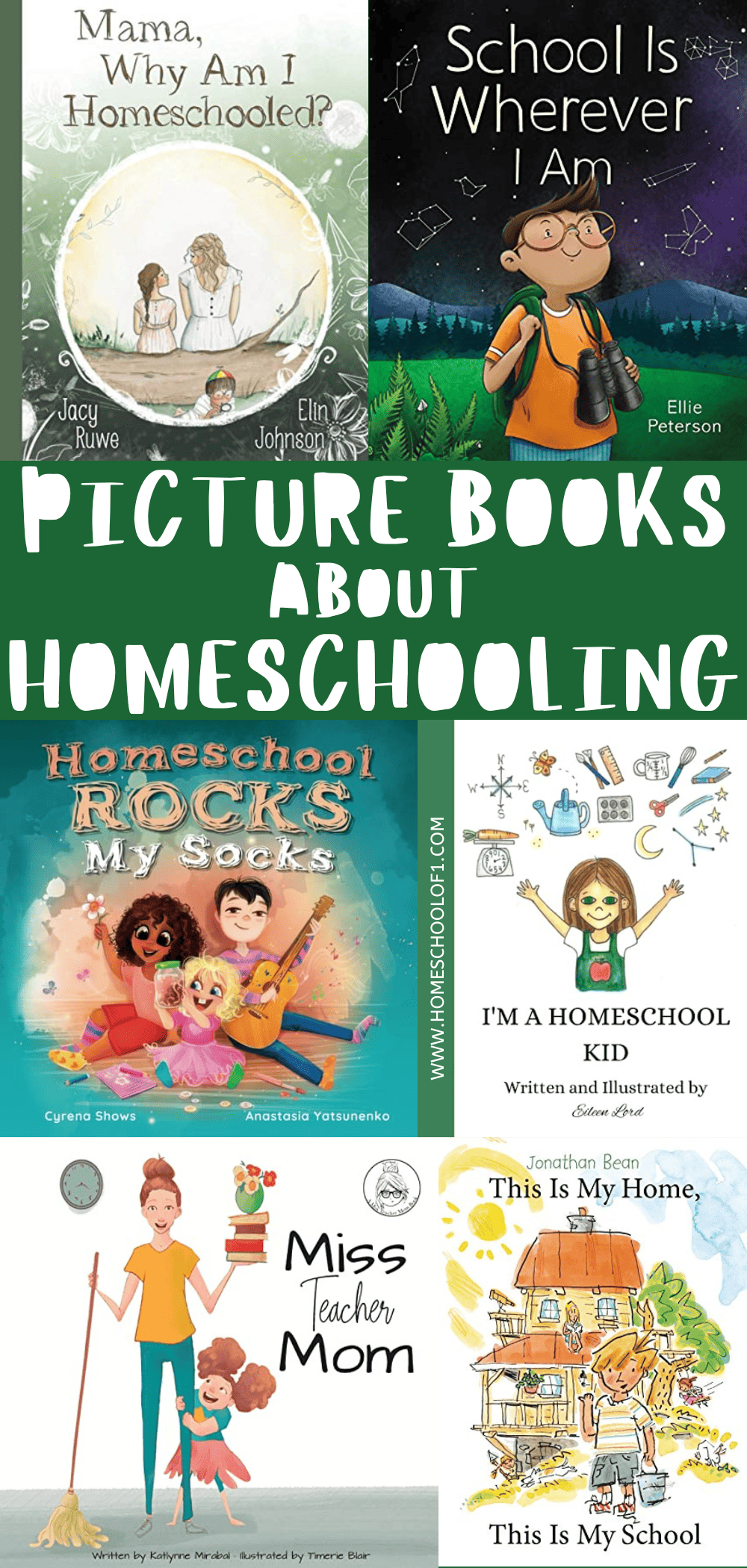
Picture books about homeschooling mattered more to us than I expected when my son was younger.
Not because they explained how homeschooling works, but because they showed kids who learned at home in a way that felt normal and familiar.
These stories helped reinforce that learning didn’t have to look like school, and that curiosity, routine, and exploration could all exist in the same day.
**This post may contain affiliate links. As an Amazon Associate and a participant in other affiliate programs, I earn a commission on qualifying purchases.**
Picture Books That Reflect Homeschool Life
These are picture books that show what learning at home can look like through everyday routines, family life, and curiosity-driven days.
I Am Learning All the Time
This one mirrors what learning at home often looks like in real life, bits of reading, noticing, and asking questions woven through an ordinary day. It’s not trying to explain homeschooling so much as show it, which makes it reassuring for younger kids who don’t think of their day as “school” at all. This worked well as a quiet read-aloud rather than a sit-and-listen story.
This book leans into the idea that learning doesn’t stop when you leave the table. The pages move through different places and activities, which made it easy to pause and let a child point out similar moments from their own day. It’s especially useful for kids who are still comparing their experience to friends who go to school and need that visual reminder that learning can happen anywhere.
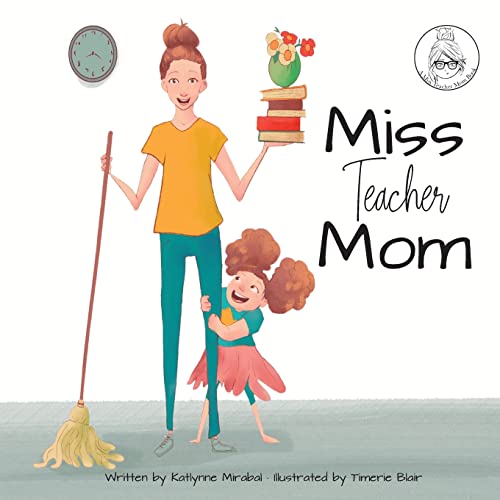
This one acknowledges the overlap between parent and teacher without pretending it’s always simple. It landed best during phases when homeschooling felt new or a bit uncertain, because it normalises that mix of roles in a gentle way. It’s not overly instructional, more of a reassurance that learning and parenting can coexist, even when they blur together.
This is a good fit for kids who are naturally curious and constantly asking questions. The story follows learning as it pops up in everyday places, which makes it easy for children to recognise their own experiences on the page. It’s a nice option if you want a book that reinforces the idea that school doesn’t have to look or feel like a classroom.
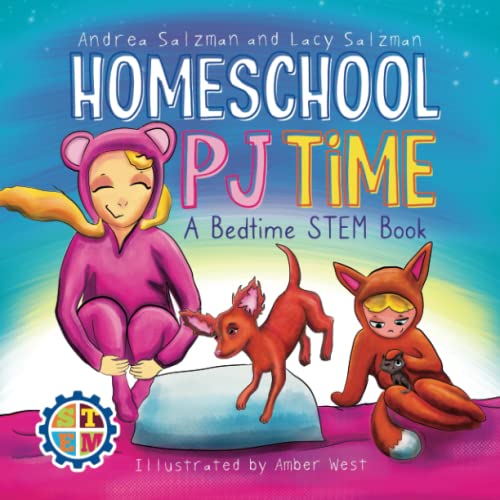
This one stood out because it frames learning as something that can happen late in the day, when things slow down. It’s a cozy choice for bedtime, especially for kids who do some of their best thinking when they’re relaxed. Rather than pushing a schedule, it quietly shows that curiosity doesn’t run on a clock.
This book works well for building confidence, especially for children who get questions about homeschooling from others. It presents homeschooling as something to feel comfortable talking about, without turning it into a debate or explanation. We found it most useful during phases when outside comments or comparisons started creeping in.
This one has a lot of energy and humour, which makes it an easier sell for kids who prefer lively, rhythmic stories. It leans playful rather than reflective, but that’s part of its appeal, it shows homeschooling as something fun and flexible without overexplaining it. A good pick if you’re looking for something upbeat that doesn’t feel heavy or preachy.
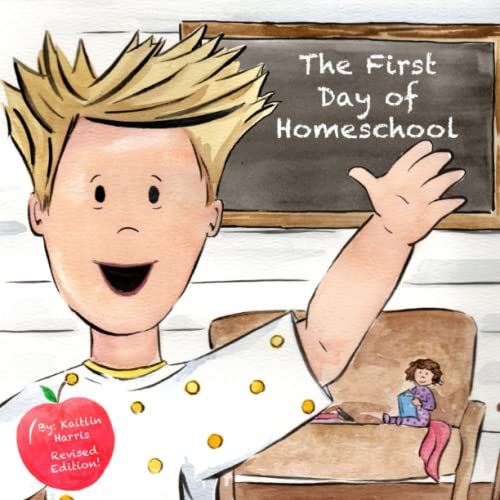
This one is especially useful at the very beginning, when everything still feels new. It captures that mix of excitement and uncertainty that comes with starting homeschool, without making it dramatic. We found it helpful as a way to open conversations about what a homeschool day might actually look like, especially for kids who are used to more traditional first-day stories.Check out even more fun first day of homeschool activities.
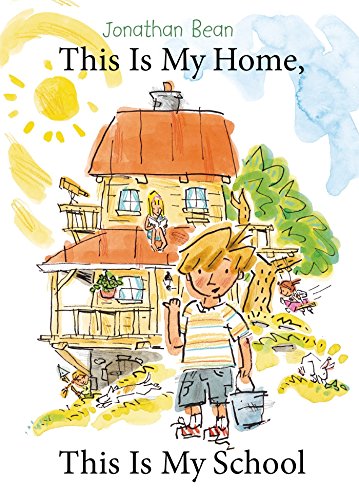
This book quietly shows how home and learning blend together over the course of a day. There’s no big explanation of homeschooling — just small moments that feel familiar if you live this way. It works well for kids who don’t think of themselves as “doing school” so much as living their day, and it often sparks little comments like “we do that too.”
This one comes into its own when children start asking questions about why their learning looks different. The conversation-style format makes it easy to read together and pause when something connects. It doesn’t try to convince or justify, which is what makes it useful, it simply gives language to thoughts many kids already have.
This book leans into enthusiasm and movement, making it a good fit for kids who like high-energy stories. It highlights flexibility and creativity without slowing down to explain them, which keeps it feeling fun rather than instructional. We reached for this one on days when learning needed to feel lighter and less structured.
Clare Brown is the founder of Homeschool of 1. She creates free printables and interactive learning tools for kids, helping parents and teachers generate activities instantly with no prep. Her work has been featured in Parade, HuffPost, Business Insider, Motherly, AOL, and Yahoo. Read more.