
Random Animal Generator for Kids

I’ve found that sometimes the hardest part of any activity with kids is just deciding where to start. You sit down ready to do something “educational,” and suddenly no one knows what to pick.
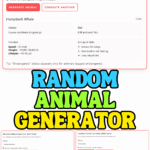
This random animal generator takes that pressure away. Instead of overthinking it, you click once and get an animal with real, usable information, habitat, diet, and a few facts to build from.
Some days that turns into a quick drawing or writing prompt. Other days it’s just a short curiosity break. Either way, it gives you a starting point without needing a full plan.
Random Animal Generator (With Facts)
Pick a category, then generate an animal with quick kid-friendly facts.
How To Use This Random Animal Generator With Kids
Most of the time, we don’t need another full lesson. We just need something to kick things off.
When we use this, I usually start by generating one animal and having it read aloud. Habitat, diet, quick facts. That alone sparks questions. If it’s a younger child, I’ll have them draw it and label three things they remember.
With older kids, I’ll ask them to look up one extra detail we didn’t include, maybe the continent it lives on or whether it’s a mammal, reptile, or bird.
Sometimes we generate two and compare them. Which one lives longer? Which one weighs more? Could either survive somewhere cold? Those quick comparisons turn into real thinking without it feeling like a worksheet.
It also works well for writing. I’ve had kids write from the animal’s point of view or figure out how two completely different species might end up in the same place. That’s usually where the creativity kicks in.
And honestly, some days we just press generate, read the facts, and move on. Not every activity needs to stretch into a project. Having a clear starting point is often enough.
Why Use a Random Animal Name Generator for Learning?
One unexpected benefit of using an animal generator tool is how quickly it removes the “what should we do?” debate. Instead of circling around ideas, you click once and you’re off.
The surprise element helps. When the animal isn’t something they would normally choose, curiosity tends to kick in. I’ve seen far more interest in unusual species like an addax or a caiman than in the typical lion-or-tiger picks. The unfamiliar ones spark better questions.
It also scales easily by age. Younger kids focus on vocabulary and basic observation. Older students can go deeper into classification, habitats, ecosystems, conservation status, or even scientific names. Because the information is already structured, habitat, diet, key traits, it gives them something solid to build on.
What I like most is the flexibility. It can fill five spare minutes, anchor a short research task, support geography mapping, or turn into a creative writing exercise. The starting point is random, but what you do with it doesn’t have to be.
What Animals Are Included in the Generator?
The database goes well beyond the usual lion-and-elephant lineup. It covers zoo species, ocean life, farm animals, and a rotating group of endangered wildlife so kids aren’t seeing the same predictable picks every time.
There’s a mix of large mammals like giraffes and rhinos, smaller species such as chipmunks and otters, marine animals ranging from dolphins to deep-sea creatures, and familiar farm animals that are still useful for studying habitats and adaptations. The endangered filter makes it easy to surface species with real conservation concerns, which helps connect lessons to biodiversity and wildlife protection.
Each entry includes habitat, diet, and key traits, along with optional stats like speed, weight, and lifespan. That structure supports quick exploration but also works well for classification practice, ecosystem comparisons, or short research tasks.
A wider mix means kids are more likely to come across something they’ve never studied before. The more diverse the species list, the more likely a child is to encounter something unexpected, and that’s usually where stronger questions begin.
Frequently Asked Questions
Click generate and the tool selects a species from the category you’ve chosen. Selecting “All” pulls from the full database. Choosing zoo, ocean, farm, or endangered filters the list first, then randomly selects from that group.
Yes. The endangered filter limits results to species tagged with a conservation status. When available, it notes whether the animal is vulnerable, endangered, or critically endangered.
Each entry includes age-appropriate information about habitat, diet, and key traits. The content is simplified for elementary and middle school learners and works well as a starting point before diving into books or trusted wildlife references.
Yes. It works for bell ringers, science warm-ups, writing prompts, early finisher tasks, and short research assignments. The structured format makes it easy to build compare-and-contrast activities or mini reports.
Yes. The database covers zoo animals, marine life, farm animals, and species with conservation status. Some may appear in more than one category if they fit multiple groups.
There are over 120 species included, spanning multiple habitats and classifications to reduce repetition and increase exposure to biodiversity.
More Animal Activities and Printables to Explore
When we’ve used this and the interest is still there, this is usually what we move on to next.
- Animal coloring bookmarks – A quiet, creative follow-up that gives kids something practical to use once they’re finished.
- Animal color by number – Reinforces number recognition and fine motor skills while keeping the wildlife theme going.
- Intelligent animals worksheets – Explores problem-solving, behavior, and how certain species adapt in surprising ways.
- Farm animal coloring pages – A natural extension if you’ve been using the farm filter and want to stay focused on domesticated animals.
- Alphabet animals coloring pages – Connects early literacy with familiar creatures for preschool and early elementary learners.
- Animal I spy worksheets – Encourages close observation and attention to detail.
- Habitat coloring sheets – Helps kids visualize ecosystems and compare where different species live.
- Farm scavenger hunt – Adds movement and works well for younger learners or small group activities.
