Free Chicken Life Cycle Coloring Page


The chicken life cycle coloring page became one of those quiet wins in our farm unit.
At first, the stages felt simple enough, egg, chick, chicken, but once we slowed down and actually colored each step in order, it helped everything click.
Seeing how a tiny fertilized egg turns into a fluffy hatchling, and then into a full-grown hen or rooster, made the process feel real instead of just something to memorize.
This life cycle printable keeps it straightforward. Kids can color each stage while talking through what’s happening and how long it takes (about 21 days for a chick to hatch, which always surprises them). It’s simple enough for younger learners but still detailed enough to spark good questions.
**This post may contain affiliate links. As an Amazon Associate and a participant in other affiliate programs, I earn a commission on qualifying purchases.**
What’s on the Chicken Life Cycle Coloring Page?
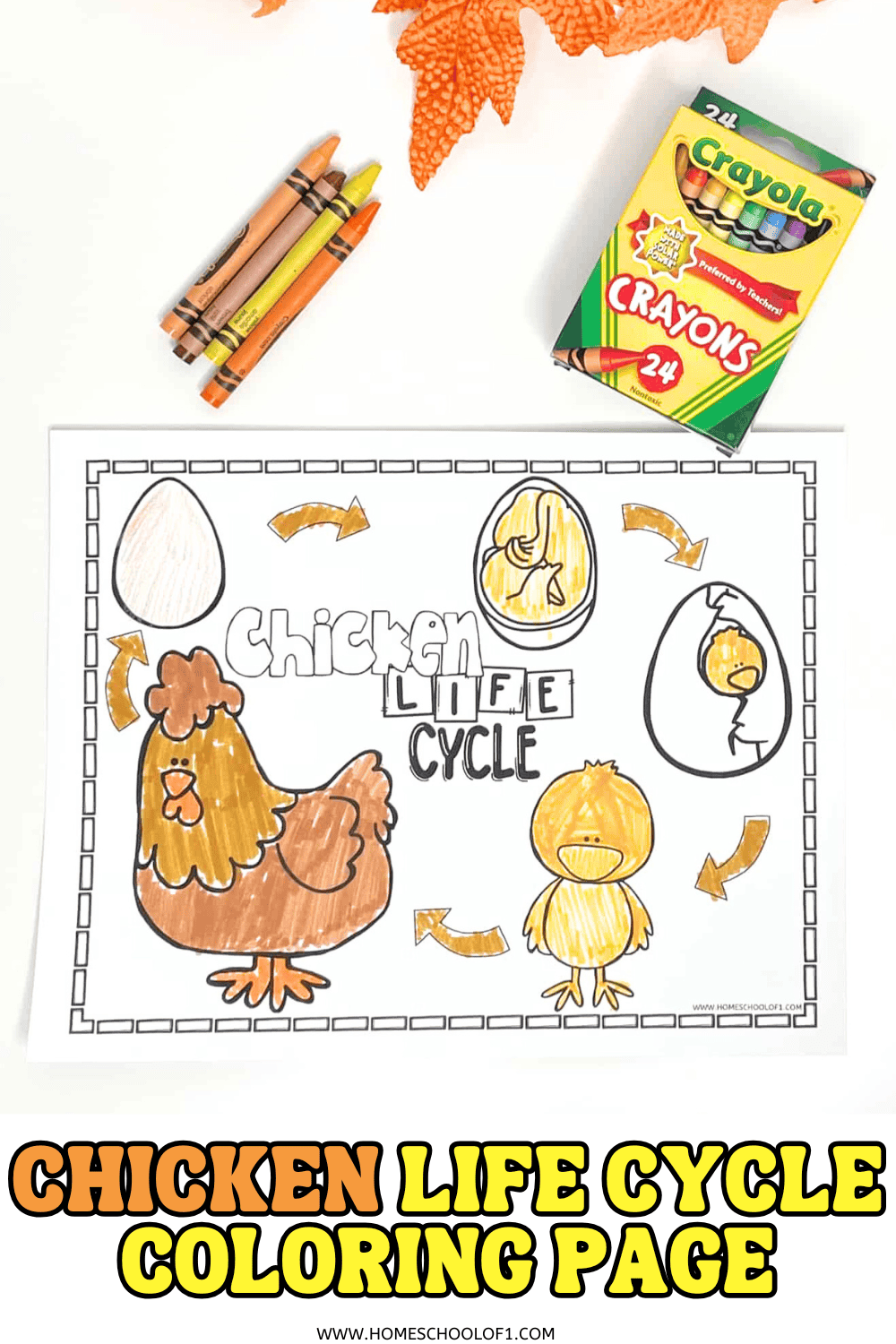
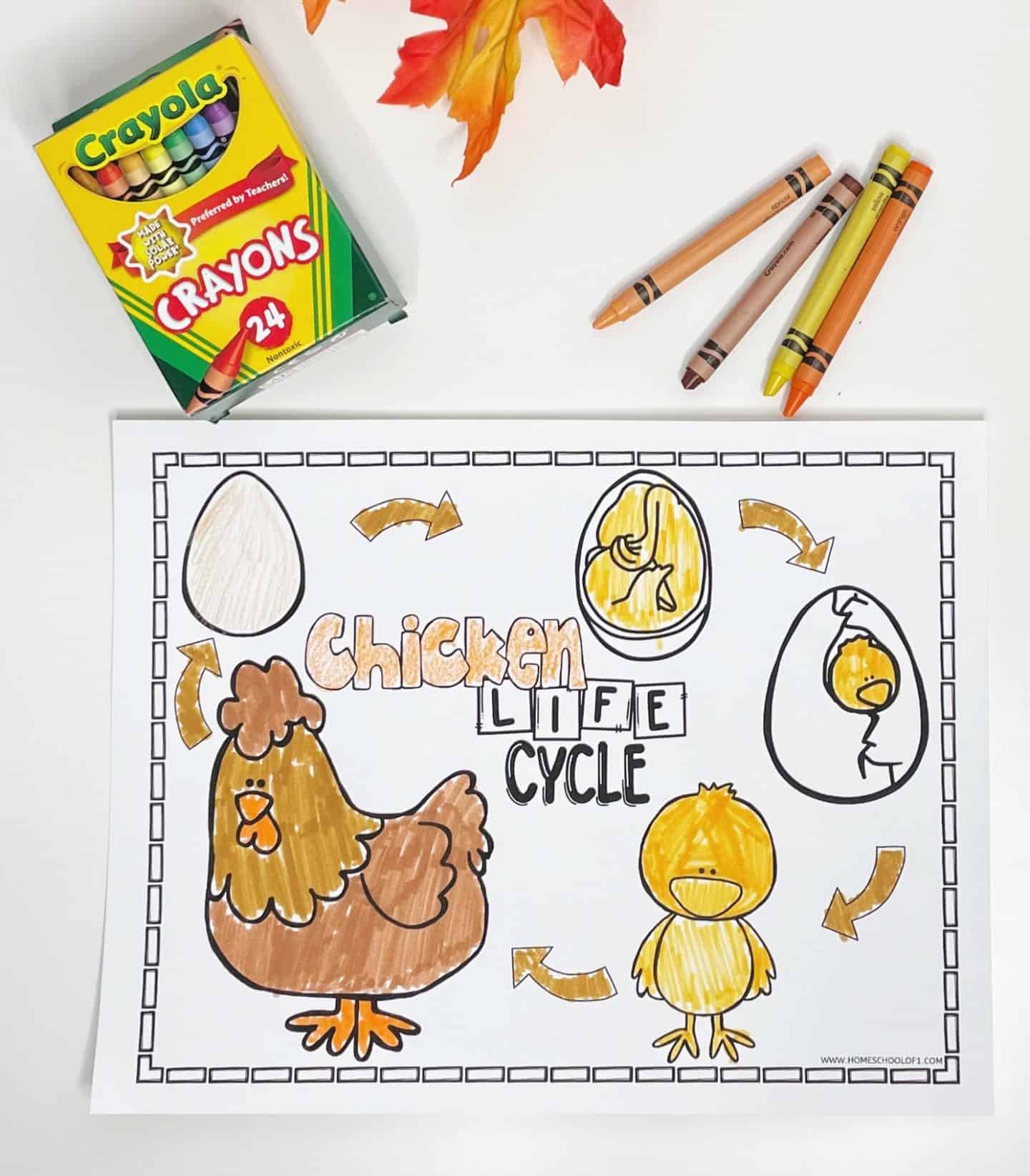
This printable includes a single black-and-white page showing the full life cycle from egg to adult chicken. Each stage is clearly illustrated in sequence so kids can see how the process unfolds.
The stages included are:
- Egg
- Developing embryo
- Hatchling
- Chick
- Adult chicken
There’s space to color each stage, and depending on your child’s level, you can either discuss the stages together or have them label each one independently.
It’s simple enough for preschoolers to enjoy but detailed enough to use with early elementary students during a farm or life cycle unit.
How Does a Chicken Grow?
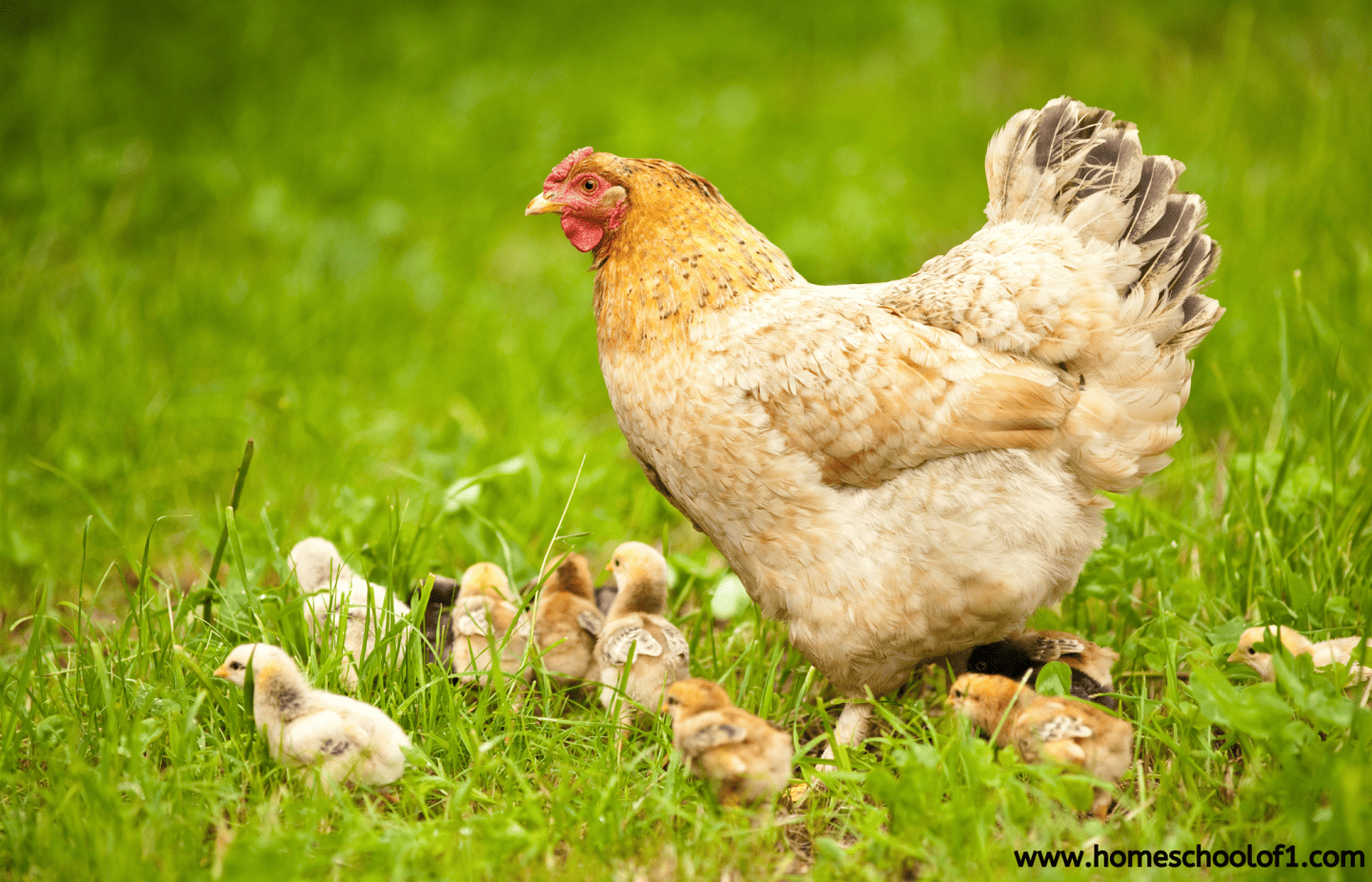
A chicken’s life cycle starts long before we ever see a fluffy chick. Inside a fertilized egg, the embryo develops over about 21 days, using the yolk for nutrition as it grows stronger.
When it’s ready, the chick uses a small egg tooth to crack through the shell, a process called “pipping.” That moment alone usually fascinates kids.
Once hatched, the chick stays close to its mother (or under a heat lamp if it’s in a brooder), relying on warmth while its soft down eventually gives way to real feathers. Over the next several weeks, it grows quickly, becoming more independent and learning to peck, scratch, and explore.
As it matures, the young chicken enters the juvenile stage. Hens will eventually begin laying eggs of their own, while roosters develop larger combs and brighter feathers, and the life cycle begins again.
How to Use the Life Cycle of a Chicken Coloring Page
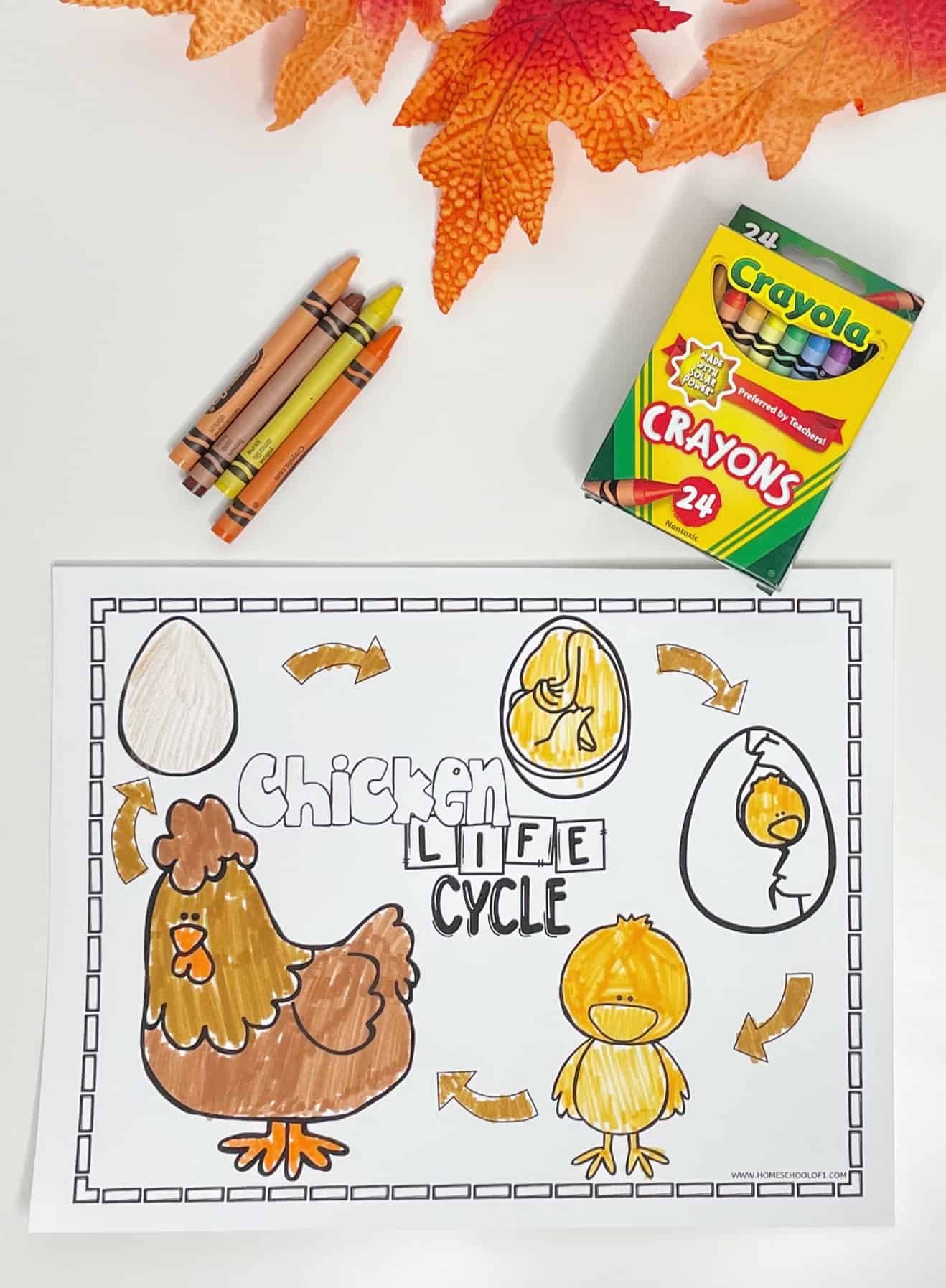
I like to use this page at the beginning of a farm or life cycle unit rather than at the end. Coloring while we talk through the stages keeps the lesson relaxed and helps the sequence stick.
Before starting, we look at the full page and name each stage together, egg, embryo, hatchling, chick, and adult chicken. If your child is younger, just talking through the pictures is enough. Older kids can label each stage themselves.
It works well as a 15–20 minute activity and pairs nicely with a short nonfiction book or a quick video of chicks hatching. The goal isn’t perfect coloring, it’s slowing down and noticing how one stage leads to the next.
More Hands-On Chicken Life Cycle Activities
If your child enjoys the coloring page, there are a few simple ways to build on it without turning it into a big production.
One easy extension is storytelling. After coloring, ask them to tell the story of the chick from inside the egg to adulthood. It’s a simple way to check understanding without a worksheet.
You can also compare it to another animal life cycle. Butterflies are a good contrast because their metamorphosis is much more dramatic. Talking through what’s similar, and what’s different, helps kids see patterns across species.
For a small math connection, count the 21 days it takes for a chick to hatch and mark them on a calendar. Younger kids are often surprised that it doesn’t happen overnight.
And if you have empty egg cartons, turning them into little chick crafts is an easy, low-prep follow-up that keeps the theme going without adding another printable.
If you’re visiting a farm, bring along a farm scavenger hunt to make it more focused. Farm animal coloring pages are an easy follow-up once you’re back home.
Books About the Chicken Life Cycle
When we’ve used this printable, I’ve found it helps to read something first so the stages aren’t just pictures on a page.
- All Things Chickens for Kids works well if your child likes real photos. The close-up images of eggs and chicks make the 21-day incubation period easier to understand, especially when they’re trying to picture what’s happening inside the shell.
- For younger kids, How Does an Egg Hatch? is a gentle introduction. The familiar Eric Carle style keeps it light, but it still shows the development inside the egg in a way that’s easy to follow before they start coloring.
- If your child is beginning to read independently, Chicks! is simple and repetitive enough that they can work through parts of it on their own. It’s not heavy on science, but it reinforces the sequence from hatchling to growing chicken.
The Life Cycles book works well alongside this printable because it includes clear diagrams of the embryo inside the egg. That visual makes a big difference when kids are trying to picture what they can’t see.
Even reading just a few pages before pulling out the coloring sheet makes the activity feel more connected and less like a standalone worksheet.
More Printable Activities About Chickens
If you’re building a full farm unit, a few of these pair naturally with the coloring page.
The life cycle of a chicken worksheet goes a little deeper, especially if you want kids labeling or sequencing the stages instead of just coloring them.
The parts of a chicken printable works well once they understand growth. It shifts the focus from how a chicken develops to what each part does.
For younger kids, the chicken worksheets for preschoolers keep things simple and visual without too much writing.
If you want something more creative, the handprint chicken craft and paper plate chicken craft are easy follow-ups that don’t require much prep. And the hatching chick spring craft fits nicely if you’re covering this topic around Easter or springtime.
You don’t need to use them all, even adding one extension makes the lesson feel more complete.
Get Every Life Cycle Worksheet in One Bundle
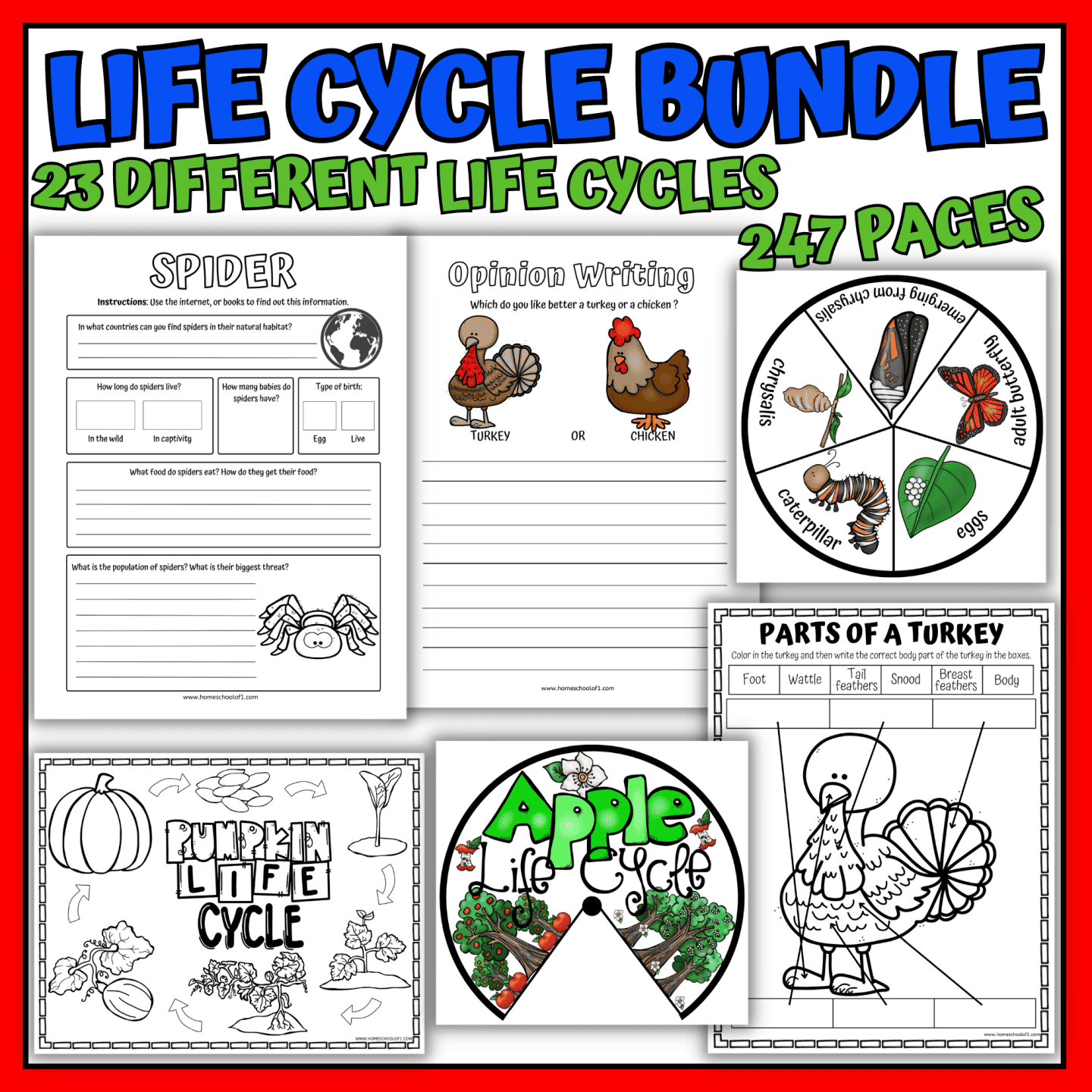
Save time with 23 printable life cycle units covering animals, plants, and nature. Perfect for homeschool, classrooms, and science centers.
Get Your Free Chicken Coloring Page Here!
If you’re short on time, grab our Life Cycle Worksheet Bundle for easy, ready-to-use learning. With 247 pages covering 23 different life cycles, it’s a comprehensive resource for interactive lessons.
Ready to grab your free printable? Just pop your name and email into the form below, and it’s all yours!
Tip: Use a personal email address (like Gmail), school or work emails sometimes filter printable links.

If you don’t see the form below, click here to get the free PDF.
Last Updated on 2 March 2026 by Clare Brown
