
Guessing Games for Kids (Easy Ideas for Home or Classroom)

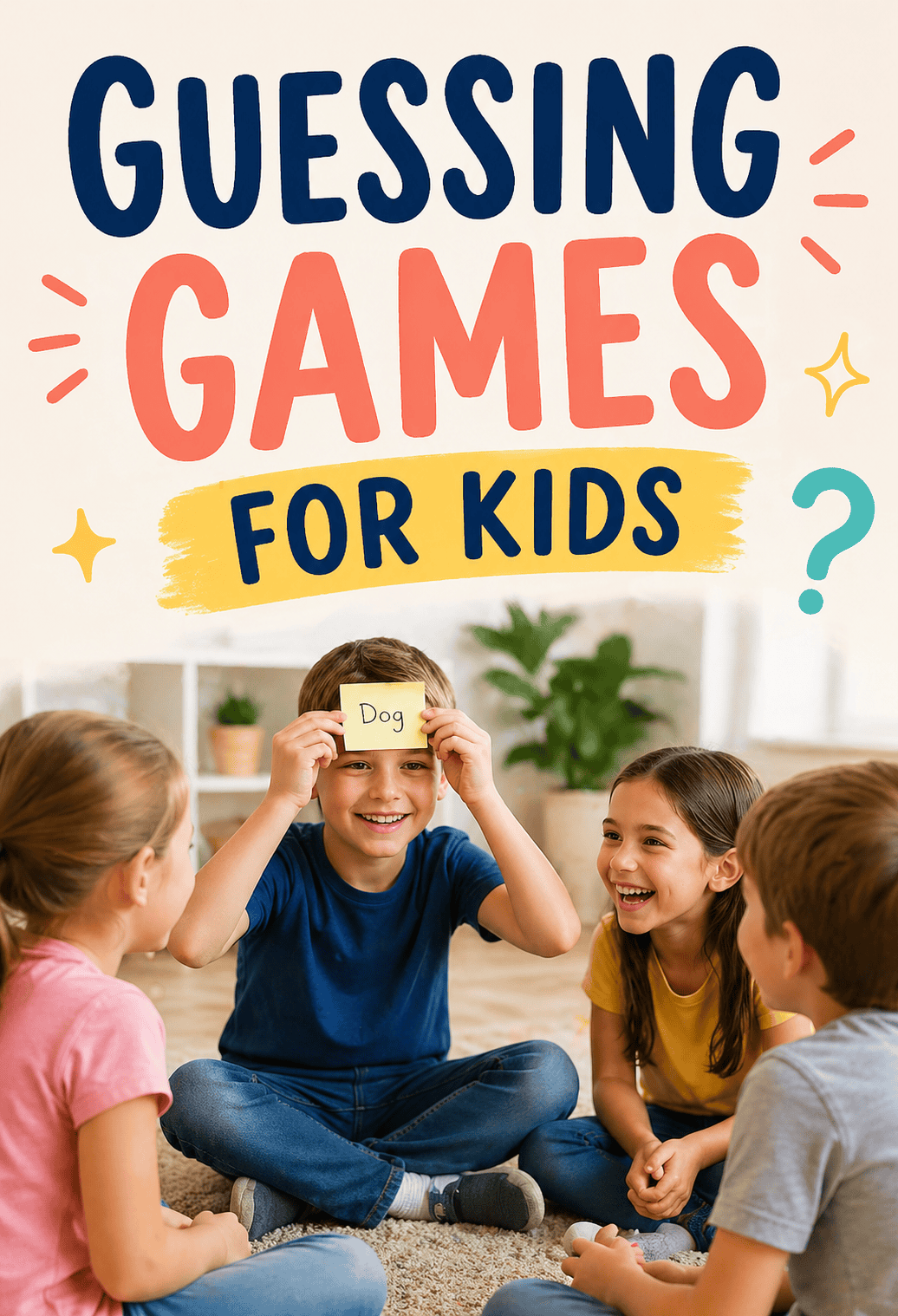
Guessing games for kids are one of the easiest ways to get everyone involved without needing to set anything up first.
They’re the kind of thing I go back to when I need something quick that actually works, whether that’s filling a few minutes or getting a group to settle into something.
Most of the time, once you start a round, it carries on longer than you expect.
Types of Guessing Games for Kids
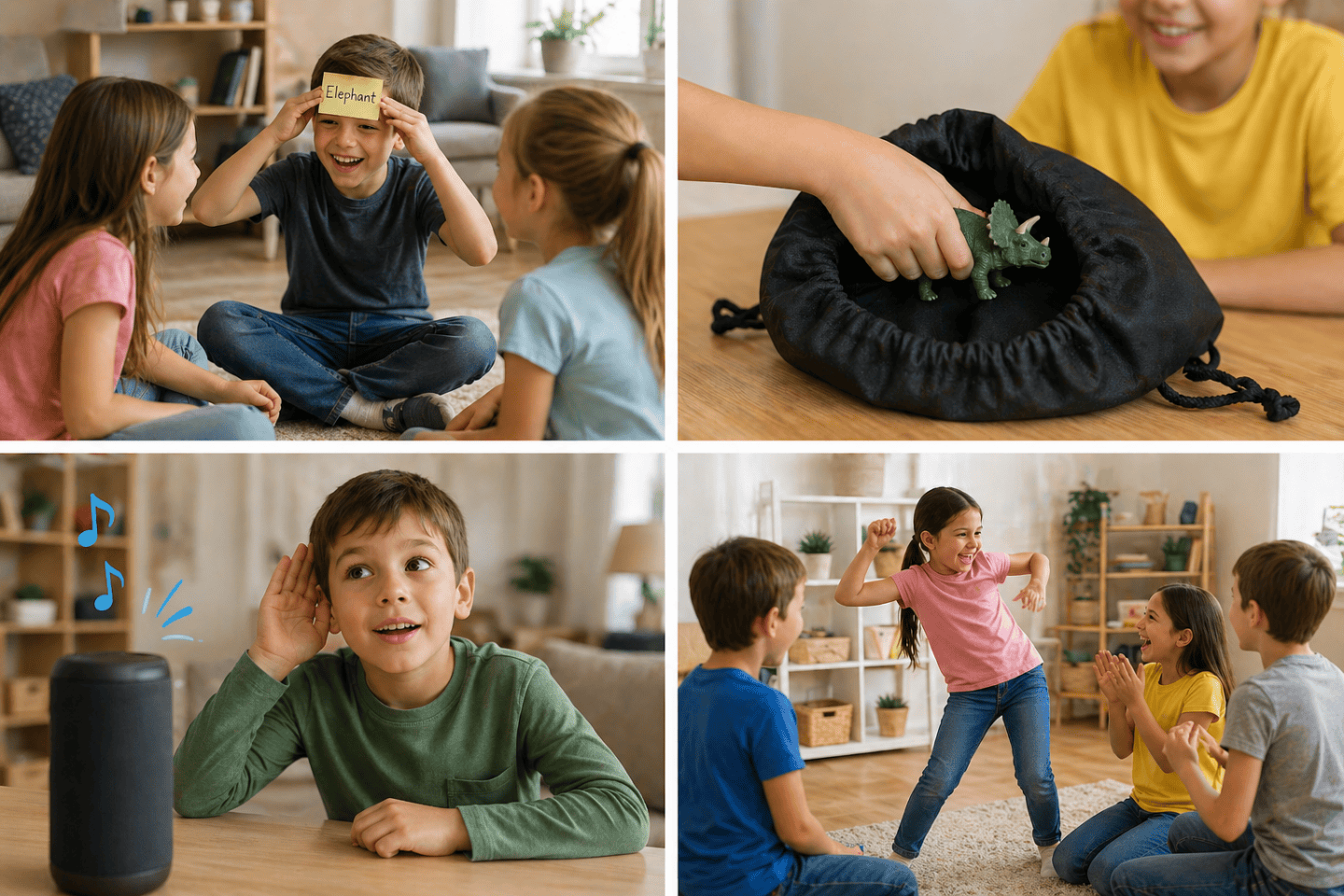
Most guessing games are basically the same idea, you give a clue and everyone else tries to figure it out, but they feel completely different once you start playing.
Animal games
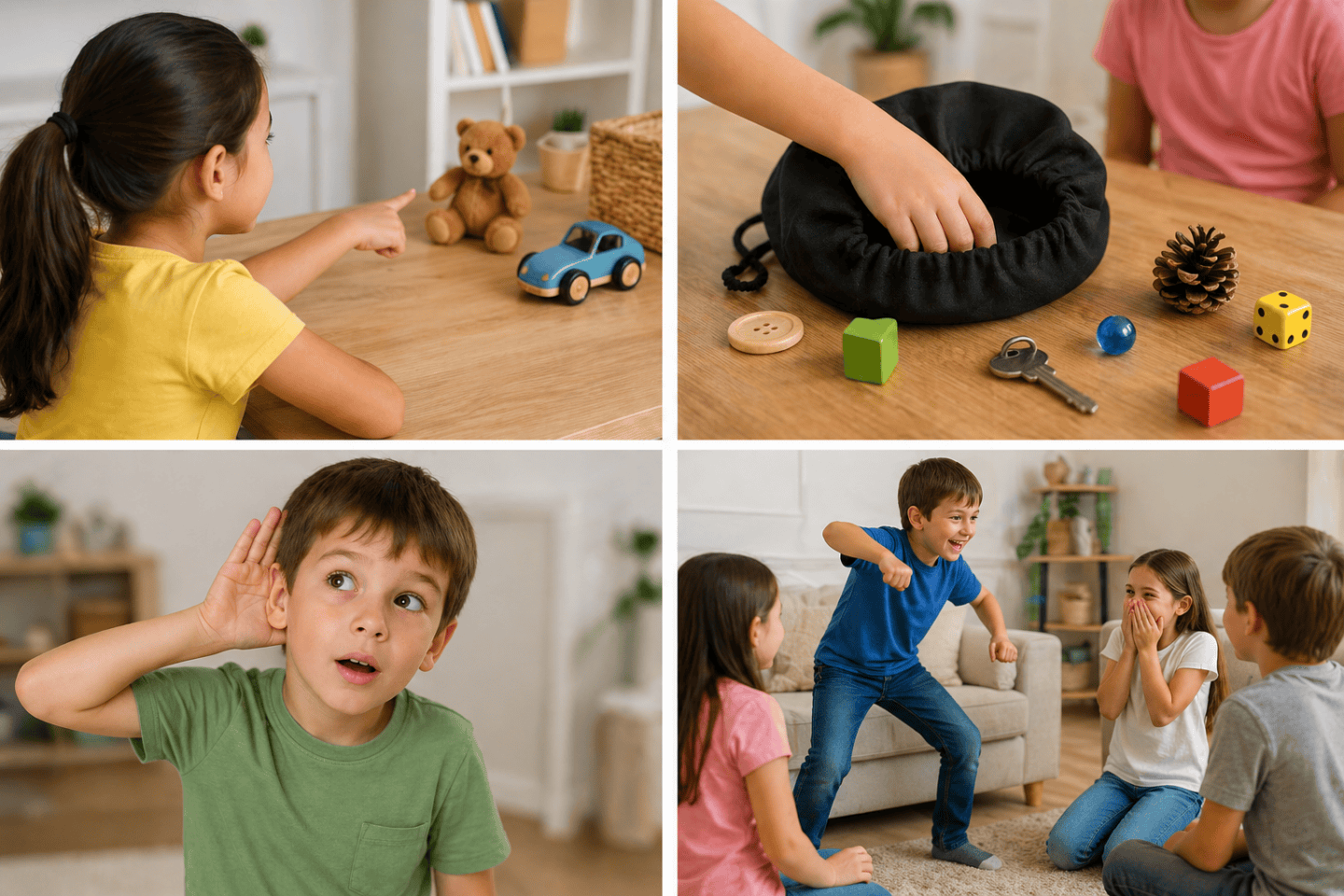
Most kids already know enough about animals that you don’t need to set this up much. A couple of clues, or even just acting it out, is usually enough to get everyone involved. It’s easy to keep it simple, but you can make it more interesting by picking less obvious animals or cutting back on how much you say.
Word and riddle games
These tend to work better when you want things a bit more settled. Instead of jumping around or guessing quickly, it becomes more about listening and piecing the clues together. Some kids get into it straight away, others take a few rounds before they start thinking about their guesses properly.
Mystery and object guessing games
Having something hidden changes the way kids play almost immediately. Instead of guessing randomly, they start paying more attention to what’s being said because they want to figure it out. It’s one of the easier ways to keep a group focused without having to do much yourself.
Charades and acting games
As soon as someone really goes for it with acting, everything shifts a bit. The guesses get louder, people start laughing more, and it naturally pulls everyone in. It’s a good option when you don’t want something too structured and just need the group to loosen up.
Easy Guessing Games to Try
These are the ones I tend to use most because they’re quick to start and don’t need much explaining. If you’d rather not come up with anything at all, having a few simple random games to try makes it much easier to just get started.
I Spy
This is one of the easiest guessing games to set up. Pick something in the room and give a simple clue, like color or shape, and let everyone guess.
It works well with younger kids, especially if you keep the clues obvious to start with.
If you want to make it a bit easier or use it in the classroom, these I Spy printables are useful to have ready.
20 Questions
Think of a person, place, or object, and let everyone ask yes-or-no questions to figure it out.
This one works better with slightly older kids, as they start to think more about the questions they’re asking.
What am I?
Give a few clues about something without saying what it is. For example, “I’m yellow,” “I’m a fruit,” “I grow on trees.”
You can keep it simple or make it more challenging depending on the group.
Guess the animal
Describe an animal without naming it and see who can figure it out first.
This is one I use a lot because it’s easy to adapt for different ages.
Mystery object
Hide an object in a bag or behind your back and let kids guess what it is using clues, touch, or simple questions.
This usually keeps everyone engaged because there’s a bit of curiosity involved.
If you don’t want to think of something yourself, you can use a random object generator to choose it.
Guess the sound
Make or play a sound and have kids guess what it is. It could be animal sounds, everyday objects, or something from around the room.
This works well when you want something slightly different from the usual guessing games for kids.
Charades
Act something out without speaking while others guess. If you don’t want to come up with ideas yourself, using a random charades word generator makes it much easier to get started.
This one tends to get a bit louder, but it’s a good option when you need something more active.
Classroom Guessing Games
This is where guessing games really work well, especially when you need something quick that still keeps everyone involved.
I tend to use them for things like early finishers, quick transitions between activities, or just when the group needs something a bit more interactive.
You can use most of the games above, but adjust how you run them depending on the group.
For example:
- keep rounds shorter so everyone gets a turn
- use teams if you’ve got a bigger class
- or give simple prompts so no one gets stuck
The main thing is keeping it moving. Once it starts to slow down, it’s usually better to switch games rather than stretch it out.
If you want something more structured, games like Scattergories work well in a classroom setting.
Making Guessing Games Work for Different Ages
This is one of those things that’s easy to adjust depending on who you’re playing with.
With younger kids, I keep everything really simple. Fewer clues, obvious answers, and shorter rounds usually work best. If it’s too open-ended, they tend to lose interest pretty quickly.
With older kids, you can stretch it a bit more. They’re usually better at asking questions and thinking things through, so games like 20 Questions or riddles work well. I’ll often add time limits or keep score to make it a bit more competitive.
If you’ve got a mixed group, it’s usually easier to adjust as you go rather than overthinking it at the start. Most of the time, once a few rounds get going, everyone figures out how to join in.
**This post may contain affiliate links. As an Amazon Associate and a participant in other affiliate programs, I earn a commission on qualifying purchases.**
More Guessing Games to Try
If the first few guessing games start to feel a bit repetitive, these are the ones I usually switch to. They use the same idea, but just enough of a change to keep everyone interested.
Hangman – This is one I fall back on a lot, especially if you want something a bit quieter. I tend to use it when we’re working on spelling without making it feel like a worksheet.
Name that tune – This usually ends up being funnier than expected. Just hum part of a song and see who gets it first. It works best with songs they actually know, otherwise it turns into complete guesswork.
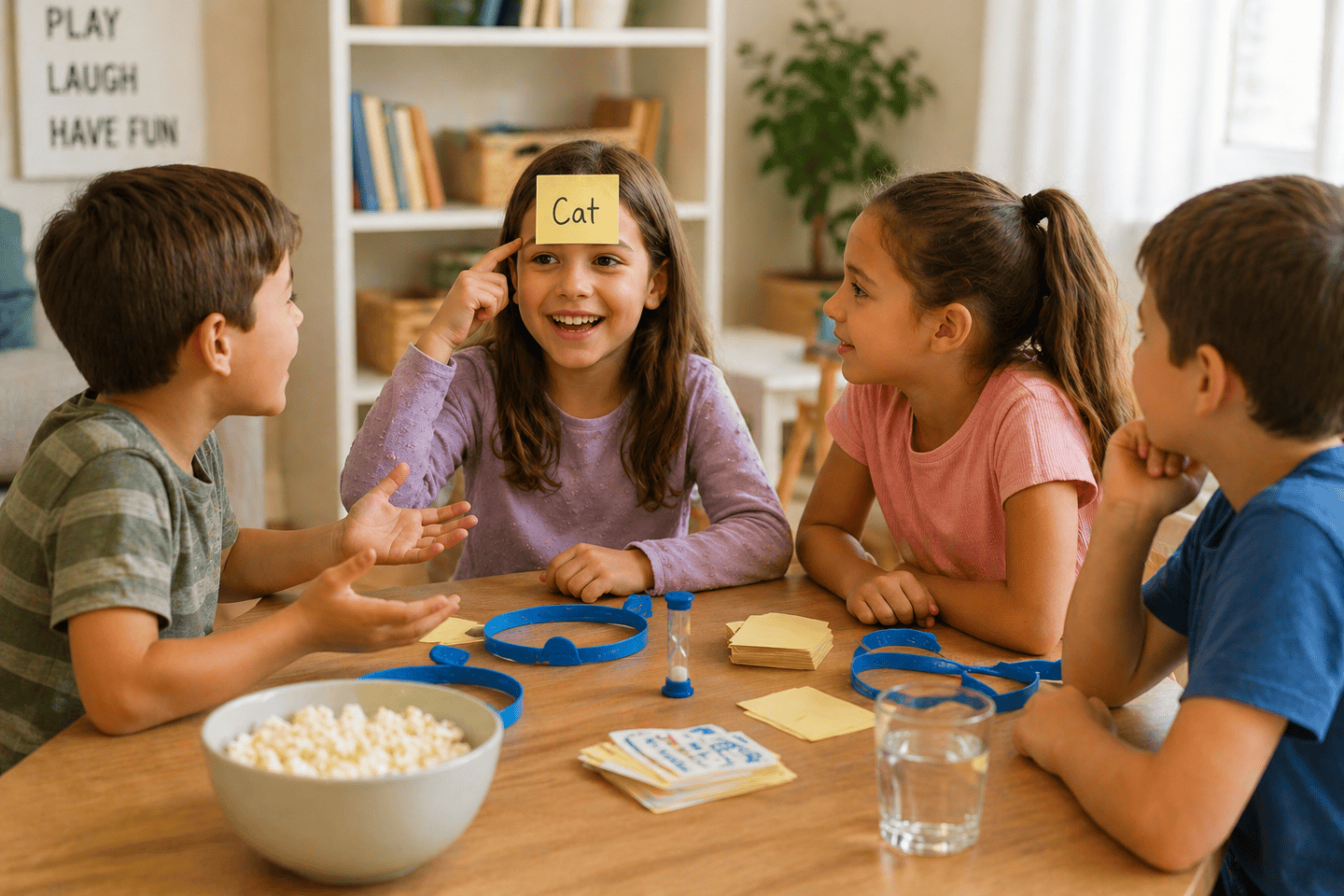
Who am I? – Write something on a note and stick it on their forehead, then let them ask questions to figure it out. This is basically the same idea as the headband game, just without needing anything extra.
Guess the job – Give a couple of clues about a job and let them work it out. This works well if you want something simple but still a bit different from animals or objects.
Picture guessing – Draw something quickly and see who can figure out what it is. The worse the drawing, the better it usually goes.
What’s missing? – Put a few objects out, let them look, then take one away and see if they can spot what’s gone. This one’s good for younger kids, and it’s easy to repeat without it getting boring.
If You Want Something Ready-Made
If you don’t want to think of prompts or set anything up, there are a few simple games that work in exactly the same way as the ones above, just without the prep.
These are the ones we tend to come back to because you can open the box and start straight away.
Hedbanz – This is basically the headband guessing game without having to come up with your own ideas. You ask yes or no questions to figure out what’s on your card, and it works well with mixed ages because everyone understands it quickly.
Guess Who? – A classic for a reason. It’s more structured than some of the others, but it still has that same guessing element where you’re narrowing things down with simple questions. Good if you want something quieter and a bit more focused.
Skillmatics Guess in 10 – This one leans a bit more educational, especially if you pick the animal or geography versions. You get clues and have to figure out what it is within a set number of questions, which works well if you want something that still feels like a game but adds a bit of thinking.
Tapple – This is closer to a category guessing game. You’re racing to come up with answers that fit a topic before the timer runs out, so it’s a bit faster-paced and works well with older kids or small groups.
