We started reading Juneteenth books at home because it came up in conversation, not because I was planning a lesson.
Some books were too vague. Some were too much. A few landed in the middle and actually helped explain what Juneteenth is and why it matters.
Those are the ones included here.
**This post may contain affiliate links. As an Amazon Associate and a participant in other affiliate programs, I earn a commission on qualifying purchases.**
Books About Juneteenth for Kids
We didn’t use these books to memorize dates or definitions. We read them to help explain what Juneteenth is and why it matters in a way that actually made sense to a child.
Some focus more on story, others on history, but all of them gave us something concrete to talk about as we read.
All Different Now: Juneteenth, the First Day of Freedom
This is one of the books we slowed down with. The illustrations do a lot of the work, and we ended up lingering on pages instead of reading straight through. It shows Juneteenth through small, everyday moments, which made the idea of freedom feel real rather than abstract. It worked especially well as a first introduction, without overwhelming him.
Read More
The History of Juneteenth: A History Book for New Readers
This one was useful when my son wanted clearer answers. It lays out what happened and why Juneteenth exists in a way that’s direct and easy to follow. We didn’t read it all at once, it was more of a “let’s look that up” book when questions came up, and it held up well for that.
Read More
Juneteenth for Mazie
Mazie’s impatience is what made this book click. Waiting, not understanding, wanting answers now, that felt very familiar. It opened up a good conversation about why history doesn’t always make sense right away, and why some stories take time to explain. This one stuck more because of how relatable the main character is.
Read More
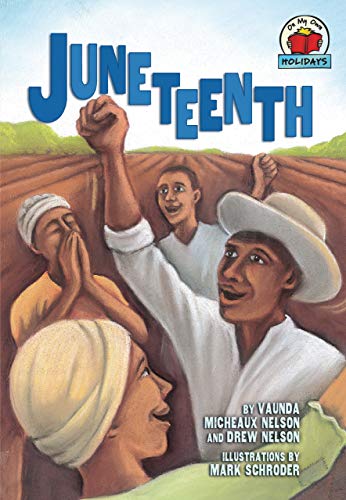
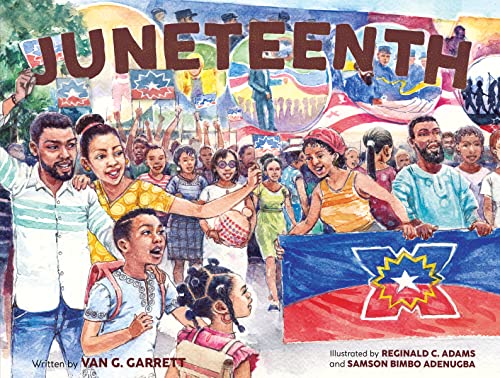
Juneteenth
This book felt calmer than most. It explains the meaning of Juneteenth without trying to dramatize it or rush through the details. We read it quietly, and it led to more thoughtful questions afterward rather than big reactions during the story. A good option if you want something steady and clear.
Read More
The Story of Juneteenth
I was surprised by how well the interactive format worked. Choosing different paths made the history feel less distant and more human, and it helped keep attention on a topic that can be hard to hold onto. It’s a solid choice for kids who like being involved rather than just listening.
Read More
Juneteenth: A Picture Book for Children Celebrating Black Joy
We came to this one after reading a few of the more explanatory books. It’s centered on the celebration itself, and the illustrations do most of the talking. We took our time with it, looking through the pictures and talking about what was happening on each page, which kept the focus lighter without losing the meaning.
Read More
Juneteenth: Our Day of Freedom
This worked best when we wanted something straightforward. The sentences are short, the ideas are clear, and it didn’t require much stopping to explain as we went. It felt like a good starting point for younger kids before moving on to more detailed books.
Read More
Freedom Rings
This book feels energetic. The illustrations have a lot of movement, and the story captures the sense of celebration that comes with Juneteenth. It’s one of the few we read where the mood shifted the conversation toward music, gatherings, and how people might have celebrated together.
Read More
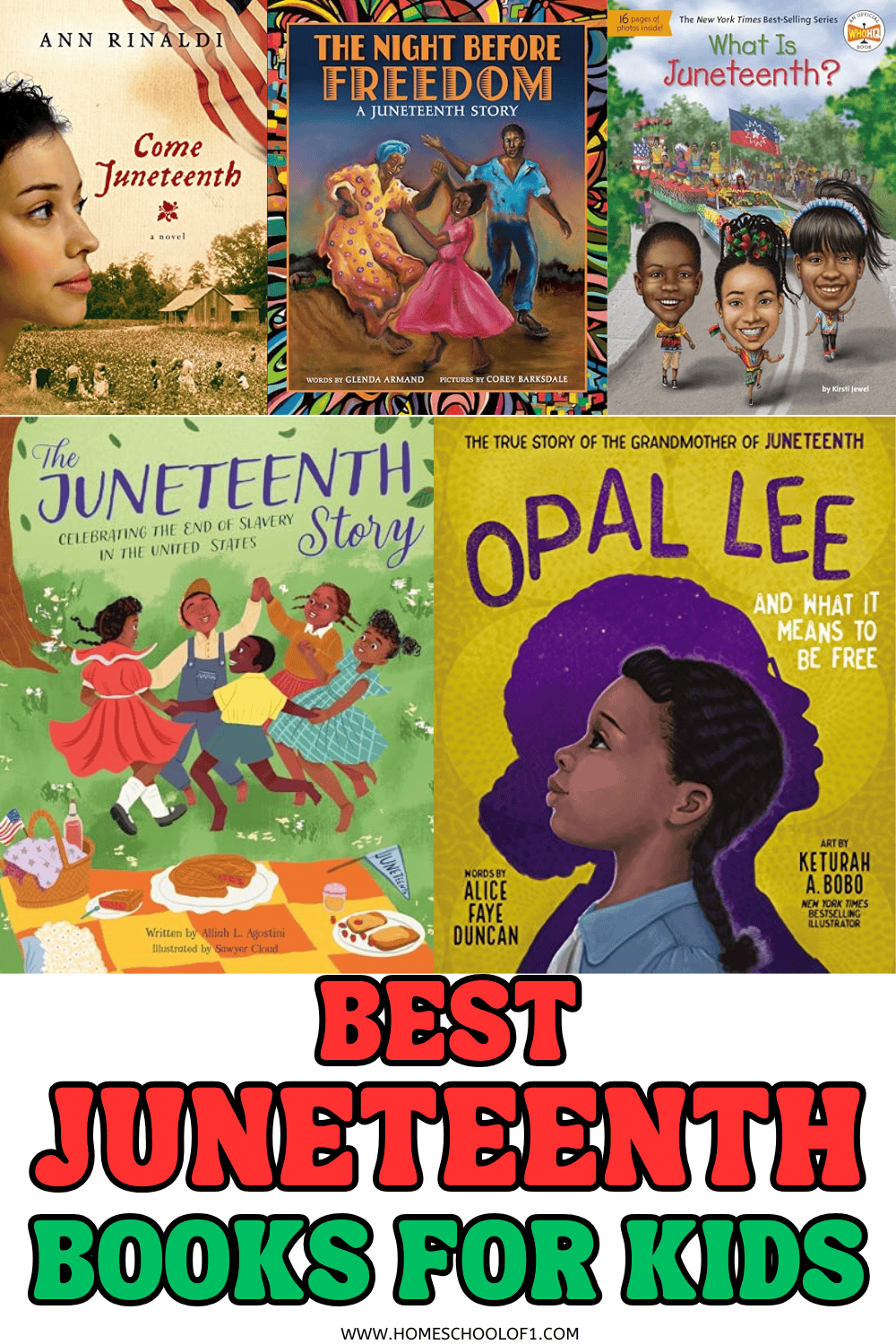
What Is Juneteenth?
We used this one when my son wanted straightforward answers. It covers the basics clearly and connects the history to how Juneteenth is recognized today. It’s the kind of book that works well both as a read-through and as something to come back to later.
Read More
A Flag for Juneteenth
The flag gave us a clear place to focus. Instead of trying to explain everything at once, the book stays with what the colors and symbols represent, which made the conversation easier to follow. We spent more time on the illustrations than the text, and that slower pace helped the ideas land.
Read More
Free at Last: A Juneteenth Poem
This one is short, but we ended up rereading it more than once. The language is sparse, which gave us space to pause and talk instead of rushing through. It worked well alongside longer books, especially when attention was starting to fade.
Read More
Juneteenth: A Children’s Story Special Edition
This felt more conversational than instructional. The story moves gently, without trying to cover everything, which made it easier to take in. It’s a good choice if you want something that feels personal rather than formal.
Read More
Juneteenth Jamboree
This book brings a lot of energy. The celebration scenes are lively, and it sparked questions about food, music, and how different communities mark the day. It was one of the easier reads when we wanted something upbeat after heavier topics.
Read More
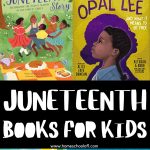
The Juneteenth Story: Celebrating the End of Slavery in the United States
This one goes a bit deeper. It explains the historical context clearly but doesn’t feel dense. We read it when my son was ready for more detail, and it worked well as a bridge between picture books and more traditional history texts.
Read More
Juneteenth: Freedom Day
This book slows everything down. It focuses on the meaning of the day rather than packing in information, and the illustrations help set that reflective tone. It led to quieter discussion, which made it a nice contrast to the more celebratory titles.
Read More
Juneteenth: A Celebration of Freedom
This wasn’t a quick read for us. We took it a bit at a time and paused often to talk through what was happening and why. It worked well once the basic idea of Juneteenth was already familiar and we wanted a bit more context without jumping into a full history book.
Read More
Opal Lee and What It Means to Be Free: The True Story of the Grandmother of Juneteenth
Focusing on Opal Lee made this feel different from the other books. Instead of learning about Juneteenth as a single moment, it shows how one person kept pushing for recognition over many years. It led to a lot of surprised reactions and questions, which usually means the story is actually sticking.
Read More
The Night Before Freedom
The waiting is what makes this one powerful. The story builds around anticipation rather than explanation, and that tension carries the meaning without spelling everything out. It’s a good choice if you want a book that shows the emotional side of the moment.
Read More
Come Juneteenth
This is heavier than most of the others. It looks closely at what freedom meant, and didn’t mean, for families living through it. We didn’t rush this one, and it led to more serious questions afterward. Better for older kids or confident readers.
Read More
Juneteenth Activities
After reading, we found it helped to switch to something hands-on. These are simple activities we used to keep the conversation going without turning it into another lesson.
- Juneteenth word search – A low-pressure way to revisit words like freedom and emancipation, and talk through what they actually mean as they come up.
- Juneteenth color by number – A quieter activity that gave us time to talk while working, using images tied to Juneteenth and its symbols.
- Juneteenth word scramble – Better for older kids who like puzzles, and a good way to slow down and look more closely at unfamiliar terms.
They worked best as a follow-up after reading, not as a replacement for the books.
Last Updated on 21 October 2025 by Clare Brown