Free Parts of a Groundhog Worksheet

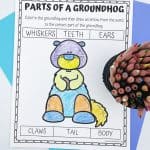
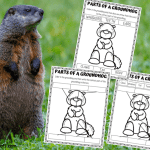
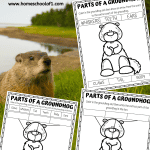
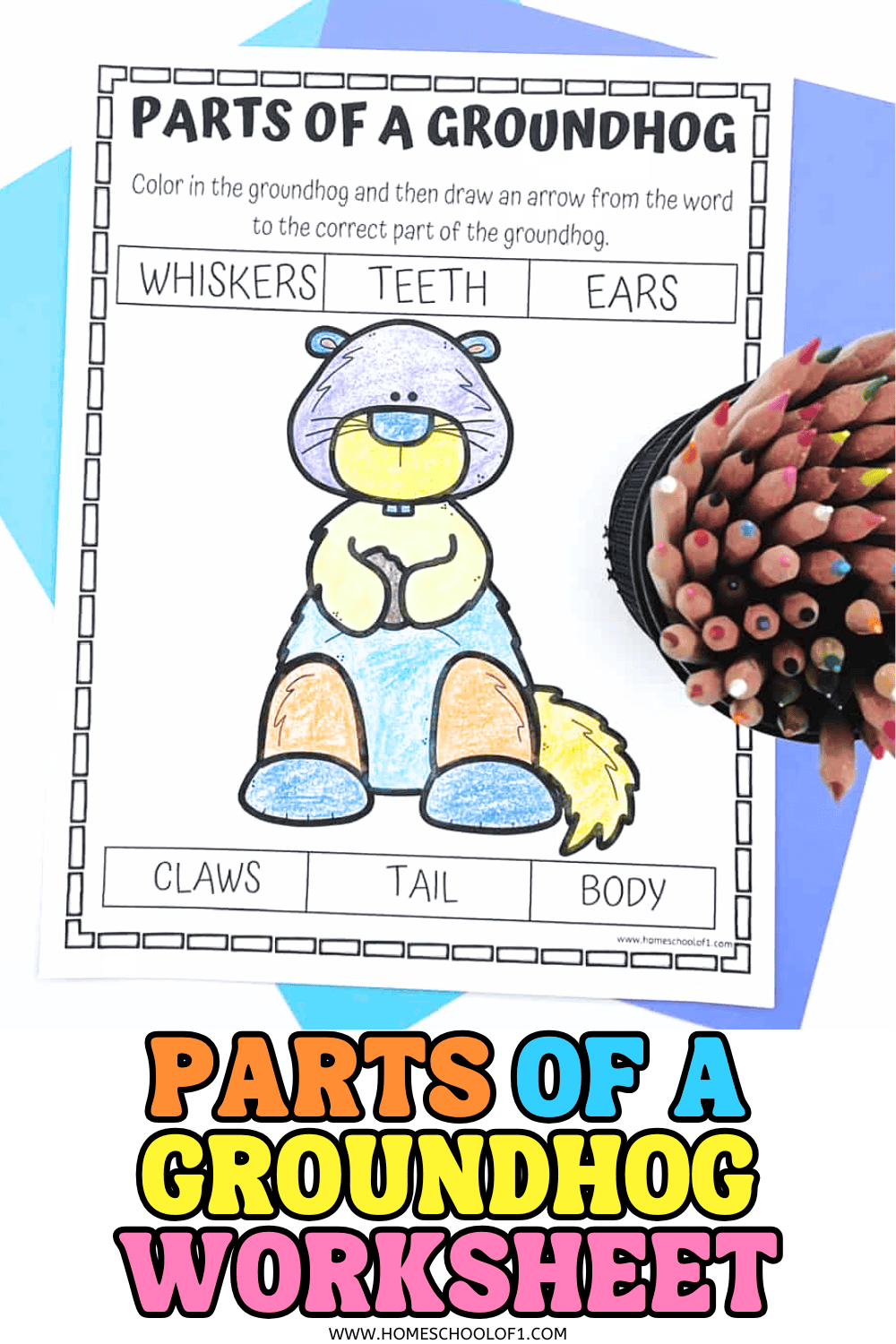
A parts of a groundhog worksheet is a simple way to introduce basic groundhog anatomy without needing a full lesson.
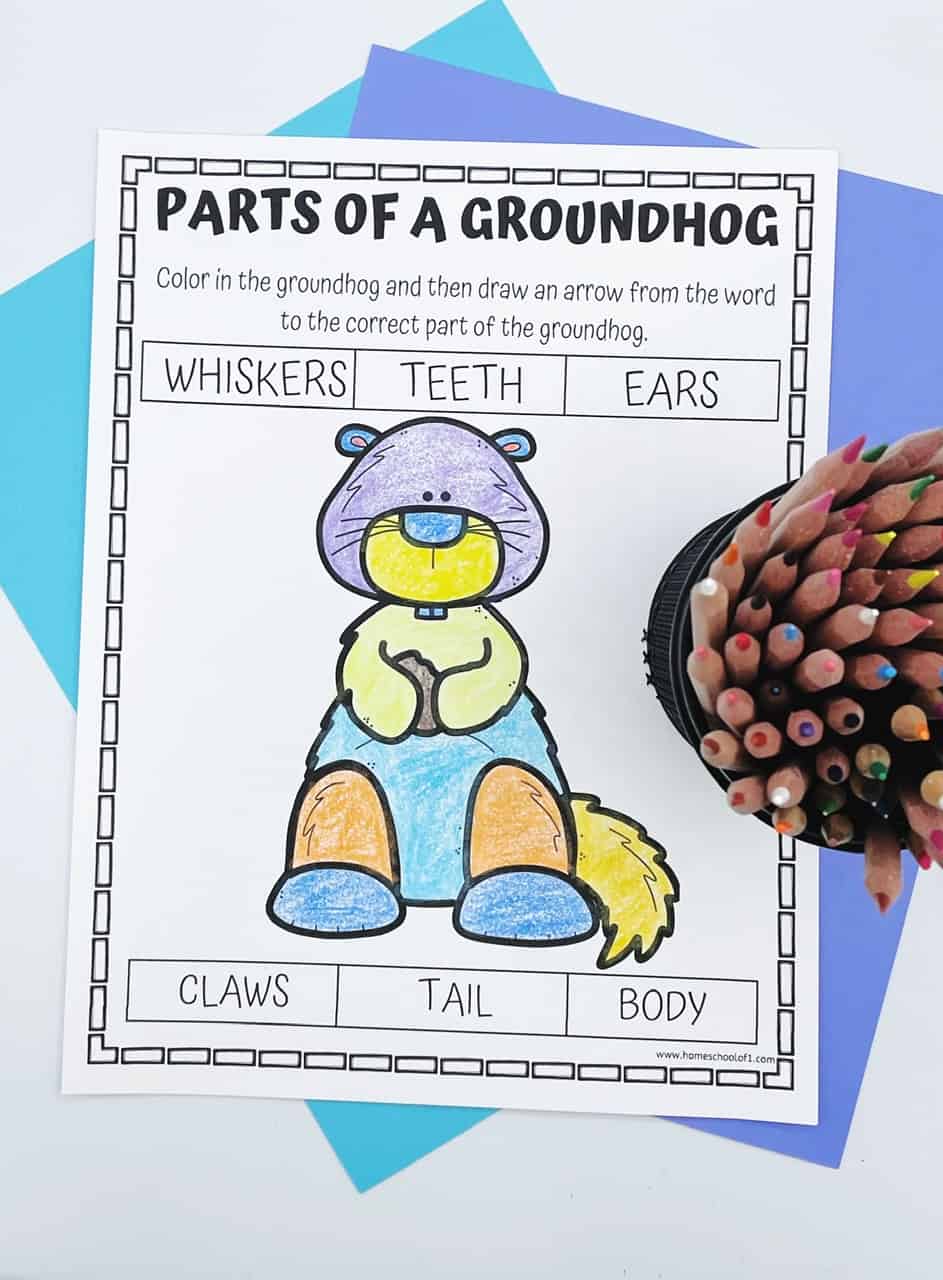
Kids color the groundhog and label features like whiskers, teeth, ears, claws, tail, and body, which helps them see how each part works together.
It’s a quick, low-prep activity that fits well into February science, morning work, or a Groundhog Day theme.
**This post may contain affiliate links. As an Amazon Associate and a participant in other affiliate programs, I earn a commission on qualifying purchases.**
What Is the Anatomy of a Groundhog?
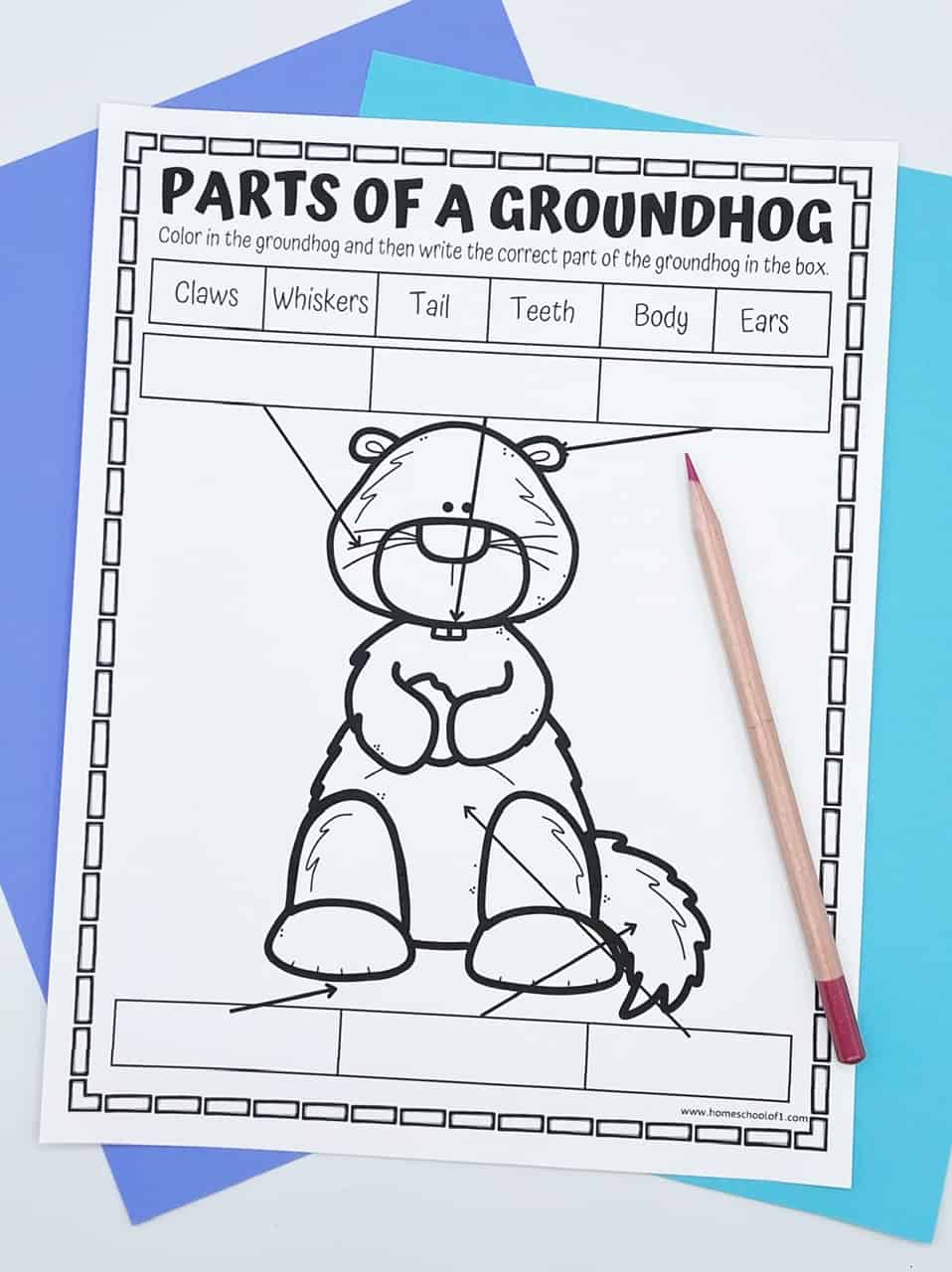
This groundhog anatomy diagram helps children identify the main body parts of a groundhog, including the ears, whiskers, teeth, claws, tail, and body. The printable worksheet combines labeling, matching, and coloring activities to make learning groundhog anatomy fun and engaging.
Together they give young learners a clear look at features like whiskers, teeth, ears, claws, tail, and body structure.
Groundhogs have specific physical adaptations that help them live underground, stay safe, and find food. The free anatomy worksheets walk kids through these features in a way that feels hands-on and easy to follow.
Ears
Groundhogs use their small, rounded ears to pick up sounds above and below ground. Their hearing helps them detect predators and stay alert while burrowing.
Whiskers
Whiskers give groundhogs important sensory feedback. They help the animal judge space inside tunnels and sense movement or changes in their surroundings.
Teeth
A groundhog’s incisors grow continuously, which is why they gnaw so often. Their sharp teeth help them eat tough vegetation and loosen soil when digging.
Claws
Groundhogs have strong claws designed for digging deep burrows. These claws also help them climb and defend themselves if needed.
Tail
Their short tail helps with balance when standing upright and can be used for simple communication signals with other groundhogs.
Body
Groundhogs have compact, muscular bodies that make them efficient diggers. Their strong limbs and thick fur support life above and below ground.
More Groundhog Activities
If you want to build out a small February theme, these printables fit well alongside the anatomy worksheets and give kids a nice mix of writing, science, and simple creative work.
- If I were a groundhog writing prompt – A light, imaginative activity where kids describe their own “groundhog self.” It’s an easy add-on to a Groundhog Day lesson.
- Life cycle of groundhogs worksheet – A simple way to show how groundhogs grow and change through the year, with clear visuals that work well for younger learners.
- History of Groundhog Day worksheet – Short facts and coloring sections that explain where the tradition came from and how it developed.
- Free Groundhog Day coloring pages – Great for quiet time, early finishers, or when you need something calm for a February morning.
Books About Groundhogs for Kids
If you want to pair the worksheets with a read-aloud, these are a few groundhog stories that always make February lessons feel a little more fun. They add context without feeling too heavy, and they’re great for morning baskets or quick classroom reads.
Groundhog’s Runaway Shadow – A playful story about a groundhog whose shadow decides to go off on its own. Kids usually get a kick out of the silliness, and it opens the door to a simple conversation about shadows before Groundhog Day.
Substitute Groundhog – This one is sweet and easy to share. Pete steps in for Punxsutawney Phil and learns what it actually takes to “predict” spring. It’s a gentle way to talk about responsibility and traditions.
Groundhog Weather School – A fun pick if you want something a little more informational. The book mixes humor with simple weather science, and it ties in nicely with any February activities you’re already doing.
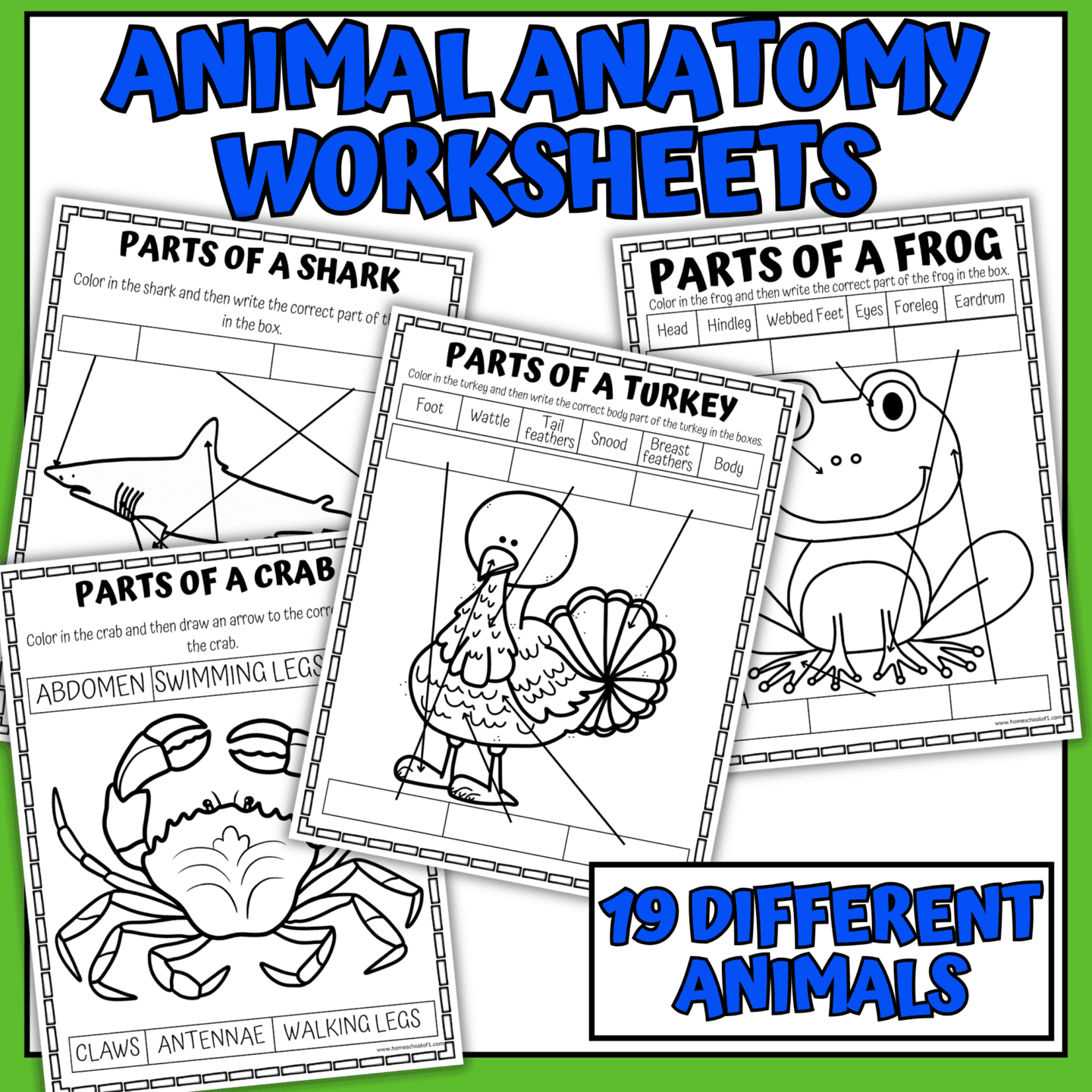
Animal Anatomy Worksheets Bundle
Get all 19 printable animal anatomy worksheets in one bundle. Includes labeling and identification activities for mammals, birds, reptiles, amphibians, insects, arachnids, and ocean animals.
Get Your Free Body Parts of a Groundhog Worksheet Here!
For a done-for-you option, grab our Animal Anatomy Worksheets Bundle, featuring dozens of printable anatomy activities that help kids learn and label the body parts of animals through hands-on science.
Ready to grab your free printable? Just pop your name and email into the form below, and it’s all yours!
Tip: Use a personal email address (like Gmail), school or work emails sometimes filter printable links.

If you don’t see the form below, click here to get the free PDF.
Last Updated on 15 June 2026 by Clare Brown
