Animal Body Parts Worksheets

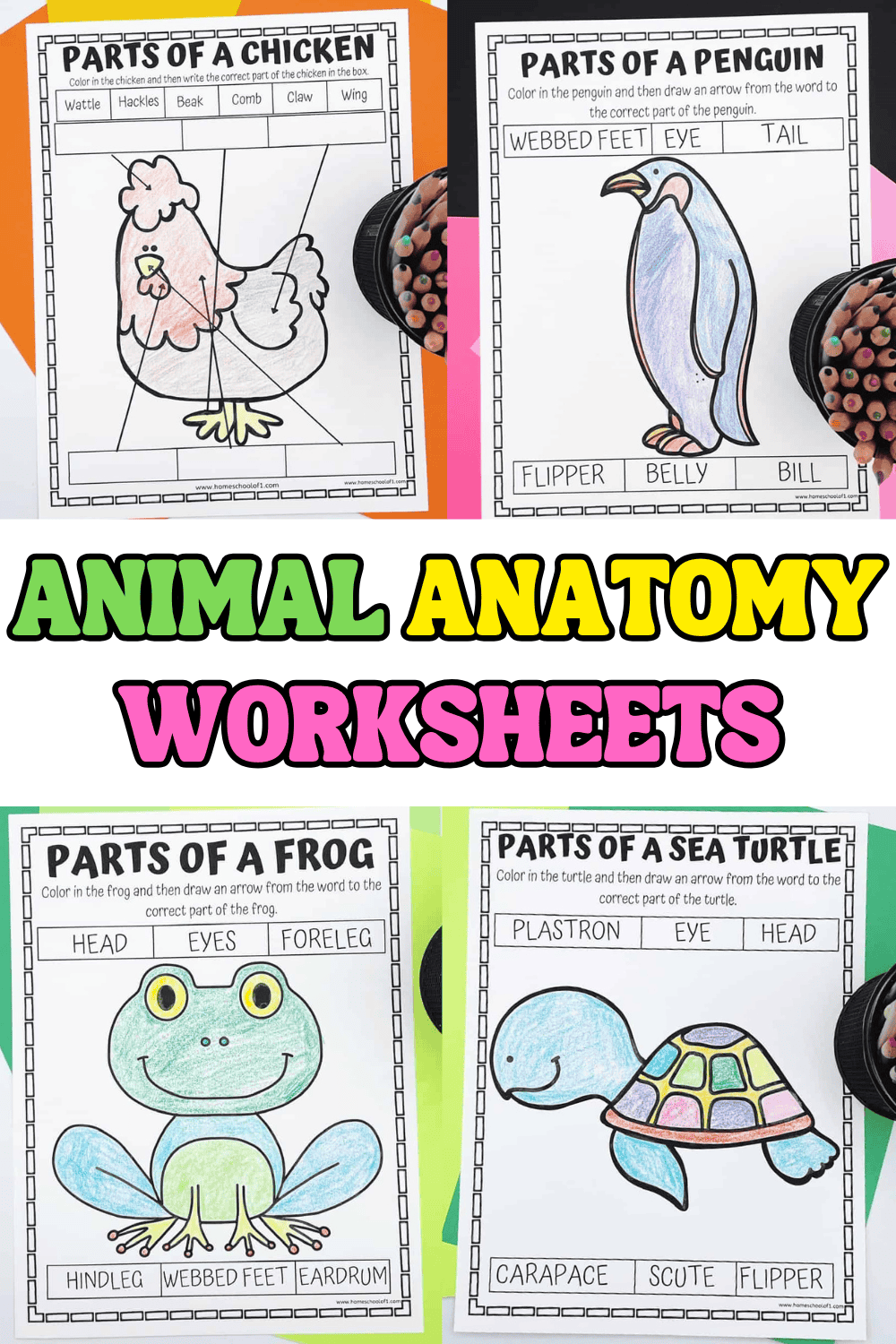
These animal body parts worksheets help kids identify and label the external parts of 22 different animals, including mammals, birds, insects, reptiles, amphibians, and ocean animals.
Each animal includes printable labeling and coloring activities, giving you more than 60 pages to use for kindergarten and elementary science. Kids can learn the names of different body parts while exploring how features such as wings, claws, fins, beaks, and webbed feet help animals move, eat, and survive.
**This post may contain affiliate links. As an Amazon Associate and a participant in other affiliate programs, I earn a commission on qualifying purchases.**
Animal Anatomy Worksheets by Type
These printable animal anatomy worksheets cover 22 different animals, with labeling and coloring activities for mammals, birds, insects, reptiles, amphibians, and ocean animals.
We sometimes use the random animal generator to choose an animal first, then find the matching worksheet and label its different body parts.
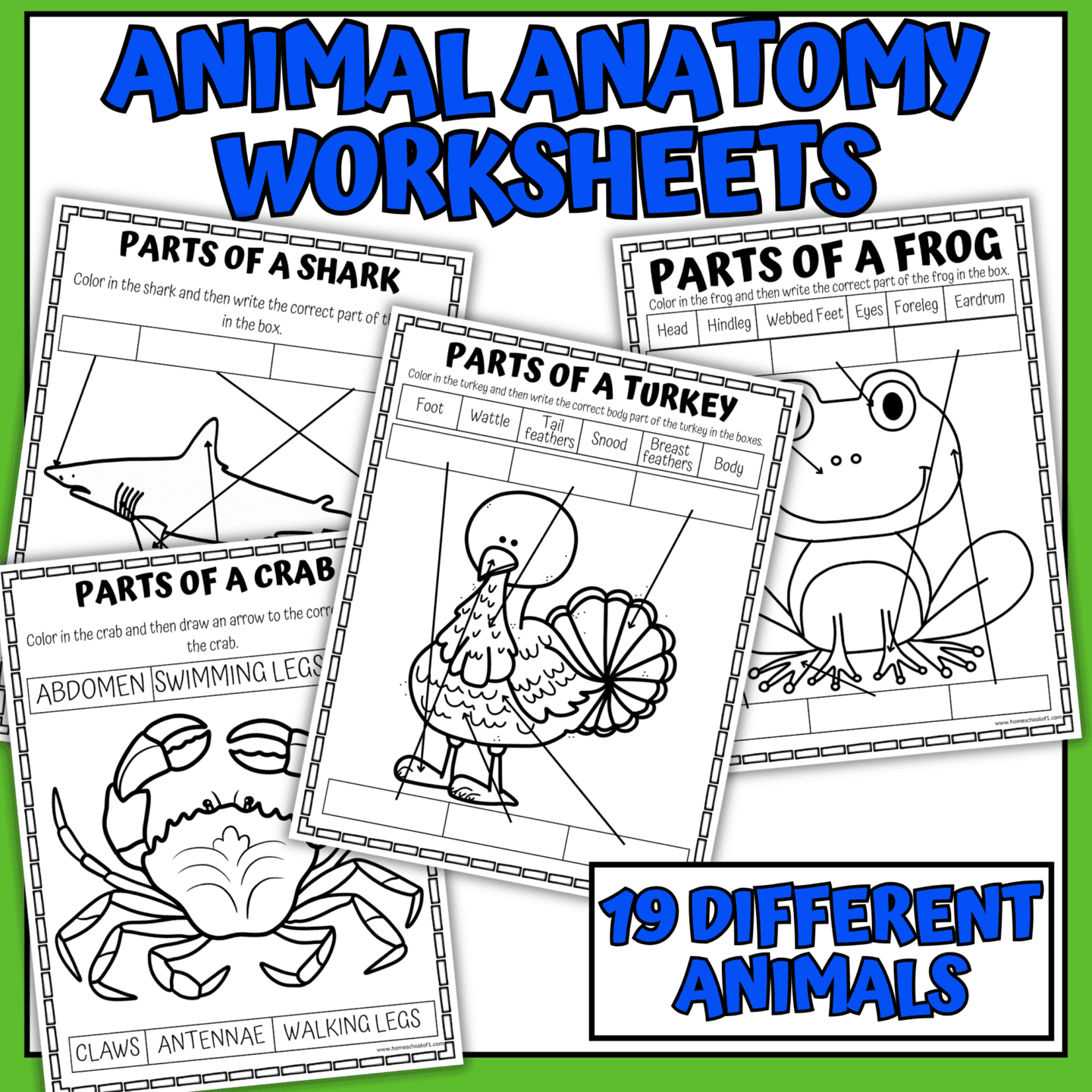
Animal Anatomy Worksheets Bundle
Get all 19 printable animal anatomy worksheets in one bundle. Includes labeling and identification activities for mammals, birds, reptiles, amphibians, insects, arachnids, and ocean animals.
Insect Body Parts
Insects are usually where we start, mainly because kids already recognize things like wings and antennae.
These homeschool worksheets make it easy to label the different parts, but they also tend to spark questions about how insects move and survive, especially once they notice how different they all are.
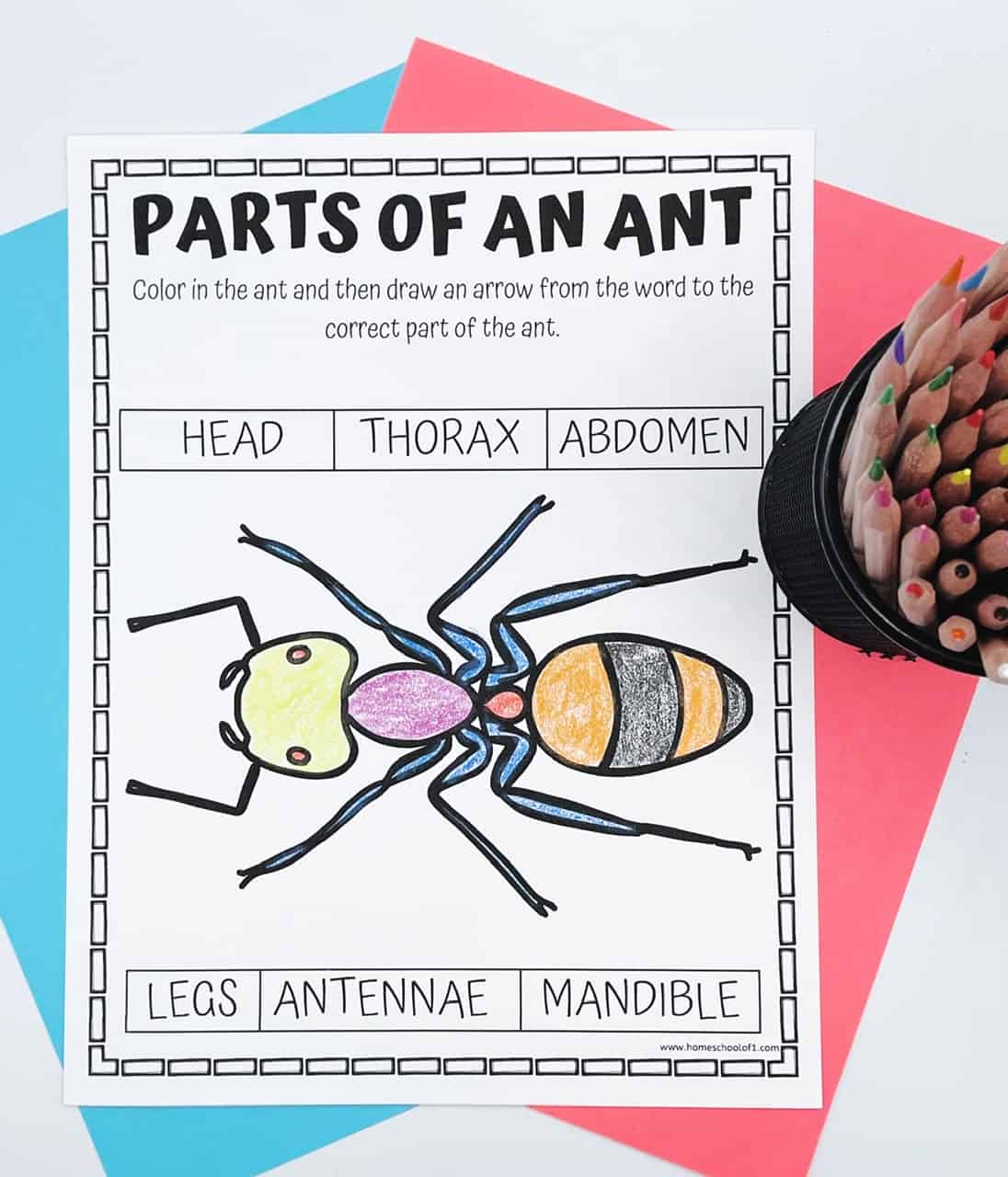
- Ant anatomy – Kids can label and color the three main body segments, antennae, and legs, a great way to introduce insect classification.
- Bee body parts – From wings to stinger, this sheet sparks conversations about pollination and how bees protect their hive.
- Butterfly labeling page – Children can color the wings, antennae, and proboscis while learning how butterflies eat and migrate.
- Caterpillar anatomy – Segments, legs, and head are highlighted, making this a nice follow-on if you’re also covering the butterfly life cycle.
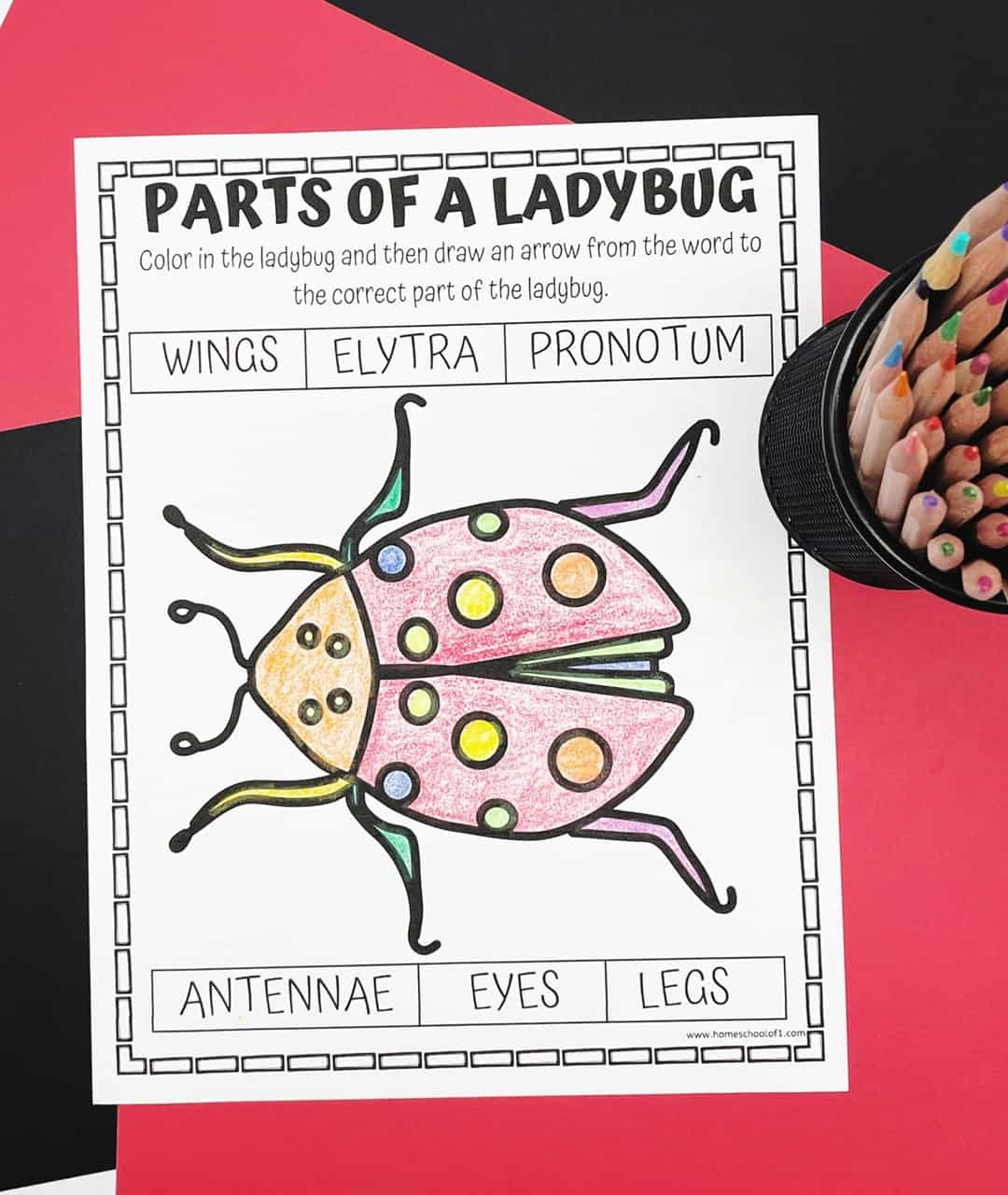
- Ladybug diagram – Spotted wings and small legs introduce children to helpful garden insects.
- Spider printable – Not an insect, but still a fun addition; kids can count its eight legs and multiple eyes.
Mammals and Their Body Parts
Mammals are usually the ones kids feel most comfortable with straight away.
They already know what they’re looking at, so this tends to be less about explaining and more about noticing the differences between animals, especially once they start comparing things like teeth, paws, and fur.
- Bat anatomy – This one always gets a reaction when they realise bats are mammals. Label the wings, ears, and teeth, and it usually turns into a quick discussion.
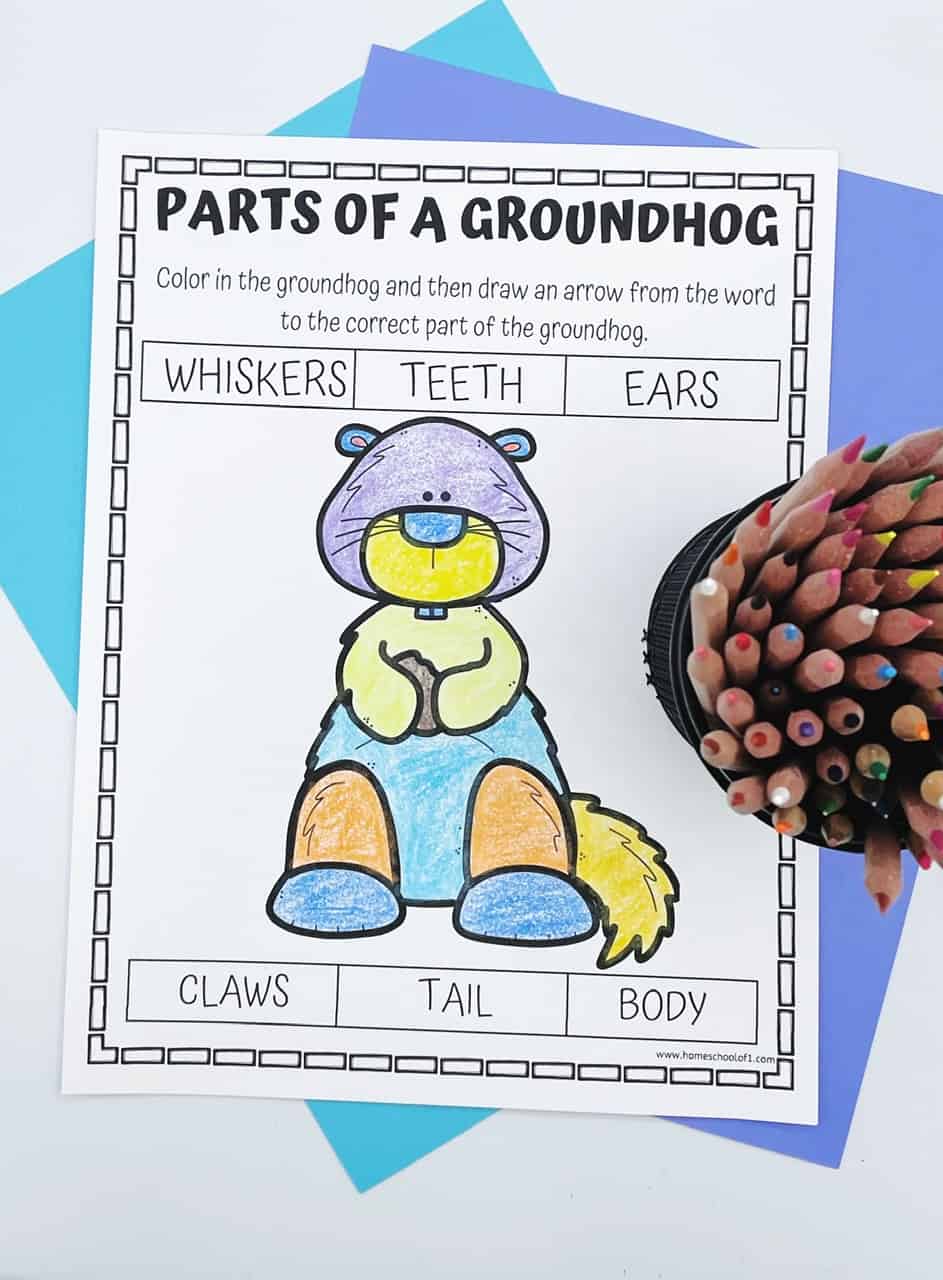
- Groundhog diagram – Good for talking through digging and hibernation once they look more closely at the claws and body shape.
- Squirrel anatomy – Label parts including the ears, whiskers, paws, claws, and bushy tail while learning how these features help squirrels climb, balance, and find food.
- Fox worksheets – Explore fox anatomy, labeling, and other activities while learning more about how foxes are adapted to their environment.
- Deer worksheets – Explore deer anatomy, labeling, diet, and research activities while learning how features such as antlers, hooves, ears, and legs help deer survive in the wild.
- Polar bear page – Thick fur and wide paws make this one easy to connect to colder habitats.
- Rabbit sheet – Familiar and straightforward. Ears, legs, tail, most kids are confident with this one right away.
- Reindeer activity – Antlers and hooves make this a nice follow-on if you’re covering winter or colder environments.
Parts of a Bird
Birds are one of those groups where kids spot things before you even say anything.
Feathers, beaks, wings, it’s all pretty obvious, which makes these easy to use when you want something quick without a lot of explanation.
- Chicken diagram – Label the comb, beak, wings, and feet to see how chickens use each part on the farm.
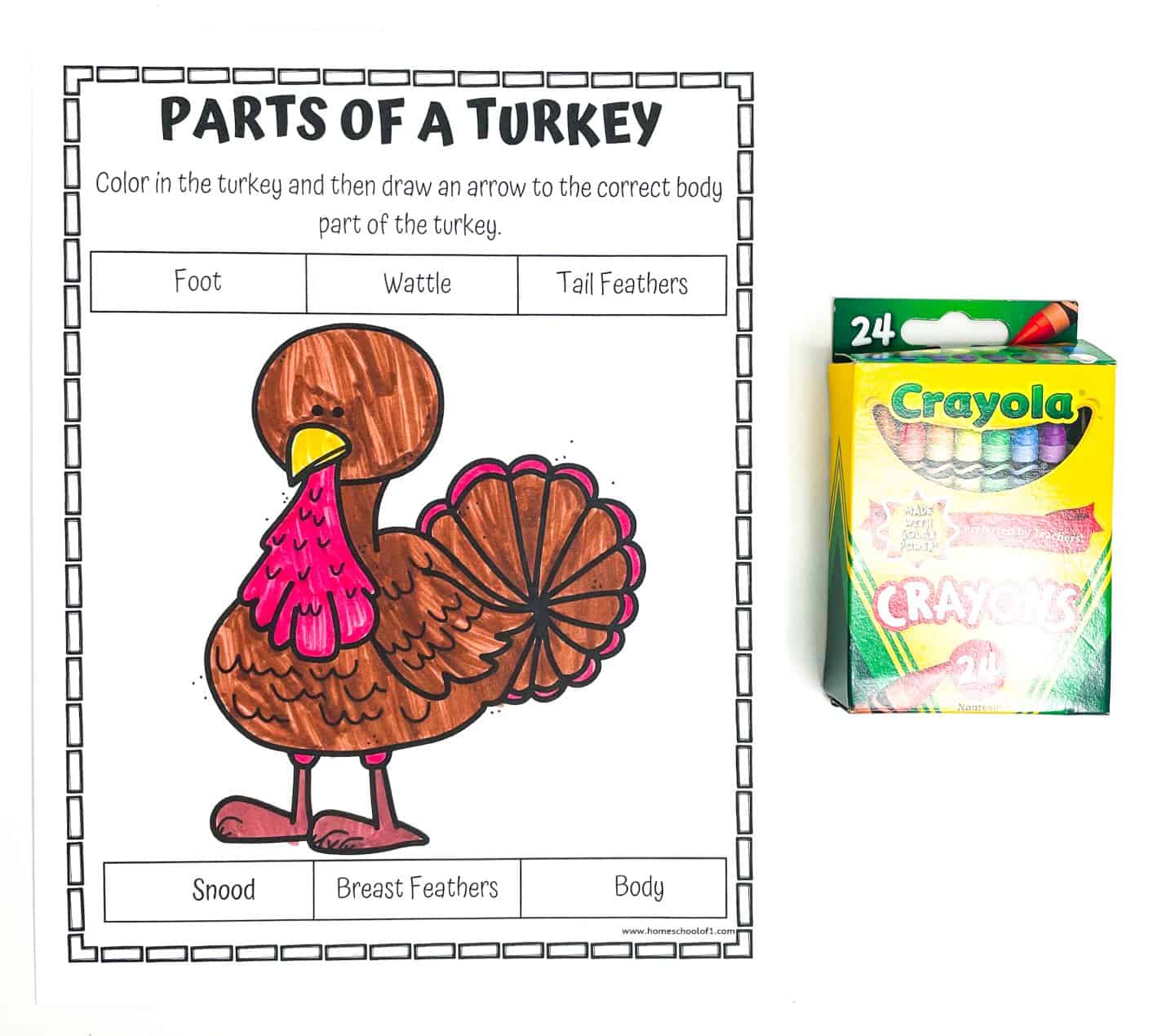
- Turkey page – Works well around Thanksgiving, especially with the wattle and tail feathers.
- Penguin activity – Flippers, beak, and webbed feet usually lead into a quick chat about how penguins move differently from other birds.
For more bird-themed learning, check out our different types of birds worksheet!
Reptile Body Parts
Reptiles are usually where I realise I’ve lost them slightly at first. Scales and shells aren’t as familiar, so it takes a minute before it clicks.
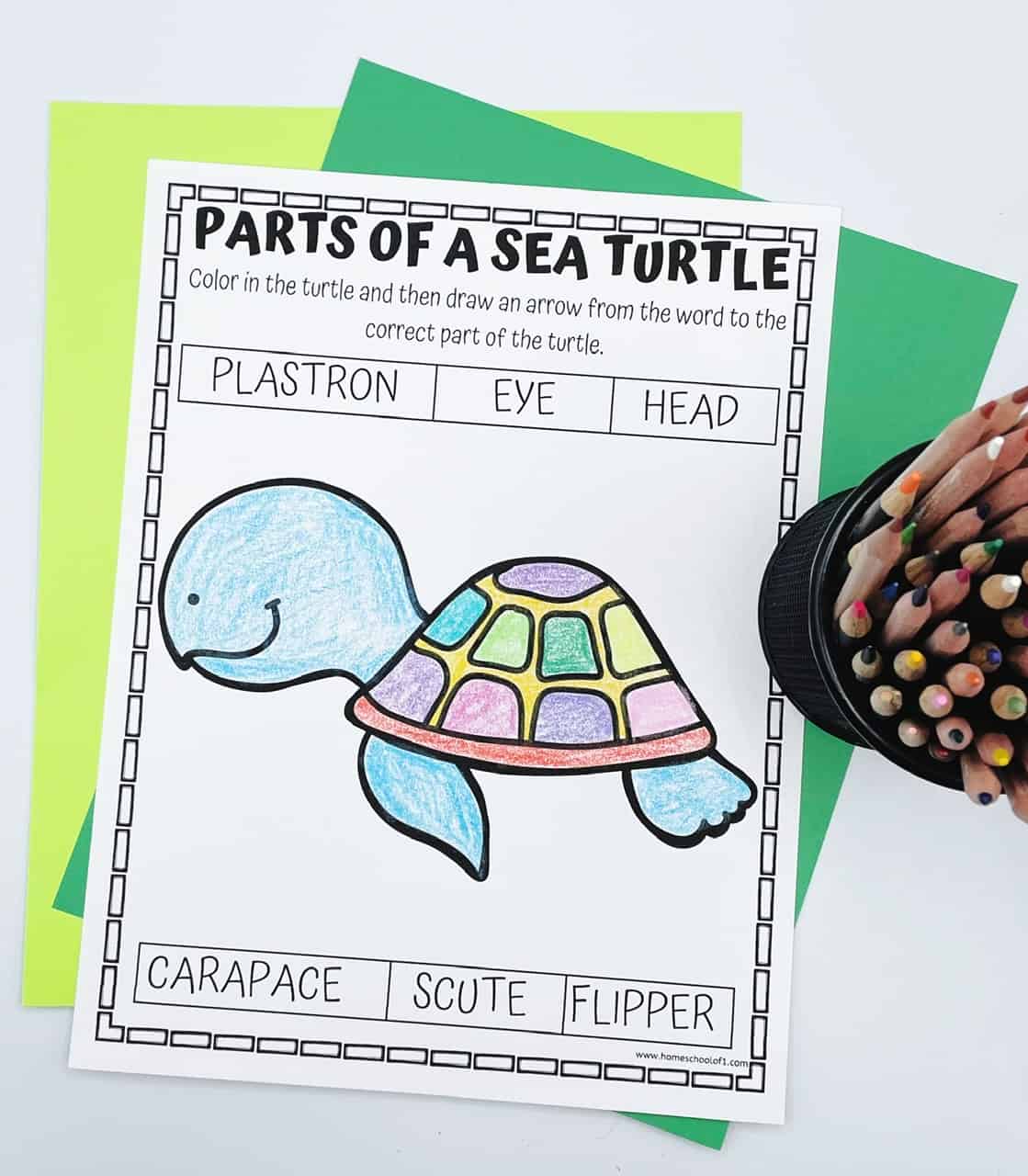
Sea turtle page – Label the shell, flippers, head, and tail, then talk through how it all works together in the water.
Amphibian Body Parts
Amphibians are a bit different again, mainly because they don’t stay in one place.
Once kids realise frogs can live in water and on land, the body parts start to make more sense.
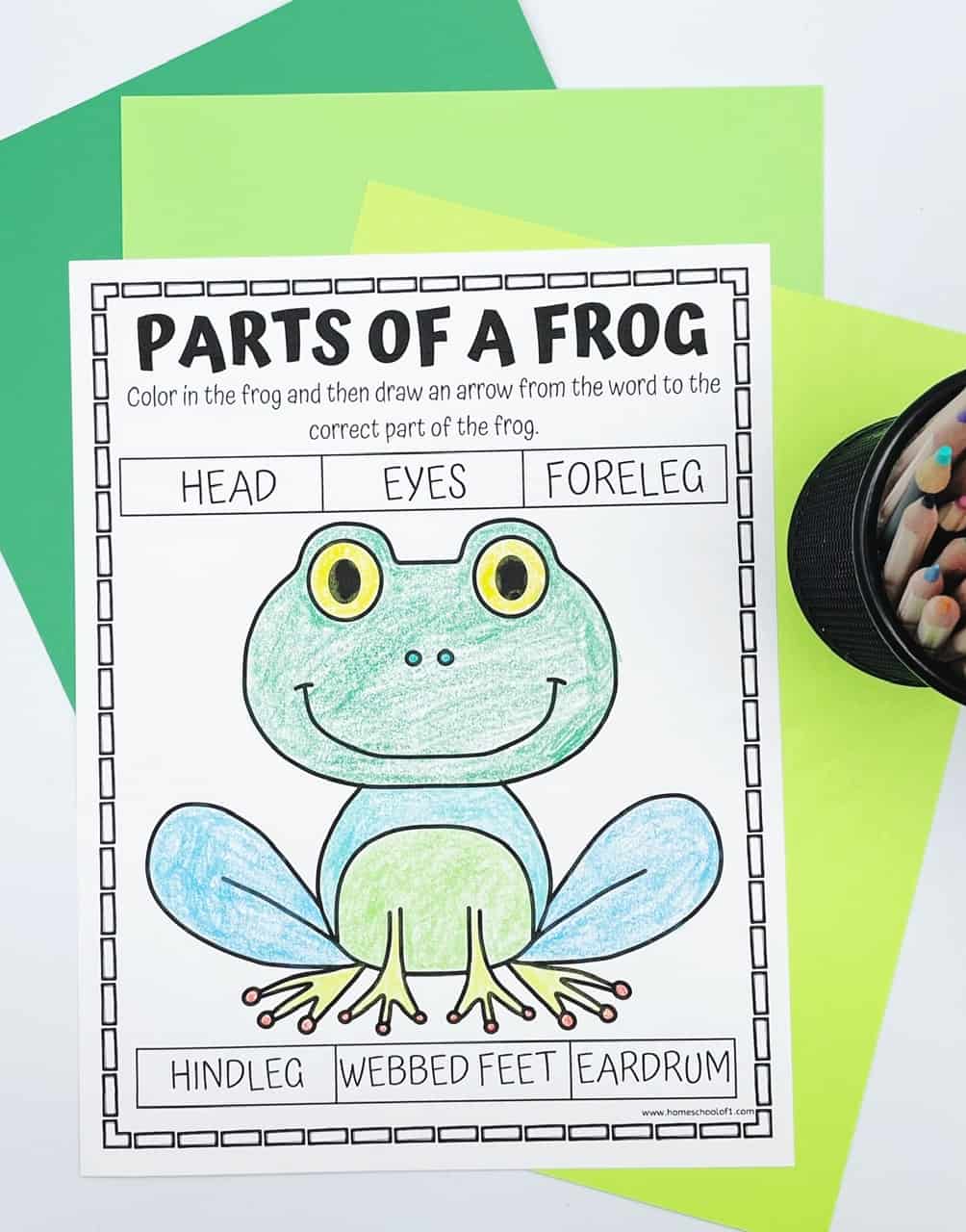
Frog page – Label the legs, eyes, and webbed feet, then use it to explain how they jump and swim.
Ocean Animal Body Parts
Ocean animals feel a bit different from the others.
You’re not dealing with fur or feathers anymore, so once kids start labeling things like fins, gills, or tentacles, it usually takes a minute for it to click.
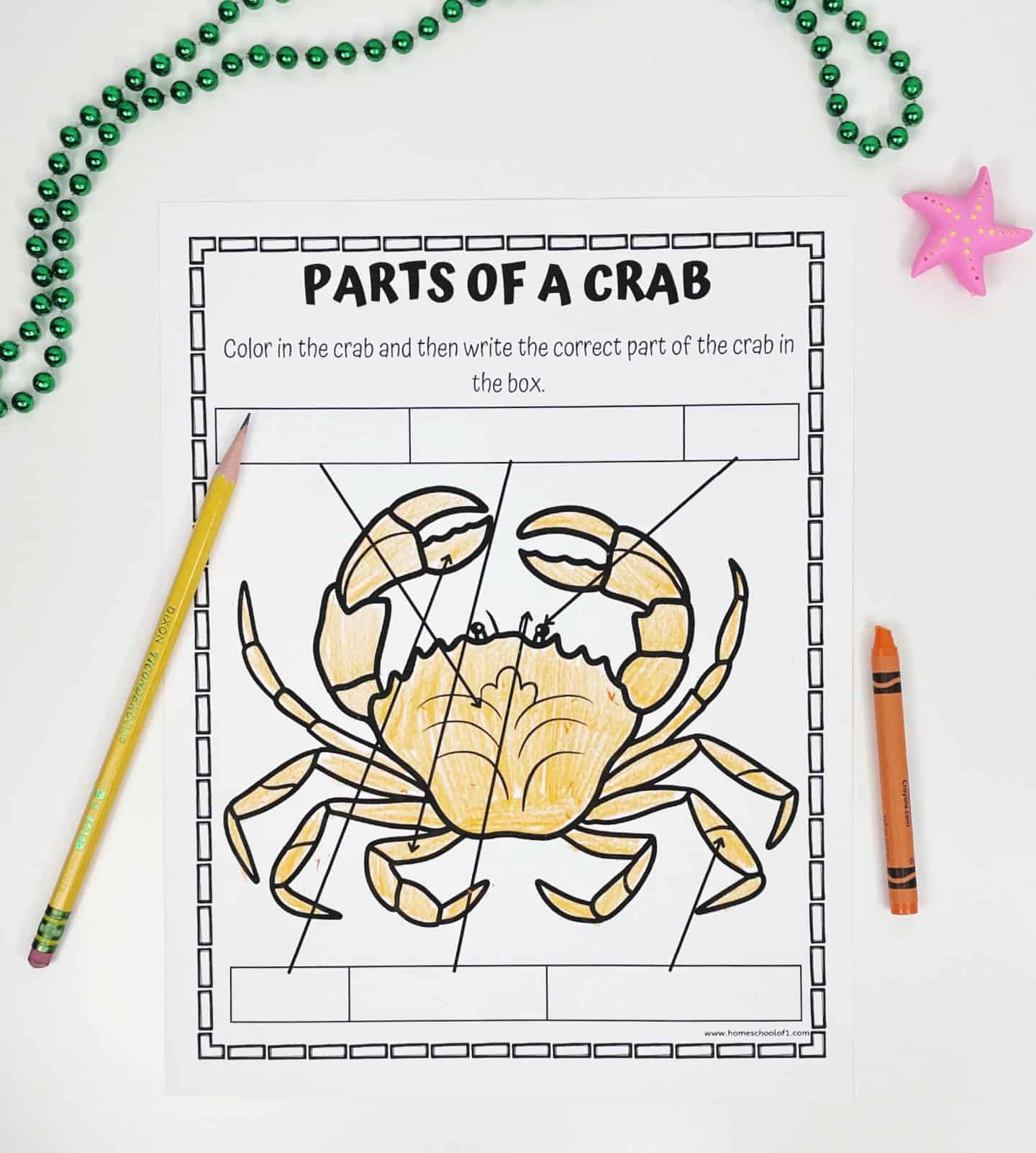
- Crab page – Label the claws, legs, and shell, then talk through how crabs actually move. That part tends to stick.
- Jellyfish sheet – Identify the bell and tentacles. This one can take a bit longer since it doesn’t look like anything they’re used to.
- Shark diagram – Fins, gills, and jaws make it easier to explain how sharks move and find food.
How to Use These Animal Body Parts Worksheets
These worksheets work best with younger kids, around kindergarten through 3rd grade. We’ve used them for quick science lessons, early finisher work, and alongside animal life cycle activities.
Labeling builds vocabulary, while coloring slows kids down enough to actually notice details they might otherwise miss.
Comparing two animals side by side is another easy way to help kids spot similarities and differences in their body parts.
Learning About Animal Structures and Functions
Labeling the parts is only the starting point. These worksheets also help kids see how an animal’s external structures are connected to how it moves, finds food, protects itself, and survives in its habitat.
A few easy comparisons include:
- fins and flippers for moving through water
- claws for digging, climbing, or catching food
- webbed feet for swimming
- wings for flying
- beaks and teeth for eating different types of food
- shells, fur, and other coverings for protection
We usually talk about these differences as we label the animals rather than turning it into a separate lesson. It gets kids thinking about why animals have different body parts, not just what each part is called.
Last Updated on 28 August 2026 by Clare Brown
