
Great Pyramid of Giza Worksheet & Fun Facts for Kids

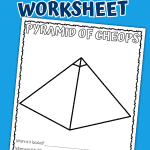
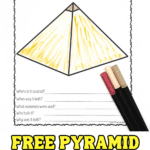
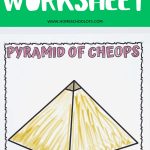
When we covered Ancient Egypt, the Great Pyramid of Giza, also known as the Pyramid of Cheops (or Khufu), was the part that really stuck. The scale of it, built over 4,500 years ago and still standing, makes it hard not to be impressed.
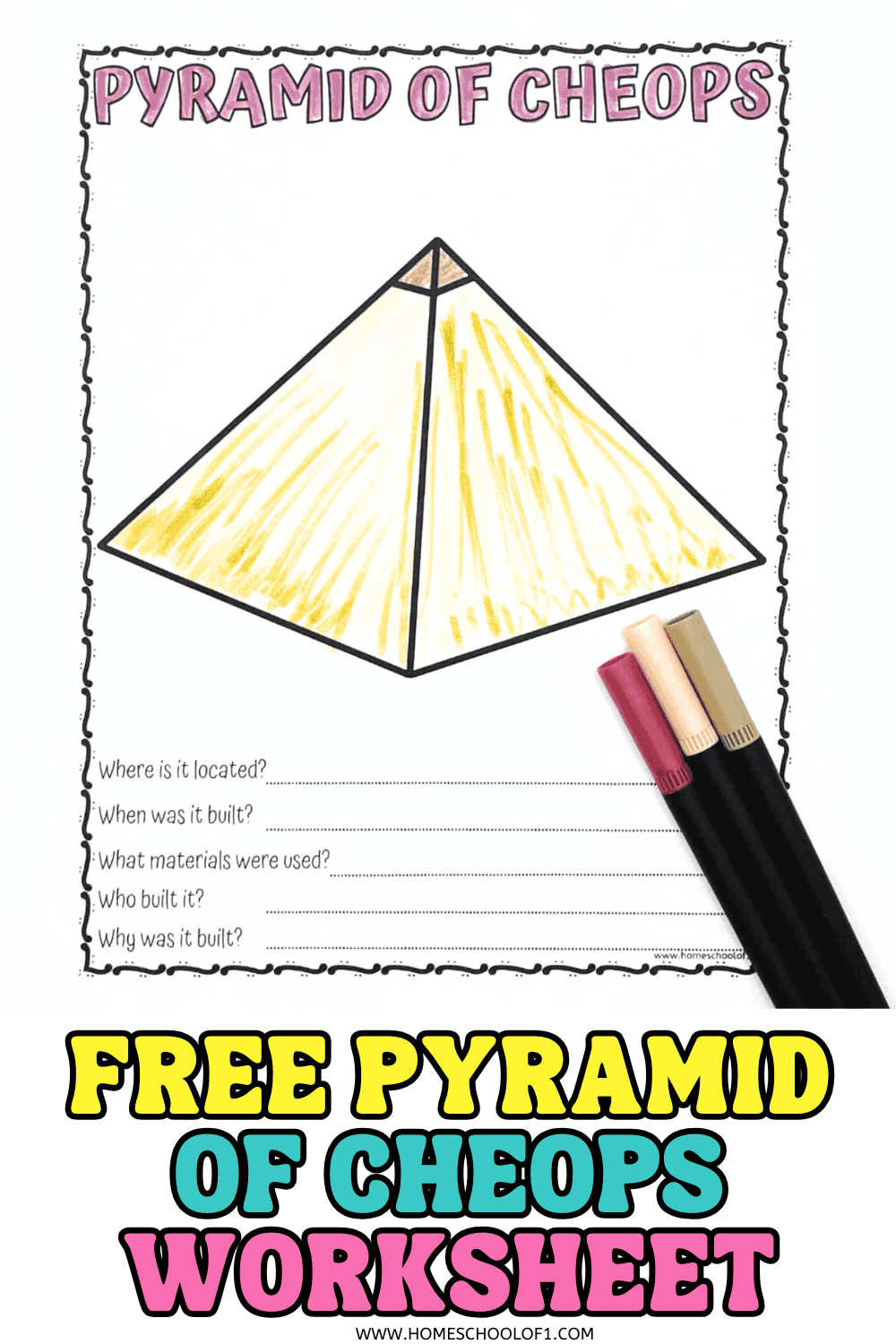
This Great Pyramid of Giza worksheet gives kids a simple way to explore those big questions without it turning into a full research project. It walks them through where it was built, who built it, why it mattered, and how it has lasted for thousands of years.
It works well alongside an Ancient Egypt unit, a Wonders of the World study, or even just a short geography lesson when you want something focused and manageable.
**This post may contain affiliate links. As an Amazon Associate and a participant in other affiliate programs, I earn a commission on qualifying purchases.**
Great Pyramid of Giza Research Questions
When we study Ancient Egypt, I don’t want it to turn into copying paragraphs from a book. This worksheet keeps it focused and manageable.
It asks the key questions students actually need to understand the Great Pyramid, without overwhelming them.
These are the questions they’ll work through:
Where was it built?
The Great Pyramid of Giza stands on the Giza Plateau, just outside modern-day Cairo in Egypt. It’s part of a much larger site called the Giza Necropolis, which also includes two other major pyramids and the Great Sphinx.
Looking at it on a map really helps students see how close it is to the Nile River, which explains a lot about how materials and workers could have reached the site.
When was it built?
Construction began around 2580 BC during Egypt’s Old Kingdom period and likely took about 20 years to complete.
I always pause here with kids, this was built more than 4,500 years ago. That timeline comparison makes the scale of it feel much more real.
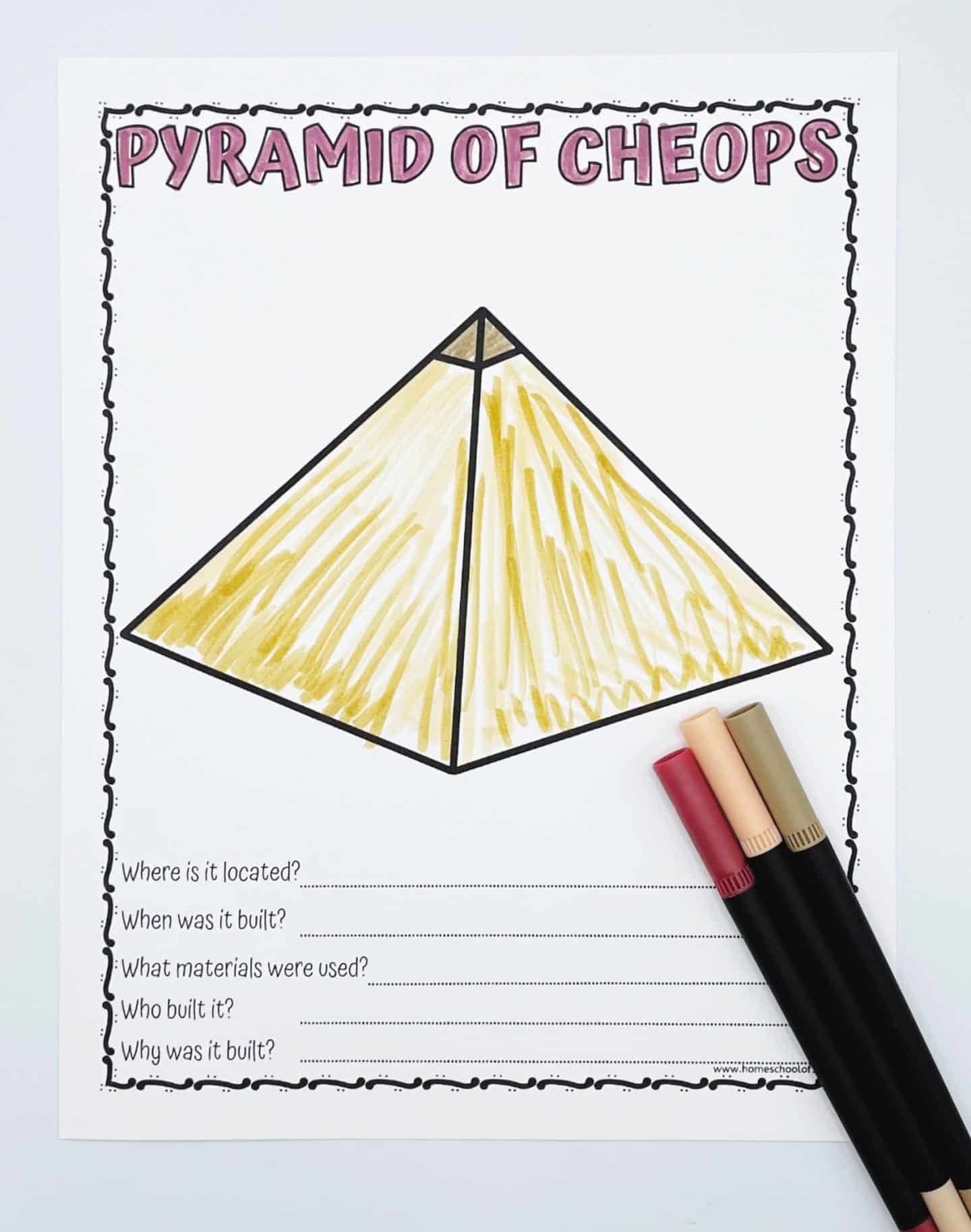
What materials were used?
Most of the pyramid was built from limestone blocks quarried nearby. The outer layer was originally covered in smooth white limestone that reflected sunlight and would have made the pyramid shine brightly in the desert.
Students are often surprised to learn that much of that polished outer layer is gone today, which is why the pyramid looks rougher now than it once did.
Who built it?
It was built during the reign of Pharaoh Khufu (called Cheops in Greek).
For a long time, people believed enslaved workers built the pyramids. Modern research suggests skilled laborers and organized work crews were responsible instead. That detail usually sparks great discussion about how history changes as we learn more.
If you’re expanding your Ancient Egypt unit, pairing this with a printable hieroglyphics activity worksheet helps students see how writing and record-keeping shaped what we know about this period.
Why was it built?
The pyramid was built as a tomb for Khufu. Ancient Egyptians believed strongly in the afterlife, and pharaohs prepared carefully for it.
The structure was designed not only to protect the pharaoh’s body but also to serve as a lasting monument to his power and legacy.
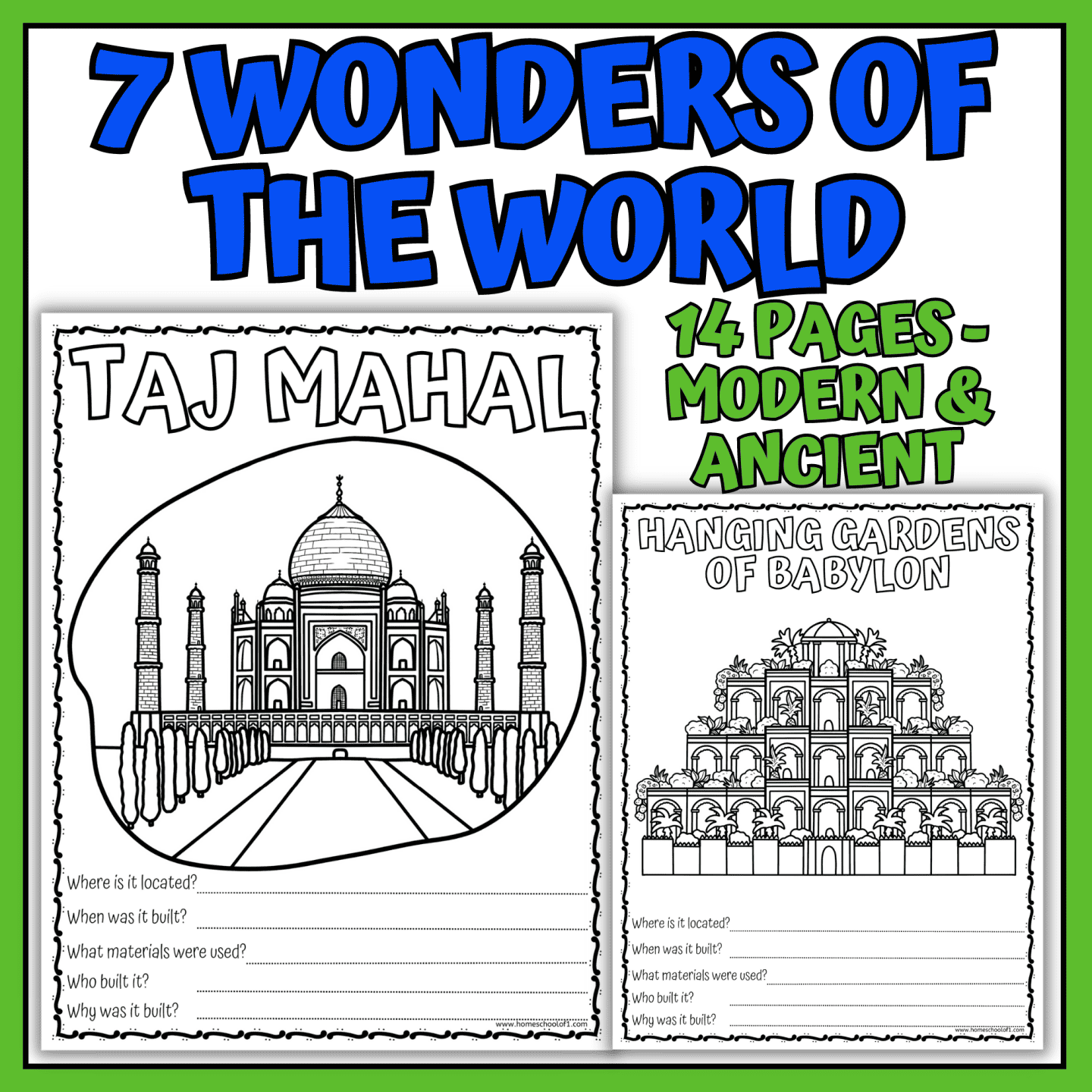
WANT ALL OF THE WONDERS OF THE WORLD IN ONE PLACE?
The Pyramid of Cheops Facts for Kids
When we first learned about the Great Pyramid, these were the details that really made us pause.
It was built as a tomb for Pharaoh Khufu (called Cheops in Greek) more than 4,500 years ago. Out of the three pyramids at Giza, his is the largest, and the one most people picture when they think of “the pyramids.”
For nearly 4,000 years, it was the tallest structure in the world. Imagine something that held that record longer than most civilizations have existed.
It originally stood about 481 feet tall, roughly the height of a 40-story building. And it was built without modern cranes, power tools, or trucks.
The pyramid is made from around 2.3 million stone blocks. Each one weighs about 2.5 tons. When my son tried to picture that, we ended up comparing it to loading up thousands of cars made of stone. It’s almost impossible to imagine the organization that must have taken.
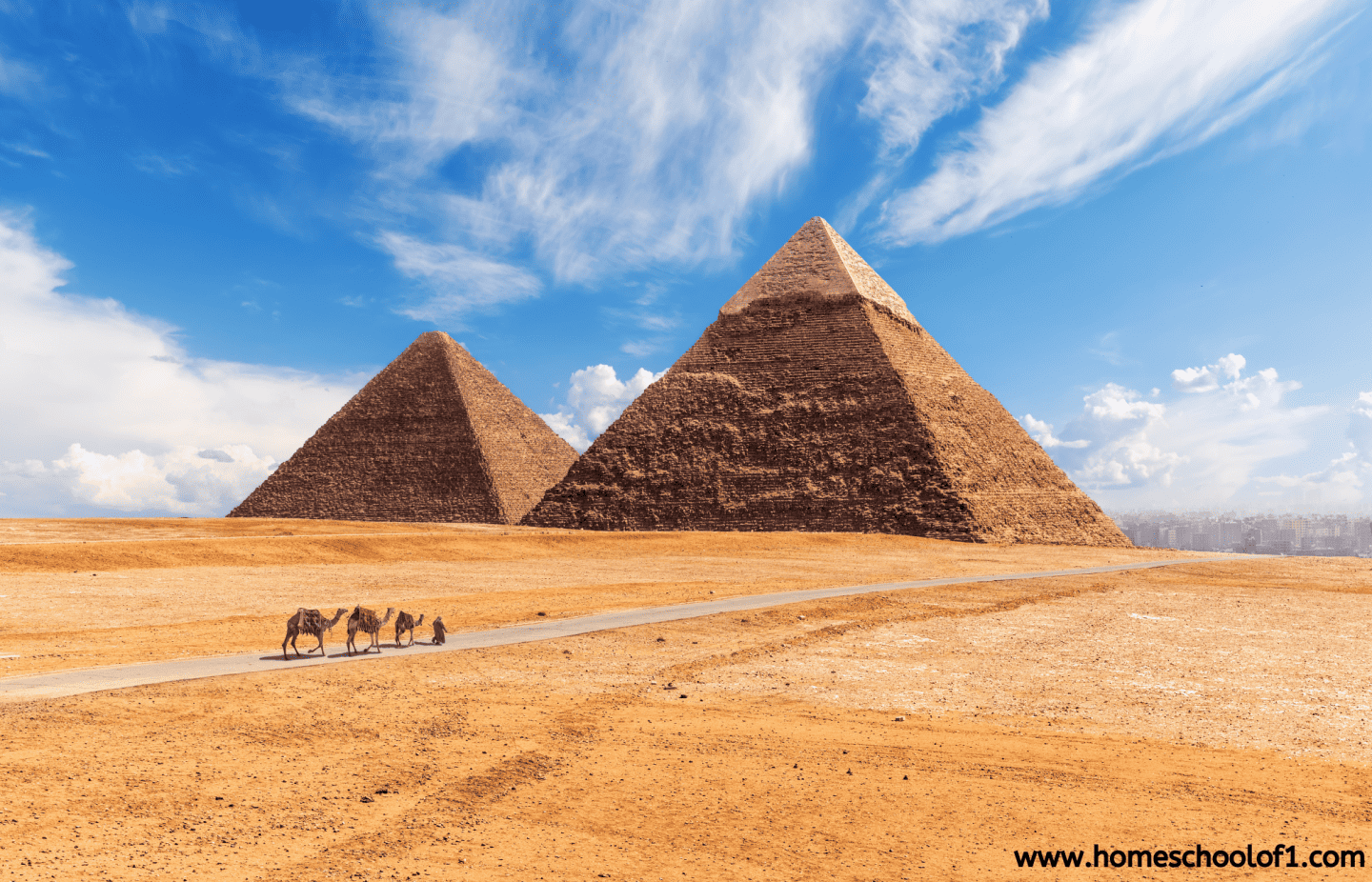
It’s also carefully aligned with north, south, east, and west. That detail alone usually sparks a great discussion about how skilled ancient Egyptian builders and astronomers really were.
Inside, there are three main chambers, including the King’s Chamber, which still contains a granite sarcophagus. Interestingly, when explorers entered the pyramid in more modern times, they didn’t find treasure or a mummy inside. That mystery is part of what keeps students so curious about it.
And perhaps the most impressive fact of all? The Great Pyramid of Giza is the only remaining wonder of the original Seven Wonders of the Ancient World. Every other one is gone.
Studying Egypt? Our continent of Africa worksheets are a great next step for geography practice.
Books About Pyramids for Kids
When we add books to a worksheet, it’s usually because I want the topic to feel bigger than a single page. The Great Pyramid is one of those subjects where a good book makes all the difference.
Here are a few that work especially well alongside this worksheet, depending on the age and interest level.
- If You Were a Kid Building a Pyramid – This one works beautifully with younger elementary kids because it turns history into a story. Instead of just listing facts, it puts readers into the daily life of someone helping build the pyramid. If your child learns better through narrative than straight nonfiction, this is a great place to start.
- History for kids: Ancient Egypt – If you want something broader than just pyramids, this is a solid overview. It covers everyday life, pharaohs, religion, and culture, which helps kids understand why pyramids were built in the first place. I like using this when we’re doing a short Egypt unit rather than a single lesson.
- Pyramids – This one is ideal for kids who ask comparison questions like, “Are there pyramids anywhere else?” It shows examples from around the world and helps students see patterns in how and why different civilizations built them. It’s especially good for visual learners who like detailed photographs and diagrams.
- Where Are the Great Pyramids? – If your child likes the “Who Was?” style books, this fits right in. It’s straightforward, fact-driven, and easy to read independently. This is the one I’d hand to a confident upper-elementary reader who wants more detail without it feeling overwhelming.
Get Your Great Pyramid of Giza Worksheet Here!
If you are learning all about the wonders of the world, you can download all 14 worksheets. With the new and ancient wonders of the world worksheets for a small fee.
Ready to grab your free printable? Just pop your name and email into the form below, and it’s all yours!
Tip: Use a personal email address (like Gmail), school or work emails sometimes filter printable links.

If you don’t see the form below, click here to get the free PDF.
Last Updated on 2 March 2026 by Clare Brown
