Free Skeletal System Labeling Worksheet

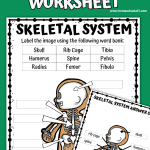
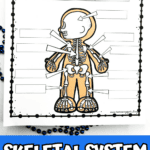
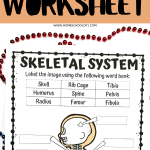
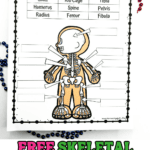
Learning bone names is a lot easier when kids can actually see where everything goes.
This skeletal system labeling worksheet gives them a chance to match the bone names to the correct parts of the body instead of just memorizing a list.
We used it as a simple way to make our human body lessons more hands-on.
**This post may contain affiliate links. As an Amazon Associate and a participant in other affiliate programs, I earn a commission on qualifying purchases.**
What is Included in the Skeletal System Label Worksheet?
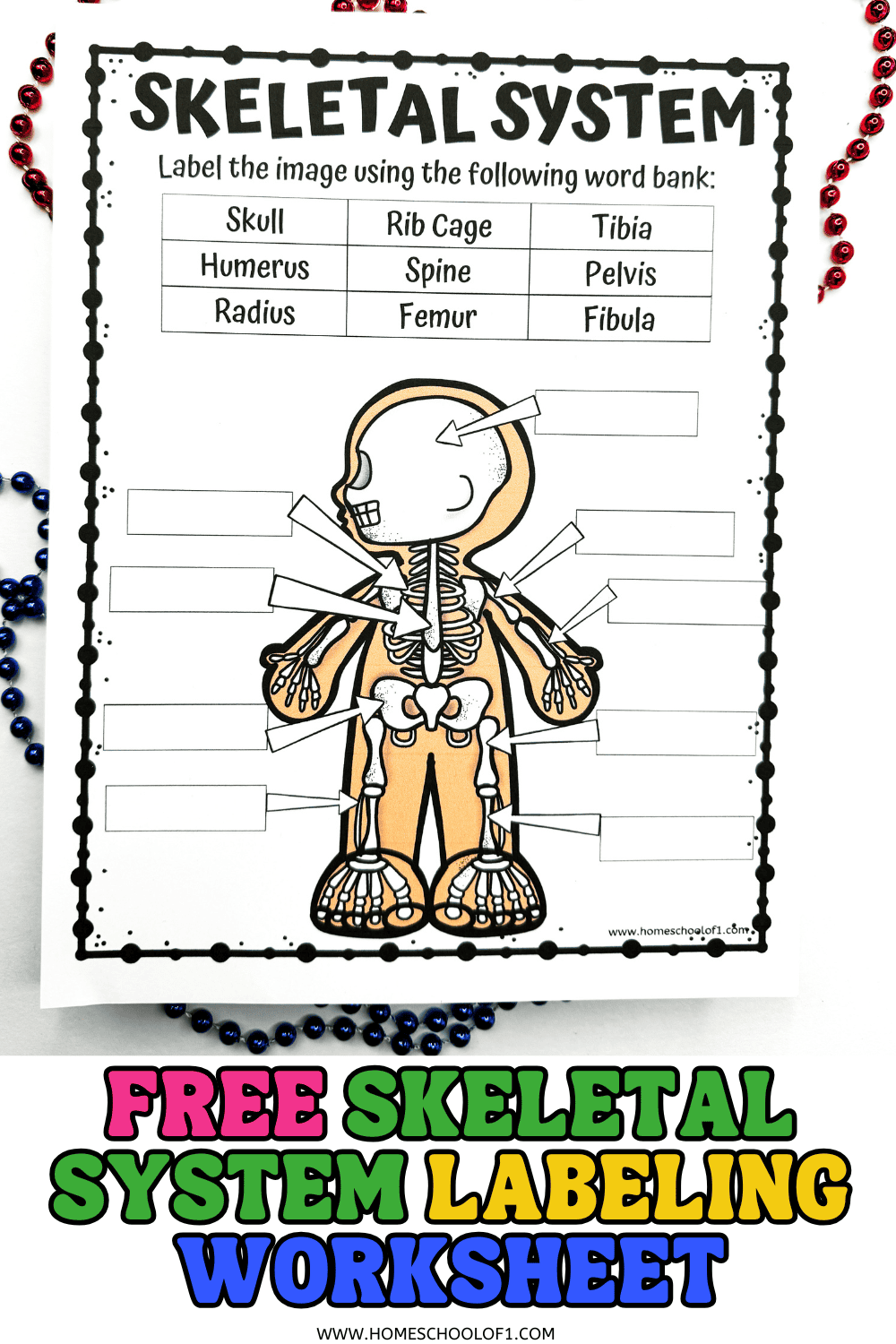
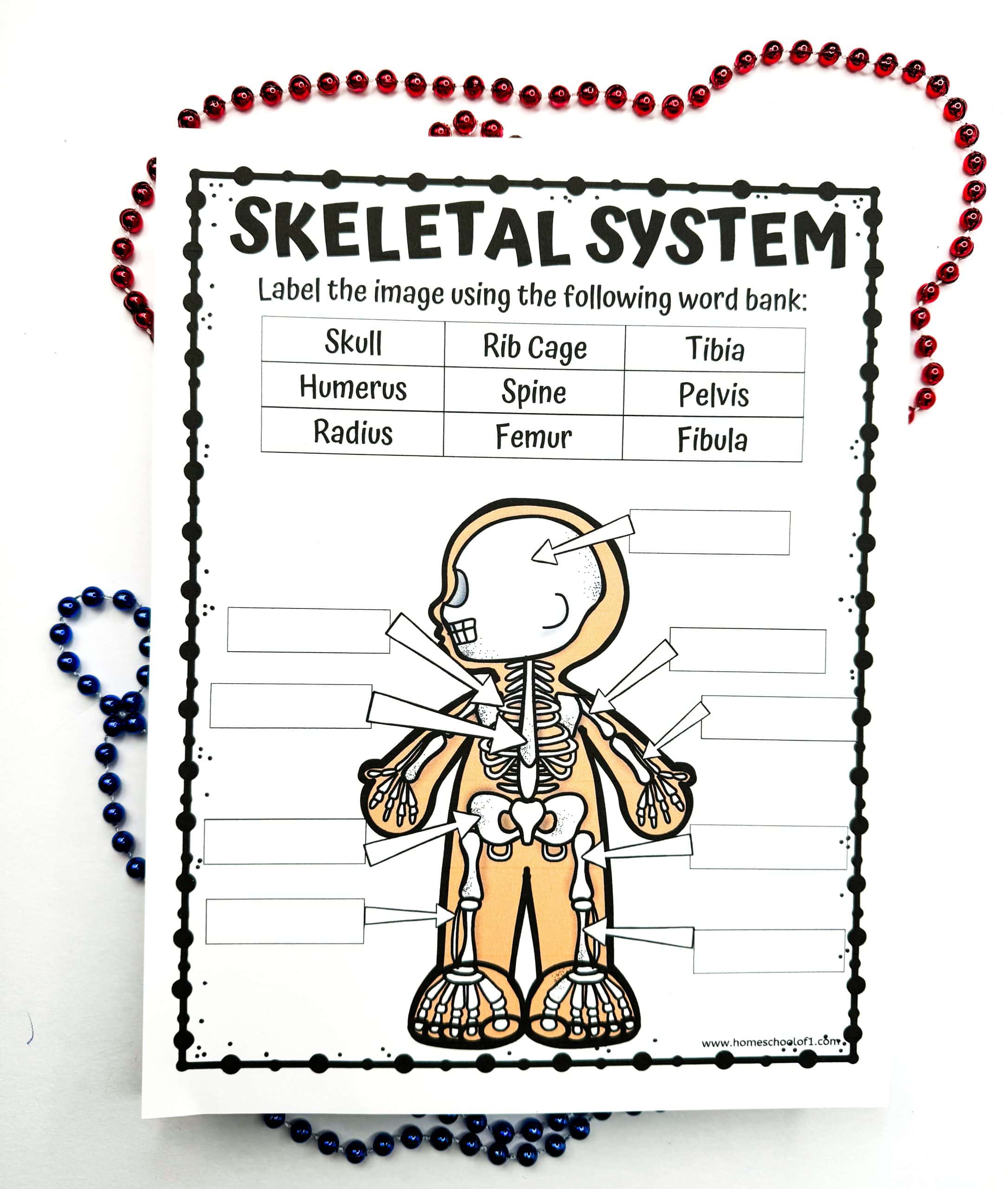
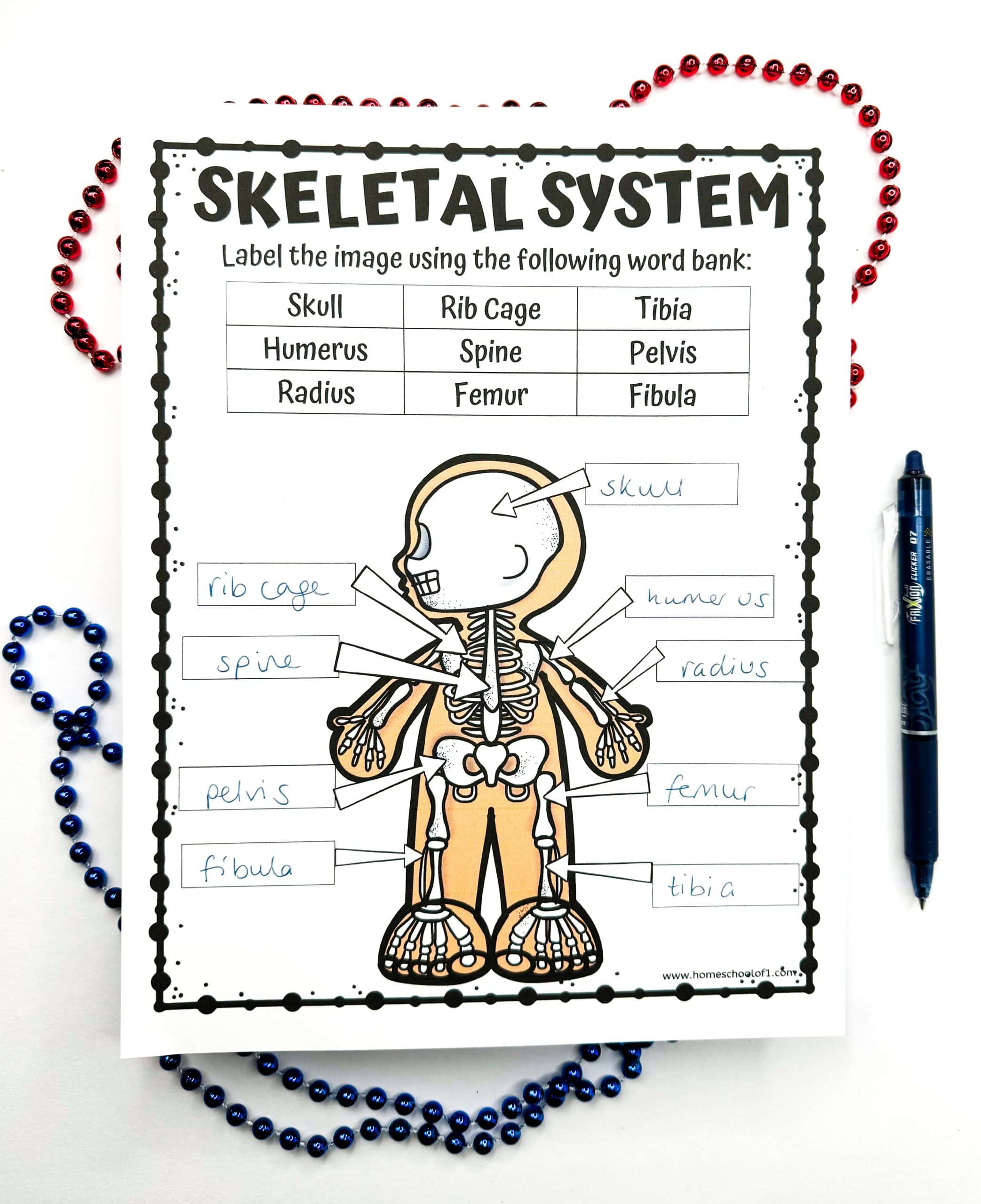
This printable pack includes two pages: a skeletal system labeling worksheet and an answer sheet for easy checking.
Kids use the word bank to label the main bones on the skeleton, then can use the second page to check their work.
It covers the skull, rib cage, spine, pelvis, humerus, radius, femur, tibia, and fibula.
Skull
The skull protects the brain and supports the face. Made up of 22 bones, it includes the cranium, which acts like a helmet, and the facial bones, which form our jaw, nose, and eye sockets.
Fun fact: Babies are born with soft spots (fontanelles) in their skulls that allow their heads to grow and change shape during infancy!
Humerus
The humerus is the long bone in the upper arm, connecting the shoulder to the elbow. It plays a key role in arm movement, allowing us to lift, throw, and carry objects.
Fun fact: The phrase “funny bone” comes from the ulnar nerve, which runs along the humerus. Bumping it sends a tingling sensation down the arm!
Rib cage
The rib cage is made up of 12 pairs of ribs that wrap around the chest, protecting the heart and lungs. Some ribs are attached directly to the sternum (breastbone), while others are more flexible, allowing us to breathe and move easily.
Try this: Take a deep breath in and feel your rib cage expand, this is how it helps with respiration!
Radius
The radius is one of the two bones in the forearm, and it is on the thumb side of the arm. Kids often mix up the radius and ulna on the worksheet, so it helps to remember that the radius is the bone closer to the thumb.
When labeling the skeleton, look at the lower arm and find the bone on that side.
Spine
The spine, or vertebral column, is made up of 33 small bones called vertebrae. It supports the body, allows flexibility, and protects the spinal cord, which sends messages between the brain and the rest of the body.
Fun fact: Humans are actually slightly taller in the morning because the cartilage between our vertebrae compresses during the day!
Try another fun activity: Check out our body systems worksheet to learn how the skeletal system works with other parts of the body!
Pelvis
The pelvis sits at the base of the spine and supports the upper body. It also connects the torso to the legs, which makes it easier for kids to spot on the worksheet.
When labeling the skeleton, look for the large bone shape around the hips.
Femur
The femur is the upper leg bone that runs from the hip to the knee. Kids can usually find it quickly on the worksheet because it is the big bone in the thigh.
To label it, look at the top part of each leg between the pelvis and the knee.
Tibia
The tibia, or shinbone, is the larger of the two bones in the lower leg. It supports most of our body weight and helps with walking and standing.
Try this: Tap the front of your lower leg, you’re feeling your tibia, which sits just beneath the skin!
Want more anatomy activities? Check out our body systems word search to reinforce learning in a fun way!
Fibula
The fibula is a thinner bone that runs alongside the tibia. While it doesn’t bear much weight, it helps with balance and muscle attachment.
Fun fact: The fibula is often used in bone grafts to repair other bones in the body because it can regrow after part of it is removed!
Ready to Teach the Entire Human Body?
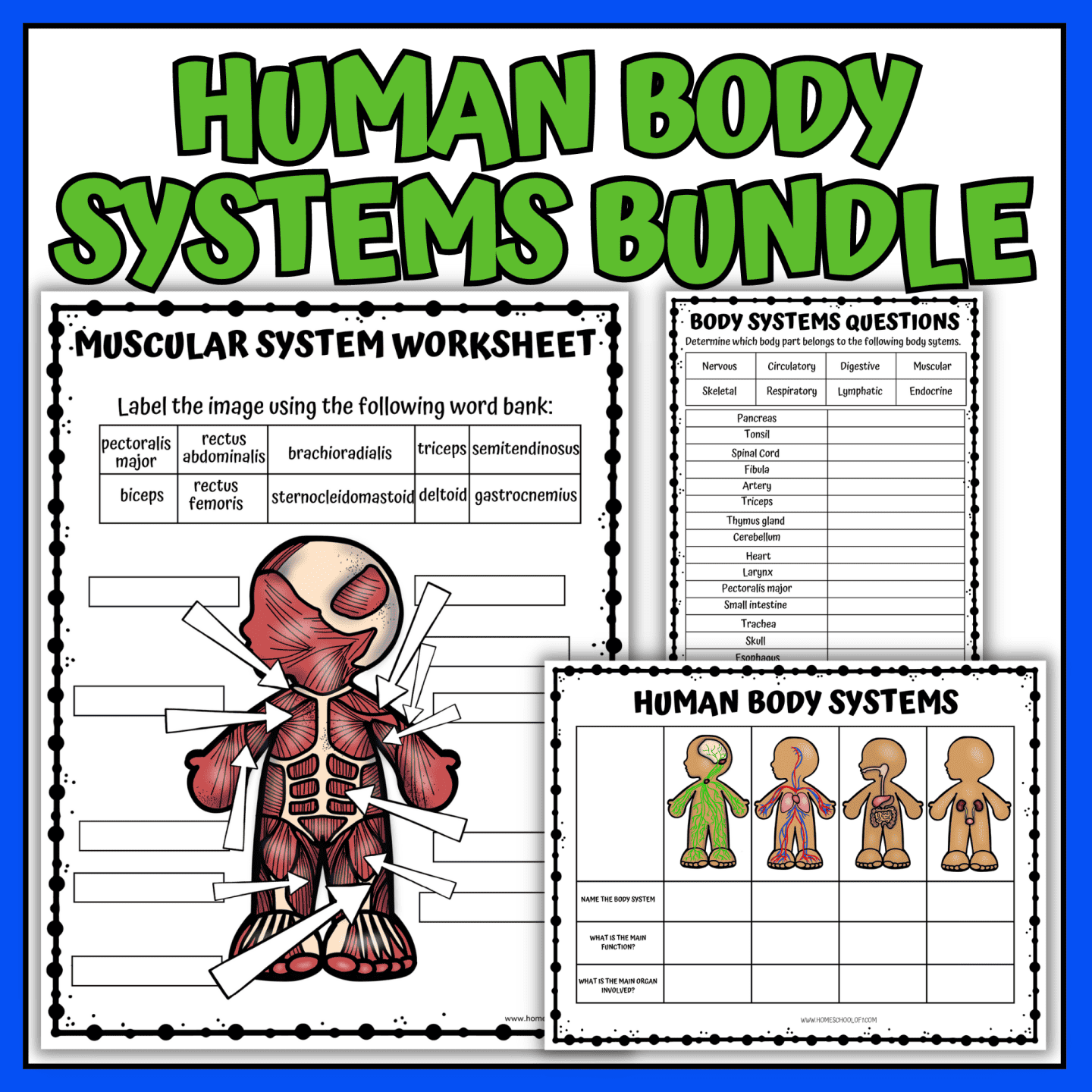
Upgrade from a single free worksheet to a complete 28-page human body systems unit.
- 10 body systems
- Labeling activities – Review questions
- Word search puzzles – Answer keys included
Perfect for upper elementary science and homeschool anatomy lessons.
Best Books About the Human Body for Kids
Adding a few good books to this worksheet can help kids understand the human body in a more engaging way. These are some of our favorite anatomy resources for making science lessons more interesting and easier to remember.
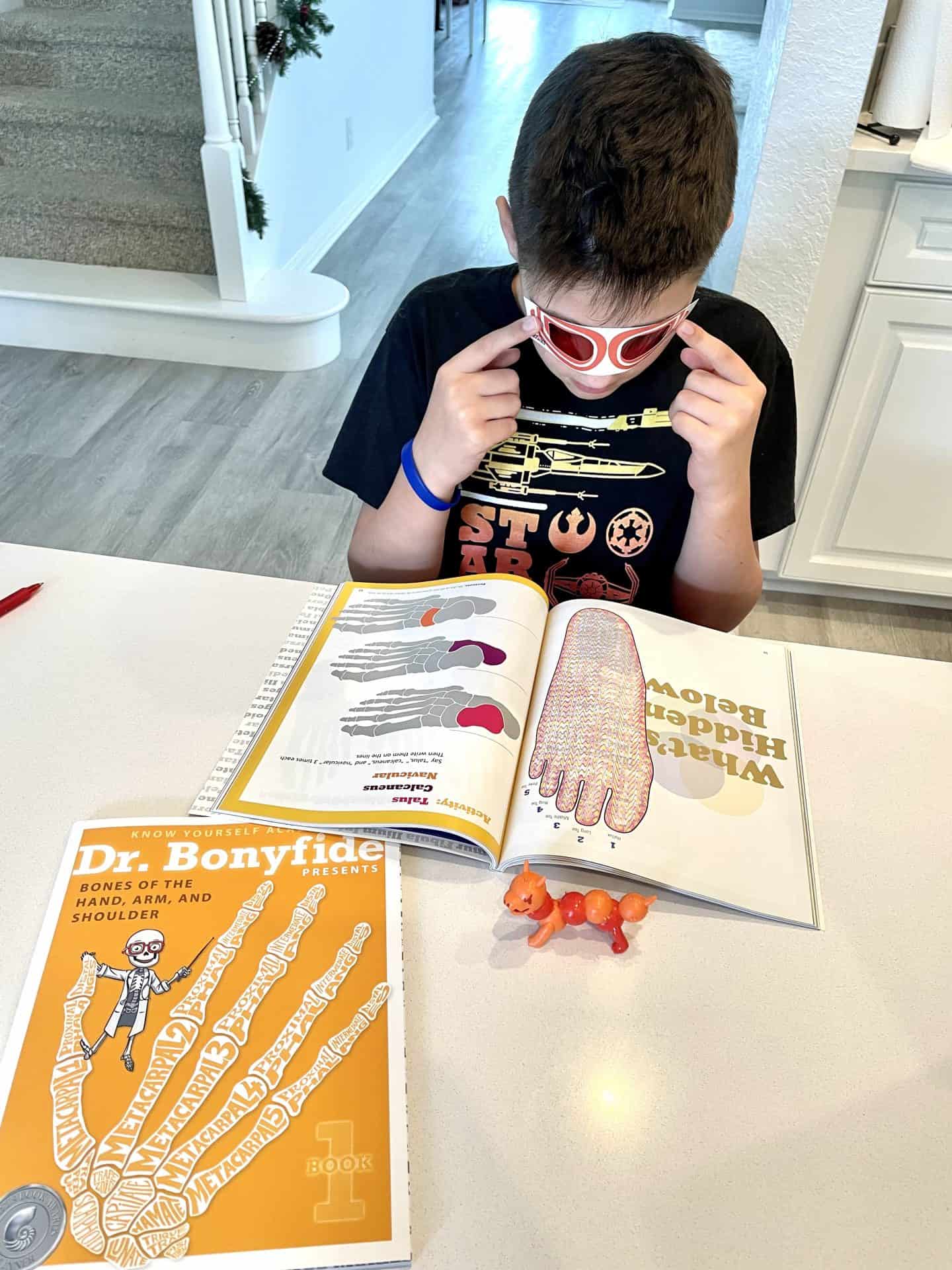
Know Yourself – This interactive series is a fun way for kids to learn about anatomy. The hands-on style makes it especially appealing for children who enjoy exploring how the body works. If you use my link, you can also get 15% off.
Human Anatomy for Kids – This is a good choice for introducing the skeletal system, muscles, and organs in a way that feels clear and approachable. The colorful illustrations help break down big topics for younger learners.
How Does My Body Work? – This book works well for kids who like activities as much as reading. It covers different body systems and includes hands-on ideas that make the science feel more practical.
Ultimate Bodypedia – This is a great pick for kids who want to go beyond the basics. It is packed with facts, diagrams, and photos, so it works well for children who love to look closely and ask lots of questions.
For a more hands-on approach, try a Skeleton Bone Sensory Bin, which lets kids explore bones through play while reinforcing what they’ve learned from the worksheet.
Get Your Free Label the Skeletal System Worksheet Here!
Ready to grab your free printable? Just pop your name and email into the form below, and it’s all yours!
Tip: Use a personal email address (like Gmail), school or work emails sometimes filter printable links.
If you don’t see the form below, click here to get the free PDF.
Last Updated on 11 April 2026 by Clare Brown
