Turtle books for preschoolers were always an easy win in our house, especially when my son was going through his animal-obsessed phase and wanted anything with shells or ocean scenes.
We ended up reading quite a mix over the years, from simple board books at bedtime to fact-filled titles he’d flip through on his own.
These are the ones that actually held his attention, sparked questions, or got requested more than once, which, at that age, says more than any review ever could.
**This post may contain affiliate links. As an Amazon Associate and a participant in other affiliate programs, I earn a commission on qualifying purchases.**
Books About Turtles for Preschoolers
Turtle-themed stories tend to work well with preschoolers because the pacing is slower and the illustrations usually carry a lot of the storytelling.
These picks include a mix of gentle picture books, interactive reads, and simple nonfiction for kids who are already asking questions about how turtles live.
We’ve rotated through quite a few of these over the years, and the ones below are the titles that actually held attention past the first read.
All Things Turtles For Kids
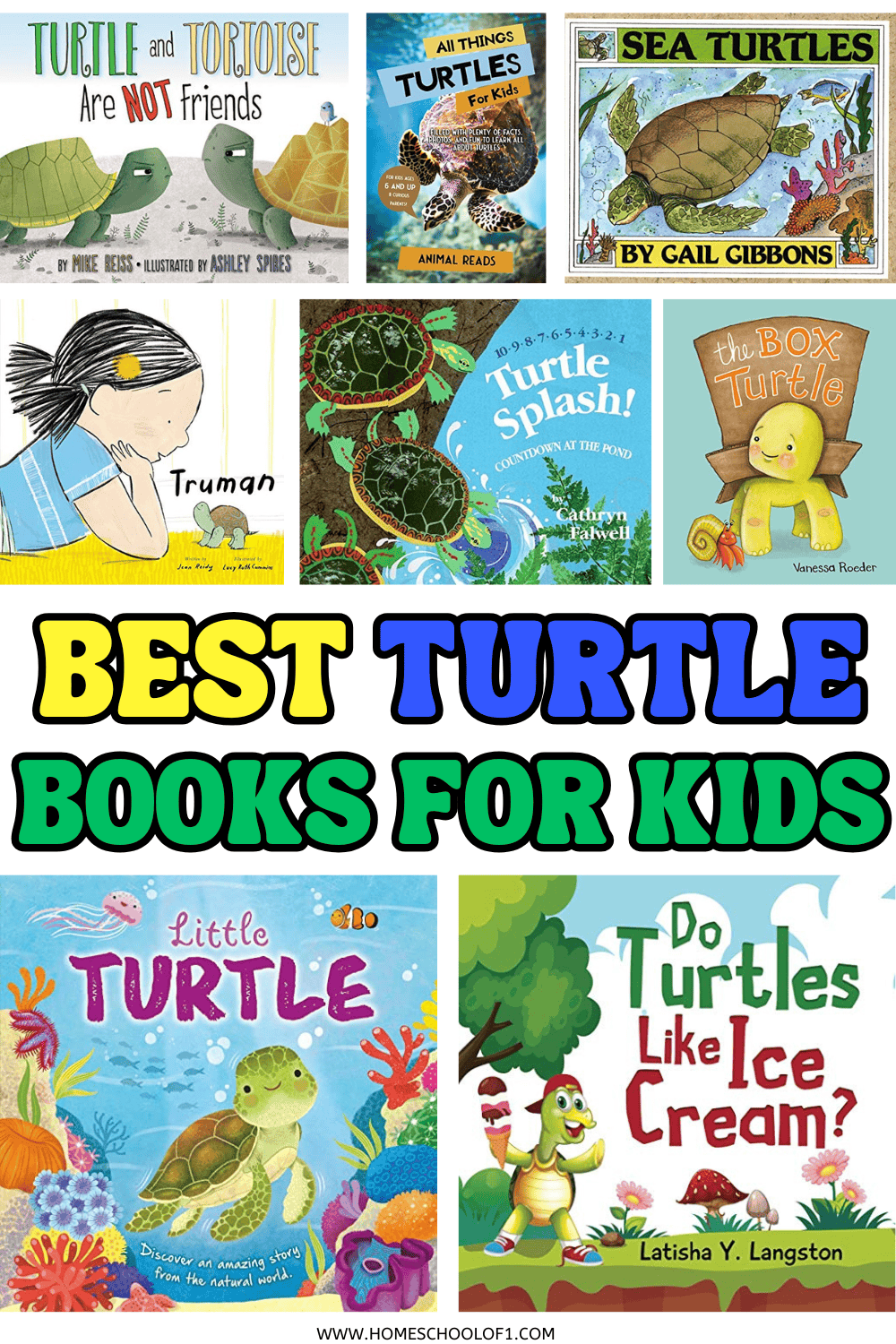
This ended up being one of the books we kept going back to whenever the “why do turtles…?” phase kicked in. The photos are clear enough for little kids to actually study, not just glance at, and the explanations about shells and habitats are simple without feeling watered down. It worked well as a sit-together book where we’d read a page, then end up talking about it for five minutes.
This is the kind of board book that survives being dragged around the house and read over and over. The story itself is very gentle, mostly following the little turtle through everyday moments, which made it an easy bedtime choice when we needed something calm and predictable. It’s especially good for kids who like looking closely at nature scenes.
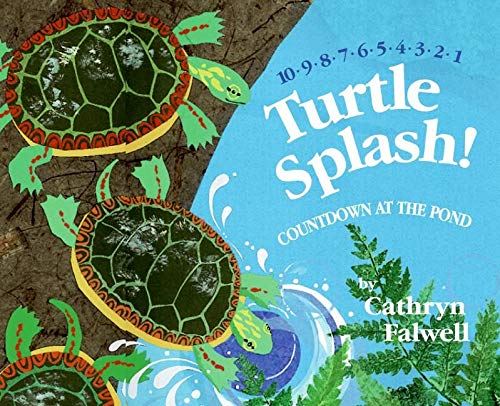
We used this one when counting books were still interesting enough to hold attention. The rhythm makes it easy to read aloud without stumbling, and younger kids tend to get invested in guessing which turtle disappears next. It’s one of those books that works well even if they’re not sitting perfectly still the whole time.
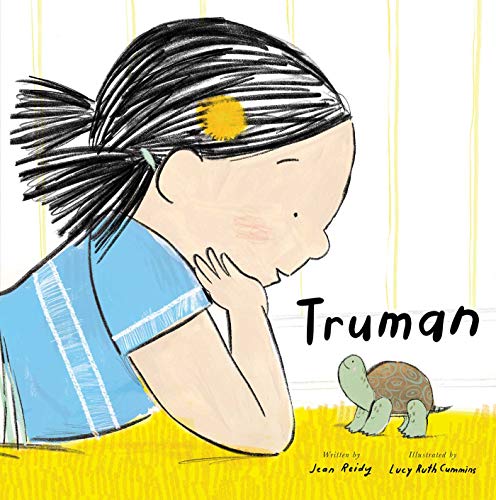
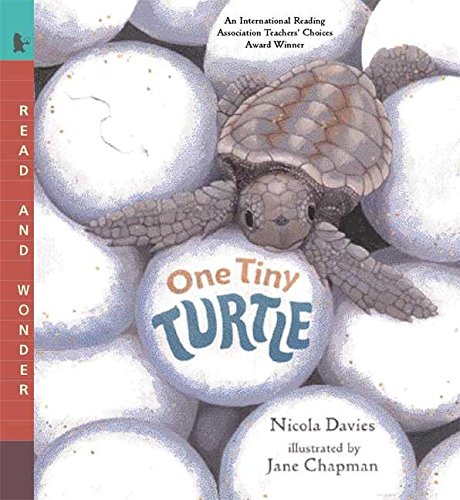
This one surprised me a bit because it’s such a quiet story, but it ended up sticking. The idea of a tiny turtle setting out on his own felt big enough to matter without being overwhelming. When my son was younger, it opened up some nice conversations about first days, being brave, and missing someone during the day.
This is much funnier than it looks at first glance. The back-and-forth between the two characters actually got a few genuine laughs, especially the stubborn moments where neither one wants to give in. It also ended up being an easy way to explain the difference between turtles and tortoises without turning it into a mini lesson.
This one felt a bit slower than some of the others, but that actually worked in its favor. The illustrations have enough detail that we’d end up lingering on each page longer than planned. The theme about not quite fitting in landed well without needing to spell everything out, which made it one we reread more than I expected.
Anything with textures usually got immediate attention at that age, and this was no exception. The pages are sturdy enough to survive enthusiastic “ticking,” and it’s one of those books that doesn’t really get read straight through, it turns into a lot of pausing, touching, and repeating the same pages again.Related: Turtle worksheets for preschoolers
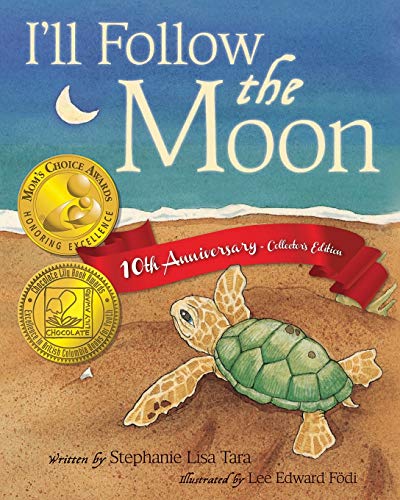
This one was more about movement than sitting quietly. The story follows the hatchling heading toward the ocean, but realistically we never read it without someone wiggling along with it. It worked well when attention spans were short and we needed something interactive rather than purely read-aloud.
Gail Gibbons books have always been an easy bridge between picture books and “real” nonfiction. This one answered a lot of the basic questions that kept coming up, especially about where sea turtles live and why they come back to the same beaches. We didn’t read it all in one go very often, it was more of a dip-in, talk-about-one-page type book.Related: Printable sea turtle life cycle worksheet
This is a softer, quieter read compared to some of the others on the list. The rhymes are simple enough that younger preschoolers can follow along, and the illustrations kept the focus on the animals without being too busy. It worked well as a wind-down book rather than something meant to hold attention during active playtime.
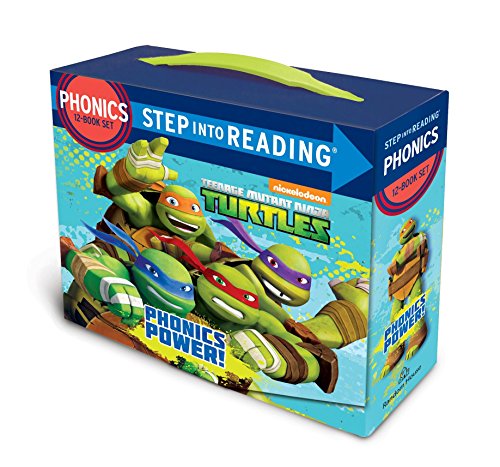
This wasn’t on our list because it’s “about turtles” in the traditional sense, but because anything with the Ninja Turtles logo instantly got more attention than a standard early reader ever would. The short, leveled stories made it easier to practice sounding out words without it feeling like work, and the familiar characters kept motivation high on days when reading wasn’t the first choice.Related: Turtle games for preschoolers.
This one leaned into the silly side, which helped when we needed something light. The whole premise led to a lot of laughing and guessing what animals actually eat versus what they definitely don’t. It’s the kind of book that gets read quickly, then immediately flipped back to the beginning because they want to see the funny parts again.
If your child prefers real photos over illustrations, this is usually an easy win. The images are clear and interesting enough that we’d end up pausing mid-page to talk about what we were seeing rather than rushing through the text. It also works well for kids who are starting to recognize familiar words but still want something that feels “grown-up.”
This became one of those quieter end-of-day reads that doesn’t overstimulate right before bed. The pacing is slow and predictable, which helped when we were trying to wind things down after a busy day. It’s not dramatic or fast, but that’s exactly why it worked so well in our nighttime rotation.
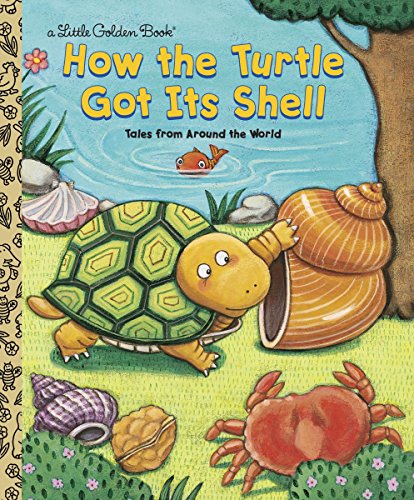
We didn’t treat this like a strict folklore lesson, it was more about enjoying the storytelling. The illustrations carry a lot of the mood, and it opened up some good conversations about why different cultures tell stories to explain nature. It’s a nice change from the more factual turtle books on the list.
This was one of the easier early readers to hand over without needing to sit right beside him the whole time. The text is short enough to feel manageable, and the real photos gave us something concrete to talk about after each page. It worked well during that stage where confidence mattered more than finishing a long book.Have fun with our free sea turtle life cycle coloring page.
This one leans heavily on visuals, which helped keep interest even when we didn’t read every word. The photos are the kind kids stop and stare at, especially the hatchlings heading to the ocean. We tended to flip through it more like a mini documentary than a traditional cover-to-cover read.Add this book to our favorite preschool turtle activities
This felt like a gentle first step into “real” animal nonfiction. The explanations are straightforward, and it doesn’t overwhelm younger readers with too much detail at once. It was useful when questions started getting more specific, things like how they hatch or where they actually spend most of their time.
This is one we saved for calmer reading moments. The language is more lyrical than some of the others on the list, and the journey toward the ocean gives it a nice, steady rhythm. It’s the type of story that works best when you’re reading slowly rather than rushing through pages.
This book bridges story and science really nicely without feeling like a lesson. The life cycle is woven into the narrative in a way younger kids can follow, especially if they already like ocean animals. We ended up revisiting certain pages more than others, mainly the parts showing how the turtle grows and travels.
This one isn’t strictly a “turtle book,” but the animal illustrations were enough to keep it in our regular rotation when board books were still the default. The peek-through pages gave little hands something to interact with, which helped when sitting still wasn’t happening. It worked more as a cuddle-time book than something we read for the storyline.Pair this with our free Turtle tracing worksheet.
This was one of those titles that sparked a surprising number of follow-up questions. The facts are presented in small, digestible bits, so we’d often read a page and then pause to talk about whatever new detail came up. It’s a good choice if your preschooler is already in the “why does that happen?” phase.
A calm, predictable read that fits well at the end of the day. The different turtle habitats give you something to point out and name as you go, but the overall tone stays quiet and steady. We tended to use it as a wind-down book when we wanted something gentle that wouldn’t restart the energy right before lights out.
Whether your child leans toward silly stories or fact-filled picture books, this mix gives you a good starting point if turtles are currently the favorite animal in your house.
A few of these ended up in our regular bedtime rotation simply because they were the ones that kept getting pulled back off the shelf.
Clare Brown is the founder of Homeschool of 1. She creates free printables and practical learning activities inspired by her years of homeschooling her son. Her work has been featured in Parade, HuffPost, Business Insider, Motherly, AOL, and Yahoo. Read more.