Finding the right homeschool science kits has made hands-on learning way more manageable and a lot more fun for both of us.
Science never came easily here, so I’ve always looked for ways to make it more interesting. STEM kits, experiments, and real lab tools helped turn abstract lessons into something my son could actually see, build, or test himself.
Whether it was growing bacteria, building circuits, or dissecting a frog (yes, really), these science kits have made a big difference in how we learn at home.
**This post may contain affiliate links. As an Amazon Associate and a participant in other affiliate programs, I earn a commission on qualifying purchases.**
Science Kits That Actually Got Used at Our House
Science should be hands-on and fun, not just something to check off the list. These kits helped turn ‘just another lesson’ into something my son actually looked forward to.
Some focus on chemistry or engineering, while others cover a bit of everything. For hands-on science at home, these are the kits we’ve used and would genuinely recommend.
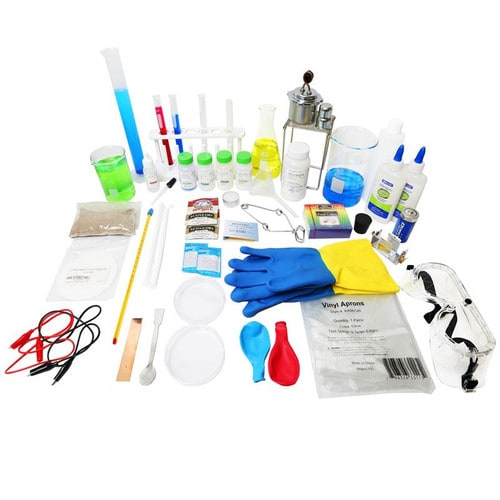
Complete Introduction to Chemistry
We used this one when my son was ready for something more than the usual baking soda experiments but not quite ready for a full high school lab course. It gave him a proper introduction to chemistry with enough variety to keep it interesting, and the equipment made it feel more like “real science” than a toy. A couple of the experiments needed a bit more setup than expected, so it worked best when we had time to slow down and do it properly rather than squeeze it into a quick lesson.
Read More
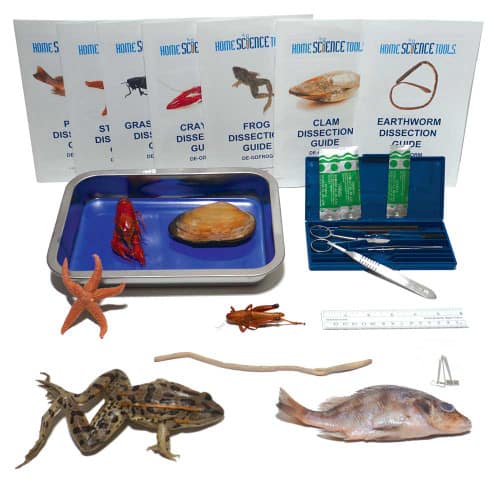
Intermediate Dissection Kit
We saved this one until my son was old enough to handle it without getting completely grossed out, and I’m glad we waited. It ended up being one of those science activities he still talks about because it felt so different from our usual homeschool routine. It definitely took more prep than most of the other kits, and it’s not something I’d pull out on a whim, but if you have a child who is genuinely curious about anatomy, it makes a much bigger impression than reading about body systems in a book.
Read More
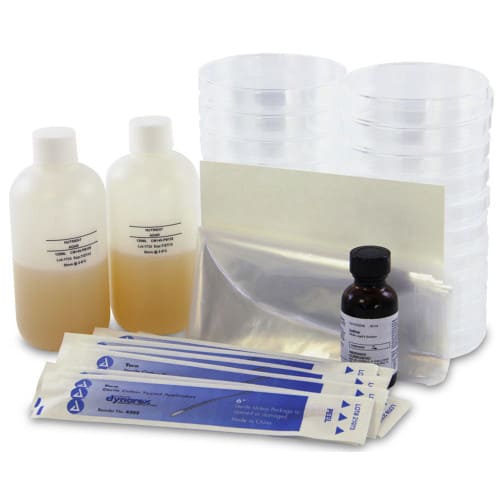
Bacteria Growing Kit
This one was a big hit because it let my son test things he was already curious about, like which surfaces in the house were actually the dirtiest. That made it feel less like a planned lesson and more like a real experiment, which helped him stay interested. I liked it most for the discussions that came after, especially when the results weren’t what he expected. If your child enjoys asking questions and making predictions, this is a fun one to do over a few days rather than all at once.
Read More
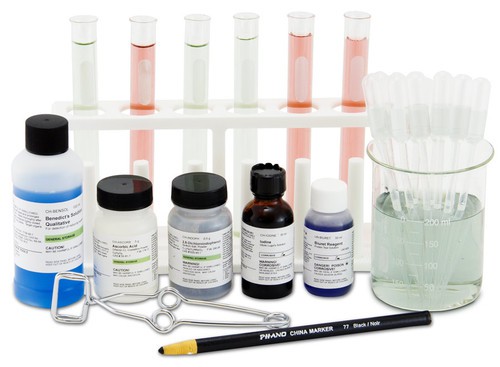
Chemistry of Food Experiment Kit
I liked this one because it made chemistry feel much less intimidating. Using food as the starting point gave my son something familiar to connect the experiments to, so it didn’t feel like I was introducing a completely abstract topic out of nowhere. It worked especially well on days when I wanted science to feel practical and easy to relate to. I’d recommend it for kids who are more engaged when they can see how science fits into everyday life.
Read More
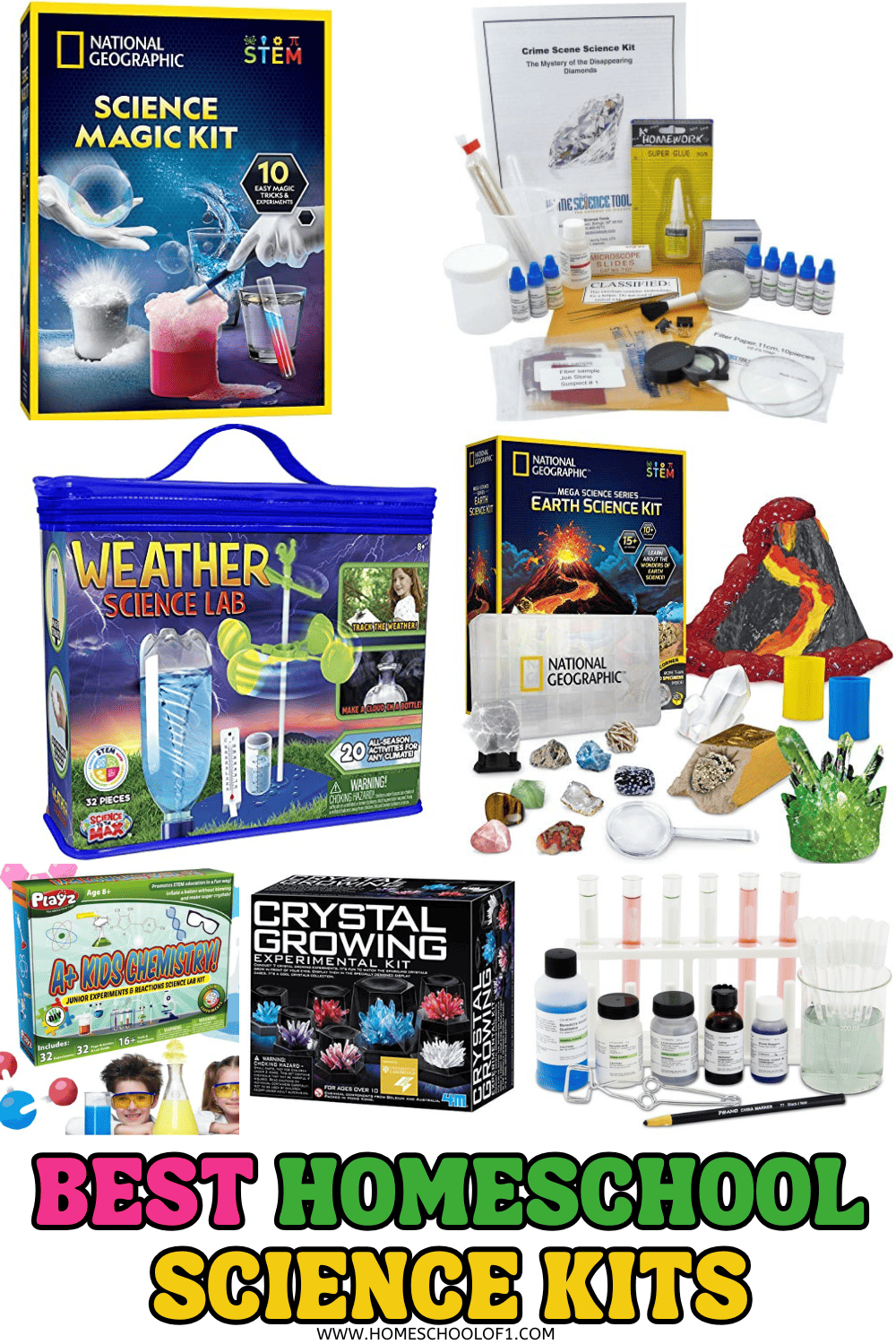
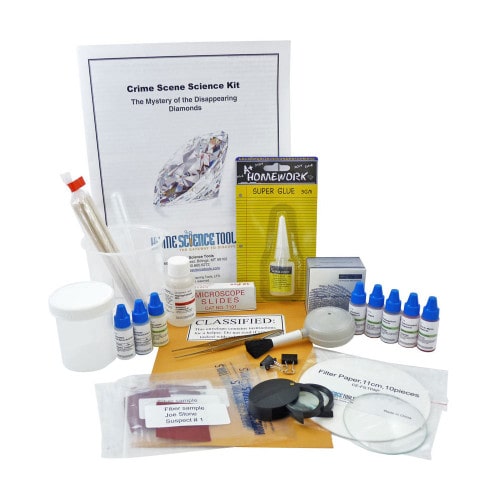
Crime Scene Investigation Kit
This one held my son’s attention better than I expected because the mystery side of it gave him a reason to keep going. Instead of doing an experiment just to do it, he wanted to solve something, and that made the whole activity feel more exciting. It worked best when he was in the mood to really focus, since there are a few steps to follow, but for kids who enjoy puzzles and problem-solving, it’s a nice change from the usual science kit format.
Read More
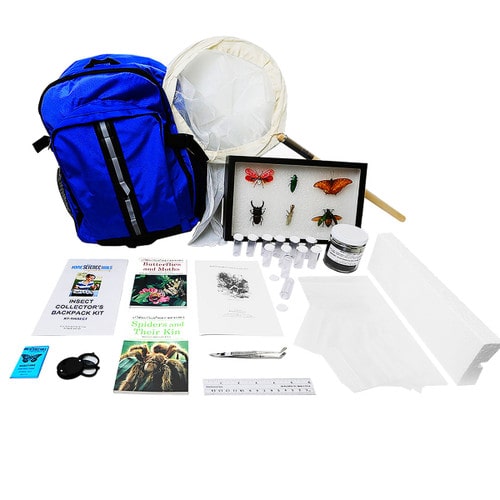
Insect Collector’s Backpack Kit
This was a good fit for us because it got science outside, which always helps when bookwork starts to feel a bit stale. My son liked having an actual reason to go looking around the garden and woods, and it turned into one of those kits that was used more than once instead of forgotten after a day. I’d especially recommend it for kids who are happiest outdoors and prefer observing real things over sitting through a lesson on insects.
Read More
Mega Science Lab
What I liked about this one was that it gave us options. Some days my son wanted to do something quick, and other days he wanted to spend longer experimenting, so having a mix of activities in one box made it easier to keep science flexible. It’s a good choice if you’re not quite sure which branch of science your child enjoys most yet, because it lets them try a bit of everything without you needing to commit to one topic straight away.
Read More
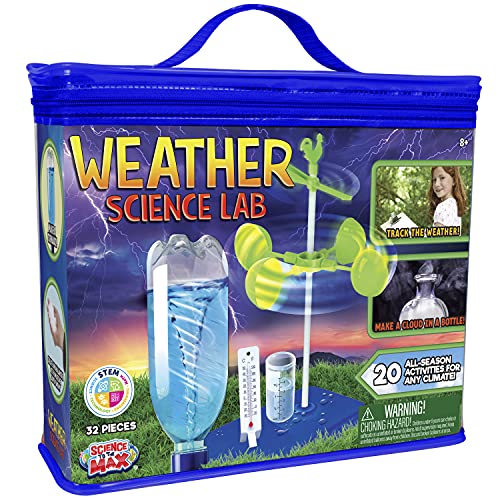
Weather Science Lab
We used this when we were covering weather in our homeschool, and it helped far more than just reading about clouds and air pressure ever did. My son understood the topic much better once he could actually see some of the ideas in action, and that made the lessons stick. I found this especially helpful for visual learners or kids who switch off when science gets too theoretical. It gave us an easy way to make weather feel like something observable instead of something abstract.Pairing this with our free weather worksheets helped reinforce the concepts even more.
Read More
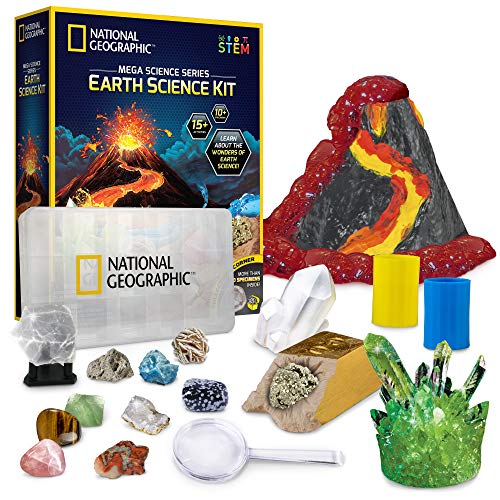
NATIONAL GEOGRAPHIC Earth Science Kit
This one worked well because it covered enough different earth science topics to keep my son interested without me having to piece activities together myself. He especially enjoyed the parts that felt more hands-on and collectible, like digging and crystal growing, because they gave him something to show for his effort at the end. If your child is into rocks, volcanoes, or anything geology-related, this is an easy way to make that interest feel like part of your homeschool rather than just a side hobby.
Read More
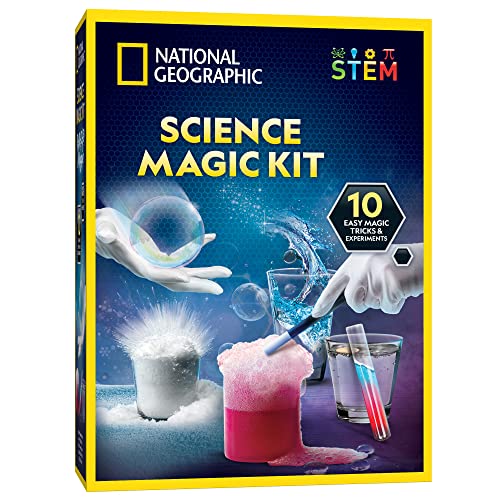
Magic Chemistry Set
I really liked this one for the simple reason that it made chemistry feel fun straight away. The magic-trick angle helped pull my son in before he had time to decide it sounded too much like school, and once he was interested, the science part was much easier to talk through. This is a great option for younger kids or for any child who needs a bit of novelty to stay engaged.
Read More
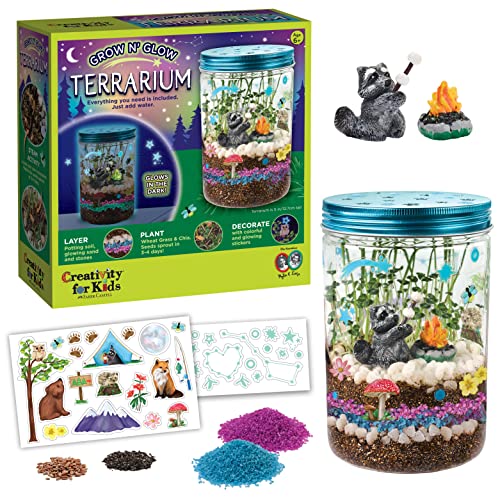
Creativity for Kids Grow ‘N Glow Terrarium Kit
We used this during a botany unit, and it was one of those activities that quietly worked really well because it was easy to keep going once we started. My son enjoyed putting it together, but I also liked that it gave us something to observe over time instead of being finished in one afternoon. It’s a nice choice for younger kids and for parents who want a science activity that feels hands-on without becoming messy or high effort.
Read More
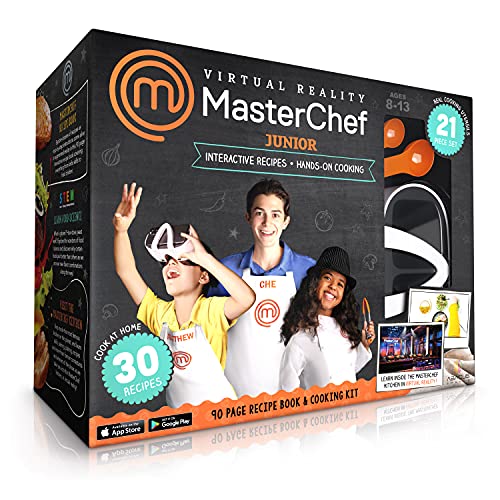
VR MasterChef Junior
This one is a bit different from the other kits, but it worked well for us because it brought science into something my son already enjoyed. Looking at food science through cooking made the learning feel more natural, and it was easier to keep him interested when he could connect it to something familiar. I think this works best for kids who are not instantly drawn to traditional science kits but do enjoy being in the kitchen and trying something interactive.
Read More
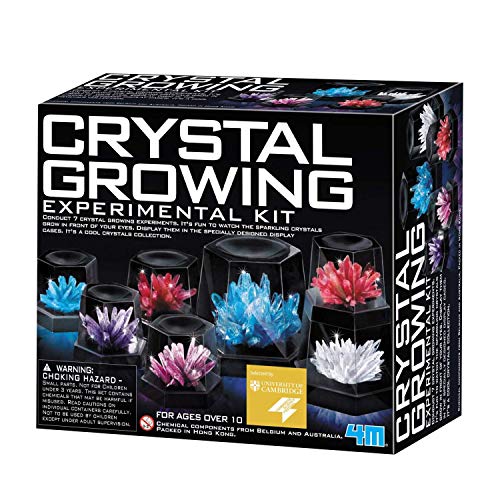
Crystal Growing Science Experimental Kit
My son liked this one because it gave him something to check on over time rather than something that was over in half an hour. Watching the crystals slowly form kept him interested for longer than I expected, and it opened up some good conversations about patience, observation, and how small changes can affect results. This is a nice option for kids who enjoy science activities with a creative side, especially if they like making or displaying what they’ve worked on.
Read More
KiwiCo
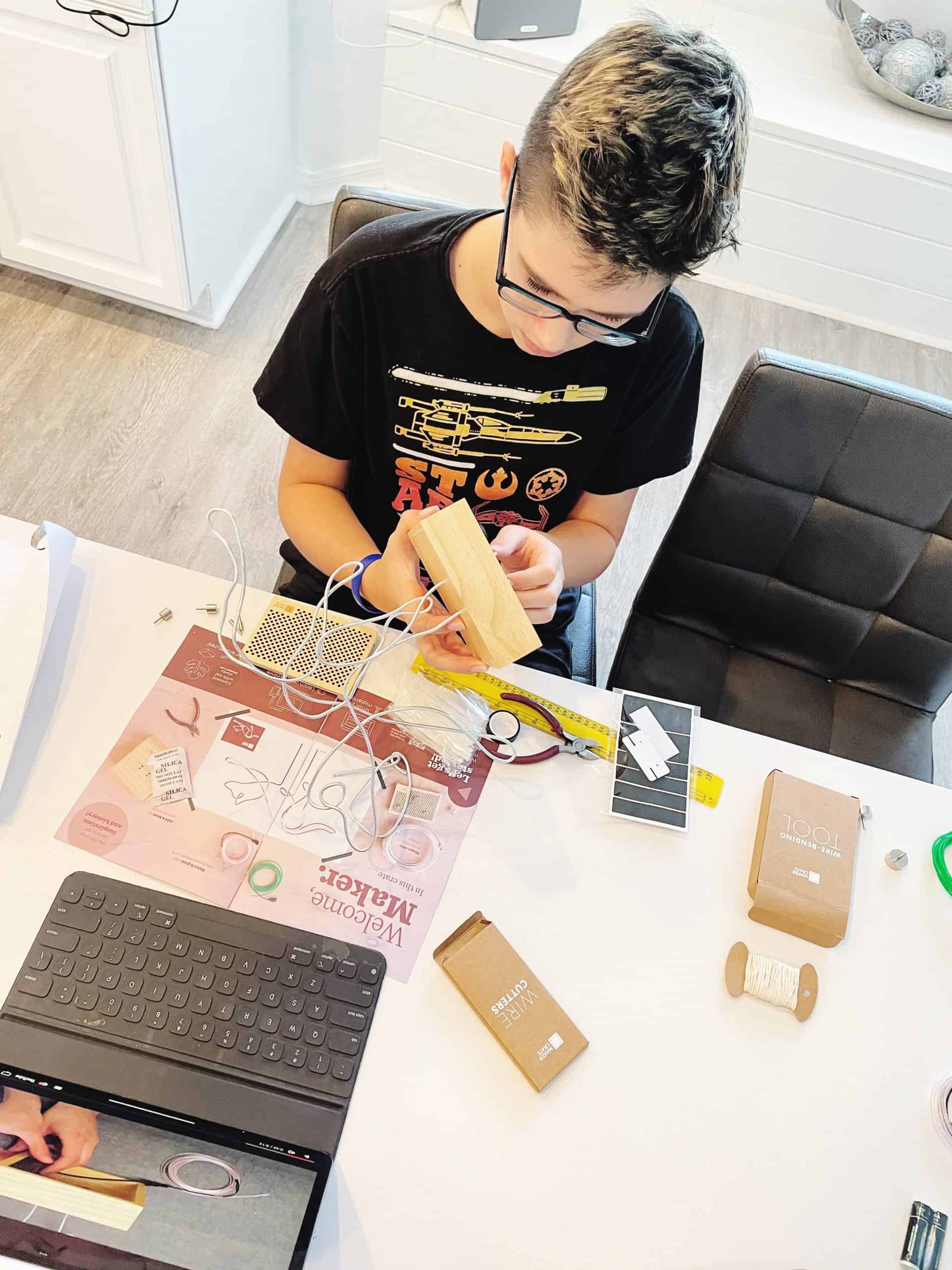
We’ve used KiwiCo on and off in our homeschool, and what I like most is that the projects usually feel manageable without losing that hands-on element. My son has always been more engaged when he gets to build or test something for himself, so these boxes worked well for that. They’re especially helpful when I want something ready to go without having to gather materials first. Not every crate is purely science-focused, but for kids who like making, experimenting, and figuring things out as they go, they can be a really good fit.
Read More
Mel Science
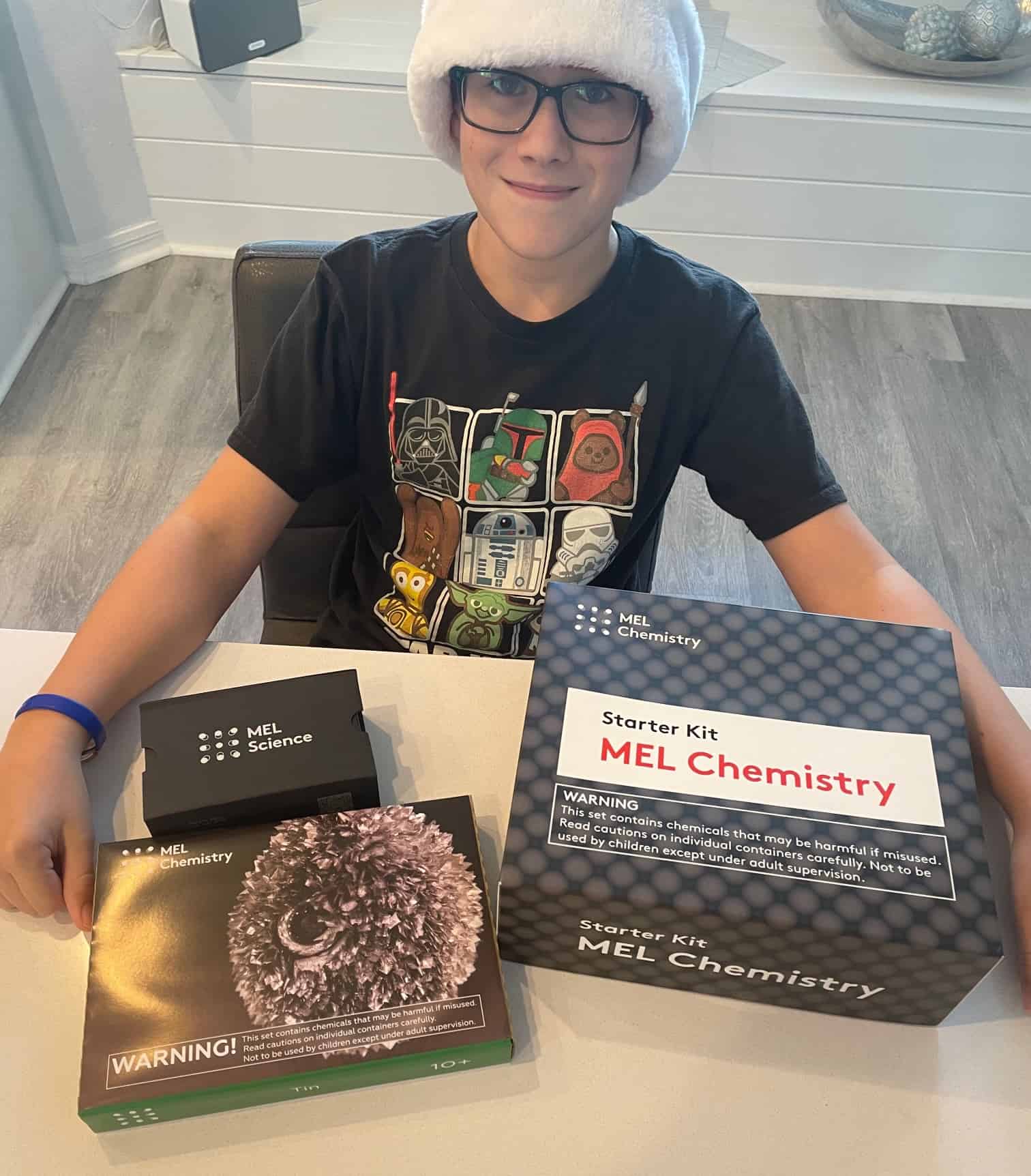
Mel Science felt like a better fit once my son was ready for something more serious than the usual beginner kits. The experiments are more advanced, and that made them feel more worthwhile for an older child who wanted real science rather than something obviously designed for younger kids. I wouldn’t start here for a complete beginner, but for middle school or high school homeschoolers who are ready for more structure and depth, this can be a really solid option.You can read more about why we love it with our Mel Science subscription review.
Read More
Last Updated on 15 April 2026 by Clare Brown