Homeschool Foreign Language Curriculum

Teaching a foreign language at home felt intimidating at first, especially since I’m not fluent in anything beyond basic travel phrases.
I didn’t want to rely on guesswork, but I also didn’t want language learning to become stressful.
Over the years, we’ve tried Spanish, ASL, Japanese, French, and even dipped into German. Some programs were fun but faded quickly.
Others actually stuck. These are the foreign language options that worked in our homeschool, across different ages and confidence levels. If you’re still trying to choose across subjects, this homeschool curriculum finder makes it easier to compare options by grade, subject, and learning style.
**This post may contain affiliate links. As an Amazon Associate and a participant in other affiliate programs, I earn a commission on qualifying purchases.**
Foreign Language Programs for Homeschoolers
What made the difference for us wasn’t the language itself, but the format. My son responds better to interaction than long explanations, so live classes and conversational practice worked more consistently than workbook-heavy approaches. On busier weeks, short app sessions kept things moving without derailing momentum.
Over time, I realized we needed three things: steady exposure, manageable lessons, and room to adjust if something wasn’t clicking. The programs below met those criteria in different ways, depending on age and goals.
Outschool Language Classes
Outschool has been one of the easiest ways for us to add languages without committing to a full curriculum. We’ve used it for Japanese and dipped into German and Spanish classes over the years. The live format makes a difference, especially for conversation practice, because my son can ask questions in real time instead of just guessing.
It’s especially useful if you’re exploring a new language and want to test it before investing long term.
La Clase Divertida
For Spanish, La Clase Divertida offered more structure. It begins with hands-on lessons for younger students and gradually transitions into live instruction for older kids. That progression helped it grow with us instead of feeling too young or suddenly overwhelming.
It worked well when we wanted something consistent but still engaging.
Japanese from Zero
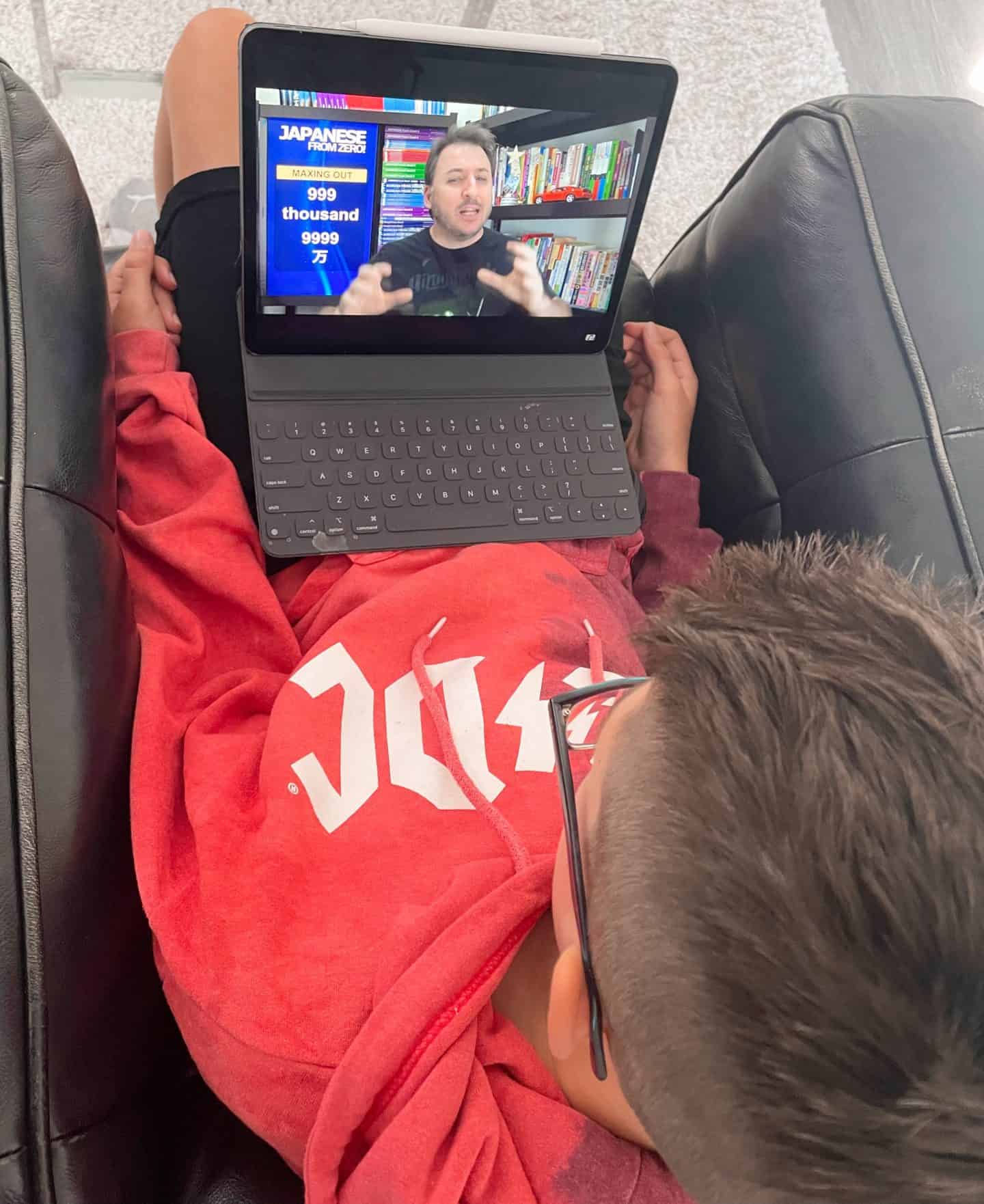
Japanese from Zero has been our most steady language study. We use the workbook alongside the free YouTube lessons, which keeps it affordable and flexible. The teaching style is clear without being dry, and the light humor helps keep momentum going.
If you’re specifically looking for a structured Japanese homeschool curriculum, I’ve shared a more detailed breakdown of how we use it and what’s included in our full review.
It’s structured enough to feel serious, but not rigid.
Visual Latin
Latin felt intimidating at first, but Visual Latin made it manageable. The video lessons break down grammar in small, digestible pieces, and the tone is approachable rather than academic. We didn’t use it daily, but when we focused on Latin, it gave us a clear path.
SchoolhouseTeachers
If you already subscribe to SchoolhouseTeachers for other subjects, the language courses are a practical bonus. Spanish, French, ASL, Latin, and even less common options are included under one membership.
It’s not interactive in the way live classes are, but it’s consistent and easy to assign, especially for multiple children.
If keeping costs down is a priority, there are also plenty of free curriculum options for homeschool across other subjects and grade levels.
Lingopie
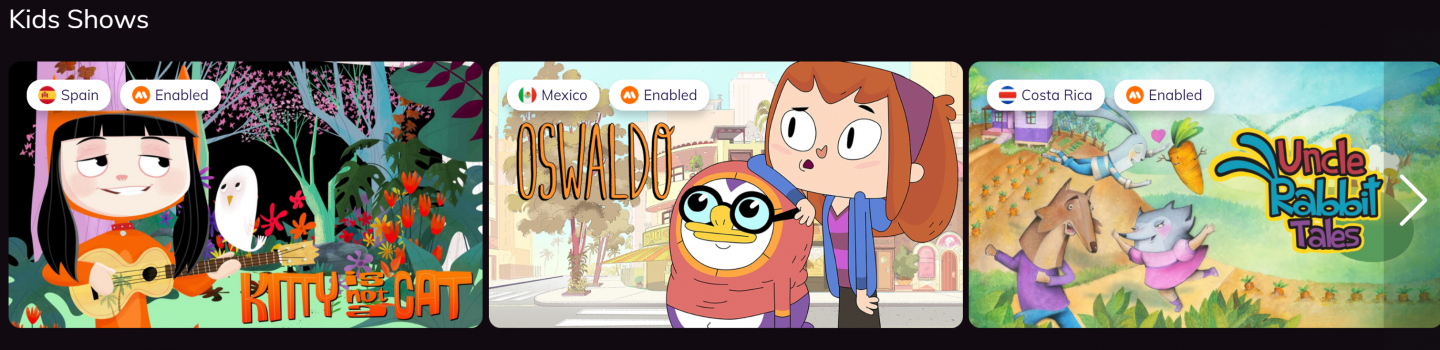
Lingopie has worked best as reinforcement. Watching shows with interactive subtitles made vocabulary feel more natural, especially on lighter days. It doesn’t replace formal instruction, but it helps with listening and exposure.
DuoLingo
DuoLingo has stayed in rotation for quick practice. It feels more like a game than a lesson, which makes it useful on busy days. We treat it as reinforcement rather than a full homeschool foreign language curriculum.
Spanish Programs for Homeschoolers
Workbooks have worked well for us when we wanted consistency without logging into another platform. They’re predictable, easy to assign, and helpful for kids who like checking off progress. We’ve rotated through quite a few over the years, especially during middle school.
If you’re building a full plan, I’ve shared a more detailed breakdown in our guide to homeschool Spanish curriculum, which includes both structured programs and workbook options.
Here are the Spanish workbooks that fit different stages best:
Skills for Success Spanish – We used this when structure mattered more. It’s thorough without being overwhelming, and it works well for older students who need clear progression.
Skills Builder Spanish – This one is lighter and good for reinforcing basics. It’s especially useful if your child needs repetition without a heavy lesson format.
KS3 Spanish Workbook with Answers – More formal and better suited to older students. The built-in answer keys make independent work easier.
No Nonsense Spanish – Exactly what the title suggests. It focuses on core vocabulary and grammar without extra fluff.
10 Minutes a Day Spanish – Short daily practice worked better for us than long sessions. This format makes it easy to stay consistent.
Spanish Made Easy – A gentler introduction for younger learners. The layout feels approachable and not too dense.
French Homeschool Curriculum Options
French has been more of an exploratory subject for us. We didn’t follow one long-term program, but instead tested different materials depending on age and interest.
For younger years, repetition and shorter lessons mattered most.
- Skill Builders French – We used this early on when we just needed simple vocabulary practice. The exercises are short, which made it easier to stay consistent.
- French Made Easy with Carol Vorderman – This one worked well as an introduction. The layout is clear and not too dense, which helped prevent frustration at the start.
- French Grammar for Beginners – This breaks grammar into manageable steps. It felt more like building skills than memorizing lists.
- KS3 French Workbook with Answers – More formal and better suited for middle or high school. The answer keys made independent work realistic.
- BBC Bitesize French Revision – Useful for reviewing vocabulary and brushing up before switching topics.
- Teach It Languages – More suited to older students who are ready for reading and writing practice beyond the basics.
German Homeschool Curriculum
German wasn’t originally on our radar, but once we started exploring it, it became one of the more enjoyable languages to add into our week. What helped most was mixing formats instead of relying on one single program. For families looking for a flexible German homeschool curriculum, these are the resources that fit into our routine.
- Outschool German Classes – Live classes made the biggest difference for us. Being able to hear pronunciation and interact in real time helped build confidence much faster than working alone. We’ve used beginner-friendly classes that slot easily into a weekly schedule.
- Cool Kids Learn German – This worked well in the early stages. The lessons are interactive and light enough to keep things from feeling academic, which mattered when we were just building basic vocabulary.
- KS3 German Workbook with Answers – When we wanted more structure, this workbook gave it. It’s better suited to older students and includes answer keys for independent work, which made it practical for middle school and beyond.
- The Fabulous Lost and Found – For younger ages, this picture book was a gentle introduction. It weaves German words into a story instead of presenting them as a list, which makes it easier to absorb naturally.
- Christmas in Germany worksheets – We also tied in cultural learning with seasonal printables. Exploring traditions alongside vocabulary made the language feel more connected to real life rather than just another subject.
Sign Language
American Sign Language ended up being one of the most meaningful additions to our homeschool. We originally considered it to meet foreign language requirements, but it quickly became more than that. Learning ASL shifted the focus from memorizing vocabulary to understanding communication and culture.
For families considering ASL as a homeschool foreign language option, we’ve found that structure matters just as much as exposure. We’ve used the ASL homeschool curriculum from Mr. D Math because it provides clear lessons and progression, even for parents with no background in sign language. It goes beyond isolated signs and explains how ASL functions as its own language.
To reinforce learning, we’ve also added simple printable practice:
- Our ASL worksheets combine fine art and fingerspelling, with students decoding painting titles using the sign alphabet.
- The sign language alphabet printables provide one page per letter, making it easy for beginners to review.
These low-prep additions helped keep ASL consistent without feeling overwhelming.
Meeting High School Foreign Language Requirements at Home
In our case, adding a second language wasn’t optional. It’s required for graduation, and most colleges expect at least two years of foreign language study.
Starting earlier gave us flexibility. We began with Japanese so there was time to adjust if needed. That breathing room made it less stressful and gave us space to find programs that actually worked.
ASL also became part of our plan. Beyond meeting credit requirements, it added a different kind of communication skill, which made language study feel more meaningful rather than just another box to check.
Planning ahead made the biggest difference. Instead of scrambling in high school, we were able to build steady progress over time.
Last Updated on 11 February 2026 by Clare Brown
