ASL Homeschool Curriculum (Free & High School Programs)


When we first started looking at American Sign Language, I wasn’t searching for the “perfect” ASL homeschool curriculum. My son was simply curious, so we began with a few basic signs at the kitchen table and short videos in the evenings. It felt small and manageable.
What surprised me was how quickly it became part of our routine. Once he could fingerspell his name and sign simple phrases, he kept using them. It stopped feeling like an extra subject and started feeling useful.
Over time, we tried a mix of free resources and more structured programs, especially once we considered high school credit. If you’re thinking about adding ASL to your homeschool, there are solid options at every level.
What mattered most for us wasn’t finding something flashy, it was choosing something we’d actually stick with.
**This post may contain affiliate links. As an Amazon Associate and a participant in other affiliate programs, I earn a commission on qualifying purchases.**
Starting ASL in Your Homeschool
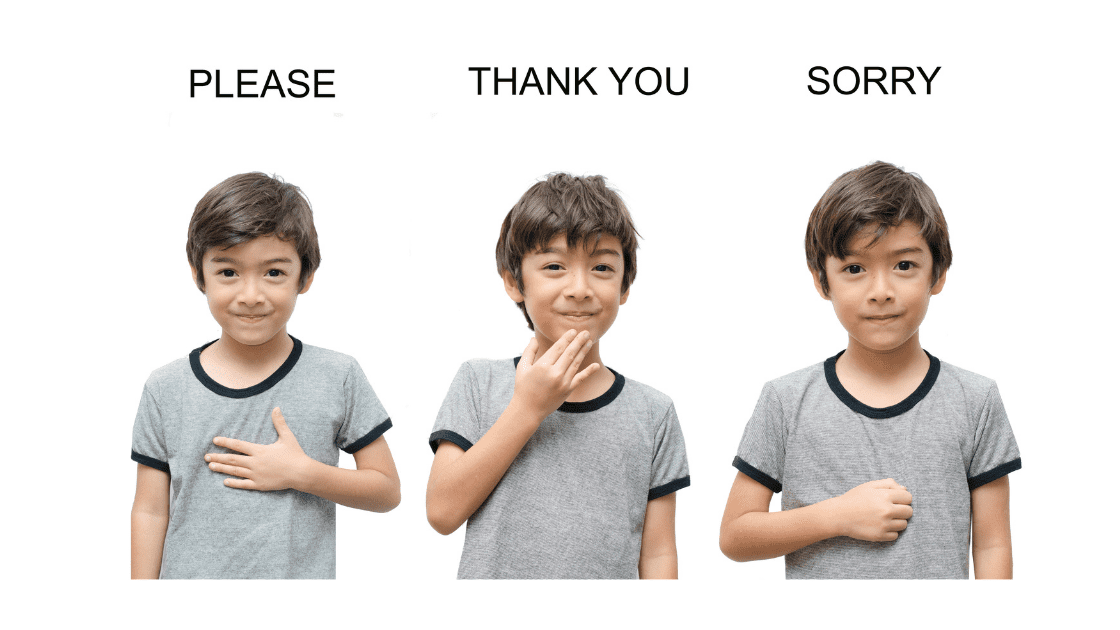
When we started, we didn’t follow a formal plan. We picked a few signs we could actually use during the day, names, feelings, simple requests, and practiced them casually. A few minutes here and there worked better than trying to turn it into a full lesson.
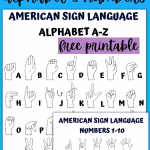
Videos helped, but only in small doses. We’d watch one, pause it, and try the signs together. I also stuck a simple poster near our table so we’d see the alphabet without thinking about it.
Sometimes we signed words while reading a familiar book. Other times we labeled things around the house just for fun. It didn’t need to be perfect. The goal was comfort, not memorizing a list.
The more natural it felt, the more he used it.
Free ASL Homeschool Curriculum Options
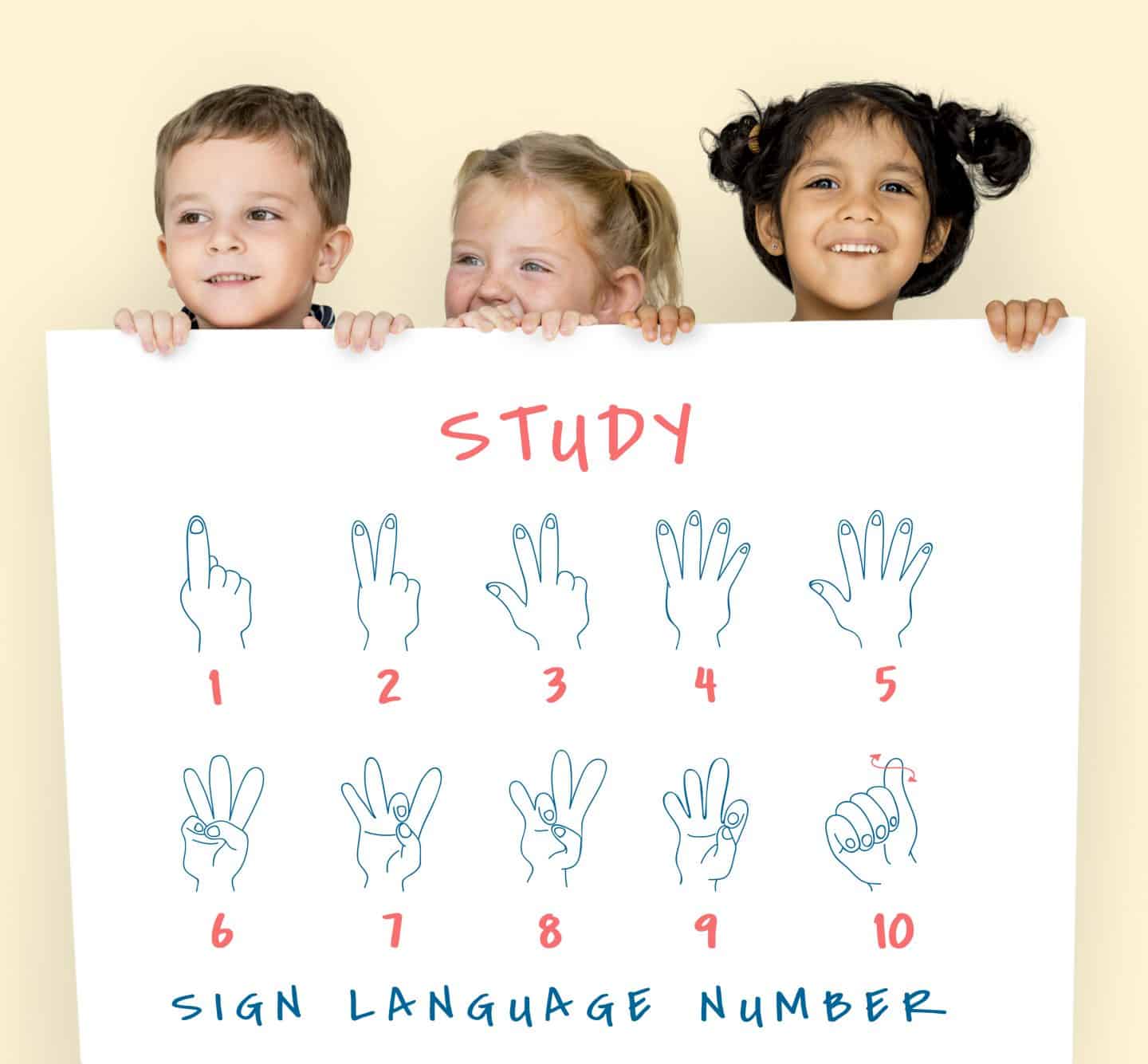
When we first looked for an ASL homeschool curriculum, I assumed we’d need to buy something structured straight away. We didn’t. There are genuinely useful free options that can carry you a long way, especially in the beginning.
ASL is recognized as a foreign language in most states, so it can count toward high school credit. If that matters for your teen, double-check your state or college requirements, but it’s absolutely possible to start free and still stay on track.
We began with simple printable tools and short video lessons before committing to anything paid. A few things that worked well for us:
- Free ASL alphabet worksheets for fingerspelling practice
- ASL art-themed worksheets where kids decode famous painting titles using fingerspelling
For more structured learning, these free platforms are worth exploring:
- ASL Connect (Gallaudet University) – Introductory lessons and exposure to Deaf instructors
- Sign Language 101 – Clear, video-based beginner lessons
- SignSchool – Simple and interactive, easy for independent practice
- Start ASL – Good cultural background alongside vocabulary
- Signing Time dictionary videos – Helpful for younger kids
- American Society for Deaf Children – Family-focused materials
If your state offers virtual electives, it’s also worth checking whether ASL is included. Some programs, like Florida Virtual School, offer it as a high school option.
Starting with free resources let us see whether ASL was something we’d stick with before investing in a full program. For us, that made the transition to a paid curriculum much easier later.
ASL Workbooks We Actually Used
We didn’t start with a workbook. But once ASL became more consistent in our routine, adding something structured helped. A workbook gave us a clear path instead of guessing what to practice next.
If you’re building out an ASL homeschool curriculum and want more structure, these are the ones worth looking at:
American Sign Language for Beginners – This one is straightforward and easy to follow. It walks through vocabulary and basic grammar without assuming prior knowledge. It’s a good fit if you want something steady and clear rather than flashy.
American Sign Language for Kids – Better suited for younger learners. The visuals are simple, and the pacing feels manageable. It doesn’t overwhelm.
Barron’s American Sign Language (ASL 1 & 2) – More serious and better for middle or high school. This is the closest to a traditional language course, and it pairs well with online video practice if you’re counting high school credit.
ASL Flashcards – We used flashcards more than I expected. They’re simple, but they made quick review easy, especially on busy days.
American Sign Language Workbook – A flexible option if you’re mixing resources. It works well as reinforcement alongside videos or a formal course.
A workbook won’t replace real signing or video instruction, but it can give your lessons shape. For us, that structure made it easier to stay consistent.
Using ASL for High School Language Credit
If you’re planning to use ASL for high school credit, structure matters more. At that stage, I didn’t want to piece together random resources, I wanted something organized and transcript-friendly.
My son completed ASL 1 through Mr. D Math’s online program. It worked well for him because it was self-paced but still felt like a real course. He wasn’t just memorizing signs, he was learning about Deaf culture and how the language functions beyond vocabulary lists.
That cultural component made a difference. It helped him understand that ASL isn’t just a requirement to check off, it’s part of a living community.
If your teen wants more live interaction, Outschool also offers online ASL classes with instructors who focus on conversation practice. That can be helpful once they’re ready to move beyond structured lessons.
Get Your Free Sign Language Poster Printable Here
If you’d like a simple visual reference to keep near your table or desk, you can access the free ASL alphabet poster below. We kept ours nearby in the early weeks so fingerspelling felt easier and more natural.
Ready to grab your free printable? Just pop your name and email into the form below, and it’s all yours!
Tip: Use a personal email address (like Gmail), school or work emails sometimes filter printable links.
If you don’t see the form below, click here to get the free PDF.
If you’ve found a program that worked well for your family, feel free to share it in the comments. I’m always curious what’s working in other homeschool settings.
Last Updated on 11 February 2026 by Clare Brown
