Money Activities for Kindergarten

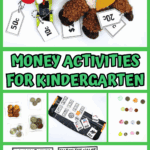
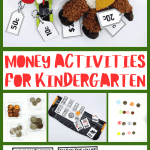
Money activities for kindergarten don’t have to be complicated. Some of the most effective ways we learned about coins involved things we already had around the house.
From sorting pennies and quarters to setting up a pretend store, these simple activities helped my son practice counting, learn coin values, and start understanding how money works in everyday life.
Whether you’re teaching at home or in the classroom, these money games, crafts, and worksheets make learning about money much more engaging for young children.
**This post may contain affiliate links. As an Amazon Associate and a participant in other affiliate programs, I earn a commission on qualifying purchases.**
Kindergarten Money Activities
You don’t need to rely only on worksheets to teach money skills. Some of the best kindergarten money activities happen through everyday play using real coins, play money, and simple games.
These were some of our favorite ways to practice coin recognition, counting, and early money skills when hands-on learning worked best.
Counting coins in jars
We’d fill clear jars with different amounts of coins and label each one with a number. Then I’d ask him to check if the amount matched. It was a simple way to build counting and addition skills with real-life context.
Board games
Money-themed board games are a staple in our rotation. They’re a fun way to practice counting and making change without it feeling like a lesson.
Here are a few we’ve enjoyed:
- Money Bags Coin Value Game – Great for helping kids understand different coin values while racing to collect the most money.
- Exact Change Card Game – A fast-paced matching game that sneaks in coin recognition and mental math.
- Making Change Game – Perfect for practicing real-world math, especially figuring out how much change is owed.
Coin bingo
Bingo with coins is always a hit. I made cards with different coin combos and called out amounts, he had to find the right match. It’s a fun mix of listening, math, and memory.
Money songs
We used catchy songs to help remember coin names and values. Anything with rhythm sticks better, especially when kids get to sing (or dance!) along. Songs like “Five Little Pennies” made number practice more engaging. We’d sing them during clean-up or transitions just to sneak in a little extra math.
Mock store
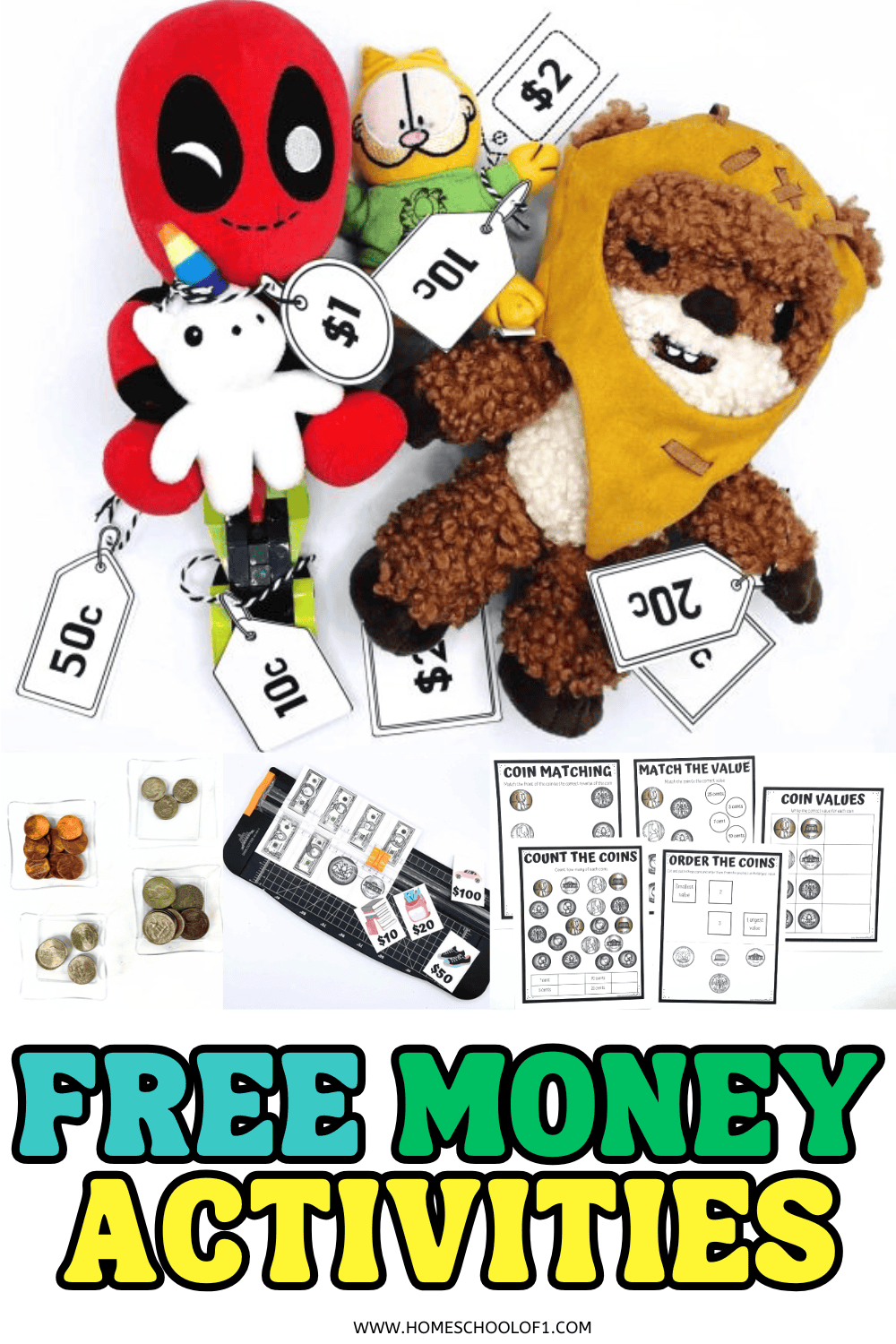
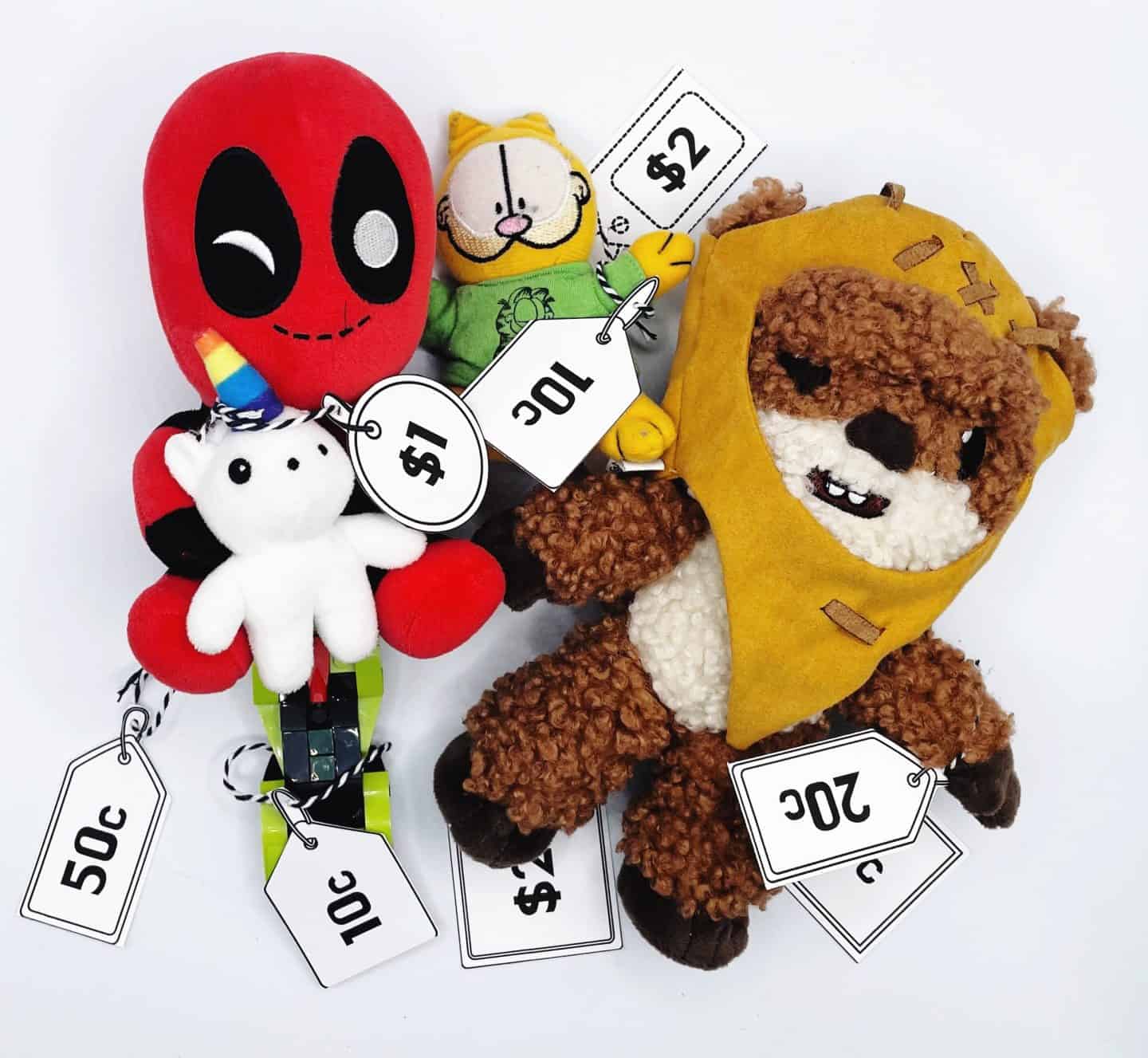
Setting up a pretend store with price tags and play money gave us hours of learning disguised as play. He’d “shop,” count his money, and even figure out change with help.
Treasure hunt
I used to hide coins around the house for a “money hunt.” After finding them, he’d sort and count his treasure. It was perfect for active learning days.
Money books
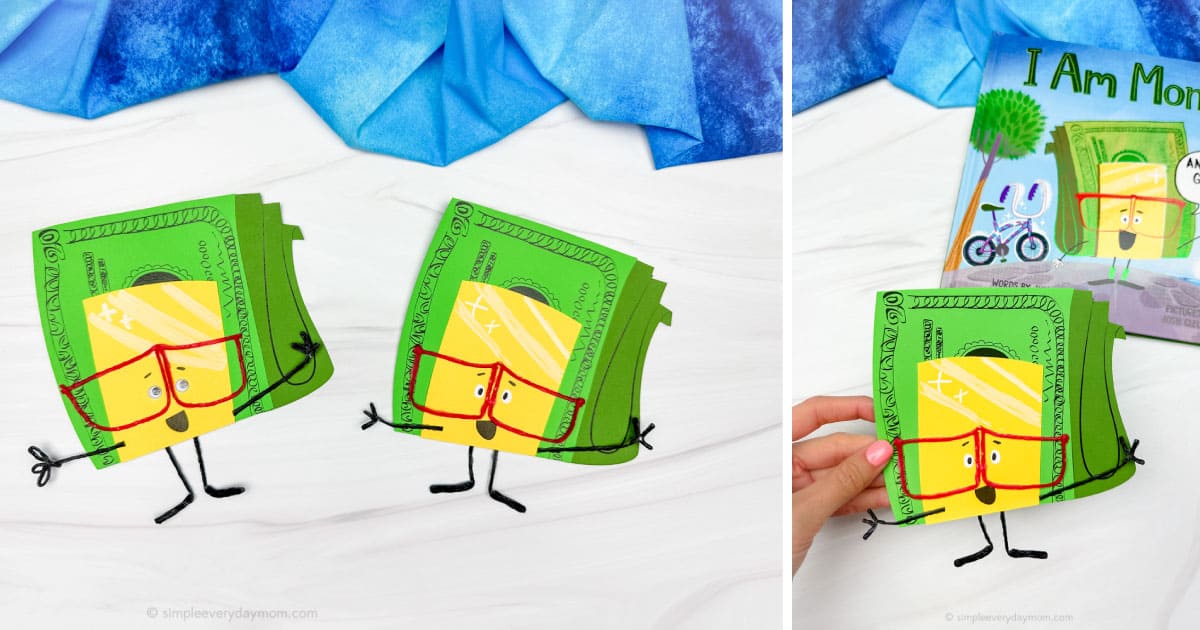
Reading stories like Bunny Money or The Berenstain Bears’ Trouble with Money helped open up conversations about how we use money in real life. We’d always talk about the choices characters made with their money.
Coin rubbings
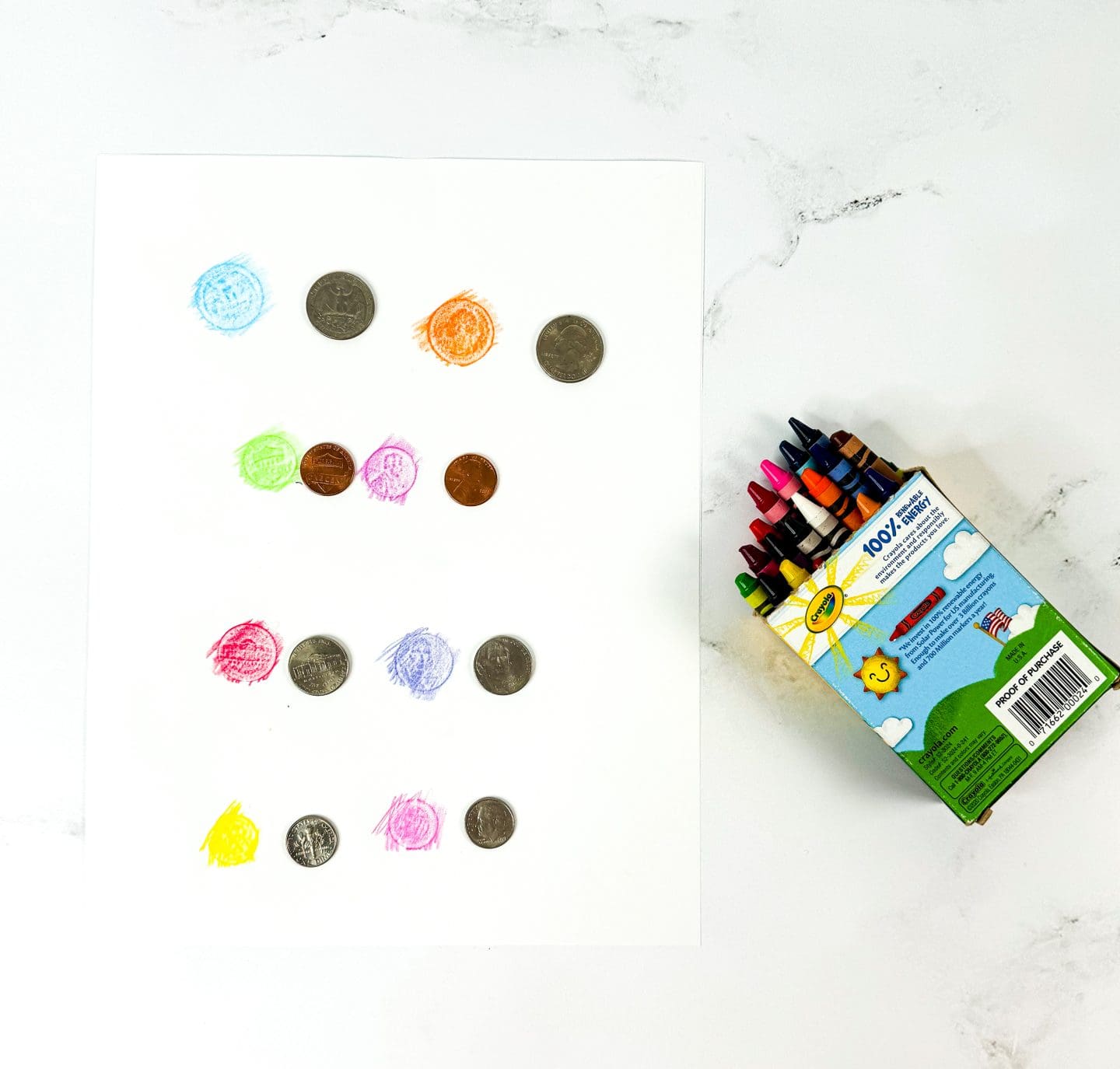
Crayons + coins = simple magic. He’d place a coin under paper and rub over it to see the design appear. It’s great for building familiarity with coin details.
Pretend bank
We also tried setting up a mini bank. He could “deposit” his play money and “withdraw” it for different activities. It’s a playful way to introduce banking terms and saving.
Coin flipping
We used coin flips to practice tallying and basic data tracking. It was quick, easy, and surprisingly addictive, he always wanted to beat his last “heads” count.
Shopping trip
On small outings, I’d give him a few coins or a dollar and let him choose something to buy. Counting out the money and talking through his choices made real-world practice feel meaningful.
Coin exchanges
We played a game where he had to trade pennies for nickels, then nickels for dimes, and so on. It was a fun, hands-on way to show how coins relate to one another.
Coin Activities for Kindergarten
These simple activities helped my son build both money awareness and fine motor skills, without even realizing he was learning.
Sorting Coins
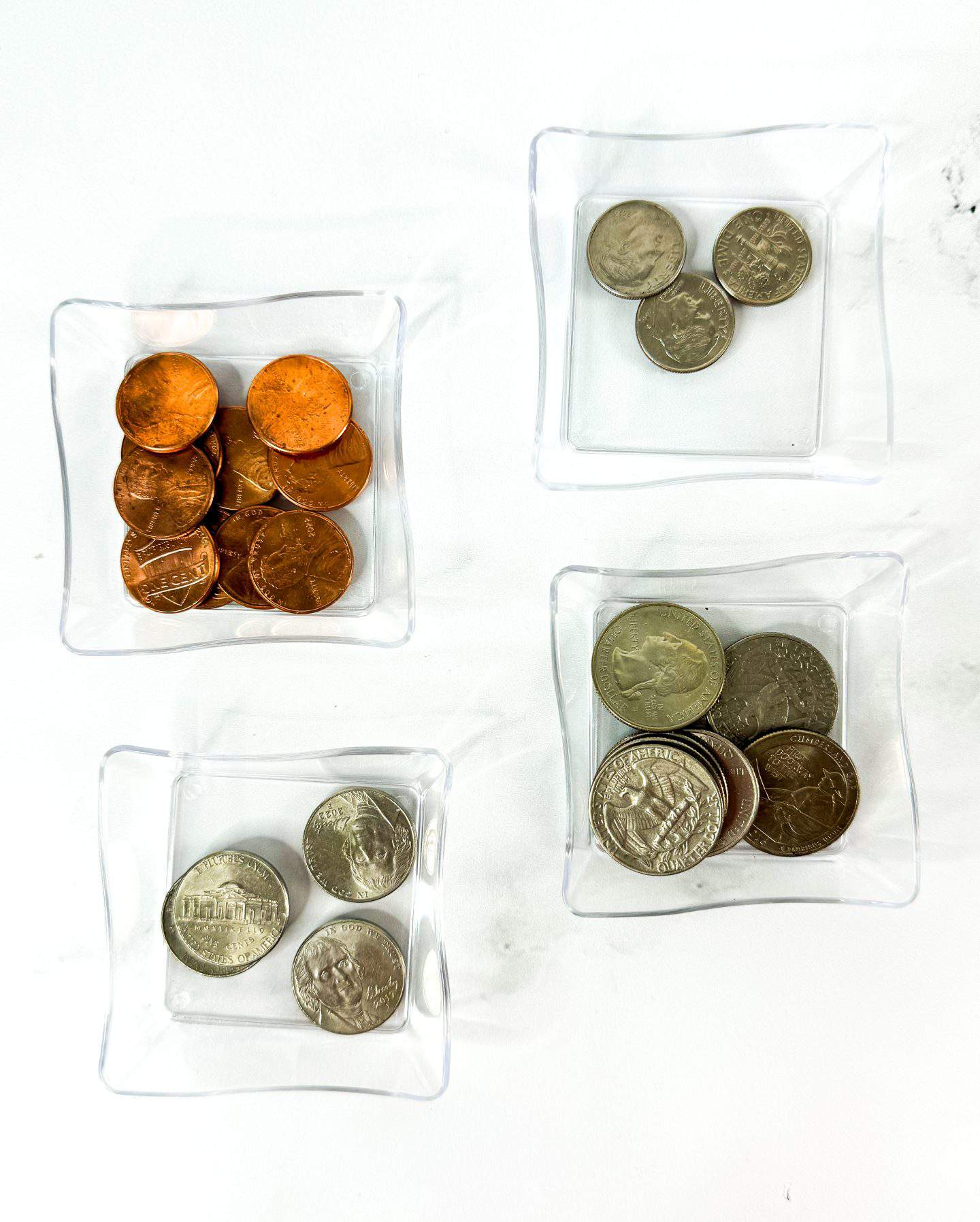
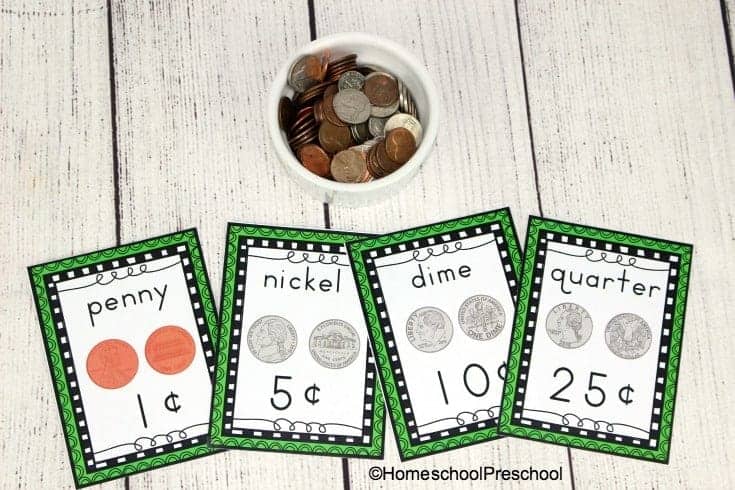
One of our first money activities was sorting coins into a muffin tray by type, pennies, nickels, dimes, and quarters. It helped him recognize coins quickly, and it doubled as a tactile sorting game.
Coin Stacking
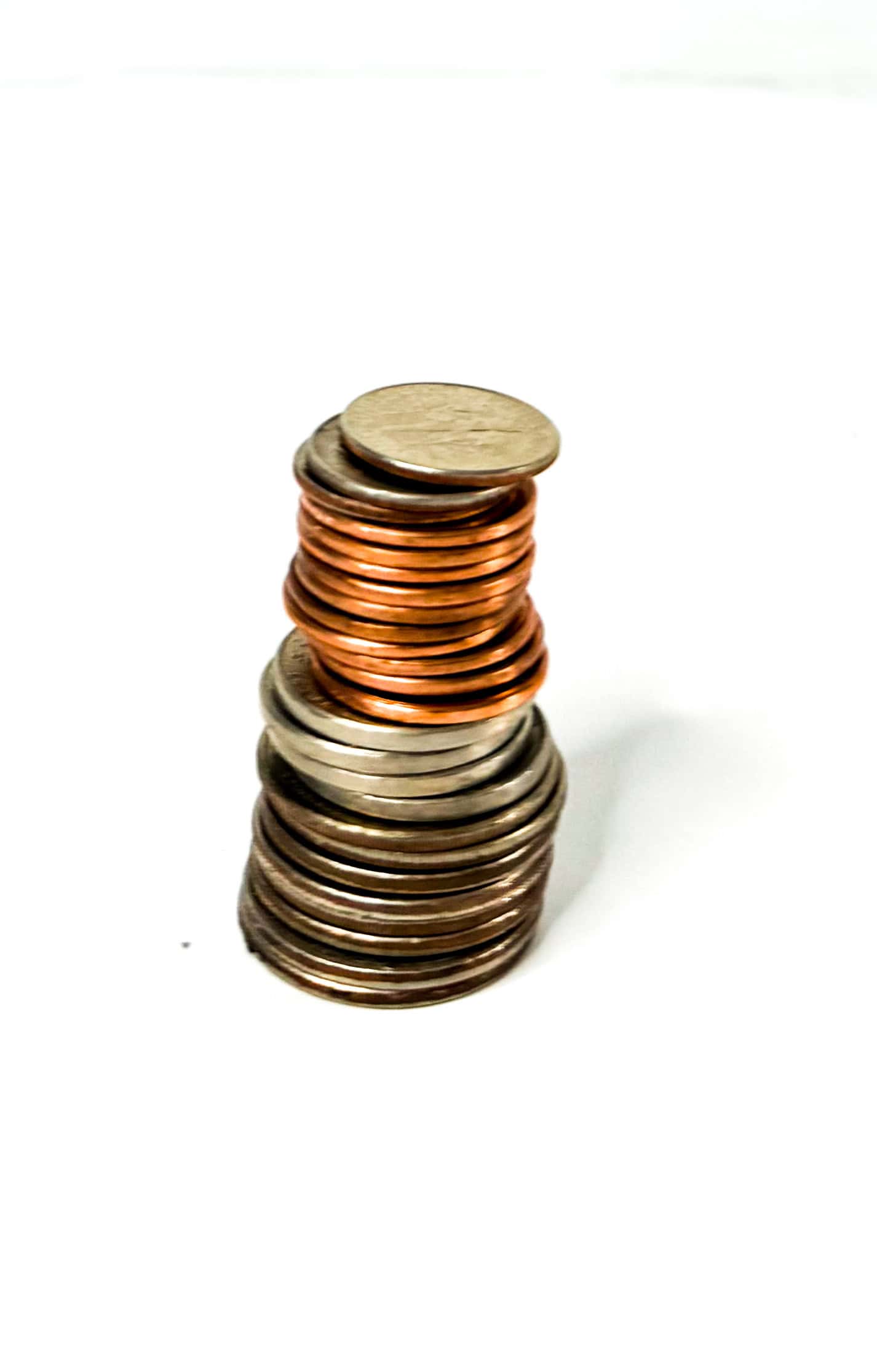
We’d set a timer and see how many coins he could stack before they toppled over. It became a fun challenge that also encouraged patience and hand-eye coordination.
Coin Art Projects
Sometimes we’d glue coins onto cardboard to create shapes or designs. He especially liked making a coin mosaic frame and sprinkling glitter on top. It’s a creative way to explore money while strengthening those little hands.
Kindergarten Money Worksheets
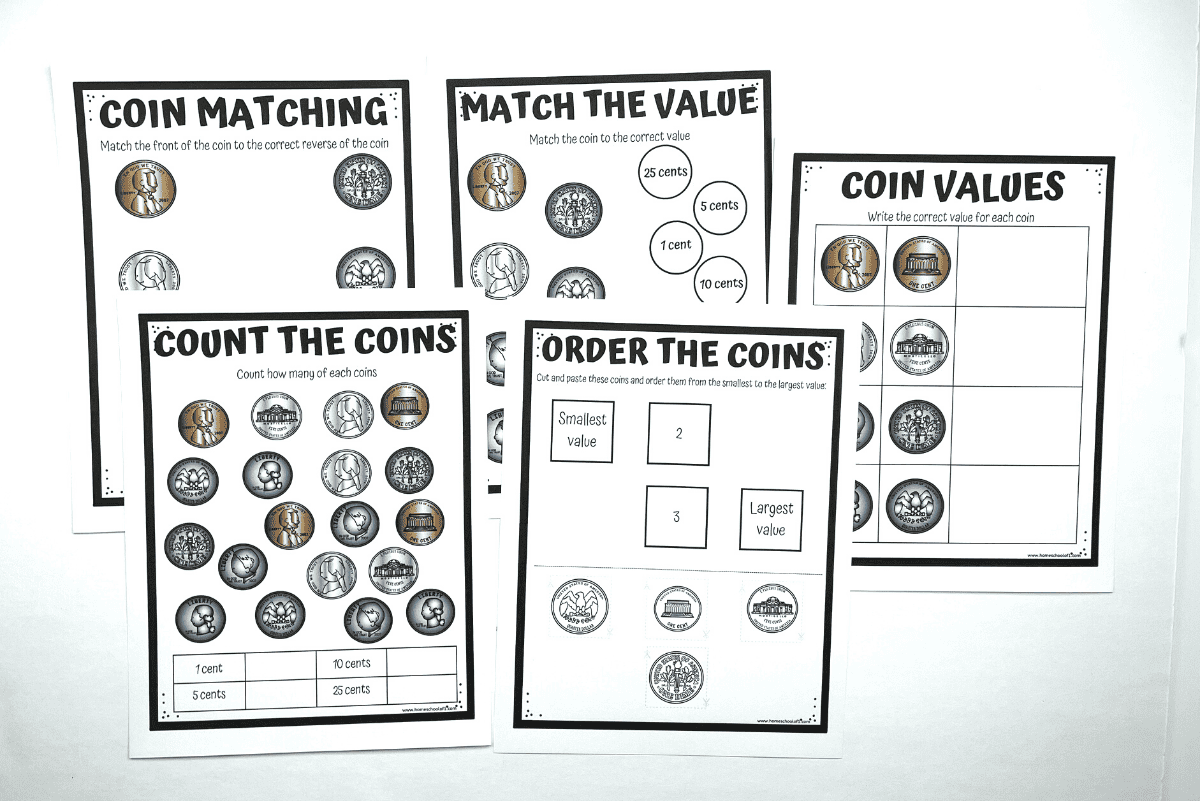
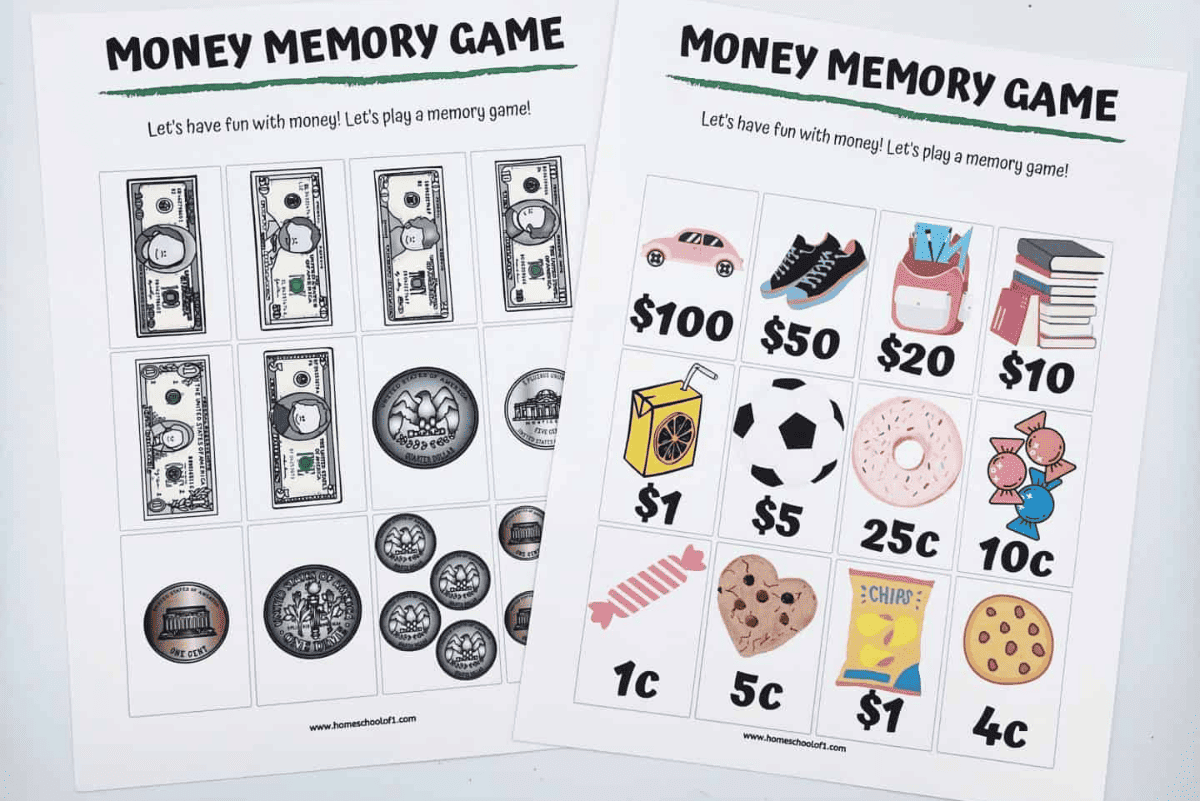
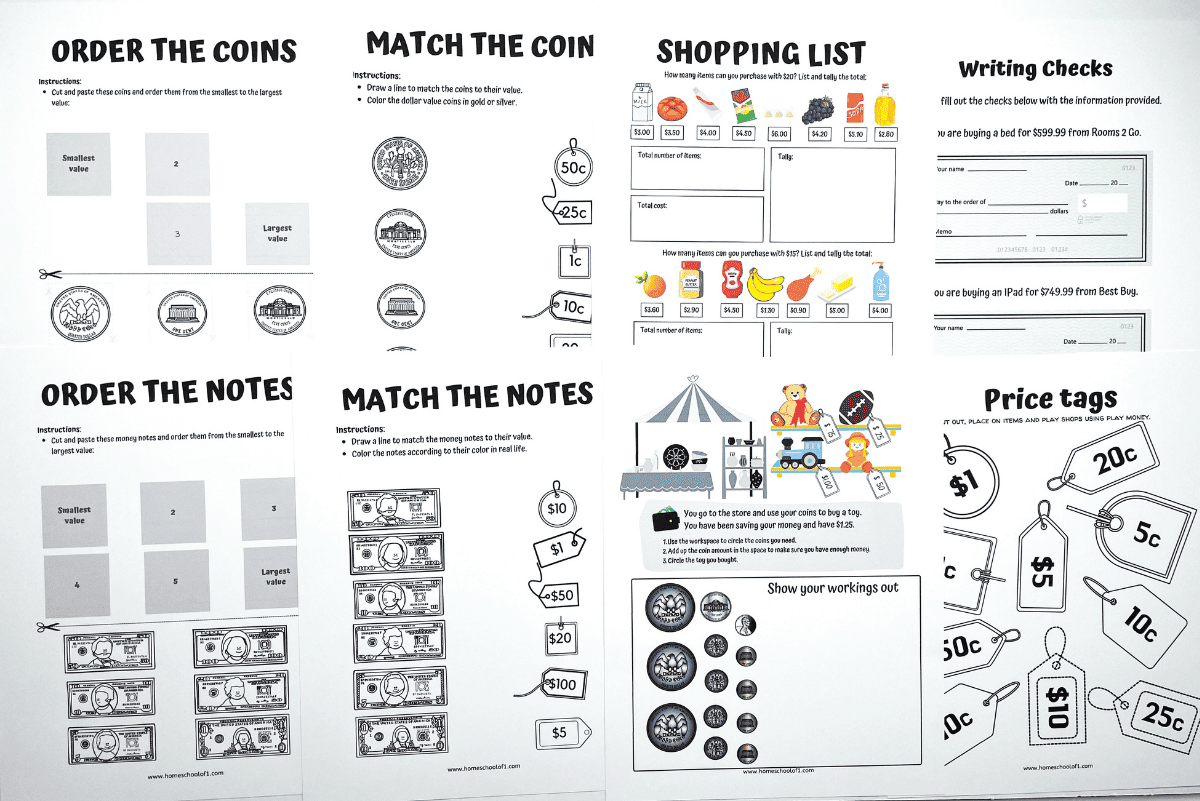
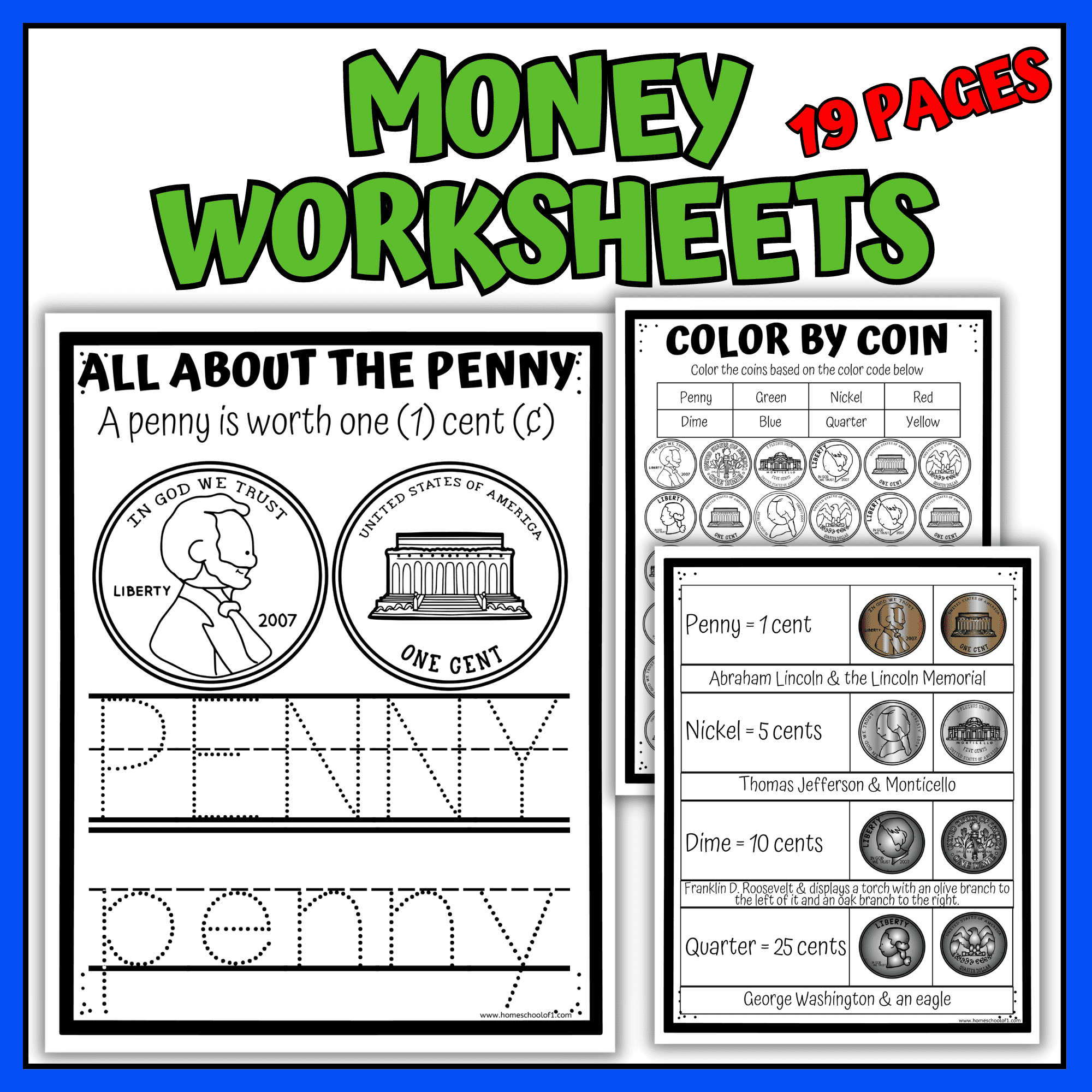
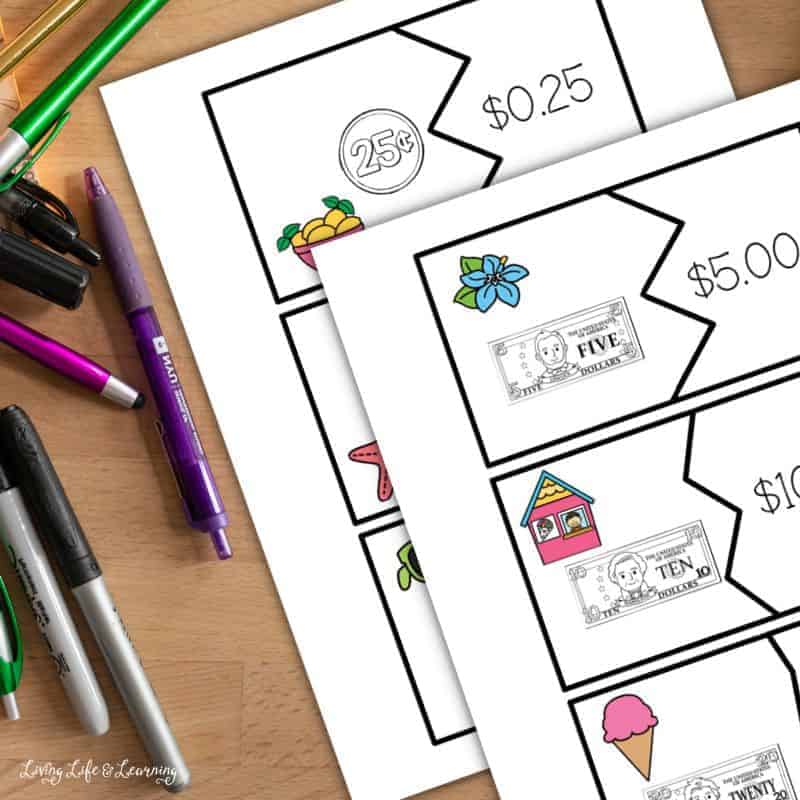
If you’re looking for printable options to reinforce what kids are learning through play, these printable learning resources are a great way to add structure without losing the fun.
We used these alongside our hands-on activities to help with coin recognition, basic counting, and understanding real-life money use. They’re especially helpful for quiet time or independent work.
Last Updated on 15 June 2026 by Clare Brown
