Easter books for preschoolers are still my favorite way to build an Easter basket without it turning into a sugar pileup.
When Freddie was little, a small stack of seasonal stories did more for the mood of the holiday than any extra chocolate. If we read one each night, he’d start noticing “Easter signs” everywhere, bunny tracks, daffodils, talk of egg hunts.
This list focuses on books that actually work for ages 2–5. Short attention spans, interactive pages, gentle bedtime reads, and a few that explain the faith side of Easter in a simple way.
Whether you want a silly read-aloud, a gentle spring book, or something that explains why Easter matters, you’ll find a few that are worth rereading every year.
**This post may contain affiliate links. As an Amazon Associate and a participant in other affiliate programs, I earn a commission on qualifying purchases.**
Quick Picks – The Best Easter Books for Preschoolers (By Type)
If you just want the short list, these are the ones I’d reach for first depending on your preschooler’s age, personality, and attention span.
We’re Going on an Egg Hunt – great for ages 2–4. The lift-the-flap pages keep little hands busy, which helps if your child struggles to sit still.
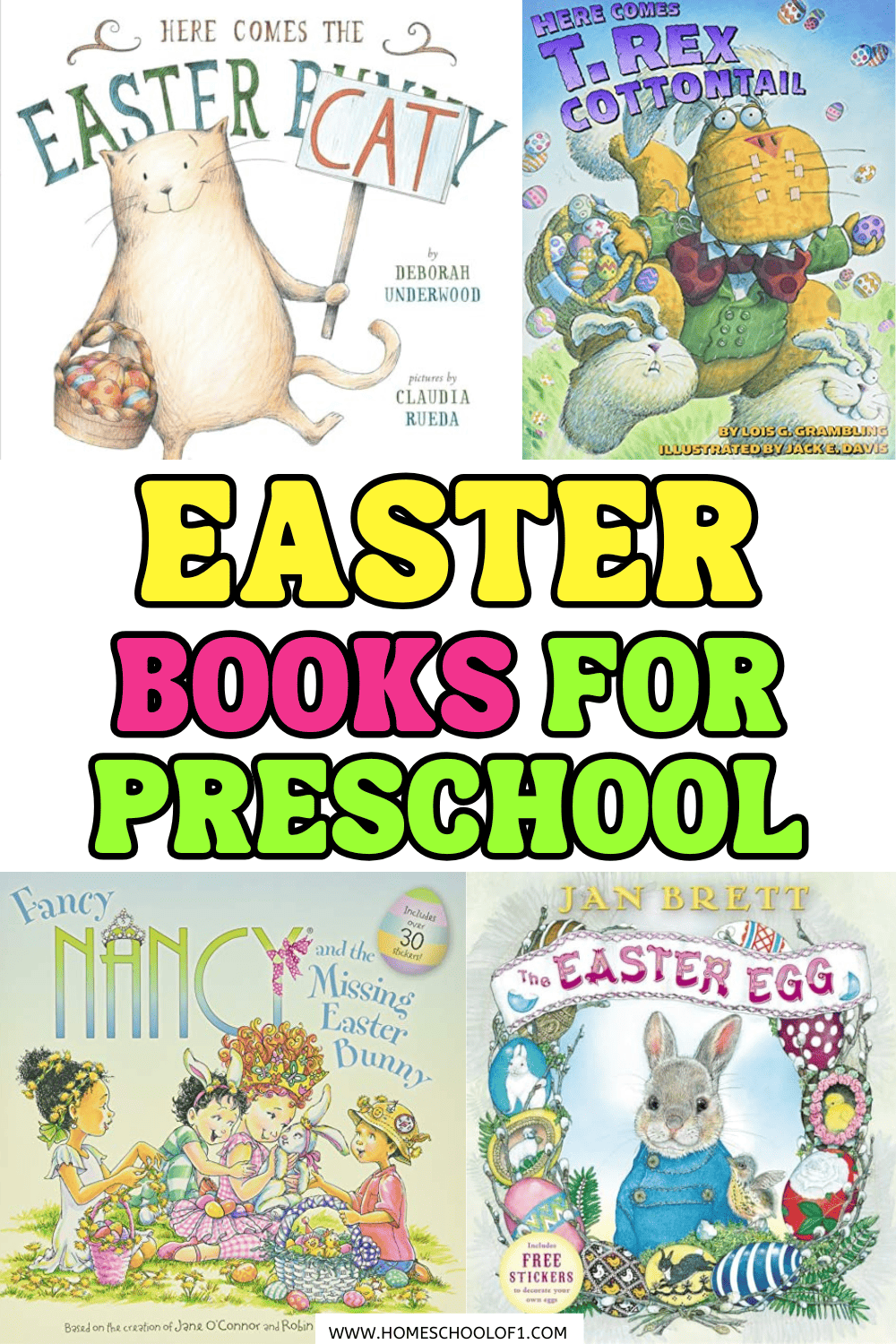
Here Comes the Easter Cat – probably the funniest one on this list. Best for 3–5 year olds who enjoy a bit of sass.
Llama Llama Easter Egg – short, rhythmic, and gentle, which makes it ideal for winding down before sleep.
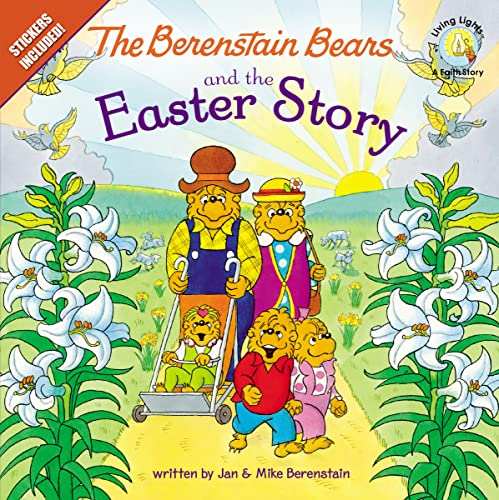
The Berenstain Bears and the Easter Story – a gentle introduction to the Christian meaning of Easter, without being heavy.
Favorite Preschool Easter Books
Preschoolers don’t all sit through stories the same way. Some want flaps to lift and things to search for. Others prefer short, rhythmic books they can memorize and “read” back to you.
As you look through the list below, think less about age labels and more about attention span and personality. If your child loves repetition, counting books will land well. If they enjoy humor and expressive characters, the sillier Easter Bunny stories tend to become instant favorites.
You don’t need a huge stack, even one book read every night for a week can become part of your Easter rhythm.
We’re Going on an Egg Hunt: A Lift-the-Flap Adventure
This is always a hit in our house. The lift-the-flap pages make it interactive enough to keep preschoolers engaged, especially if they’re in that stage where they want to “help” find everything. The rhyme and repetition are great for early language development—and honestly, the artwork is lovely even for adults. We read this one every spring.Related:
Read More
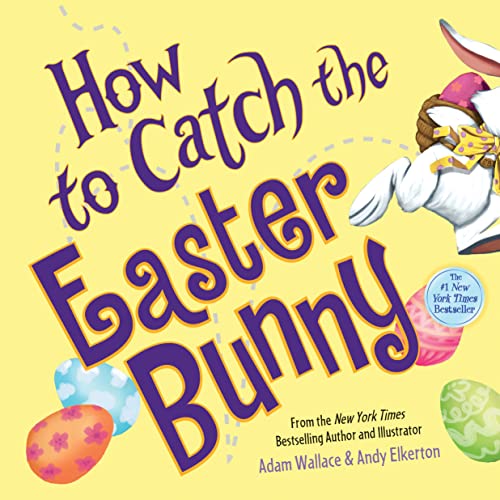
How to Catch the Easter Bunny
This one works best for the 3–5 crowd who enjoy big reactions and fast pacing. It’s busy, colorful, and full of wild trap ideas.Freddie loved trying to guess what would happen next. It sparked way more conversation than I expected, especially about building his own “bunny traps” around the house.It’s not calm bedtime material, but if you want something energetic and giggle-worthy, this delivers.Related: If I were the Easter bunny writing prompt.
Read More
The Great Easter Race!
If your child already loves Sesame Street, this one feels familiar right away. That recognition helps preschoolers settle into the story faster.What I like about this book is that it sneaks in a gentle lesson about teamwork without feeling preachy. After we read it, it naturally opened up a conversation about winning versus helping, which surprised me for such a simple story.A good pick for ages 3–5, especially if character-driven stories hold their attention.
Read More
Llama Llama Easter Egg
This is one of those short, soothing reads that works beautifully before nap or bedtime. It’s predictable in the best way, with soft illustrations and simple rhymes that younger preschoolers can follow easily.When we needed something calm during a busy Easter week, this was the one I reached for. It doesn’t overstimulate, and it’s short enough that you can reread it without sighing internally.Best for toddlers and younger preschoolers.
Read More
The Berenstain Bears and the Easter Story
If you want to introduce the Christian meaning of Easter in a way that feels gentle and age-appropriate, this is a solid starting point. It balances the fun side of Easter with a simple explanation of the resurrection, without overwhelming little ones.
Because the Berenstain Bears are familiar characters, the faith-based part feels less intimidating and more conversational. We’ve used this as part of our Easter week reading when we wanted to shift the focus a bit deeper.
Best for ages 3–5.
Related:
Free Easter bunny letter
The Easter Egg
This one is a little longer than most preschool Easter books, so I save it for when attention spans are decent, usually ages 4–5. Jan Brett’s illustrations are detailed, and little ones love spotting what’s happening in the borders.It’s quieter and more thoughtful than the sillier bunny stories. When we read it, we often paused to look closely at the pictures, which actually slowed everything down in a good way.If your preschooler enjoys lingering over artwork or you want something a bit calmer and more meaningful, this is a lovely choice.
Read More
Here Comes the Easter Cat
This is the one that consistently gets actual laughter. The humor lands especially well with 3–5 year olds who understand a bit of sarcasm and exaggerated facial expressions.The back-and-forth style makes it feel almost like a conversation, which keeps kids engaged. Freddie used to study Cat’s face on each page before I even finished reading the text.If your preschooler prefers silly over sweet, this is a strong pick.
Read More
Uni the Unicorn: Easter Bunny Helper
If you have a unicorn phase happening in your house, this one feels like an instant win. It blends the magic of Uni with classic Easter themes, so it checks both boxes.It’s bright and sparkly without being overwhelming, and the story is simple enough for younger preschoolers to follow. This worked well for quick daytime reads when we didn’t want anything too long.Best for ages 3–5 who love fantasy elements.Related: Easter Unicorn Handprint Printables
Read More
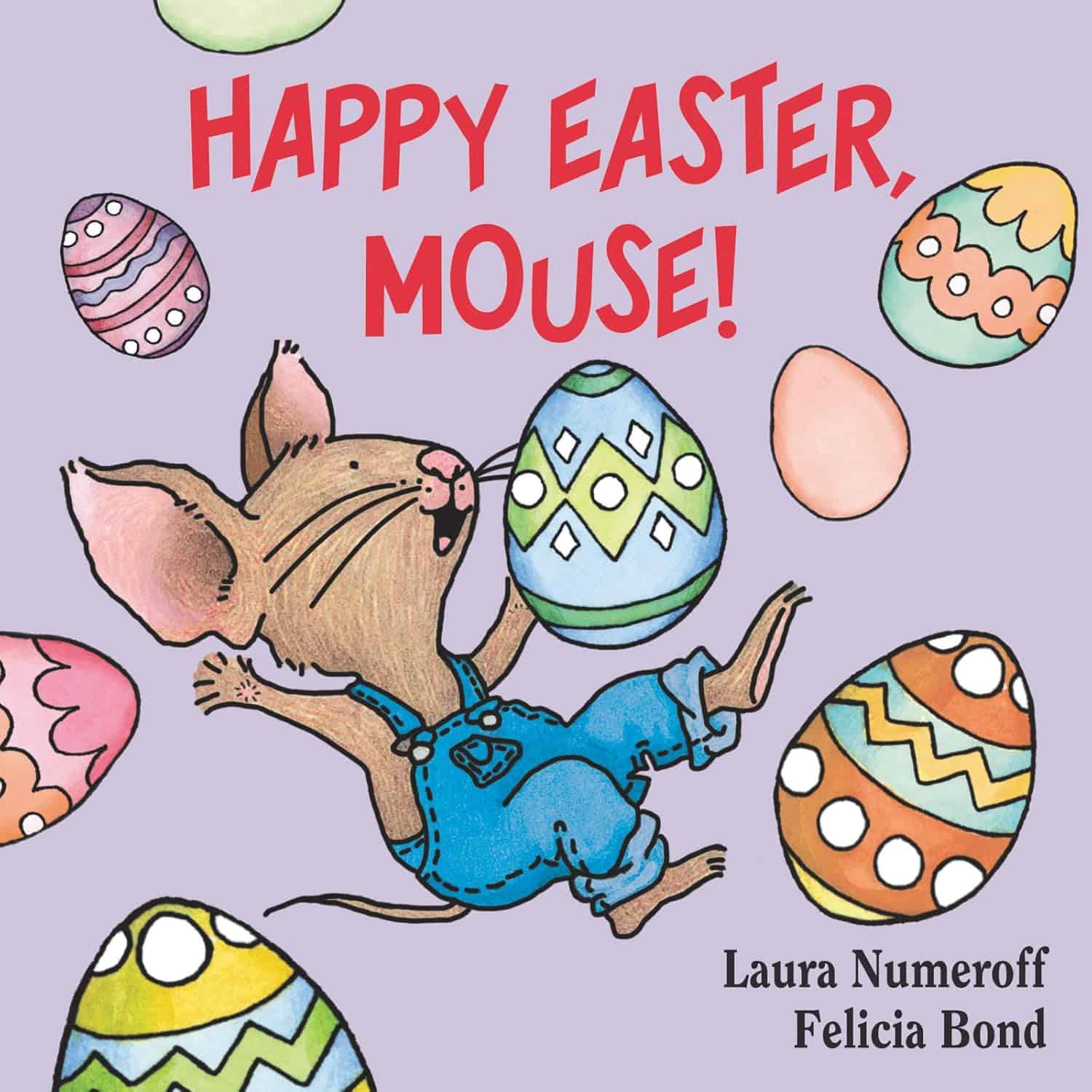
Happy Easter, Mouse!
This is a great toddler-friendly Easter book. The pages are simple, colorful, and predictable, which makes it easy for 2–3 year olds to follow along.
It’s short, very short, but that’s part of why it works. If your preschooler is still in the stage where five minutes feels long, this one won’t lose them.
It’s also small enough to tuck into an Easter basket without taking up much space.
Read More
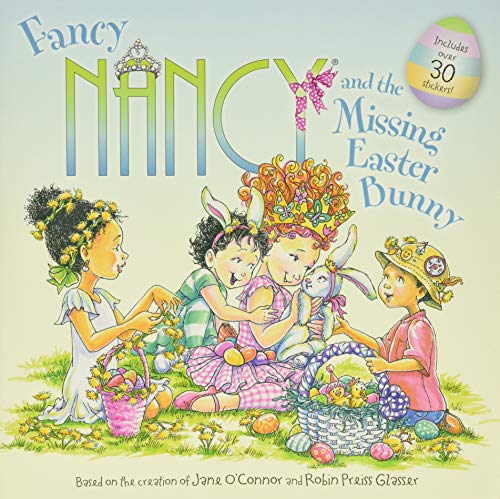
Fancy Nancy and the Missing Easter Bunny
This leans slightly older preschool (closer to 4–5). The language is a bit more advanced, but that’s part of the fun if your child enjoys new vocabulary.If you already read other Fancy Nancy books, this one feels like stepping back into familiar territory, just with an Easter twist. The mystery element keeps kids listening to see what happens next.A good choice if your preschooler enjoys character-driven stories over simple board books.
Read More
Ten Little Bunnies
If your preschooler is in the counting-everything phase, this one works really well. It’s more rhythm and repetition than plot, which is exactly what younger 2–4 year olds tend to enjoy.We used this one almost like a game, pointing, counting, sometimes going back to recount because someone “lost” a bunny. It’s not deep, but it’s engaging and easy to reread.A strong pick for early preschoolers who love numbers and predictable patterns.Related: Free Easter counting worksheets for preschool
Read More
Peppa’s Easter Egg Hunt
If Peppa is already a favorite in your house, this one will land immediately. Familiar characters make a big difference at this age, kids settle into the story faster when they already know the voices and personalities.It’s simple and very straightforward, which actually makes it a good independent-look-through book for younger preschoolers.Not the most memorable Easter story on the list, but dependable if you have a Peppa fan.
Read More
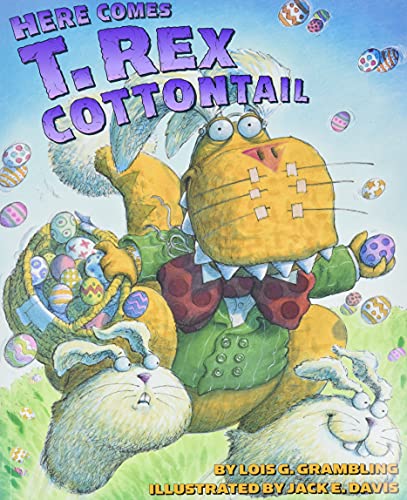
Here Comes T. Rex Cottontail
This one is all about energy. A T. Rex taking over Easter egg delivery is ridiculous in the best way, and preschoolers who love dinosaurs will be fully invested.Freddie went through a long dino phase, and this kind of mash-up book always felt like it was written just for him.It’s silly, fast-moving, and better for daytime reads than quiet bedtime.
Read More
Spot’s First Easter
This is one of the safer picks for younger preschoolers. The lift-the-flap format keeps little hands involved, and the text is short enough not to lose them.If your child already enjoys other Spot books, this feels familiar and comforting. The sturdy flaps are a bonus if you’re dealing with enthusiastic page-turners.Best for ages 2–4.
Read More
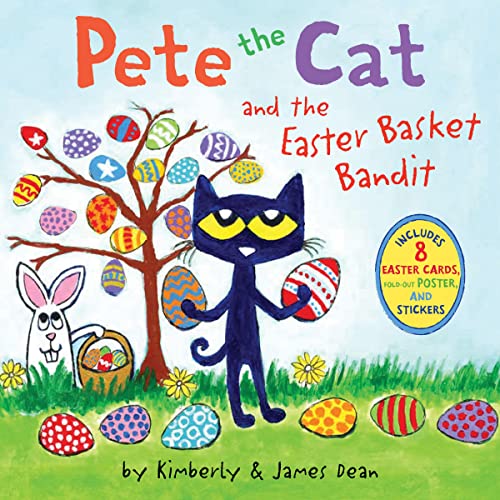
Pete the Cat and the Easter Basket Bandit
Pete’s calm personality makes this one feel steady and easygoing, even with a little mystery built in. It’s simple enough for preschoolers to follow, but slightly more story-driven than some of the board books.This worked well for ages 4–5 when attention spans were a bit longer and we wanted something with a small problem to solve.A good middle-ground option if your child likes Pete but isn’t into overly silly stories.
Read More
The Very Hungry Caterpillar’s Peekaboo Easter
If you have a toddler or younger preschooler who already loves The Very Hungry Caterpillar, this feels instantly familiar. The lift-the-flap pages are sturdy, and the peekaboo element keeps it interactive without being chaotic.
It’s very simple, more of a concept book than a full story, but that’s exactly why it works for ages 2–3. Short, bright, and easy to revisit.
Read More
The Story of the Easter Bunny
This one leans into the tradition side of Easter rather than slapstick humor. It offers a gentle “origin story” feel, which can add a little extra magic to the season.
We liked reading this before decorating eggs because it made the tradition feel intentional rather than random. It’s sweet without being overly sentimental, and works well for 3–5 year olds.
Read More
There Was an Old Lady Who Swallowed a Chick!
This is pure silliness. The rhythm moves quickly, and kids love predicting what she’ll swallow next.It’s loud, exaggerated, and not at all calming, but sometimes that’s exactly what you want. This one worked best for us during the day when energy was already high.Good for 3–5 year olds who enjoy humor and repetition.
Read More
Our Easter Adventure
This one feels upbeat and active, following an egg hunt through different settings. The rhyming text keeps things moving, and it has that “let’s go explore” energy that preschoolers respond to.After reading it, we ended up planning our own little egg hunt around the house, which tells you everything about its vibe.Best for kids who enjoy movement and bright illustrations.
Read More
Fiona and the Easter Egg Hunt
If your child already knows Fiona the hippo, this one feels personal and familiar right away. It’s a simple, cheerful egg hunt story with colorful scenes and an easy pace.It’s not complex, but that’s part of the appeal. A quick, light read for ages 2–4, especially if your preschooler prefers shorter stories.
Read More
Owen’s Marshmallow Chick
This one is tiny and very relatable for younger preschoolers. It captures that intense attachment kids can form to something small and sweet from their Easter basket.It’s short enough for the under-4 crowd and works well as a cozy board book you can read more than once without dragging it out.A nice choice if you’re building a basket for a toddler and want something simple but seasonal.
Read More
Whether you’re filling an Easter basket or just adding a few seasonal read-alouds to your week, these Easter preschool books have earned repeat reads in our house.
If your preschooler has a favorite Easter story I’ve missed, let me know, I’m always adding to our spring stack.
Last Updated on 25 February 2026 by Clare Brown