Math never worked well for us when it was just worksheets and drills. What did work was turning it into something we could actually play.
We started using number board games during homeschool days when my son needed a break from sitting at the table but still needed practice with counting, adding, and problem solving.
Some were quick games we played in ten minutes. Others turned into full game nights.
These are the number board games that kept coming back out of the cupboard, the ones that made learning feel natural instead of forced.
**This post may contain affiliate links. As an Amazon Associate and a participant in other affiliate programs, I earn a commission on qualifying purchases.**
The Best Board Games With Numbers
Not every number game feels the same. Some focus on simple counting and matching, while others sneak in addition, patterns, and strategy without kids really noticing.
There are easier ones here for younger kids just starting out, and a few that work better once kids are older and ready for more of a challenge.
If you’re picking games for preschoolers, our board games for 4 year olds list has simpler options that still build early counting and turn-taking.
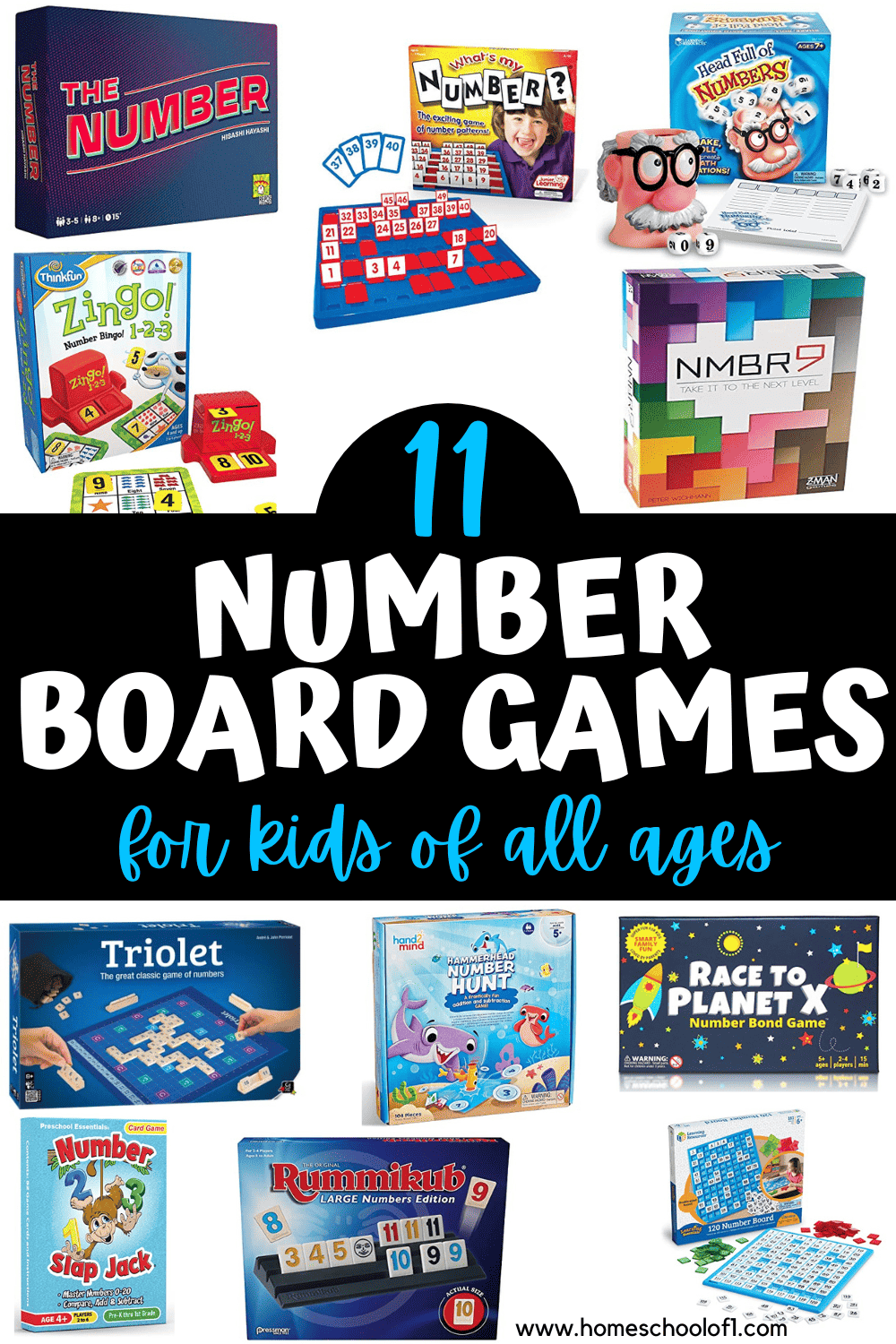
Zingo 1-2-3
This one came out a lot when my son was first learning number recognition because it feels more like a fast game than a lesson. The tile dispenser keeps things moving, and kids get excited waiting to see what number pops out next. It worked really well for practicing counting without him even realizing he was “doing math.” Great for younger kids who don’t sit still long.Related: Math bingo printable
Read More
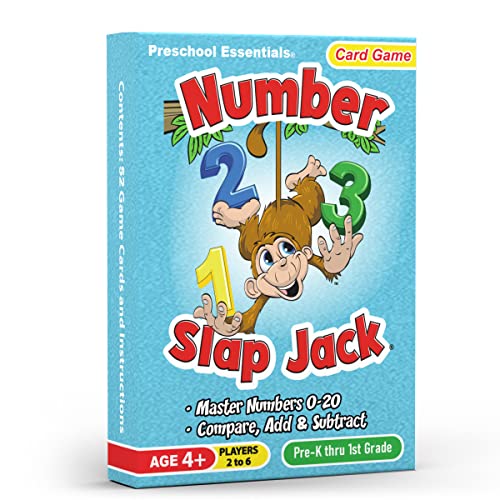
Number Slap Jack
This was perfect for quick games when we only had a few minutes. The mix of slapping, matching, and memory keeps kids engaged, and it sneaks in number practice at the same time. We liked that it wasn’t just one game, switching between styles kept it from getting boring. Good for building speed with numbers and focus.Related: Math matching game printable
Read More
What’s My Number?
This one really got my son thinking instead of just counting. Asking questions like “Is it bigger than 10?” or “Is it even?” helped build number sense in a natural way. It felt more like solving a mystery than doing math practice. Great for kids who enjoy guessing games and starting to understand how numbers relate to each other.
Read More
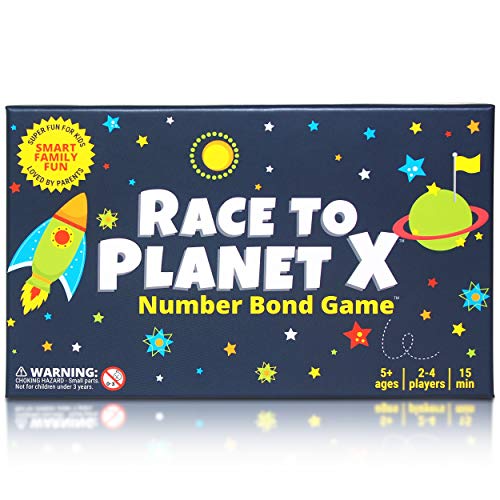
Race to Planet X
This worked well when we were practicing basic adding and subtracting and needed something more fun than flashcards. Moving around the board makes kids want to keep solving the problems so they can advance. The space theme helped keep interest high, especially during that early elementary stage when motivation matters a lot.Related: Space counting worksheets
Read More
Hammerhead Number Hunt!
This was great for hands-on learners. Instead of writing out subtraction problems, kids are hunting for the right numbers and physically moving pieces around the board. It made practicing subtraction feel like a game instead of work. We used this a lot when subtraction was first being introduced and confidence was still building.
Read More
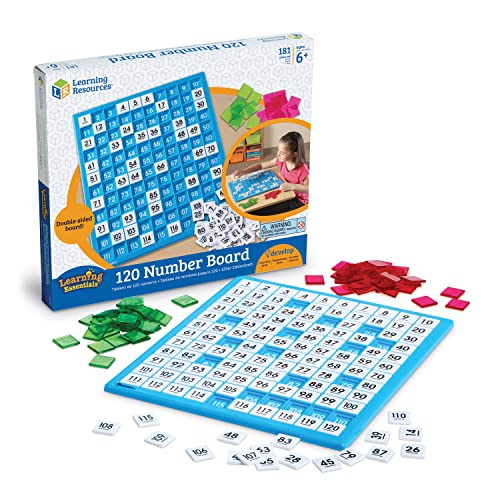
120 Number Board
This one stayed out on the table a lot because we could use it in so many different ways. Sometimes we counted forward and backward, other times we practiced skip counting or simple adding. Seeing the numbers laid out visually helped everything click faster. It’s especially useful when kids are starting to understand number patterns instead of just memorizing numbers.Related: Free printable counting worksheets
Read More
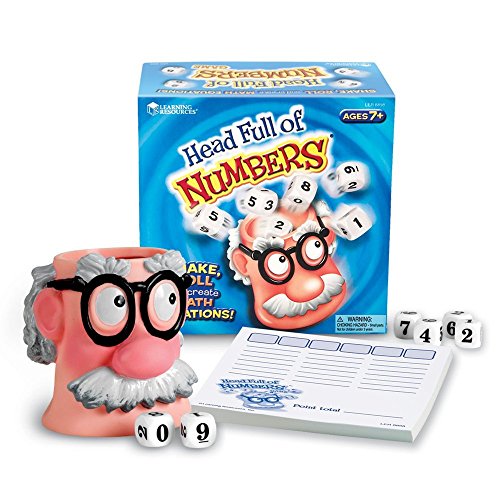
Head Full Of Numbers
This worked really well once my son had the basics down and needed something a bit more challenging. Rolling the dice and building equations made him think quickly without it feeling stressful. It turned into one of those games where you naturally want to play again to beat your last score. Great for building confidence with mental math.If you're looking for even more options beyond number-focused games, we’ve also shared our favorite math board games for kids of all ages.
Read More
NMBR 9
This one surprised us with how much thinking it takes. You’re stacking number tiles and trying to place them in ways that score higher, which ends up working on both math and spatial skills at the same time. It looks simple at first, but kids quickly start planning ahead. This is a fun bridge between basic number games and more strategic ones.
Read More
Triolet
This felt more like a classic family game night game than a learning activity. Making equations with the wooden tiles kept math hands-on and visual, which really helped things stick. It worked especially well once my son was comfortable adding and subtracting and ready to try a bit of multiplication. Good for slowing down and thinking things through.
Read More
The Number
This one leans more toward strategy than basic counting. Placing number tiles in the right order takes planning and a bit of trial and error, which made it great for problem-solving. It felt more like a “real” board game while still using numbers the whole time. Better for older kids who enjoy thinking ahead.
Read More
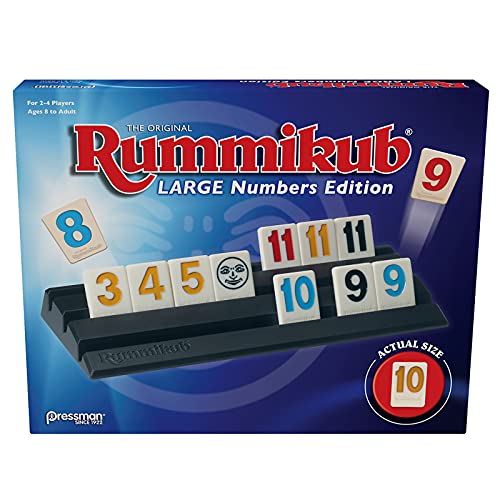
Rummikub Large Numbers Edition
This one became a regular family game night pick because it doesn’t feel like a learning game at all, just a fun strategy challenge that happens to use numbers. Making runs and sets helps kids naturally work on number patterns and quick thinking. The larger tiles were especially helpful when my son was younger and still getting comfortable reading numbers. It’s great once kids are past basic counting and ready for more strategic play.
Read More
Last Updated on 6 February 2026 by Clare Brown