Sometimes you want to play a board game without turning it into a whole family event. That happened a lot in our house, especially during homeschool days when my son wanted something fun to do on his own.
Over the years we’ve tried a surprising number of one player board games. Some were quick little puzzles, some turned into long afternoon adventures, and a few were good enough that I ended up playing them myself.
These are the solo board games we keep coming back to, not the ones that get played once and forgotten.
**This post may contain affiliate links. As an Amazon Associate and a participant in other affiliate programs, I earn a commission on qualifying purchases.**
Board Games You Can Play on Your Own
One person games aren’t all the same. Some are quick thinking games you can finish in fifteen minutes, while others feel more like a full story or strategy challenge that takes an evening.
This list includes simple options for younger kids, puzzle-style games for teens, and longer solo games adults usually enjoy most.
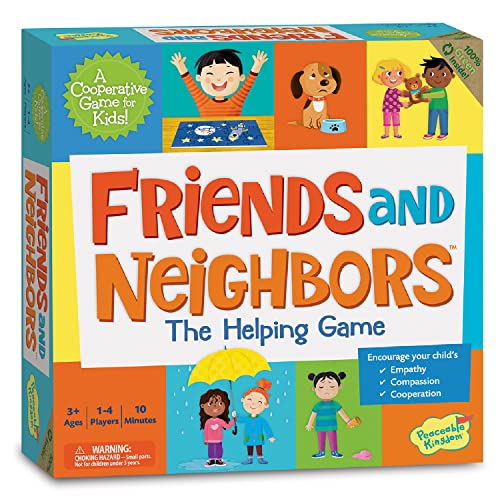
Friends and Neighbors
This was one we reached for a lot on quieter days. My son could sit and play it on his own without getting frustrated, which wasn’t always the case with other games. Matching the emotions to different situations felt more like helping than “playing to win,” and it kept things calm and positive.
It was perfect for those times when he wanted something gentle to focus on without it turning stressful. If you’re looking for more simple options for preschoolers, you’ll find a few similar picks in our board games for 3 year olds guide.
We ended up pulling this one out a lot because it kept my son busy without needing help every five minutes. You place fence pieces to separate the animals, and each puzzle slowly gets trickier, so it never felt too easy for long. It was great for quiet afternoons when he wanted something to focus on, especially since he’s always liked hands-on logic puzzles.
The Genius Square moves quickly, sometimes you finish a round in minutes, other times you’re stuck staring at the board trying to make it work. Some puzzles feel easy, others really don’t. It’s one of those games you keep coming back to.
It’s also one of the puzzle-style picks we’ve recommended for 8–10 year olds who like thinking games.
Plays more like working through a story than sitting down with a typical board game. You’re making choices, running into problems, and seeing how each decision changes what happens next. It actually works really well played solo, especially if you enjoy games that mix strategy with a bit of storytelling. Probably better for older kids and teens since the sessions can take a while.
Evergreen is slower and more relaxed than most solo games. You’re growing forests, managing sunlight, and trying not to block your own moves. It looks simple at first, but there’s a lot of planning involved. Probably better for teens and adults than younger kids.
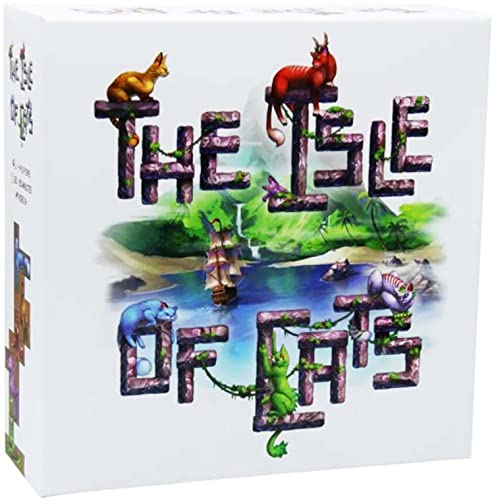
You’re rescuing cats and trying to fit them onto your boat without leaving awkward gaps or wasted space. It ends up feeling a lot like a strategy version of Tetris, but with different goals each round that change how you play. It stays interesting even after several games. Older kids, teens, and adults who like spatial puzzles usually get hooked on this one.
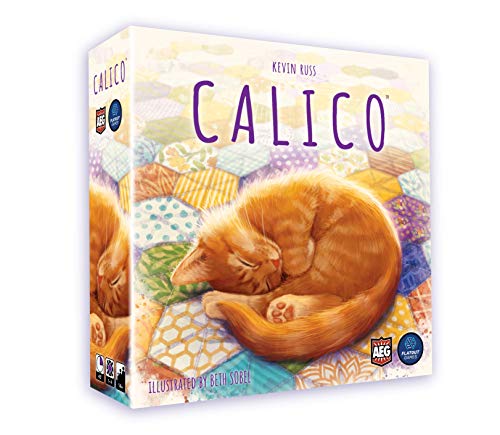
Quiet, relaxing, but harder than it first looks – Calico is all about planning ahead. It starts simple but quickly becomes a real thinking game as you try to balance several scoring goals at once. This one is perfect for players who like calm, thoughtful gameplay and don’t mind taking their time planning moves.
This one always felt a bit chaotic in a fun way. Monsters keep coming from every direction, and you’re scrambling to stop them before they reach the towers. When playing on your own, you’re juggling a few hands at once, which actually makes it more exciting instead of harder. It moves quickly and feels more like a team effort, so it’s a great pick if you like action and a bit of pressure rather than slow puzzle games.
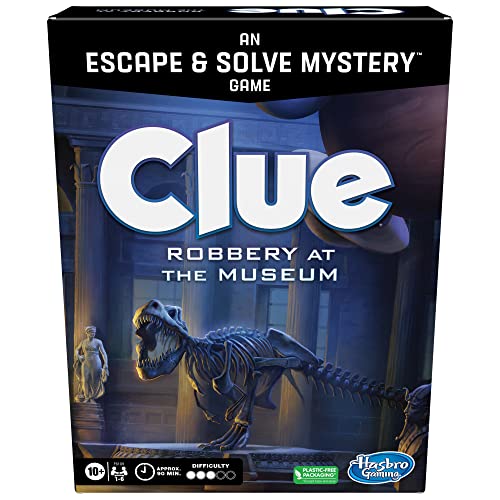
This one surprised us because it didn’t feel like regular Clue at all. It was more like working through an escape room at the table, solving puzzles, finding clues, and slowly figuring out what really happened. Playing it solo actually worked really well, especially if you enjoy logic problems and mystery stories. It’s a fun one for teens who like playing detective and piecing everything together.
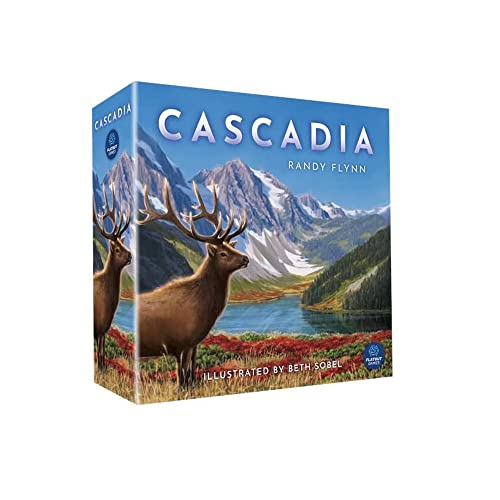
Cascadia plays smoothly as a solo tile-laying game where you’re building habitats and trying to score points with different wildlife patterns. Each solo scenario gives you a new scoring focus, which keeps it from feeling repetitive. It’s a great choice if you enjoy relaxed strategy games that still make you think carefully about every move.
This one definitely took us a few tries to get the hang of. You’re building up your deck little by little while trying to keep Robinson Crusoe alive, and at the beginning it feels like you lose no matter what you do. Once things start clicking though, it becomes really satisfying. It’s a great choice for teens and adults who enjoy strategy and don’t mind a bit of trial and error.
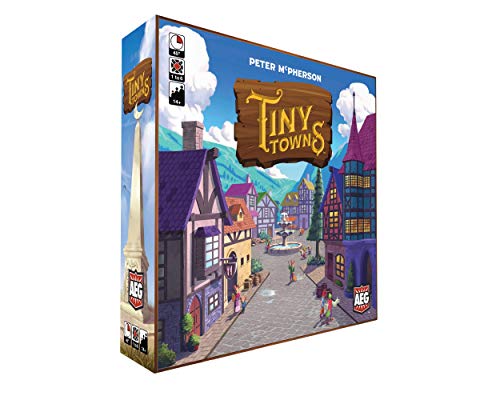
You’re building a town on a small grid and quickly realize there isn’t much room to make mistakes. Every resource has to be placed carefully, or you end up blocking your own progress. The solo goals give you something specific to work toward, which keeps the game feeling tense in a good way. It’s a better fit for older kids, teens, and adults who enjoy puzzle-style strategy.
This one always felt more like settling in for an adventure than pulling out a quick game. You’re flying around the galaxy, taking on jobs, upgrading your ship, and slowly building a reputation. It takes a little time to set up, but once you’re going it’s easy to get pulled into it. If you like story-driven games that you can sink into for a while, this is a great solo option.
This game uses the Pandemic-style system where you’re working to control threats across the galaxy before things spiral out of control. In solo mode, you manage several characters and make strategic decisions about where to focus your efforts. It’s fast-paced, cooperative in feel, and great for players who enjoy tactical problem-solving with a strong theme.
Built entirely around solo play and unfolds as you solve puzzles and uncover new surprises inside the box. It feels more like a mystery experience than a standard board game, with challenges that slowly reveal the bigger picture. If you enjoy escape rooms, logic puzzles, and games with twists, this one is a standout.
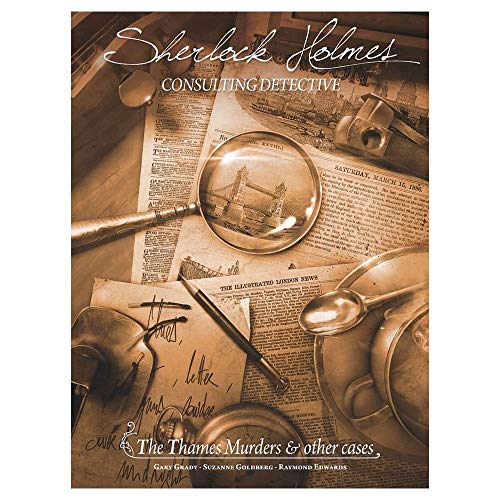
This one plays more like an interactive mystery than a traditional board game. You read case files, follow leads across London, and decide which clues to chase, knowing you can’t investigate everything. Solo play is where it really shines, especially if you enjoy logic puzzles, storytelling, and taking your time thinking things through.
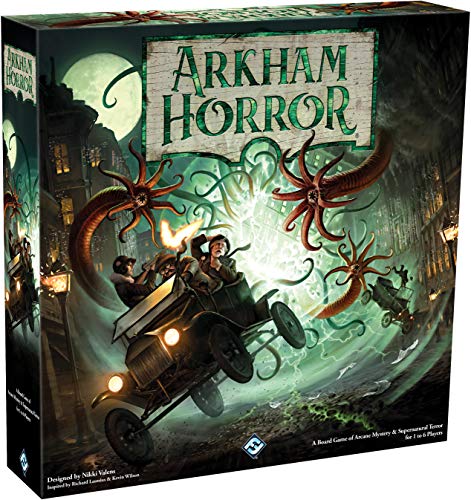
This one takes some time, but it really pulls you in. You’re moving around the board fighting monsters, chasing clues, and trying to stop everything from spiraling out of control. Since you’re managing several characters at once, every choice feels like it matters. It’s definitely better if you enjoy longer, immersive games and don’t mind sitting with it for a while.
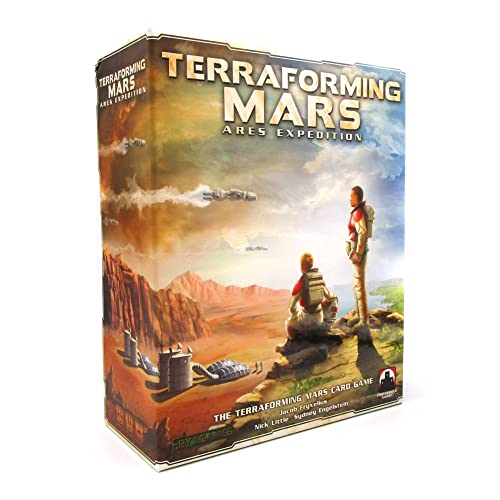
In solo mode, you’re working against the clock to make Mars livable by building cities, raising oxygen levels, and managing resources efficiently. It’s very strategic and rewards careful planning rather than quick moves. This one is ideal for players who like engine-building games and watching their progress slowly come together.
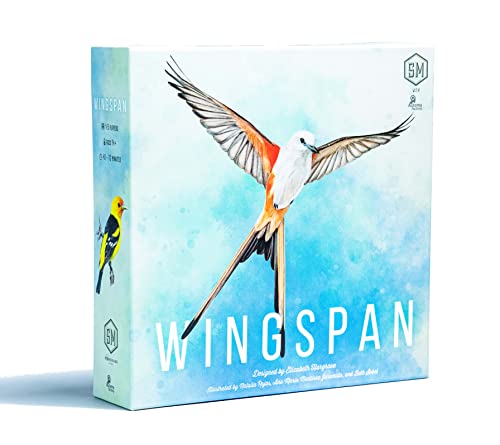
This one feels really relaxing to play, but you’re still thinking the whole time. You add different birds to your board, and each one triggers little actions for food, eggs, or points that start to build on each other. Watching everything slowly come together is part of the fun. It’s a nice choice for teens and adults who like strategy without anything feeling rushed or stressful.
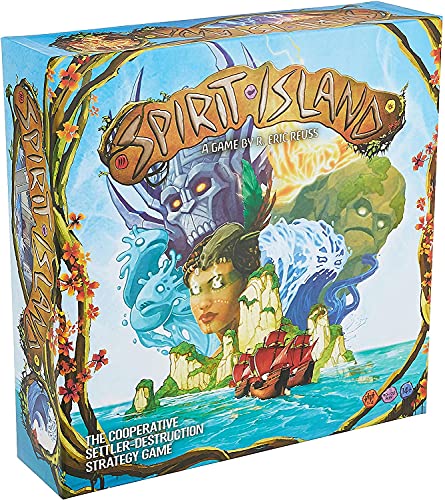
This one takes a bit to wrap your head around, but once it clicks it’s really satisfying. You’re protecting the island from invaders and constantly deciding whether to fix small problems now or plan ahead for bigger threats later. Every turn feels like a little puzzle. It’s definitely better for teens and adults who enjoy deeper strategy and don’t mind a learning curve.
This one feels like sitting down for a full fantasy adventure rather than a quick game. You explore new areas, fight enemies, and slowly build your character’s abilities as you go. It definitely takes time and a bit of patience, but that’s what makes it so rewarding once everything starts coming together. If you enjoy deep strategy and RPG-style progression, this one really delivers.
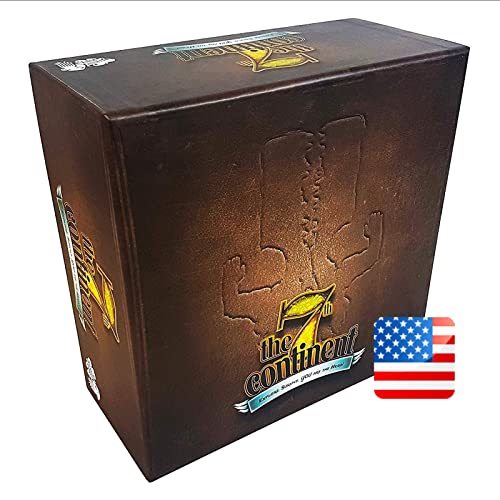
This one turned into a sit-down-and-stay-there kind of game for us. You start flipping cards to explore new areas and pretty quickly realize every choice matters, because supplies run out fast. We made a lot of wrong turns at first, but that was half the fun, figuring out what worked and what didn’t. It feels like working through a giant adventure puzzle on your own, and it’s really satisfying once you start surviving longer.
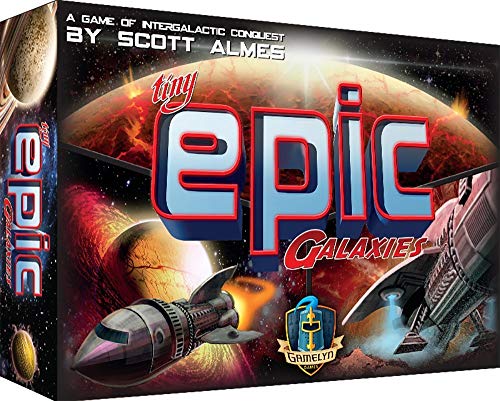
Tiny Epic Galaxies packs a lot of strategy into a small box. You’re rolling dice, managing resources, and expanding your space empire by colonizing planets. Solo mode feels like a tight strategy challenge where every roll matters. It’s a great option if you want something quicker than big campaign games but still satisfying to play alone.
Clare Brown is the founder of Homeschool of 1. She creates free printables and practical learning activities inspired by her years of homeschooling her son. Her work has been featured in Parade, HuffPost, Business Insider, Motherly, AOL, and Yahoo. Read more.