Five year olds want to do things on their own, but not every toy supports that stage well. Some need constant help. Others get abandoned after ten minutes.
The educational toys for 5 year olds that work best for independent play are the ones that feel open-ended and slightly challenging without being frustrating. At that age, I noticed my son gravitated toward toys he could figure out by himself, build, test, reset, and try again.
These are the ones that held his attention, encouraged problem-solving, and gave me a little breathing room without turning to a screen.
**This post may contain affiliate links. As an Amazon Associate and a participant in other affiliate programs, I earn a commission on qualifying purchases.**
Hands-On Learning Toys for 5 Year Olds
At five, the biggest difference wasn’t how “educational” a toy claimed to be, it was whether it invited hands-on use without constant direction. If he had to wait for instructions or needed me to explain every step, interest faded fast.
The homeschool toys below worked because they were tactile, open-ended, and just challenging enough to keep him experimenting. They supported early skills naturally, but more importantly, they gave him the space to play and figure things out on his own.
Whether you’re shopping for a birthday gift, looking for educational toys for a 5 year old boy or girl, or simply trying to encourage more independent play at home, the options below focus on toys that actually get used.
Science Magic Kit
This science kit works well for kids who like big reactions and quick results. The experiments are short and visual, which is important at five. Mine could set most of it up with light supervision and loved repeating the ones that had dramatic changes. It feels playful first, educational second, which is exactly why it held attention.
The slides are bright and easy to swap out, so it doesn’t stall momentum. He could explore on his own without needing instructions every few minutes. The built-in facts gave just enough structure while still letting him move at his own pace. Good option for kids who like pressing buttons and discovering things independently.
These were used constantly on days when sitting still wasn’t happening. He’d rearrange them into obstacle courses and challenge himself to cross without “falling.” They build balance and coordination, but more importantly, they give active kids something physical they can control and reset on their own.
This was one of the first strategy-style games that didn’t overwhelm him. The simplified map and rules make it accessible, but it still feels like a real board game. After a couple of rounds, he could manage most turns without help. It builds early planning skills without feeling heavy.
These stayed out for months. At five, open-ended toys win, and this is exactly that. He’d start building without a plan and adjust as he went. There’s no wrong way to use them, so frustration stays low and independence stays high. Easily one of the longest-lasting toys at that age.
This worked well once he was ready for slightly more structured thinking. The two difficulty levels helped, because we could start with the simpler version and build up. At five, he liked the idea of solving something, even if he didn’t fully understand deduction yet. It’s a good step up from pure chance games and encourages thinking ahead without being overwhelming.
I was hesitant at first because classic Monopoly board game is long and frustrating for young kids. The junior version is much shorter and easier to follow. He enjoyed handling the money and “owning” places, and it naturally introduced simple math without making it feel formal. After a few plays, he could manage most of it independently.
This worked best once he started recognizing continents and countries. The large map makes it visual, which helps at this age. He’d often treat it like a puzzle first, then gradually start caring about the questions. It’s a nice way to introduce geography without turning it into memorization.Check out our favorite geography board games for kids too.
This is straightforward and easy to jump into. The bingo format keeps it familiar, but the country cards add something extra. At five, the focus was more on recognizing places than mastering facts, and that was fine. It’s low-pressure and works well when you want something educational but not intense.Pair this with our free printable bingo boards.
This is pure energy release with a learning layer underneath. The setup is simple enough that he could handle it himself after the first try. Watching the rockets launch never really got old, and it naturally led to questions about height and distance. It’s one of those toys that works especially well for kids who learn best by moving.
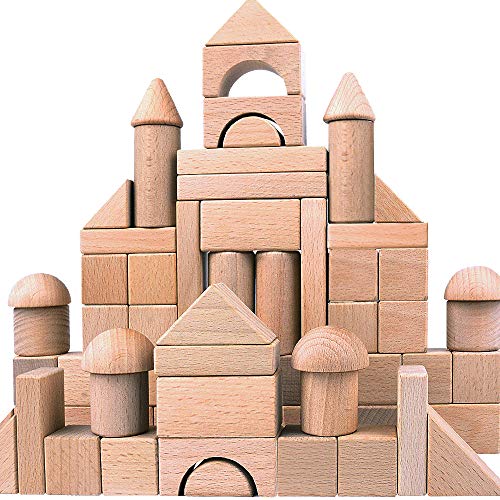
Classic for a reason. At five, building without instructions matters more than finishing something perfect. He’d stack, rebuild, knock things down, and start again without needing direction. Blocks are simple, but they quietly build spatial awareness and patience. They’re also easy to leave out and return to later.
Telling time can feel abstract at this age. Having something physical to move made it click faster. We didn’t sit down for “lessons”, he’d spin the hands and ask questions as they came up. It works best when it’s used casually rather than formally. Good for kids who like manipulating parts and figuring things out visually.
The interactive element is what keeps this from feeling like décor. He liked tapping different regions and hearing facts, especially about animals and landmarks. It’s structured, but still allows independent exploration. It worked best when geography interest was already starting to form.
Books for 5 Year Old Boys to Read Together & Independently
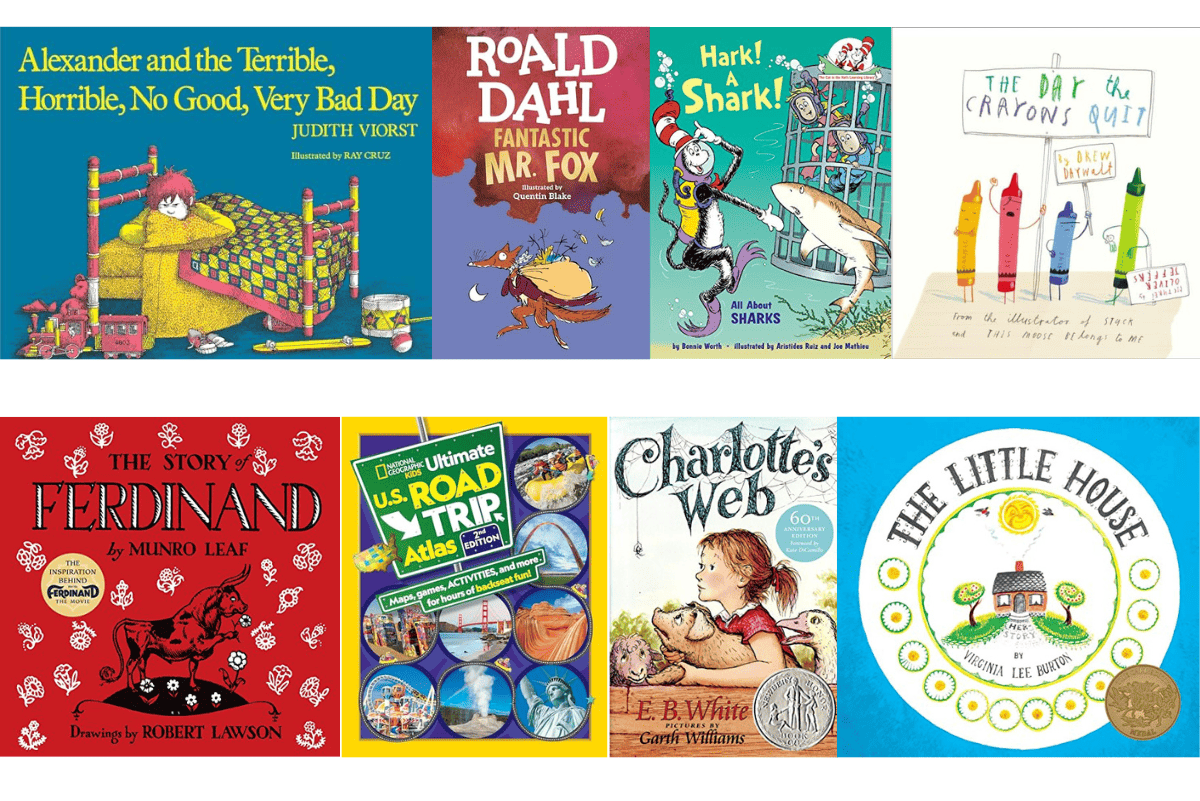
At five, independent reading is still emerging, so we mixed read-alouds with early reader books he could attempt alone. Humor and adventure kept him engaged far more than “educational” themes. The right books at this age build confidence more than skill, and that confidence carries into everything else.
Board Games for 5 Year Olds We Played Over and Over Again
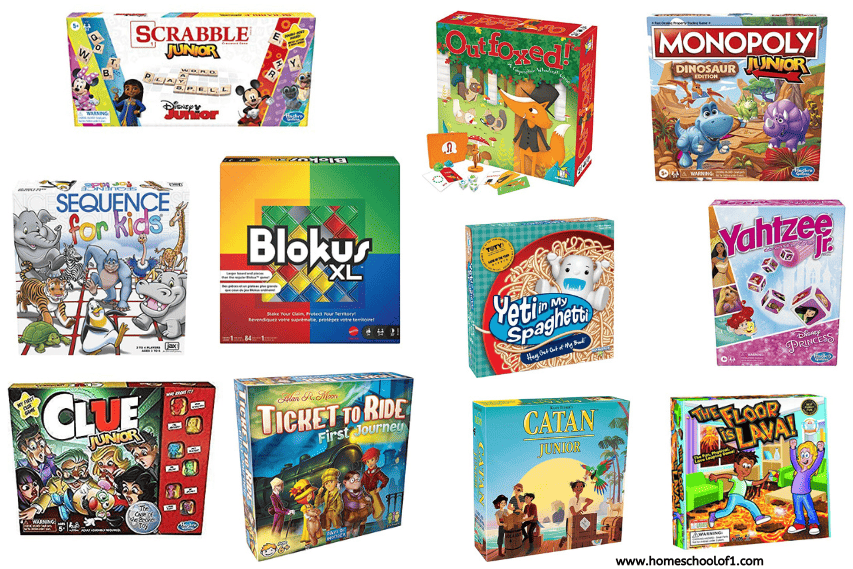
The games that lasted were the ones that didn’t drag. Quick rounds, simple rules, and clear goals matter at this age. If a game required too much explaining, it didn’t survive. The ones linked here are the ones we genuinely rotated through without resistance.
Clare Brown is the founder of Homeschool of 1. She creates free printables and practical learning activities inspired by her years of homeschooling her son. Her work has been featured in Parade, HuffPost, Business Insider, Motherly, AOL, and Yahoo. Read more.