Homeschool Civics Curriculum

Civics was one of those subjects I wasn’t sure how to approach when we started homeschooling.
It felt important, understanding government, rights, and how society works, but I didn’t want it to turn into another textbook-heavy subject that my son would tune out.
What ended up working best for us was a mix of simple curriculum, real conversations about current events, hands-on activities, and resources that made government feel real instead of abstract. Some years we leaned more structured, other years we kept it lighter and more discussion-based.
In this guide, I’m sharing how we taught civics in our homeschool, what actually kept my son engaged, and the resources that helped bring topics like citizenship, the Constitution, and government to life.
**This post may contain affiliate links. As an Amazon Associate and a participant in other affiliate programs, I earn a commission on qualifying purchases.**
How We Covered Government & Citizenship at Home
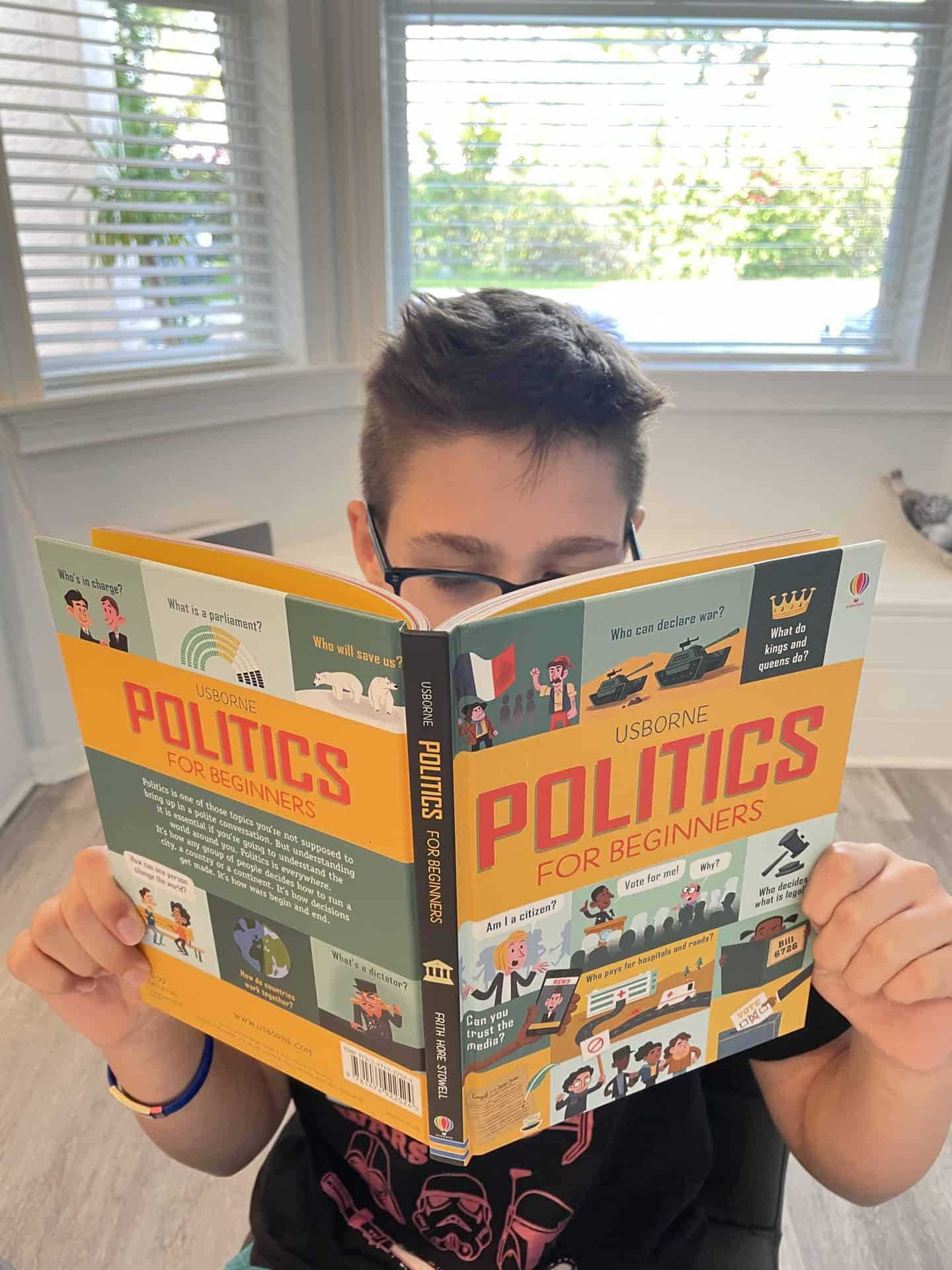
When we started civics, I kept it pretty simple. Instead of jumping into heavy textbooks, we focused on understanding how the government actually works and why it matters in everyday life, which shaped the homeschool government curriculum we used.
We talked through the basics, the three branches of government, how laws are made, and what rights and responsibilities citizens have, then built from there using a mix of short lessons, videos, and real-world examples.
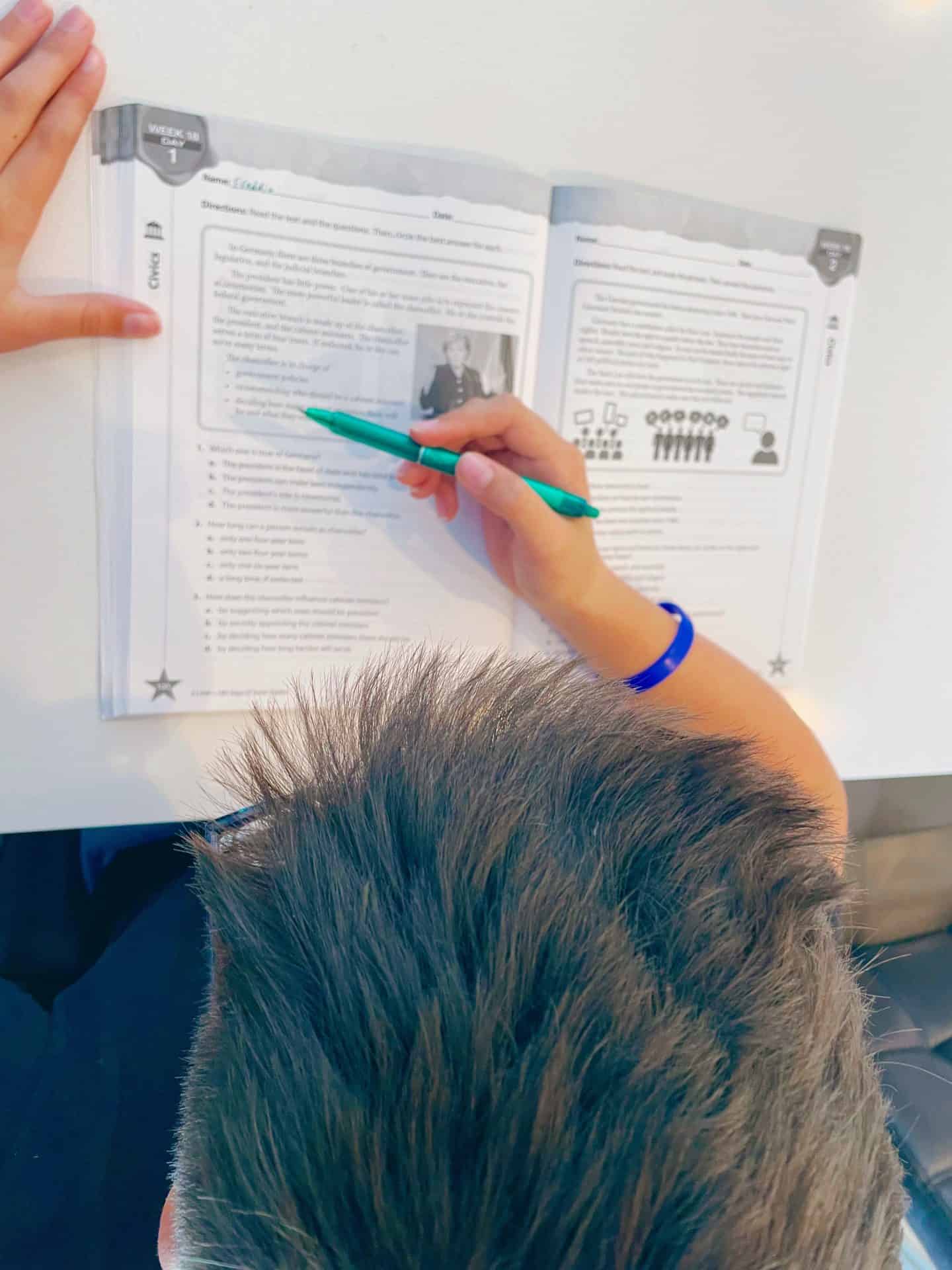
For structured learning, a few workbooks and middle school social studies resources helped guide lessons without feeling overwhelming. When a topic needed clearer explanation, short videos from Khan Academy and Crash Course were great for breaking things down in a way that actually stuck.
To make civics feel more real, we connected lessons to everyday life whenever possible. Watching local elections, talking about current events, and looking at how laws affect our community helped turn abstract concepts into something meaningful.
We also spent time reading important historical documents like the Constitution and the Declaration of Independence, not in a heavy academic way, but as discussion starters, asking why they were written and how they still affect life today.
Hands-on activities helped too. Simple mock elections, debates, and small service projects made ideas like citizenship and civic responsibility much easier to understand.
Making Civics Fit Your Child (Instead of Forcing a Curriculum)
One of the things I’ve loved about homeschooling is being able to adjust civics as we go. Some topics clicked right away, while others needed a totally different approach to make sense.
When something felt dry, short videos helped a lot, especially lessons from Crash Course, which break down government topics quickly without overwhelming details.
For days when listening worked better than reading, we’d use short audio lessons and discussions inspired by shows like Civics 101 to talk through how government actually functions in real life.
Hands-on activities made a big difference too. Mock elections, simple debates, and mini projects helped turn abstract ideas into something concrete and memorable.
Connecting Civics to Other Subjects
Civics didn’t live in its own box for us.
We naturally worked it into writing by having short opinion pieces, research projects on historical figures, and discussions around Supreme Court cases.
Geography tied in when learning about states, voting districts, and how local government works across the country.
Even math came up through looking at election results, population data, and simple budgeting concepts tied to government spending.
Including Different Viewpoints
We also made sure civics wasn’t taught from just one narrow perspective.
Some families prefer faith-based programs like BJU Press or literature-based approaches such as Sonlight, while others stick fully secular. In our case, we lean toward a homeschool secular curriculum that keeps the focus on primary sources and balanced discussion.
No matter the approach, bringing in different voices, historical experiences, and cultural perspectives helped make government feel more real, and far more interesting.
Simple Ways We Made Civics Stick at Home
Civics worked best for us when it wasn’t stuck in a textbook.
Short interactive lessons from iCivics were great for reinforcing topics like voting, branches of government, and citizen rights without feeling like extra schoolwork. The games especially helped on low-energy days.
Group learning helped too. Homeschool co-ops gave space for discussions, mock debates, and projects that felt more real than anything we could do alone.
We also leaned into games whenever possible, our government trivia quiz, election-style games, constitution challenges, and role-play activities made government concepts easier to remember and way more fun.
Current events became part of everyday conversation. Talking through news stories and connecting them back to what we were learning made civics feel relevant instead of abstract.
For older grades, keeping simple records of projects, readings, and activities made transcripts easier later, and gave a clear picture of progress without relying only on tests.
Free Civics Worksheets
- American government worksheets – quick practice pages that work well for reviewing branches of government, laws, and basic civic concepts without overwhelming lessons
- Bill of Rights coloring page – an easy way to introduce individual freedoms while talking through what each right actually means
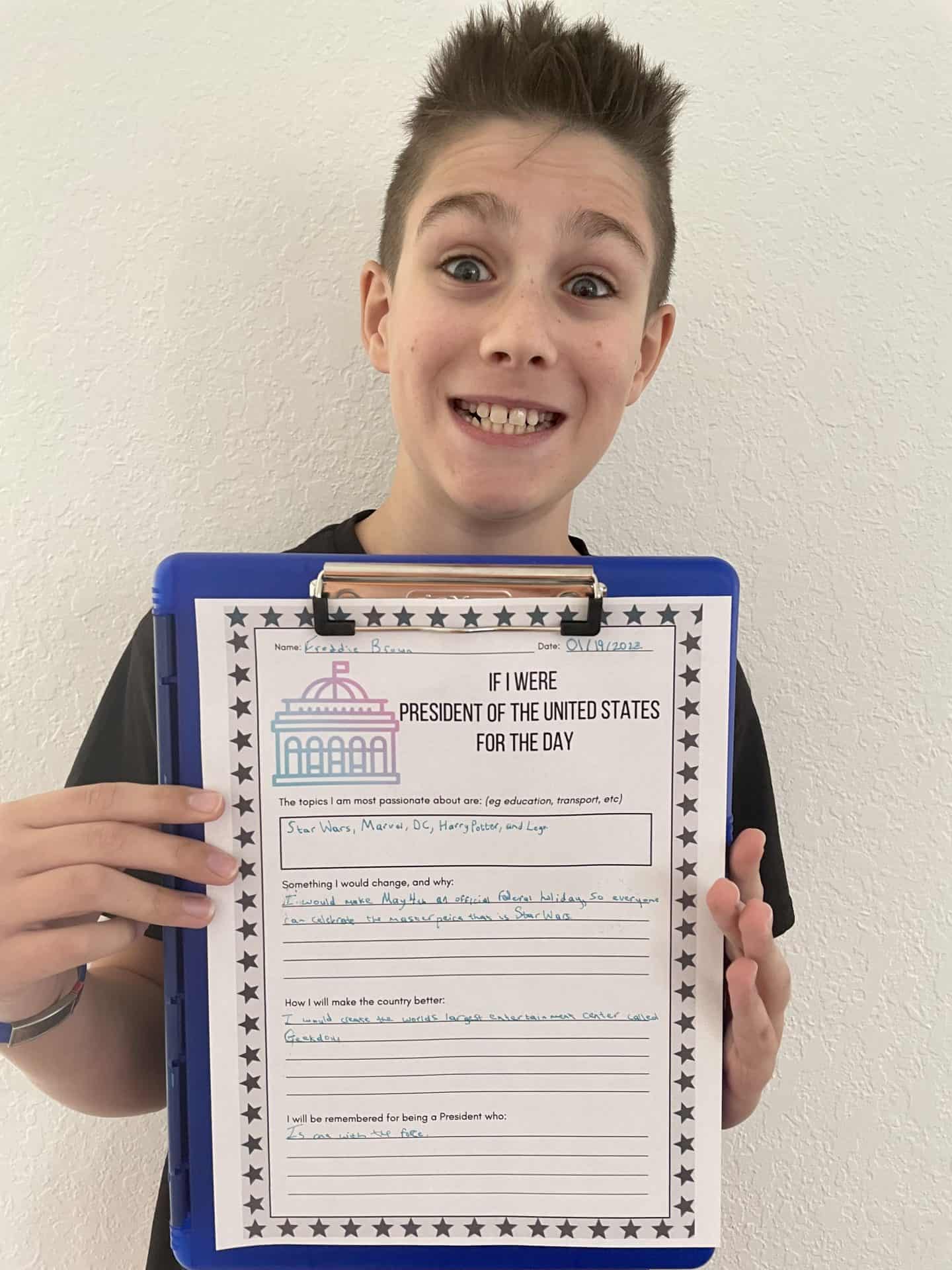
- If I were President activity – a fun writing prompt that gets kids thinking about leadership, problem-solving, and real-world decisions
- US Presidents coloring pages – great alongside history lessons or timeline work to connect faces with names and key moments
- Constitution coloring pages – helpful for introducing big ideas like laws and rights in a more approachable way
- Election Day coloring pages – perfect for tying civics into current events and understanding how voting works
- Declaration of Independence printable – a simple way to explore why the country was founded and what independence meant
Why Civics Matters in Our Homeschool
Civics became one of those subjects that naturally spilled into everyday life for us. Once we started connecting lessons to current events, elections, and real community issues, it stopped feeling like another workbook subject and started making sense.
Having the flexibility to mix curriculum with discussions, projects, videos, and hands-on activities made a huge difference in understanding how government actually works. Some of our best learning moments came from talking through real-world examples instead of just reading about them.
With the right mix of structured lessons and practical experiences, civics turned into a subject that built confidence, critical thinking, and awareness, not just memorization.
Last Updated on 6 February 2026 by Clare Brown
