Math has always gone over better in our house when it doesn’t look like schoolwork. Some days worksheets worked fine, but on the harder days, pulling out a game was what finally clicked.
We started using math board games in kindergarten as a break from sit-down lessons, and a lot of them quickly became part of our routine. My son thought he was just playing, but I could see his counting, adding, and number sense improving without the usual frustration.
These are the games we kept coming back to, the ones that made early math feel fun instead of forced.
**This post may contain affiliate links. As an Amazon Associate and a participant in other affiliate programs, I earn a commission on qualifying purchases.**
Math Board Games We Actually Used in Kindergarten
These are the games we reached for again and again, easy to set up, fun to play, and simple to work into everyday homeschool lessons.
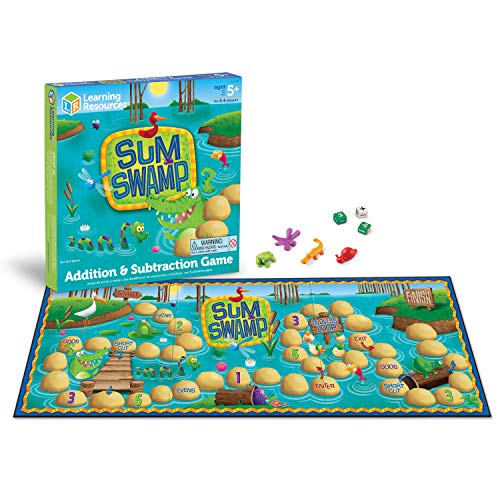
Sum Swamp
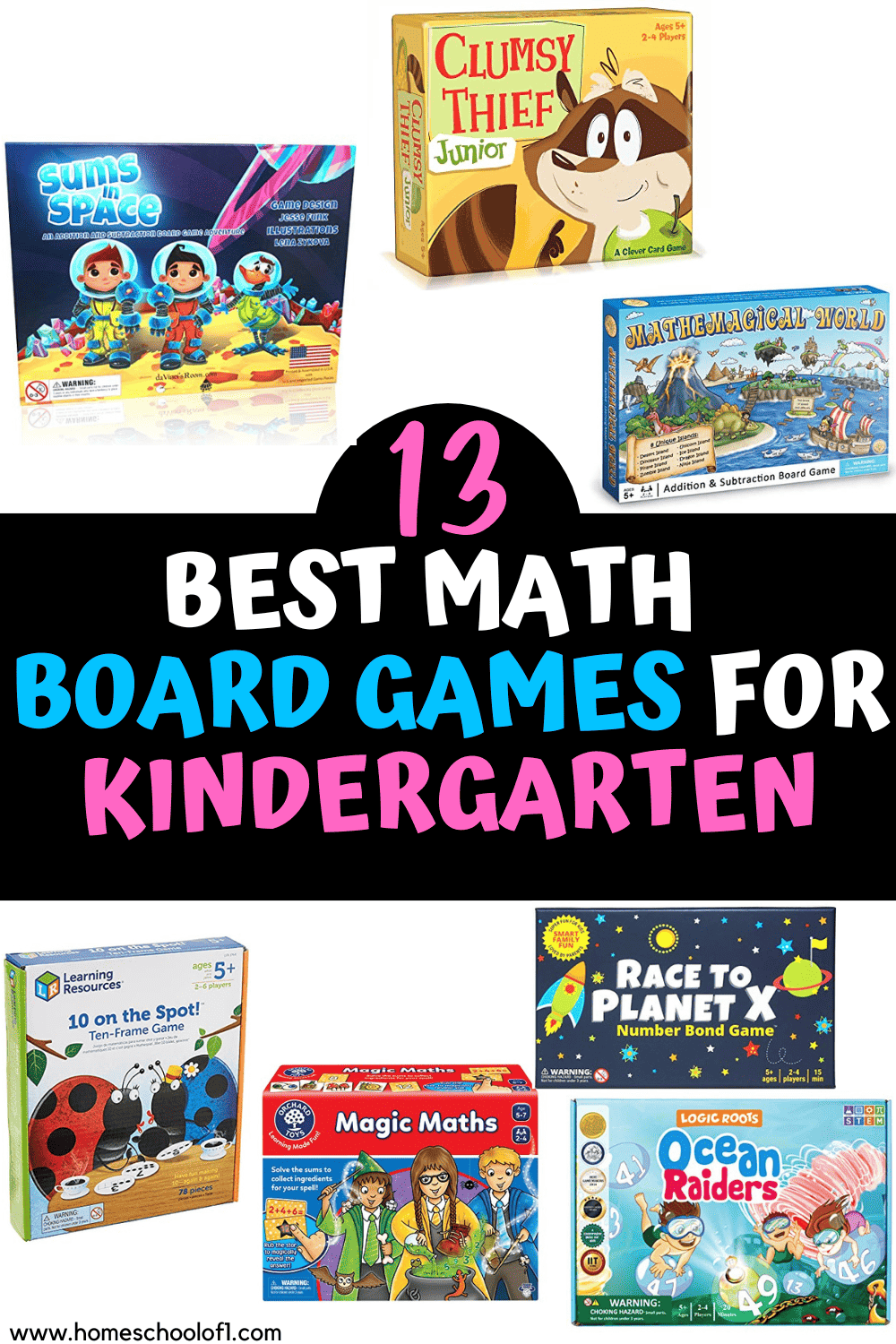
This was one of the first math games my son really loved playing. Moving through the swamp while adding and subtracting numbers kept things fun, and it never felt like drill work. We used it a lot when practicing basic math facts.
Read More
What’s My Number
This one is great for number recognition and simple logic. Kids ask questions, narrow down choices, and slowly figure out the mystery number. It worked really well when we were learning numbers up to 20 and comparing bigger and smaller.Related: Free printable counting worksheets
Read More
MathLink Cubes
These were perfect for hands-on learning days. Building with the cubes made counting, patterns, and simple math problems much easier to understand. We used them for everything from basic addition to early graphing.Related: Free Star Wars graphing worksheet
Read More
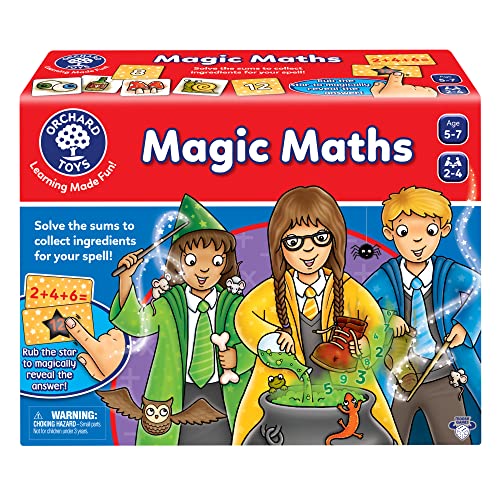
Magic Maths
This game made working with numbers feel more like solving little puzzles than doing math practice. The mix of shapes, patterns, and number challenges kept things interesting, especially on days when attention was low.Related: Math memory match game printable
Read More
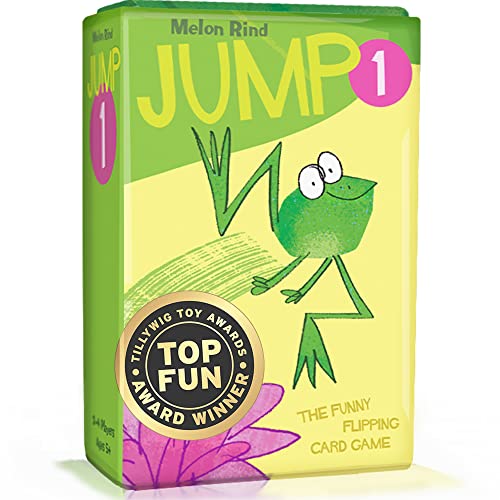
Jump 1
A fun way to practice counting and simple addition along a number line. Rolling the dice and moving forward helped reinforce number order, and it was easy enough for younger kids to play without getting frustrated.Related: Books about frogs for preschoolers
Read More
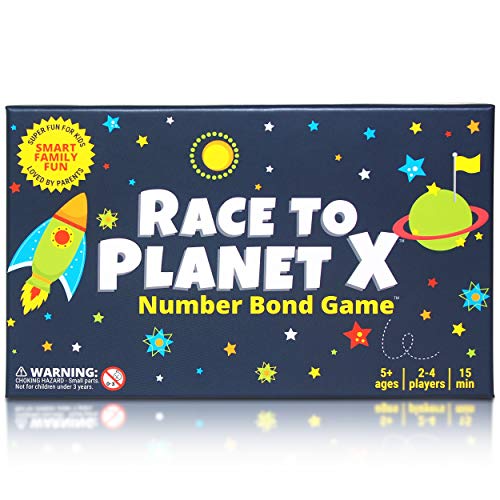
Race to Planet X
This one added a fun space theme to simple math practice. Solving number bonds and quick problems to move forward kept kids motivated, and it worked well when we were focusing on early addition and subtraction.Related: Addition Worksheets for Kindergarten
Read More
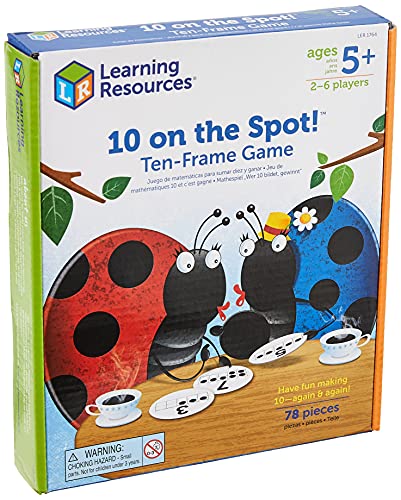
10 on the Spot!
Great for building number sense. Kids race to make combinations that add up to ten, which really helps those math facts stick. We pulled this out a lot for short practice sessions.Related: Ladybug math worksheets for preschoolers
Read More
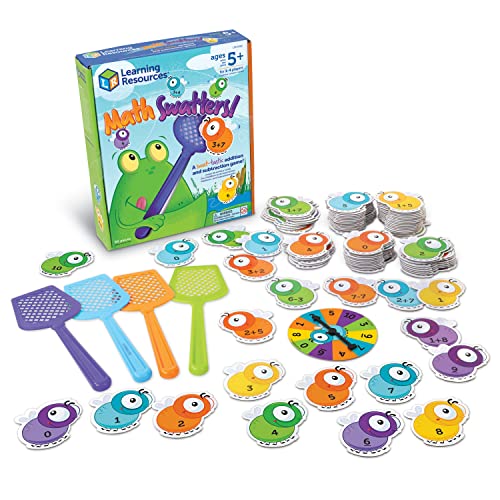
Mathswatters
This is a more active game, which was perfect for wiggly days. Swatting the correct numbers while solving problems made math feel like a game show instead of a lesson, and it helped build quick thinking.
Read More
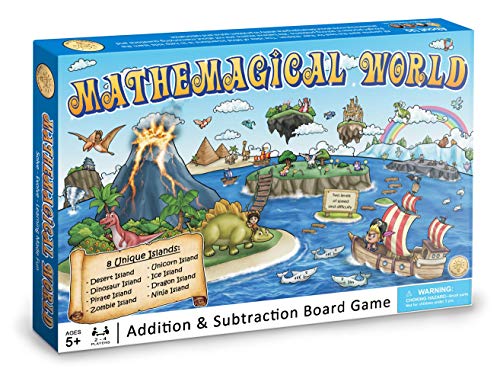
Mathemagical World
This one felt like an adventure mixed with math practice. Kids move through the story while working on basic operations, which kept them engaged longer than most traditional math games.
Read More
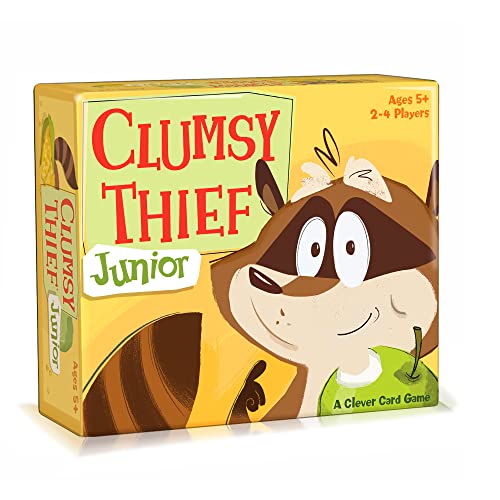
Clumsy Thief Junior
A great introduction to money and simple addition. Collecting coins and making exchanges helped kids understand value without worksheets, and it was always a hit during game time.
Read More
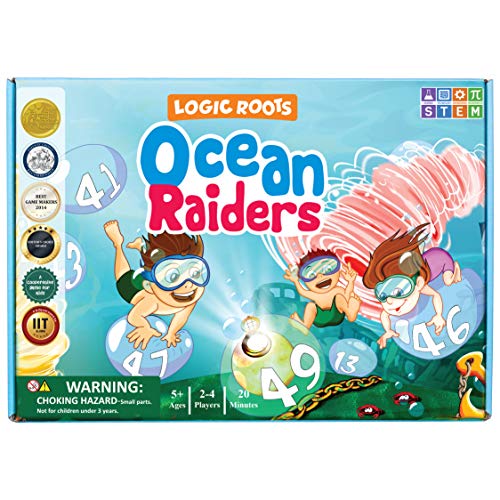
Logic Roots Ocean Raiders
This one mixes simple math with problem-solving. Kids have to think through each move instead of just counting forward, which made it great for building early logic skills while still keeping the game fun.Related: Free ocean bar graph worksheet
Read More
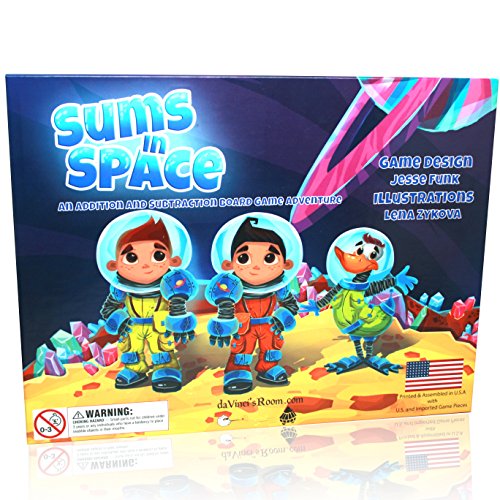
Sums in Space
Another space-themed favorite that worked well for practicing addition and subtraction. The theme kept kids interested, and the math felt more like part of the adventure than a separate task.Related: Space worksheets for preschoolers
Read More
Dino Math Tracks
This was great for learning number order and basic operations. Moving along the track while solving problems helped reinforce counting and early math facts in a really visual way.
Read More
Last Updated on 6 February 2026 by Clare Brown