Homeschool Art Curriculum for Every Grade

Art was the subject I quietly avoided for a while. Not because I didn’t value it, but because I didn’t feel equipped to teach it well. I can talk through history and break down math problems, but when it came to shading or perspective, I was out of my depth. At one point, my son’s sketchbook made that very clear.
Instead of keeping art as the occasional craft or hoping YouTube would fill the gaps, I started looking for something more intentional. I wanted guidance without it feeling rigid. I wanted projects that built real skills, not just busywork. Over time, we tested a mix of structured curriculum, simple artist studies, online classes, and even art kits.
Some we dropped quickly. A few stuck. These are the homeschool art curriculum options that actually made art feel manageable, and, more importantly, enjoyable, in our week.
**This post may contain affiliate links. As an Amazon Associate and a participant in other affiliate programs, I earn a commission on qualifying purchases.**
Art Curriculum Options That Worked for Us
Art took me longer to figure out than most subjects. I wanted it to be more than the occasional painting afternoon, but I also didn’t want it to feel forced or overly academic.
Over the years, we tried a mix of structured programs, artist studies, and online classes to see what actually fit into our week.
These are the options that worked for us, the ones that gave enough guidance without taking over the day.
Art Unit Study
Artist studies have been one of the easiest ways to make art feel consistent in our week. Instead of teaching technique from scratch, we focus on one artist at a time and let the learning build from there. It feels calmer than a full curriculum, but still intentional.
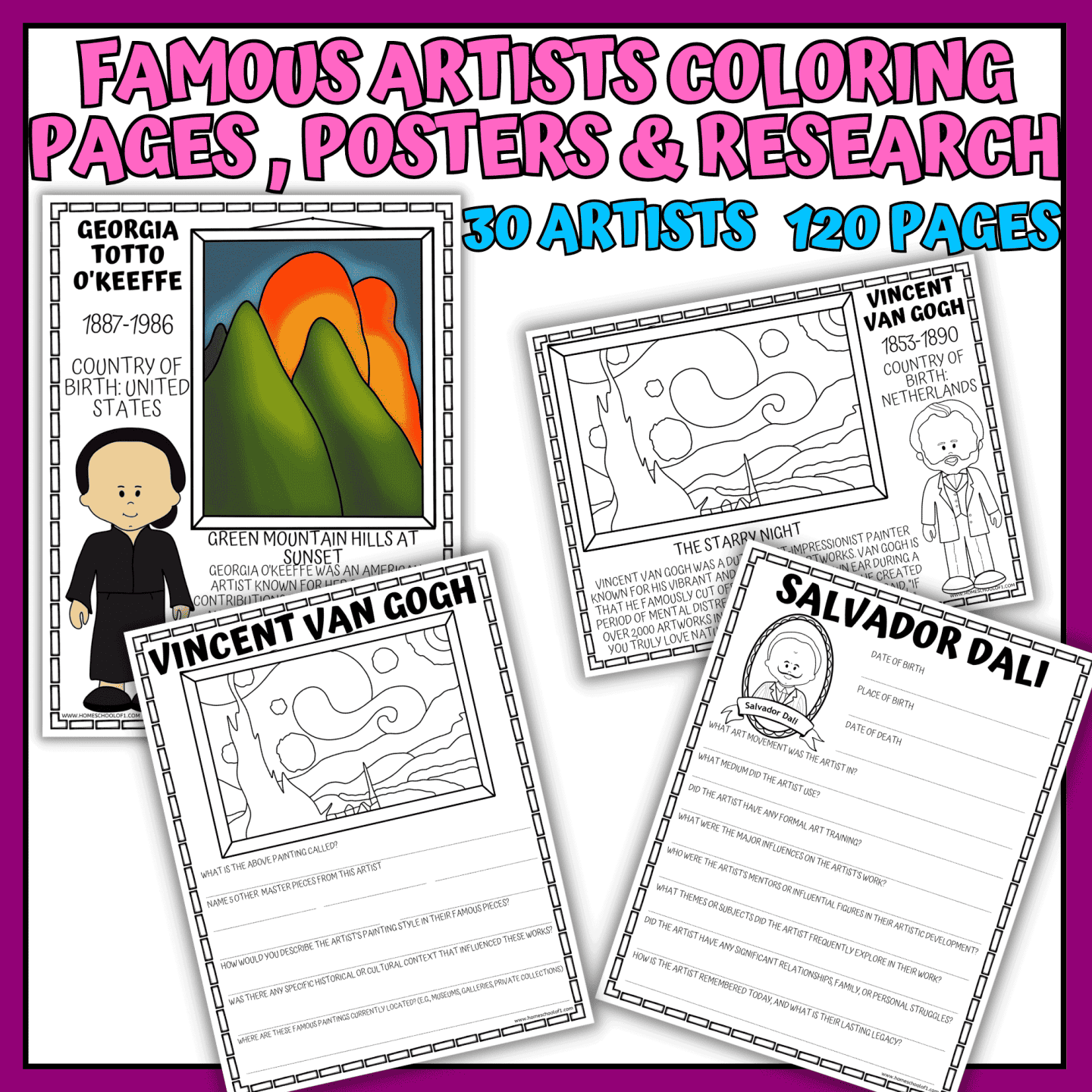
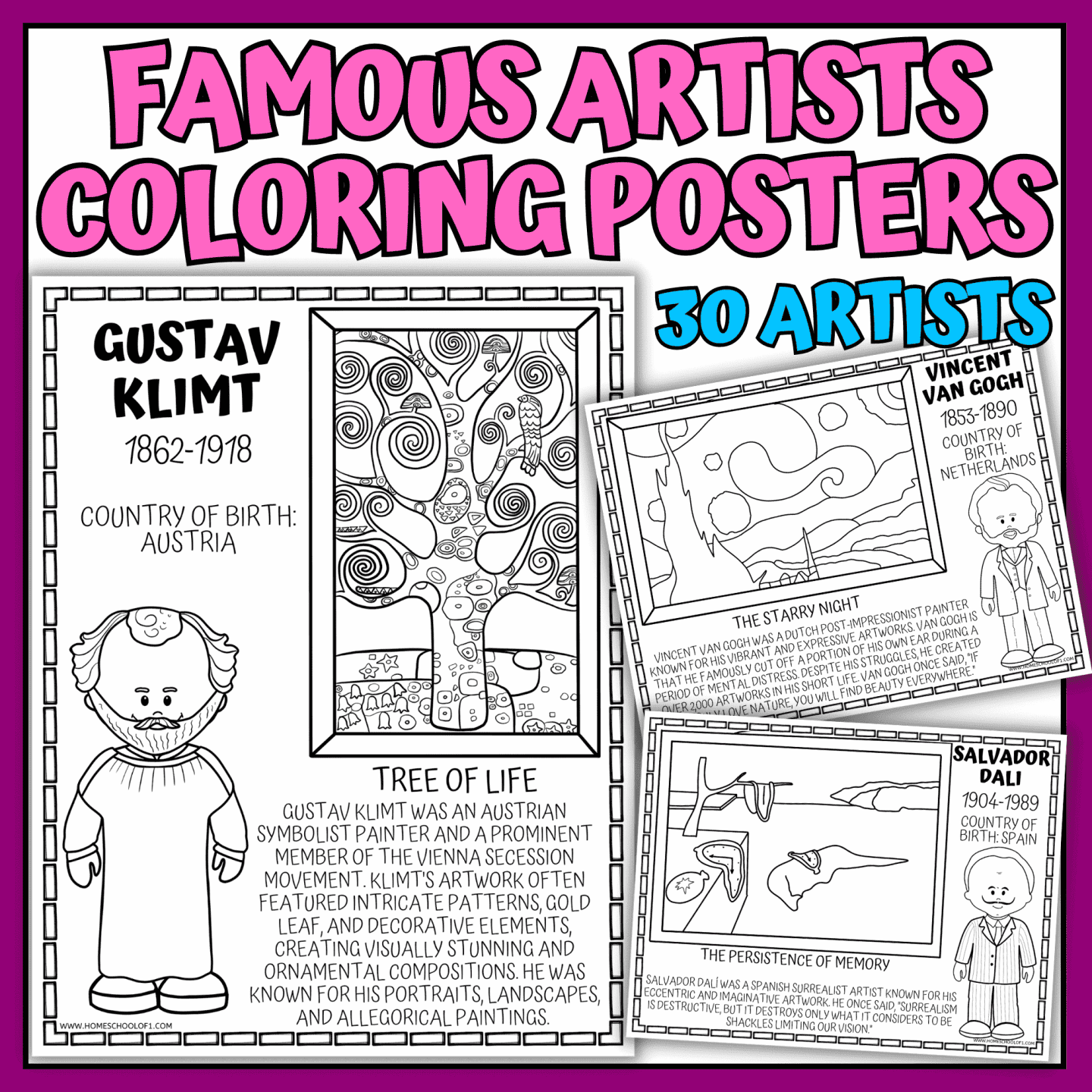
Famous artist’s coloring pages – These worked better than I expected. Instead of blank coloring sheets, they’re based on real pieces, so my son could notice patterns, color choices, and brushstroke styles while working. We’d usually read a short biography first or watch a quick video, then talk about what stood out while he colored. It felt low pressure but still educational.
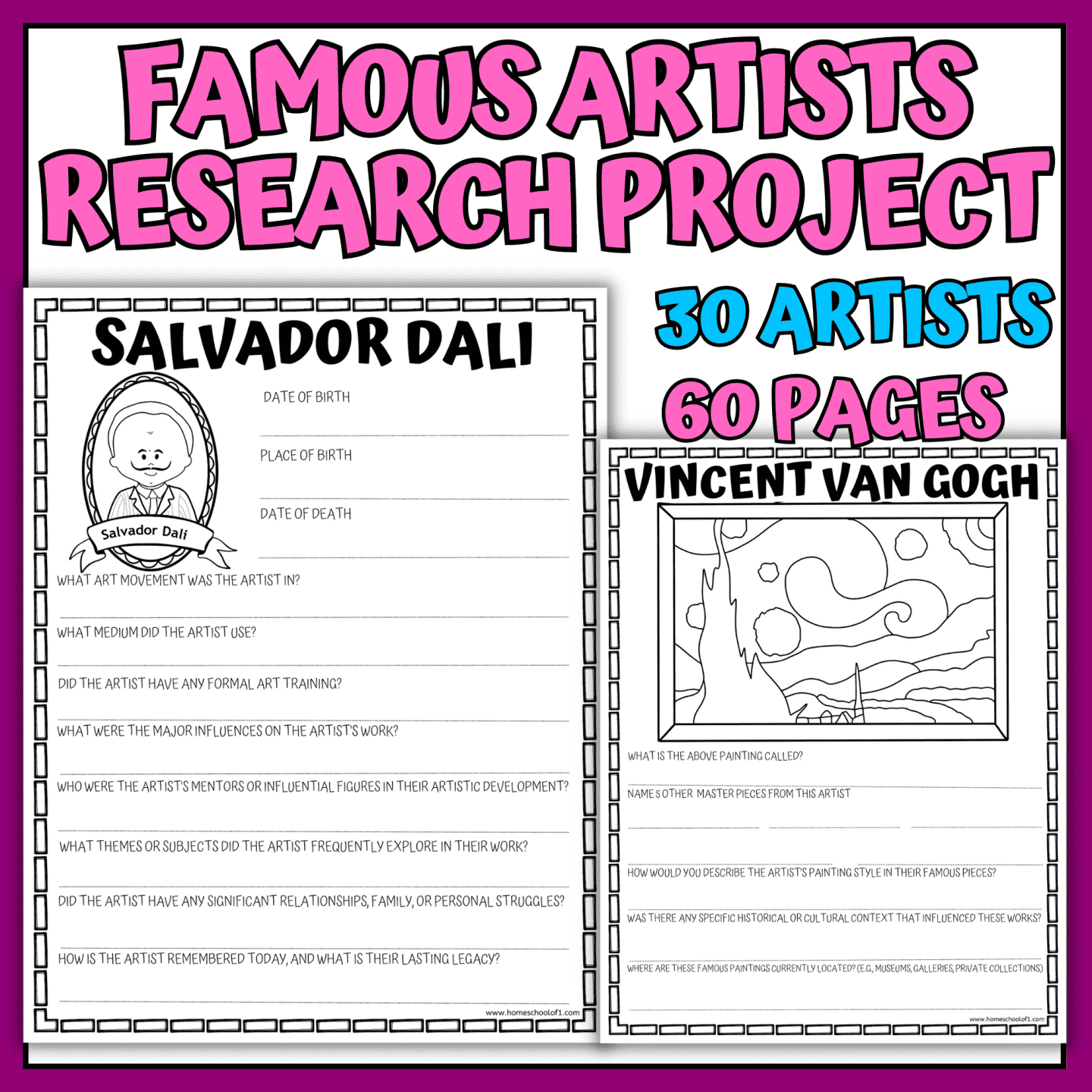
Artists research project – When he was older, we moved into more structured artist research. Choosing from a list of 30 well-known artists gave him some ownership, and the project naturally brought in reading, writing, and basic art analysis. It paired especially well with history because we could see how the time period influenced the artwork. For middle and high school, this approach gave art more depth without turning it into a heavy textbook subject.
Artistic Pursuits
Artistic Pursuits was one of the first programs that made me feel like I didn’t have to wing it. It’s organized by grade level, which helped me know where to start, and the lessons build gradually instead of jumping straight into complicated techniques.
What I appreciated most was the balance. There’s actual drawing instruction, but also background on the style or time period, so it doesn’t feel disconnected. The instructions are clear enough that I didn’t have to pre-study the lesson before sitting down with him, which, honestly, mattered a lot.
If you’re putting together a full plan, I’ve also shared our favorite secular homeschool curriculum options across other subjects.
Alpha Omega Art
Alpha Omega Art feels closer to a traditional high school course. It moves beyond simple projects and into things like shading, perspective, and color theory, with room for more detailed work. There’s even space for creative areas like cartooning and carving, which keeps it from feeling too rigid.
This one makes more sense once your teen is ready to treat art as a serious subject. It can function as a full credit, and it has that clear, structured progression some older students actually prefer.
How Great Thou Art
How Great Thou Art takes a more classical approach. It combines drawing instruction with art history, so students aren’t just creating, they’re studying context alongside technique.
Because it’s faith-based, it won’t fit every family, but for those wanting a Christian perspective woven into art study, it’s thorough. It tends to suit older students who appreciate a structured format and a stronger emphasis on historical foundations.
SchoolhouseTeachers
SchoolhouseTeachers is less of a single curriculum and more of a library. With one subscription, you can browse a wide mix of art courses across grade levels, which is helpful if you’re teaching multiple kids at once.
Some classes focus on practical skills like drawing or painting. Others lean into artist studies or art history. The flexibility is the main advantage, you can try a course for a season without committing to a full standalone program.
Free Homeschool Art Curriculum
We’ve relied on free homeschool resources more than once, especially in seasons when I didn’t want to commit to a full program. Some are surprisingly thorough, others work better as a supplement, but they’ve all helped keep art consistent without adding cost.
Easy Peasy All in One Homeschool
Easy Peasy includes a full art track from elementary through high school. It moves through art history chronologically, covering everything from ancient art to modern movements. The format is straightforward, which made it easy to assign independently once my son was old enough to work through lessons on his own.
Khan Academy
For art history, Khan Academy is hard to beat. The lessons are short and focused, usually built around a specific artwork or movement. We’ve used it more for discussion than hands-on projects, it works especially well when you want to add context to what your child is creating.
Twinkl
Twinkl is mostly subscription-based, but they do offer occasional free art resources. We tried their George Stubbs materials during a short artist study, and it worked well as a simple introduction without needing to plan much around it.
If you’re also planning other subjects, I’ve shared our music curriculum options separately.
Art Books We’ve Used in Our Homeschool
Some art books end up gathering dust. These are the ones that stayed within reach on our shelves and actually got opened more than once.
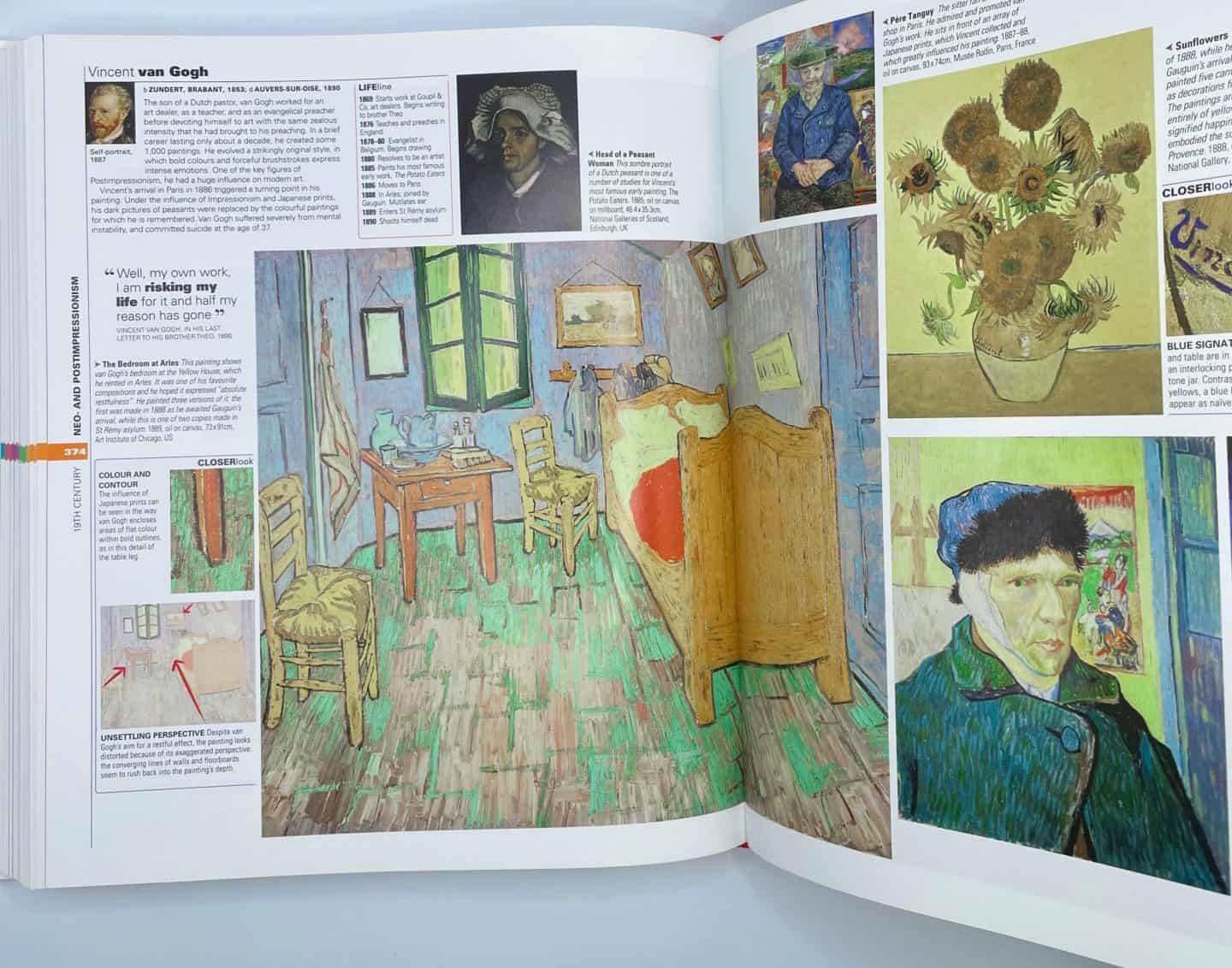
The Arts: A Visual Encyclopedia – This works well as a reference. When we were studying a particular movement or artist, we’d flip to the relevant pages and use it as a starting point. It’s helpful for quick context without overwhelming younger students.
Art: The Definitive Visual Guide – This became our main reference over time. The layout makes it easy to trace connections between artists and movements, and the images are clear enough to really study. We’ve used it both for casual browsing and for more focused art history weeks.
The Story of Paintings – A gentler introduction for younger kids. Instead of heavy analysis, it tells the story behind well-known works, which made it easier to hold attention. It’s especially good for sparking discussion without turning it into a formal lesson.
The Illustrated Story of Art – This one reads more like a timeline, which helped when we wanted to see how styles evolved over time. We often paired it with whatever history period we were studying so art didn’t feel separate from everything else.
Awesome Art Activities for Kids – On days when we wanted something practical, this book was useful. The projects are approachable and don’t require specialty supplies, which meant we could actually follow through instead of postponing them.
Art Kits We’ve Tried at Home
Art kits filled a gap for us on weeks when I didn’t want to plan supplies or map out a full lesson. Having everything in one box made it easier to say yes to art without overthinking it.
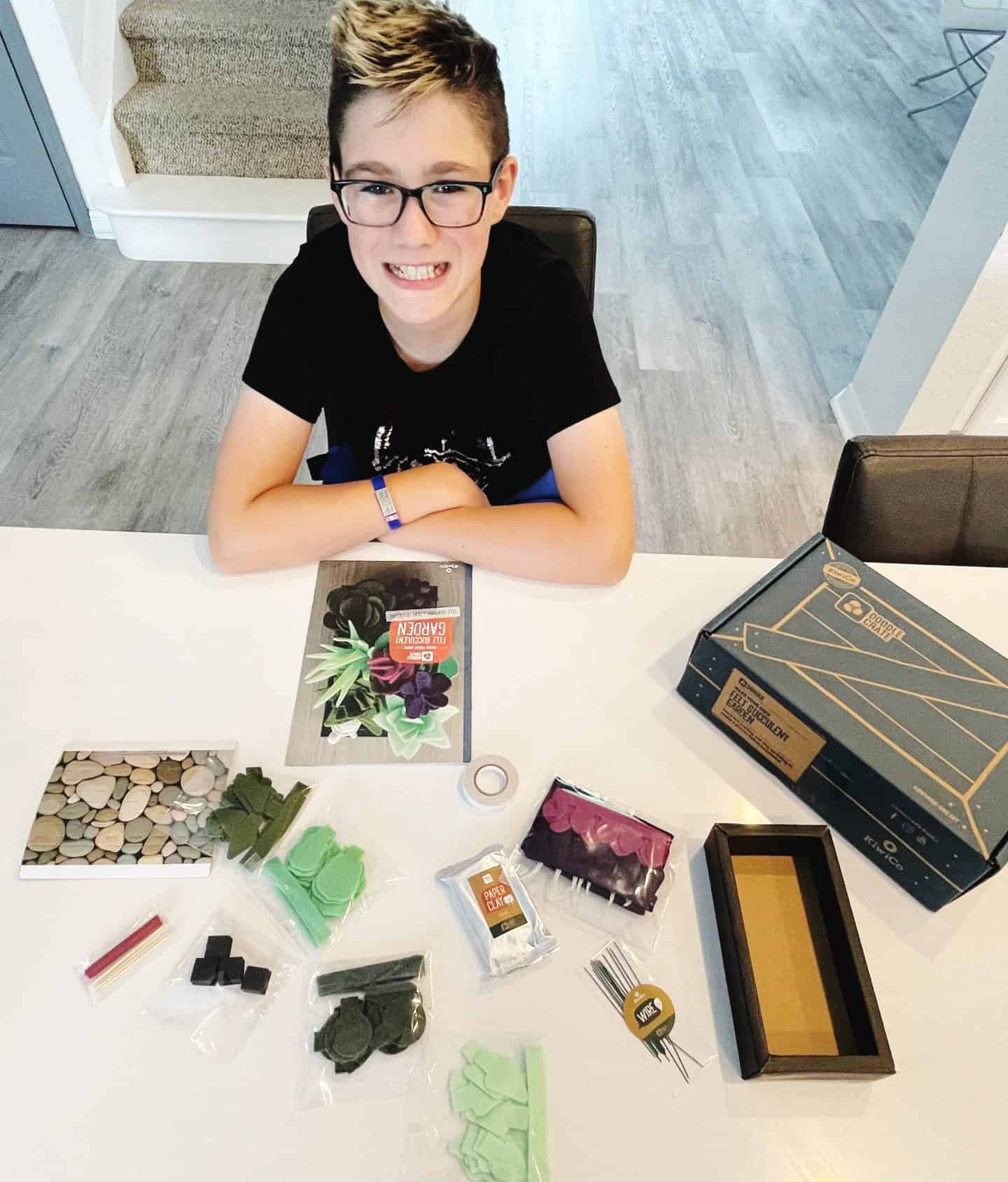
KiwiCo Doodle Crate – The Doodle Crate boxes arrive with a complete project and all the materials included, which removes a lot of friction. My son liked that each project introduced a different technique, so it didn’t feel repetitive. The instructions are clear enough for independent work once kids are comfortable reading through steps on their own. I’ve shared more detail in our Doodle Crate review.
Online Art Classes for Homeschoolers
There were seasons when I wanted someone else to lead art. Not because I didn’t care about it, but because having a skilled instructor explain technique makes a difference. Online classes made that possible without rearranging our schedule.
If you’re looking for broader video-based learning, I’ve also shared some of our favorite educational YouTube channels separately.
Outschool
Outschool gave us access to live art classes without committing to a full program. My son tried everything from simple still life drawing to themed classes based on his interests. The live format helped because he could ask questions in the moment instead of guessing whether he was doing something right. It worked especially well during his late elementary years. You can read more in our Outschool review.
Art For Kids Hub
Art for Kids Hub has probably been used more in our house than any other art channel. The step-by-step format makes it approachable for younger kids, and the range is wide, simple shapes one day, detailed characters the next. At one point, my son followed a Fortnite tutorial and proudly taped the finished drawing to his wall.
Cartooning Club How to Draw
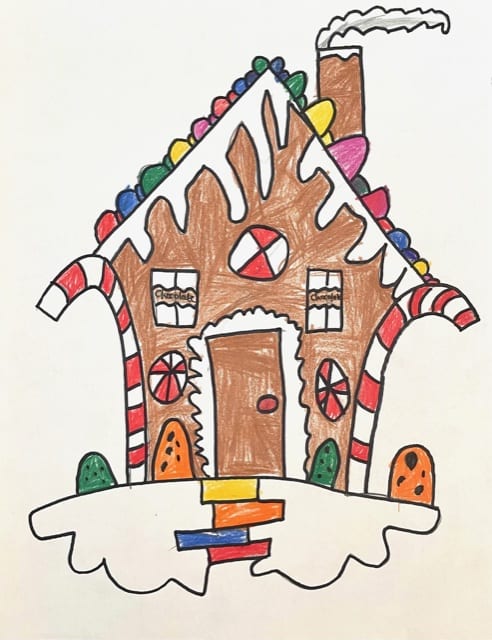
Cartooning Club leans more toward older kids who love superheroes, anime, or gaming characters. The pace is quicker, and the drawings are more detailed. It’s a good fit for kids who are motivated to improve their character art specifically.

The Art Sherpa
For acrylic painting, Art Sherpa goes deeper. The projects take more time and patience, so it tends to suit teens (and even adults). We didn’t use it weekly, but when we wanted to focus on painting, it provided clear guidance without feeling rushed.
Bob Ross
There’s something calming about following along with Bob Ross. The landscapes are detailed but manageable if you break them into steps. We tried one of the painting kits once, which made it easier to gather supplies instead of improvising.
Magic Cat
Magic Cat is more playful and slightly unpredictable. It’s not structured like a class, but it’s fun when you want something different. The imaginative characters keep it from feeling too serious.
Face Drawer
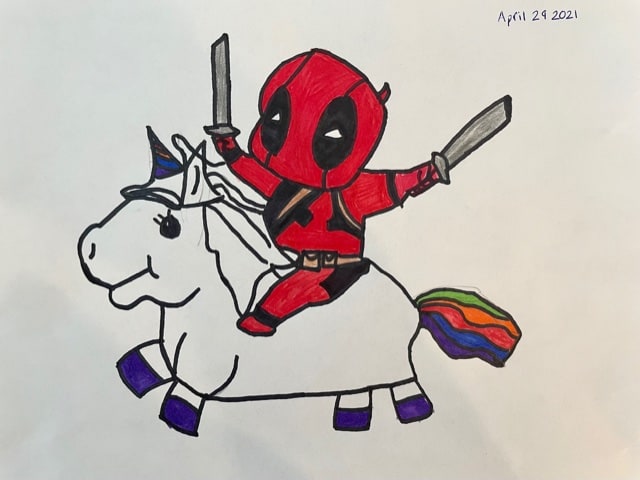
Face Drawer is another character-focused channel, especially for kids who like drawing from games and movies. It’s less formal than a curriculum, but useful for practice and creative downtime.
Last Updated on 11 February 2026 by Clare Brown
