Not every educational toy earns a place in our homeschool. When I’m choosing educational toys for homeschoolers, I’m looking for tools that actually support what we’re teaching.
Over the years, I’ve realized the difference usually comes down to one thing: does it genuinely support what we’re already teaching? The toys below helped reinforce math, reading, science, and critical thinking in ways that felt natural, not forced.
These homeschool educational toys didn’t just look good on a shelf, they stayed in rotation.
**This post may contain affiliate links. As an Amazon Associate and a participant in other affiliate programs, I earn a commission on qualifying purchases.**
Educational Toys for Hands-On Learning at Home
These homeschool toys cover a wide range of subjects and ages, but they all have one thing in common: they supported what we were already teaching at home.
Some reinforced math concepts. Others strengthened reading skills or introduced science in a more practical way. A few simply gave my son a break while still keeping his brain engaged.
Not every toy gets used long term. The ones below did.
The Genius Square
This is one of those games that looks simple until you actually try to solve it. The dice determine the blockers, and from there it’s a race to fill the board correctly. My son got frustrated the first few rounds, then suddenly it clicked, and he started beating me. It’s especially good for kids who enjoy puzzles and like working against the clock.This is one of the best educational board games.
Read More
Code Master Programming Logic Game
We used this when we wanted to introduce coding without putting him straight onto a screen. The levels build gradually, so he could see how each move affected the outcome. It feels more like solving a maze than “learning programming,” which helped keep him engaged longer than I expected.
Read More
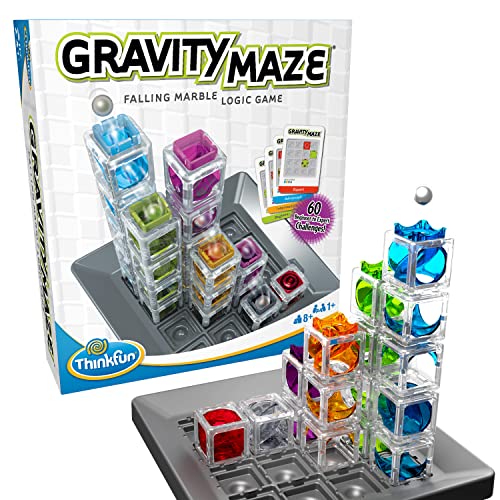
Gravity Maze Marble Run Brain Game
Watching my son construct paths and solve puzzles with the Gravity Maze is such a joy. It’s one of those toys that combines fun with learning seamlessly. He’s learning planning and spatial reasoning skills while having a blast. This game is perfect for ages 8 and up, keeping kids engaged as they build and experiment.Check out even more of the best toys for 10 year old boys here.
Read More
Interactive World Globe
This globe got more use during our geography units than any workbook ever did. Scanning countries to see animals, landmarks, and short facts made it easier to connect places to real images instead of just names on a map. It worked well when we were studying continents or planning trips.
Read More
Zingo Bingo
Zingo was one of the first games we used for early reading practice. Matching pictures to words feels like a race, so it doesn’t come across as a lesson. It’s quick to set up, which helped on days when attention spans were short.Pair this with our free bingo printable cards for even more fun.
Read More
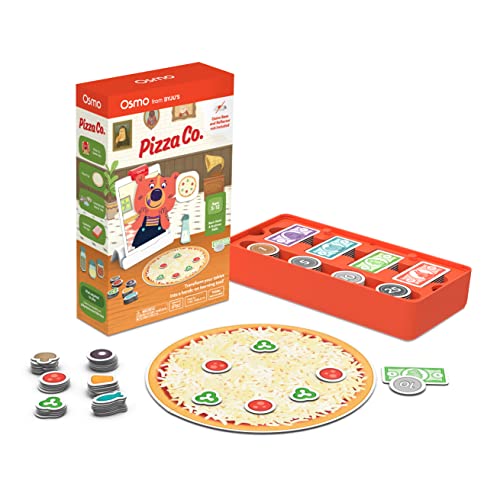
Osmo – Pizza Co
This one turned basic math into something more practical. Instead of worksheets, he had to calculate totals and make change while “running” a pizza shop. It works best once kids are comfortable with simple addition and subtraction, and it gave us an easy way to reinforce money skills without sitting at the table for another formal lesson.
Read More
Beaker Creatures Monsterglow Lab
This set lets us conduct “real” science experiments right at our kitchen table. It’s the perfect introduction to chemistry, encouraging curiosity and experimentation for kids aged 5-9.
Read More
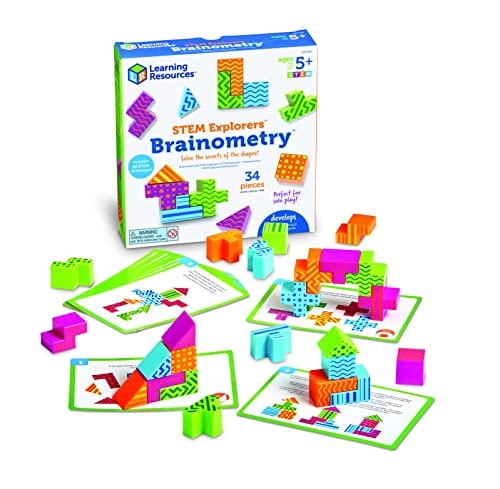
STEM Explorers Brainometry
This one leans heavily into pattern recognition and visual reasoning. Some of the puzzles are straightforward, others take real trial and error. It worked well on days when I wanted something independent but still mentally stretching. He didn’t always get it right the first time, which was kind of the point.Check out even more of our favorite educational presents for 5 year olds.
Read More
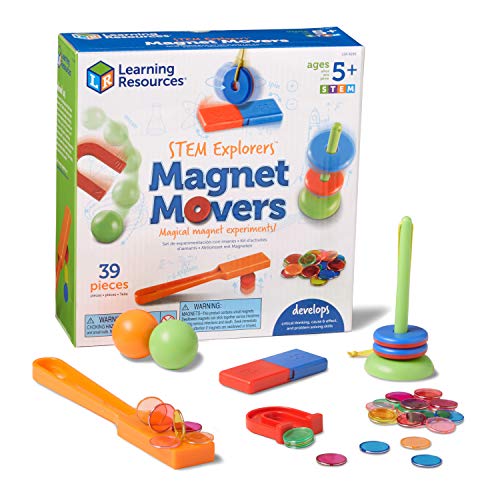
STEM Explorers Magnet Movers
We used this when we were covering basic magnetism and it helped make the concept less abstract. Moving pieces without touching them is surprisingly satisfying, and it naturally leads to questions about poles and attraction. It’s simple, but it reinforced the science lesson without feeling like one.
Read More
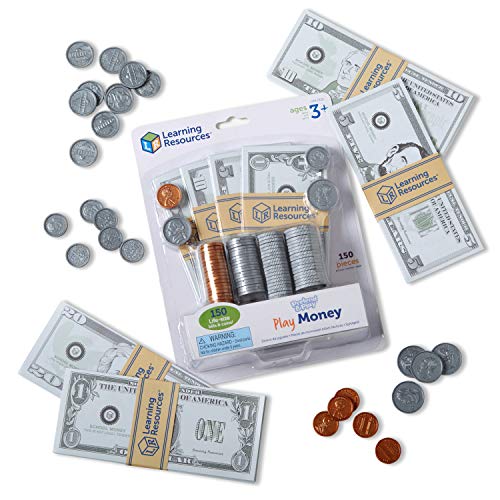
Pretend Play Money
This play money set has been fantastic for teaching financial skills in a practical way. My little boy loves “shopping” and handling money, and it’s helped build a solid foundation in basic arithmetic and money management, suitable for ages 3-10.You can also pair it with our money identification worksheets for even more learning fun.
Read More
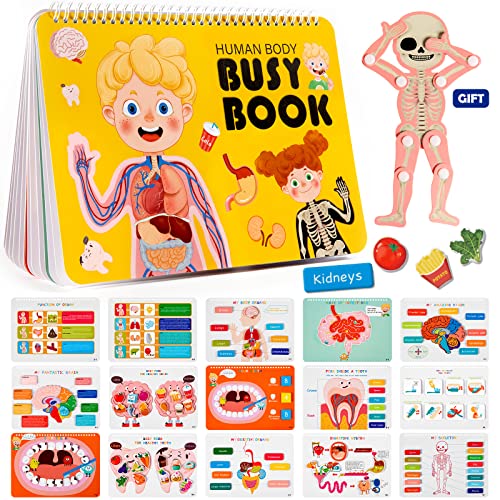
Human Body Anatomy Busy Book
This was more useful than I expected during our early anatomy lessons. The movable pieces made it easier to talk through organs and body systems instead of just pointing at a diagram. It’s especially helpful for younger kids who need something tactile while they listen.This is one of the best science books for homeschooling early years.
Read More
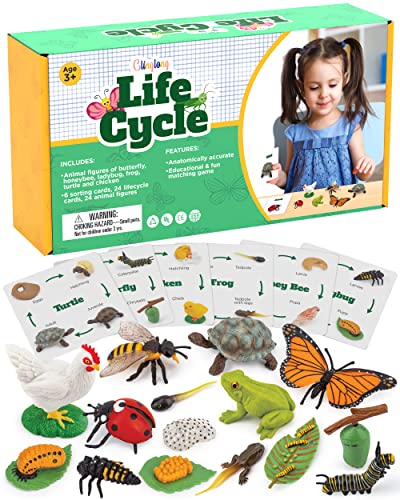
Life Cycle Kit
When we studied frogs and butterflies, this set stayed on the table for weeks. Being able to physically move through each stage made it easier to remember what comes next. It pairs well with worksheets or simple nature studies, but it also works on its own.Pair this with our free life cycle worksheets for even more learning.
Read More
Guess in 10 Animal Planet
This is more of a thinking game than it looks at first. You have to narrow down possibilities using limited clues, which pushes kids to connect facts instead of memorizing them. We’ve used it as a quick warm-up before science or geography. This is one of our favorite educational toys for a six year old.
Read More
United States Map Puzzle
We brought this out during our U.S. geography unit and kept it in rotation longer than planned. Repeatedly placing the states helped with recall without formal drills. It also made conversations about regions and capitals easier because the map was already familiar.
Read More
Giggleway Electric Motor Robotic Science Kits
This kit was a good entry point into basic circuits and motors. The builds aren’t overly complicated, but they’re hands-on enough to hold attention. It worked best once he had a little patience for step-by-step instructions.
Read More
Magnetic Alphabet Maze Letter Puzzle
This one was useful during early reading practice. Tracing letters with the magnetic wand adds a fine motor element, which helped when sitting still for writing practice felt like too much. It’s simple, but it reinforced letter recognition in a quieter way.
Read More
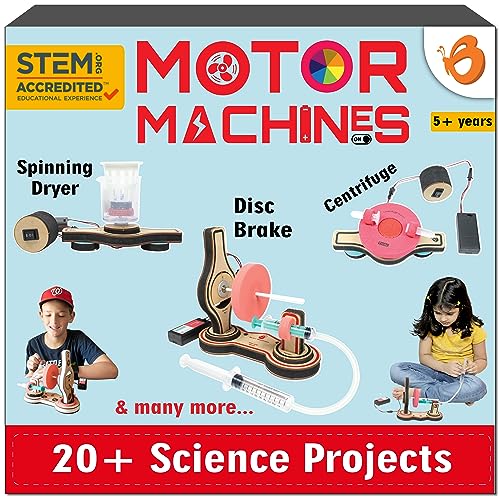
Motor Machines
Building motor machines has never been so fun! This kit encourages creativity and teaches basic mechanics, offering a hands-on experience that older kids (8 and up) really enjoy. It’s been a great tool for exploring engineering concepts.
Read More
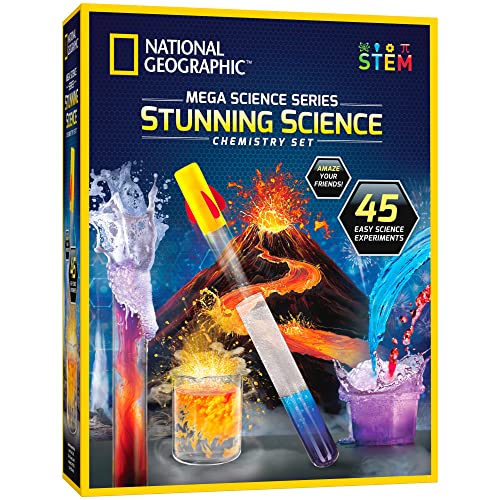
Stunning Chemistry Set
This set worked best once we were ready for slightly more structured experiments. The instructions are clear enough to follow without frustration, but there’s still room for discussion about what’s actually happening in each reaction. We didn’t use it every week, but when we did, it felt like a proper science lab afternoon.
Read More
NATIONAL GEOGRAPHIC Play Sand Combo Pack
This wasn’t part of a formal lesson, but it stayed on the shelf because it kept hands busy while we worked on other subjects. It’s easy to shape and doesn’t dry out quickly, which matters more than you think. Good for younger kids who need something tactile nearby.
Read More
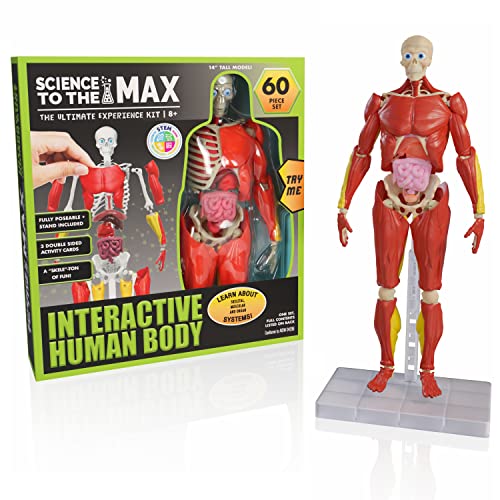
Interactive Human Body
We brought this out during our anatomy unit. Being able to remove and replace organs made the conversations more concrete than diagrams alone. It works especially well once kids start asking detailed questions about how systems connect.
Read More
American Girl Doll
This wasn’t purchased as a “learning tool,” but it naturally became one. Storylines turned into writing prompts, and historical characters opened the door to research projects. It’s more useful if you lean into the storytelling side rather than just the accessories.
Read More
Safari Animal Figures
We used these during animal and habitat studies. They’re sturdy enough for everyday play, but realistic enough to support actual lessons. They also paired well with maps and life cycle activities.
Read More
Wooden Dollhouse
The dollhouse became background play during reading time more than anything else. Rearranging rooms and creating characters encouraged longer, more detailed storytelling. It’s simple, but it holds attention longer than many electronic toys.
Read More
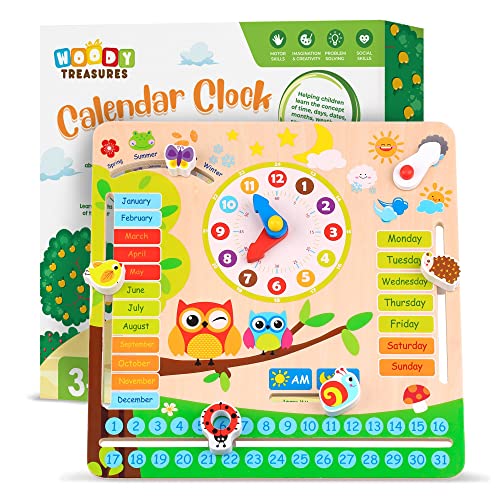
Wooden Toys Kids Clock
This was helpful when we moved from telling time on the hour to working with minutes. Physically turning the hands made the concept clearer than worksheets alone. It’s especially useful for kids who need to see the movement rather than just read numbers.
Read More
Picasso Tiles
These stayed in rotation for years. We used them for open builds at first, then later tied them into geometry discussions. The magnets are strong enough to allow taller structures, which keeps it interesting beyond the toddler stage.
Read More
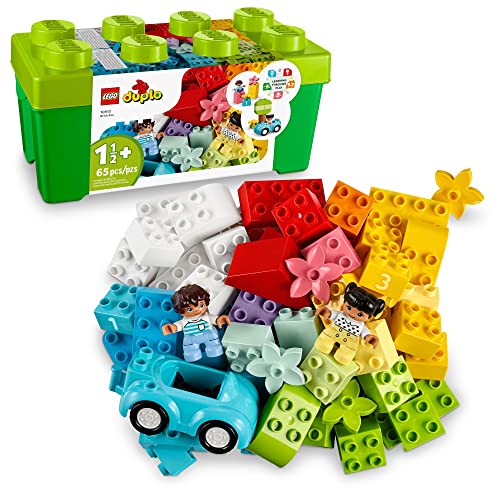
LEGO DUPLOS
Before moving on to smaller bricks, DUPLOS handled most of the building in our house. They’re easy to grip and sturdy enough to survive constant rebuilding. Good for free construction time that still strengthens fine motor skills.
Read More
Last Updated on 13 February 2026 by Clare Brown