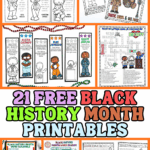
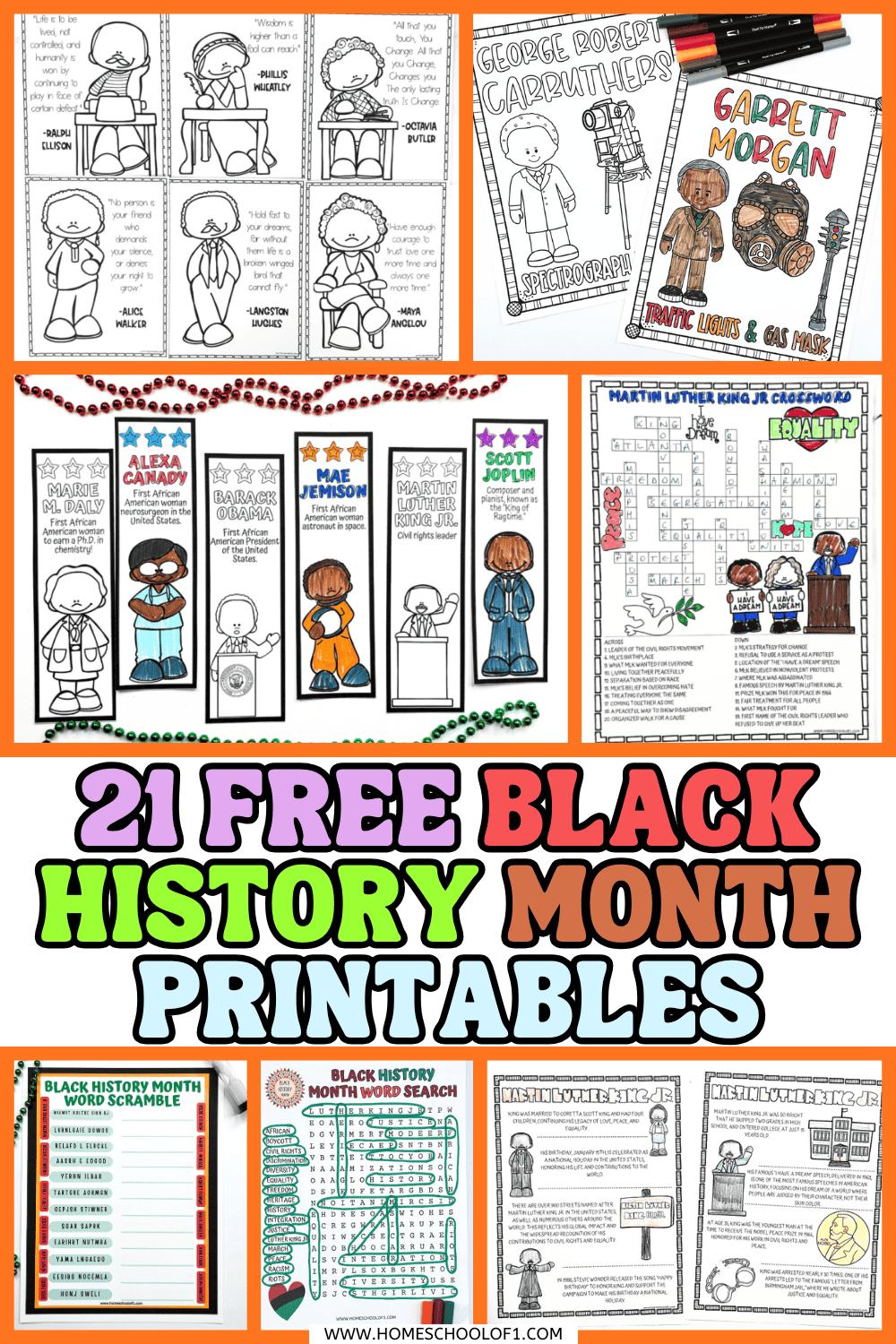
Black History Month printables are an easy way to introduce important people, stories, and ideas without overwhelming young learners or overloading lesson plans.
This collection brings together free worksheets, games, and coloring pages that work well for elementary classrooms and homeschool settings, especially when time and attention are limited.
Instead of long passages or heavy timelines, these printables focus on recognition, discussion, and age-appropriate engagement.
You’ll find Black History Month learning activities that highlight influential Black leaders, inventors, and civil rights figures through puzzles, bookmarks, and hands-on learning pages that students can complete independently or talk through together.
Most are low-prep, flexible by grade level, and designed to fit naturally into February lessons, or broader history units throughout the year.
**This post may contain affiliate links. As an Amazon Associate and a participant in other affiliate programs, I earn a commission on qualifying purchases.**
Why Use Black History Month Printables in the Classroom?
Black History Month printables help students engage with important people and events in a way that feels accessible and age-appropriate.
For younger learners especially, worksheets, games, and coloring pages create natural opportunities for discussion without requiring long explanations or heavy reading.
A word search might introduce key vocabulary, a coloring page can prompt conversation about an inventor’s work, and a simple puzzle helps reinforce names and concepts students are just beginning to recognize.
These printables also work well in busy classrooms and homeschool settings because they’re flexible. They can be used as a lesson starter, a quiet independent activity, or a follow-up to read-alouds and videos.
Rather than replacing deeper learning, they support it, giving students a concrete way to interact with history while building confidence and understanding.
Black History Month Books to Use With These Worksheets
Books work especially well alongside Black History Month printables, giving students context before or after completing worksheets and games. These are three of our favorites:
Black Heroes is a good fit for short daily lessons, with brief profiles that pair well with coloring pages or vocabulary activities focused on individual leaders.
Little Leaders: Bold Women in Black History works well when highlighting specific figures. The clear storytelling and illustrations make it easy to connect a read-aloud to a related printable or discussion prompt.
The ABCs of Black History is especially useful for early elementary students. Its simple structure supports letter recognition and vocabulary building, making it a natural companion to word searches, bookmarks, and introductory worksheets.
Free Black History Month Printable Activities
Add these free Black History Month printables to your February lesson plans for simple, low-prep history activities that work across elementary grades.
This collection includes worksheets and games such as word searches, coloring pages, and hands-on activities that help students recognize key figures, vocabulary, and ideas connected to Black history. The focus is on short, manageable tasks that support discussion and reinforce learning without overwhelming younger students.
These printables work well as lesson starters, independent practice, or quiet follow-up activities and can be adapted for classroom, homeschool, or small-group use.
Black History Month Coloring Pages
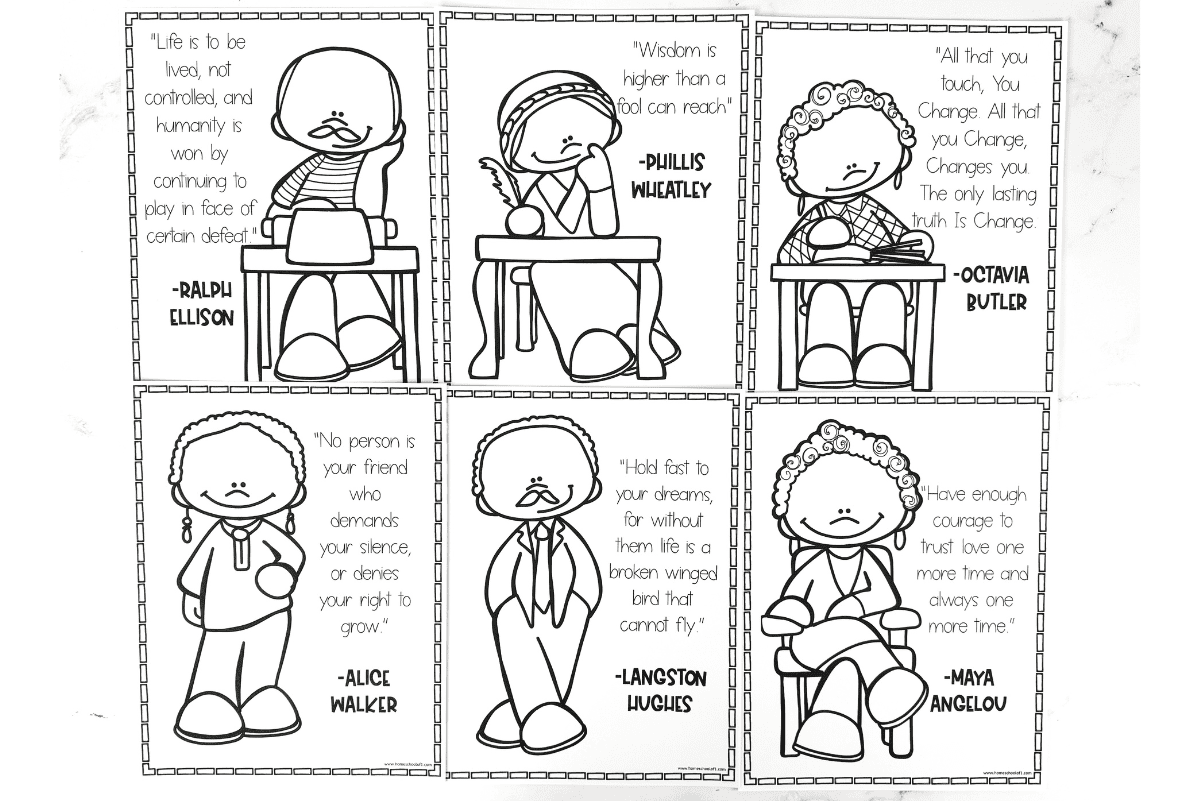
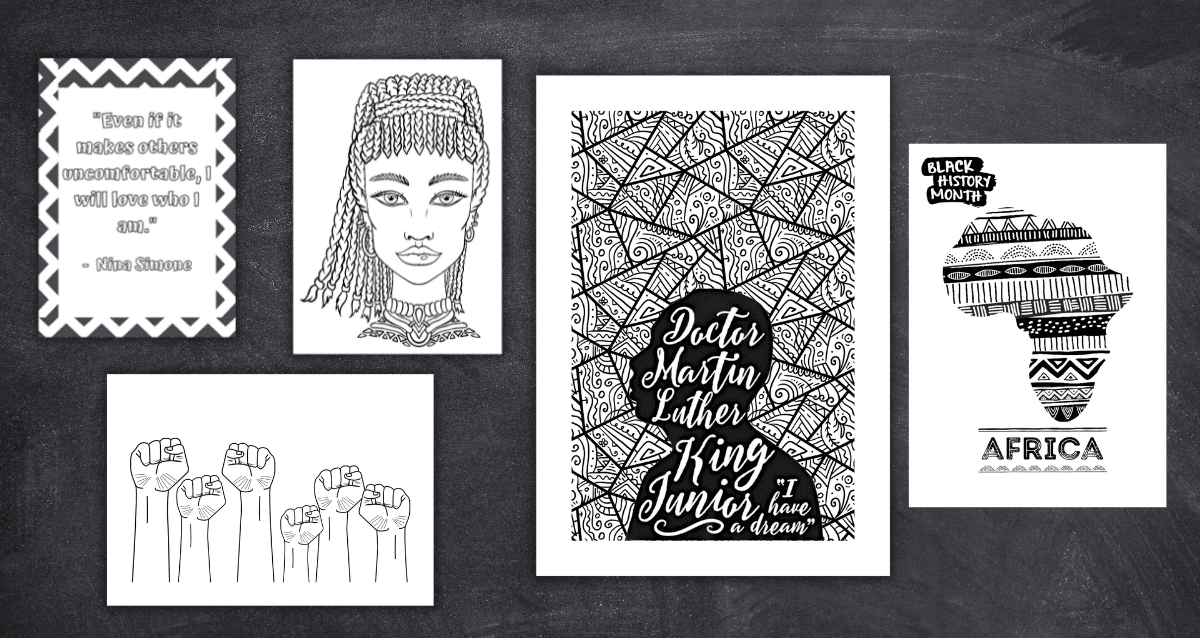
These Black History Month coloring pages work well as a gentle introduction to influential Black leaders, especially for younger elementary students. Each page focuses on one individual, with a clear illustration and name that makes it easy to pause, talk, and ask questions while kids color. I find these especially useful as a lesson warm-up or a quiet follow-up after a read-aloud, when students need something calm but still meaningful.
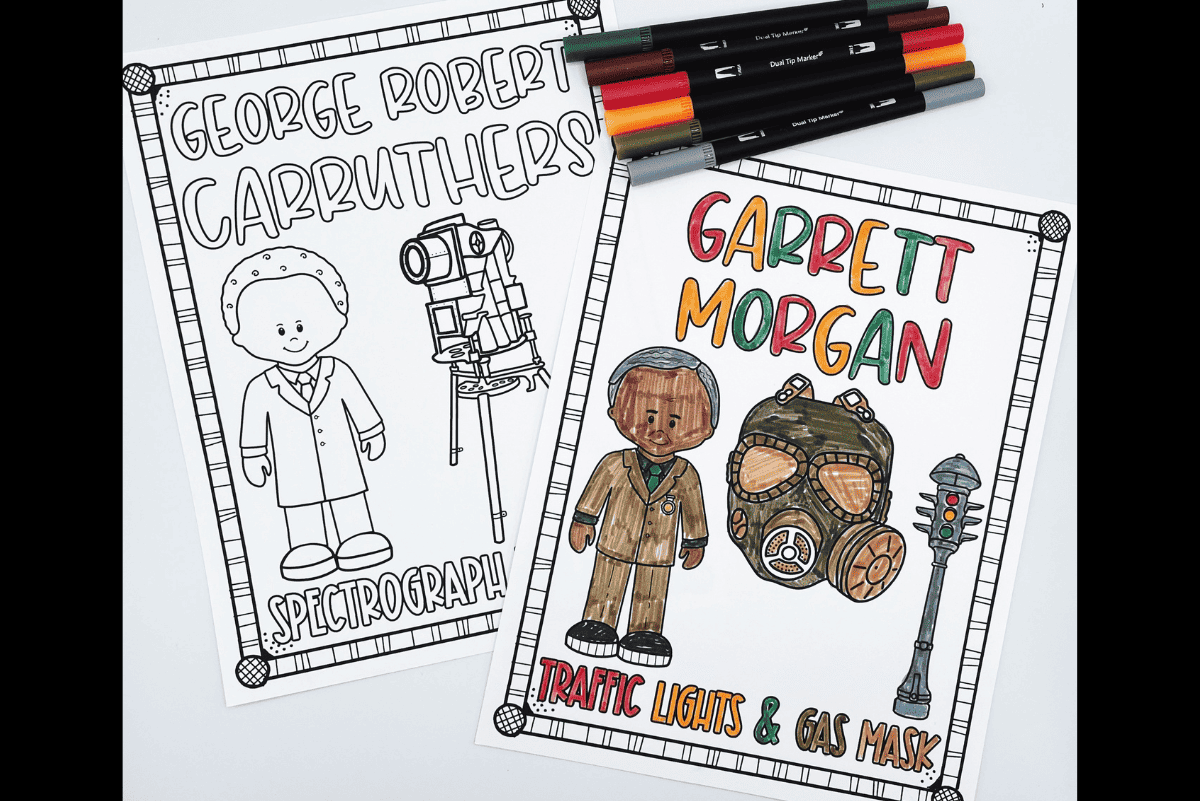
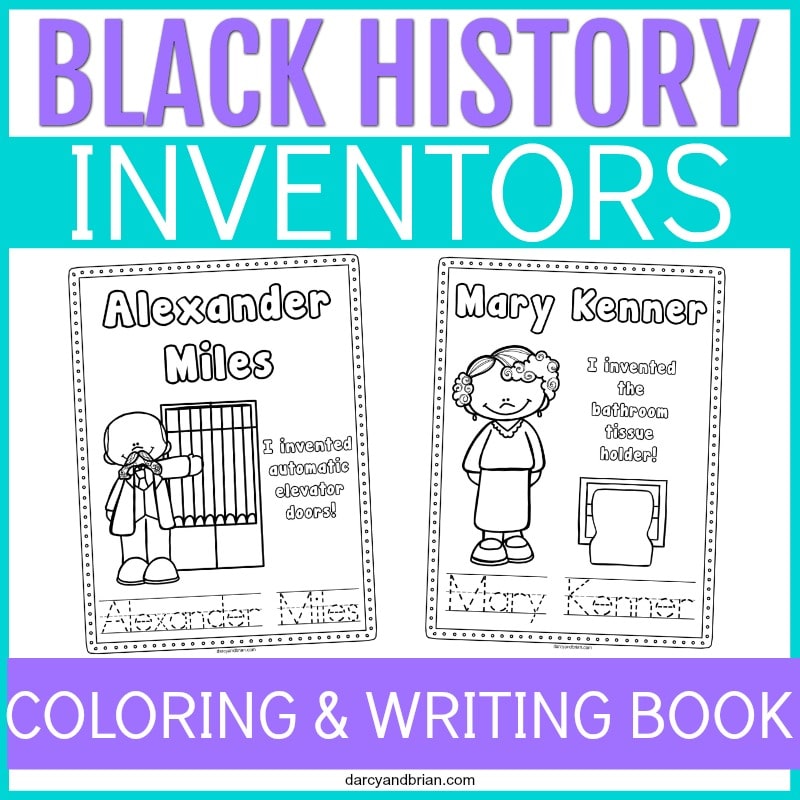
These inventor coloring pages help students connect everyday objects to the people behind them. Each page shows an inventor alongside their invention, which naturally leads to discussion about how these ideas changed daily life. They’re best suited for lower elementary grades and work well when paired with short conversations about problem-solving, creativity, and why inventions matter.
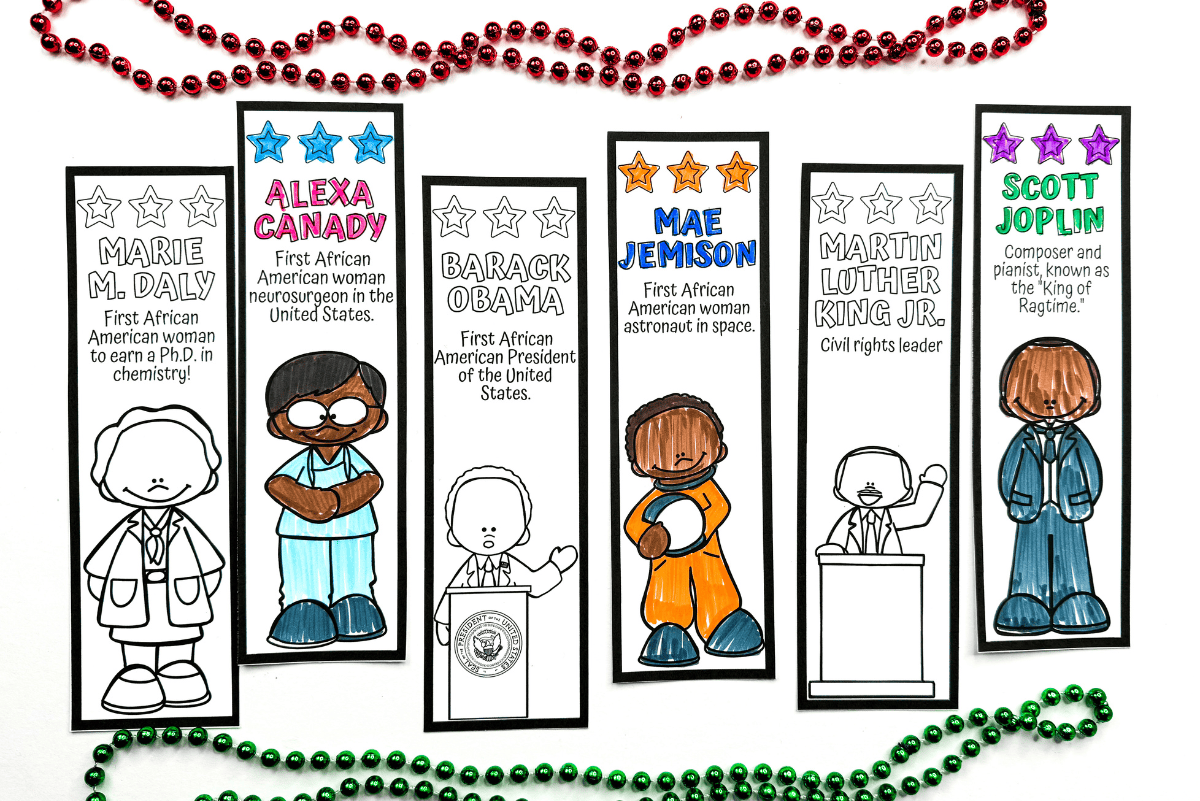
These printable bookmarks are a simple way to keep Black History Month visible beyond a single lesson. Students can color them during quiet time or reading block, then use them all month long. Each bookmark highlights one individual with a short achievement note, making them a good choice for reinforcing names and contributions without adding extra worksheet time.
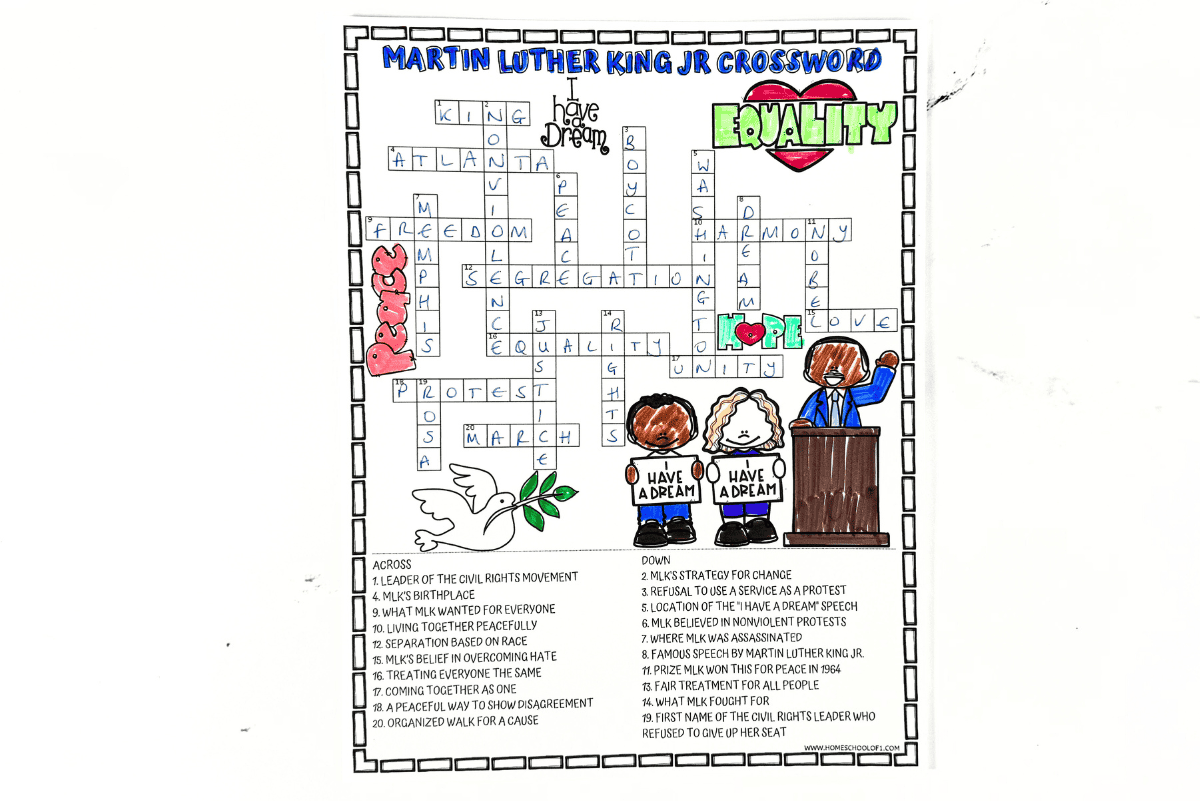
This Martin Luther King Jr. crossword is a good option for upper elementary students who are ready for more structured recall. The clues focus on key ideas from Dr. King’s life and work, encouraging students to think about vocabulary and concepts rather than just names. It works well as an independent activity or a review after watching a short video or reading a short biography.
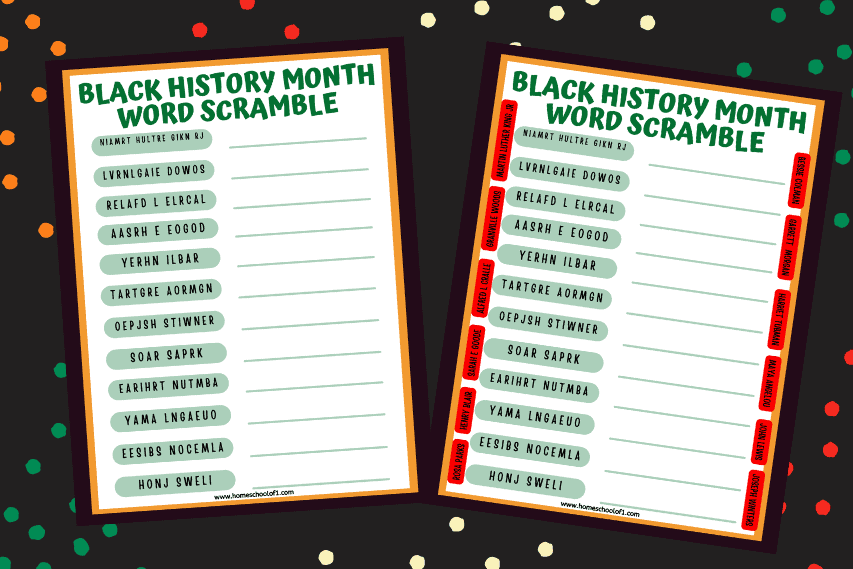
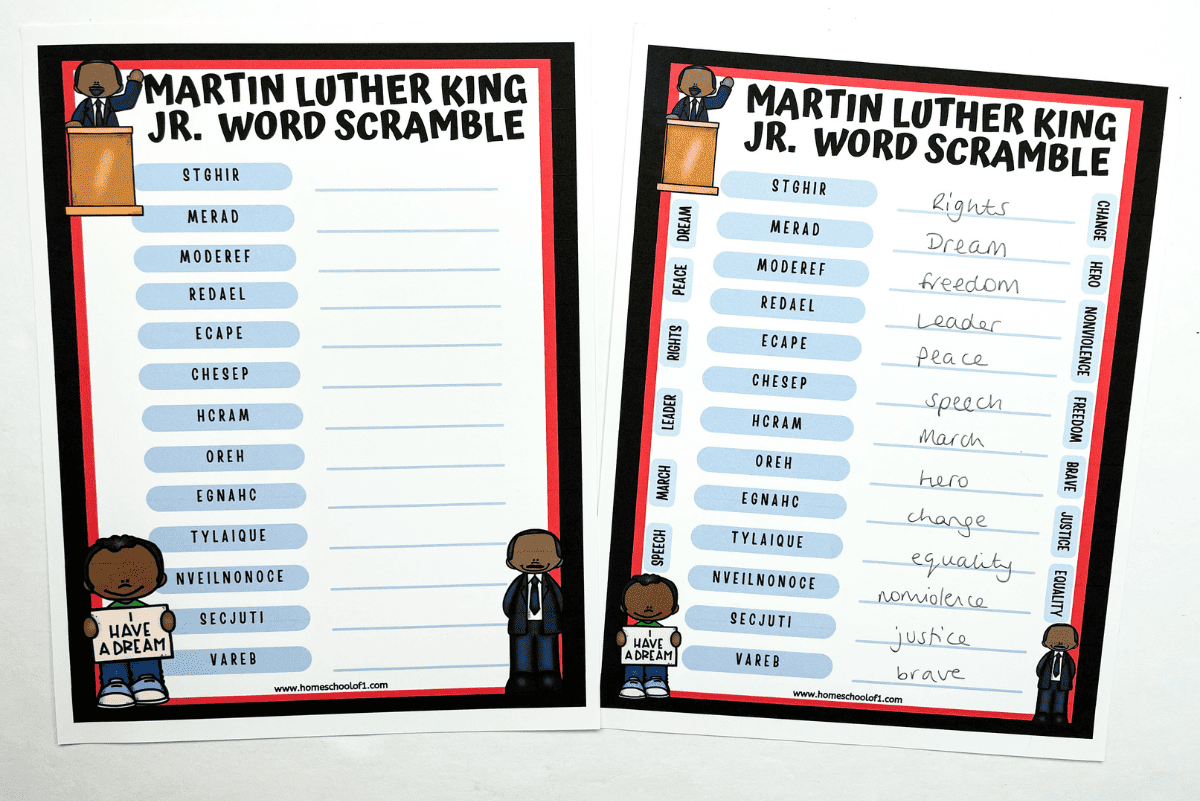
This word scramble is a low-pressure way to introduce or reinforce the names of influential African Americans. With two difficulty levels included, it’s easy to adapt for mixed ages or abilities. I like using this as a quick early-finisher activity or as part of a learning station where students can work independently without much instruction.
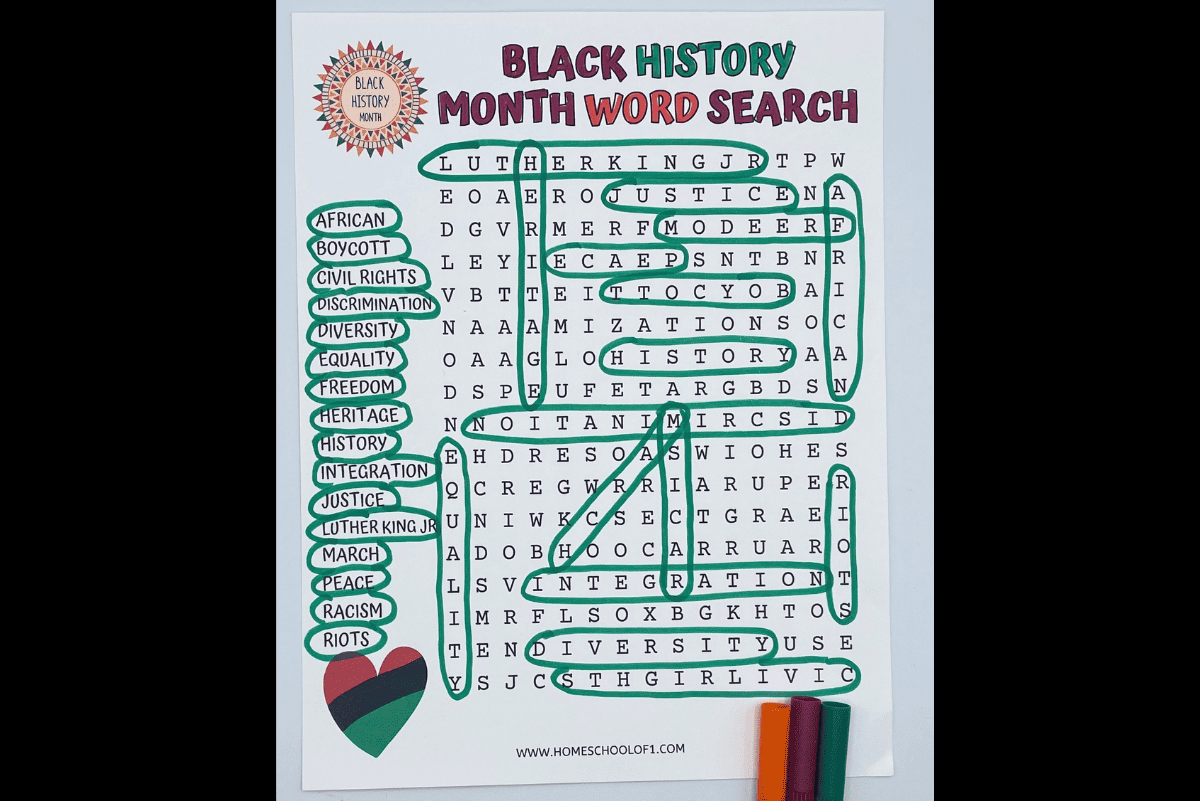
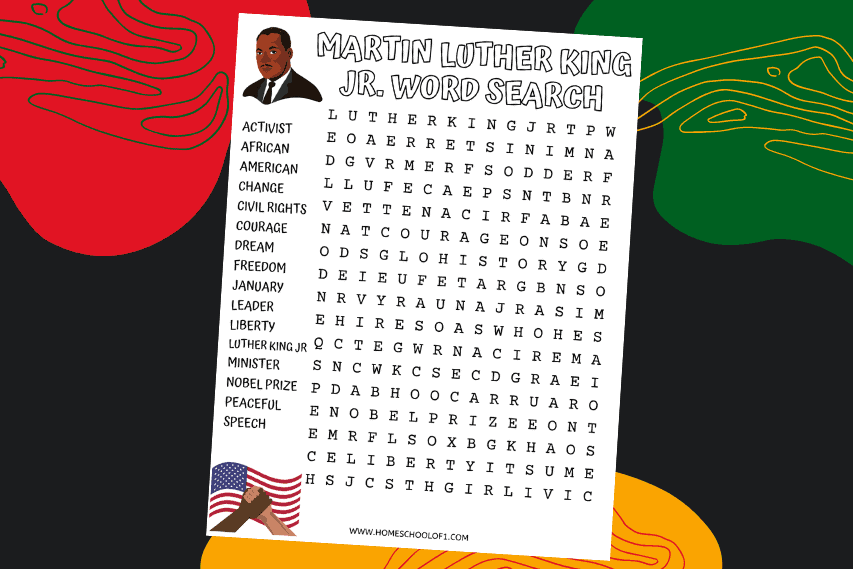
This word search is best for upper elementary students who can handle longer vocabulary and less visual support. The terms introduce key themes and concepts tied to Black history, making it useful as a reinforcement activity rather than a first introduction. It works well for independent work, early finishers, or quiet review days when you still want the content to stay purposeful.
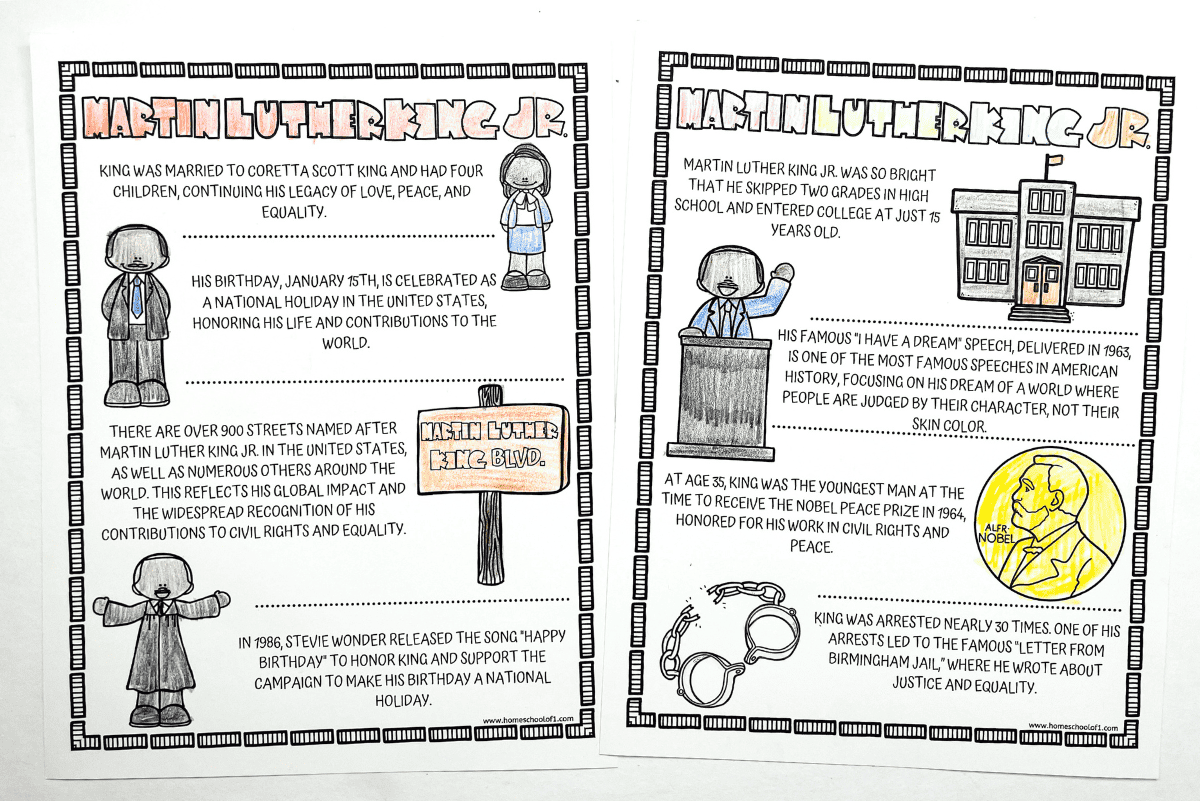
This two-page facts printable gives students a clearer picture of Martin Luther King Jr.’s life without overwhelming them. The mix of short facts and light coloring makes it easier for kids to stay engaged while learning key details. I find it works well when students need concrete information to reference before moving into discussions, writing, or puzzle-based activities.
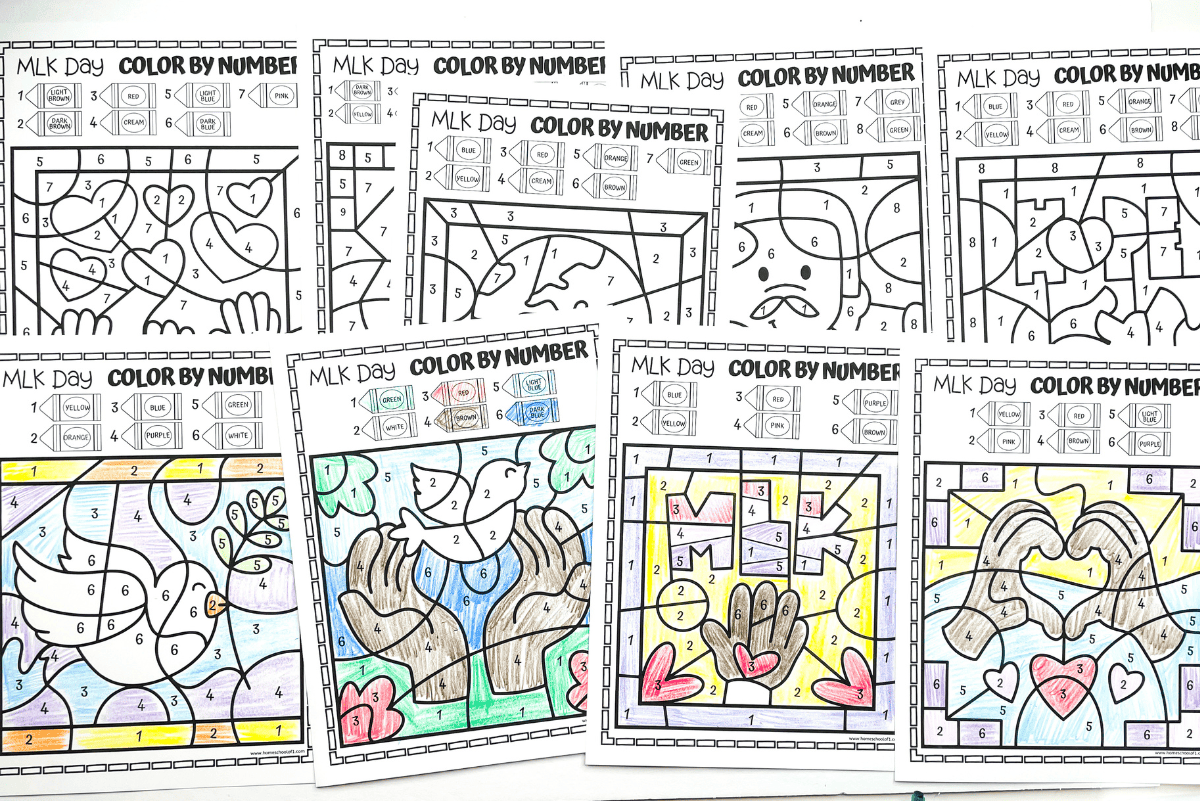
These color by number pages are a good option when students need a calmer activity that still connects to learning. While the coloring does most of the work, it opens space for quiet conversation about Dr. King’s values and impact. This set fits well into independent learning time or as a decompression activity after heavier lessons.
This word scramble focuses specifically on vocabulary connected to Martin Luther King Jr.’s life and work. The two versions make it easy to adjust for age or ability, which is helpful in mixed-grade settings. It’s a solid choice for review days or stations where students can work through content at their own pace.
This word search is more challenging than introductory versions, making it a good fit for upper elementary or middle school students. The vocabulary encourages students to revisit key terms and ideas tied to civil rights, rather than just names. It works well as independent practice or alongside short written reflections or group discussions.
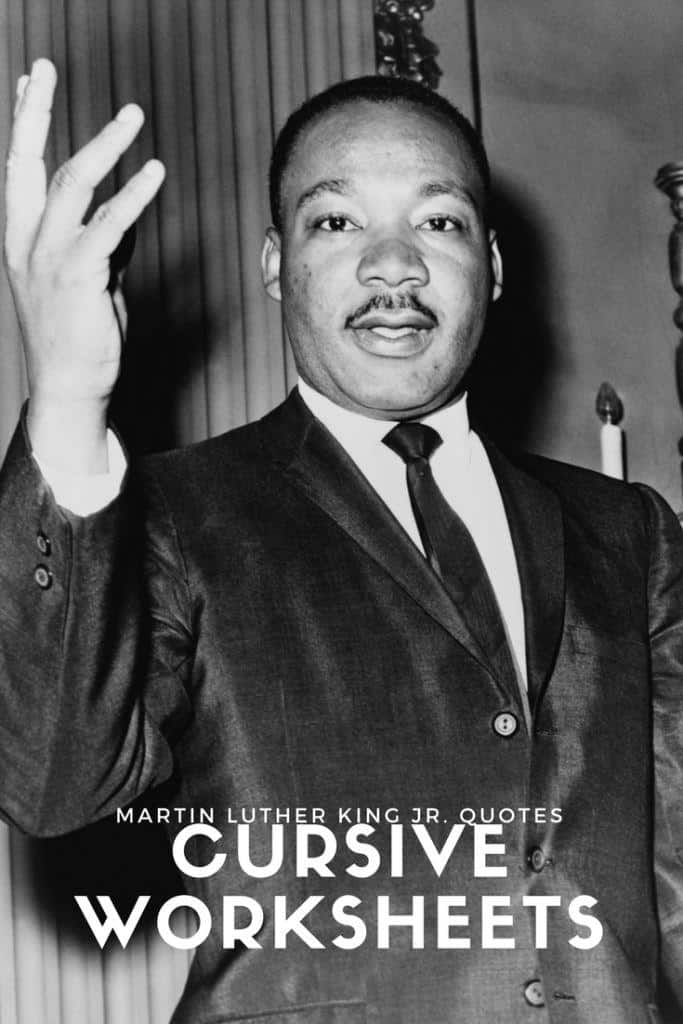
These cursive handwriting worksheets are a good fit for third through fifth graders who are already working on letter formation and fluency. They offer a simple way to combine handwriting practice with Black History Month content without turning the lesson into a long history block. I’d use these during writing time or as a quiet independent task that still feels connected to the month’s theme.
Black History Morning Basket Ideas for Preschoolers
This preschool-focused morning basket pulls together gentle activities that introduce Black inventors through coloring, writing, and simple discussion. It’s especially helpful for families or classrooms that prefer a relaxed, play-based approach. The activities are easy to rotate throughout the week and work well for short attention spans.
This coloring page collection offers a wider range of figures and themes, making it useful when you want variety without adding complexity. The pages can be used individually or spread across multiple days, which is helpful for classrooms that prefer short, repeatable activities rather than full lessons.
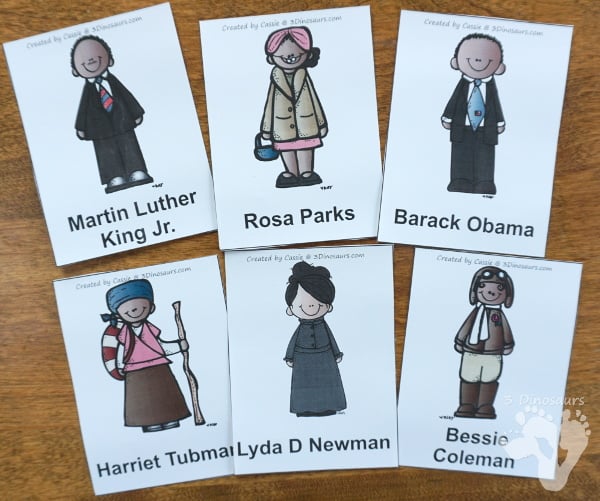
This mini pack includes a mix of puzzles, matching activities, and writing pages, making it a good choice when you want everything in one place. With a small group of well-known figures, it’s easier for students to build familiarity over time. I’d use this pack across several days rather than all at once to keep learning focused.
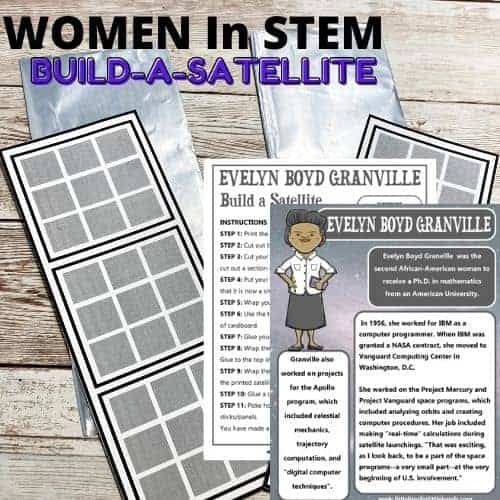
This project works best for older elementary students who enjoy hands-on STEM activities. It connects math and engineering concepts to a real historical figure, which helps students see Black history beyond biographies alone. Because it requires more setup, it’s better suited for a planned lesson rather than a quick activity.
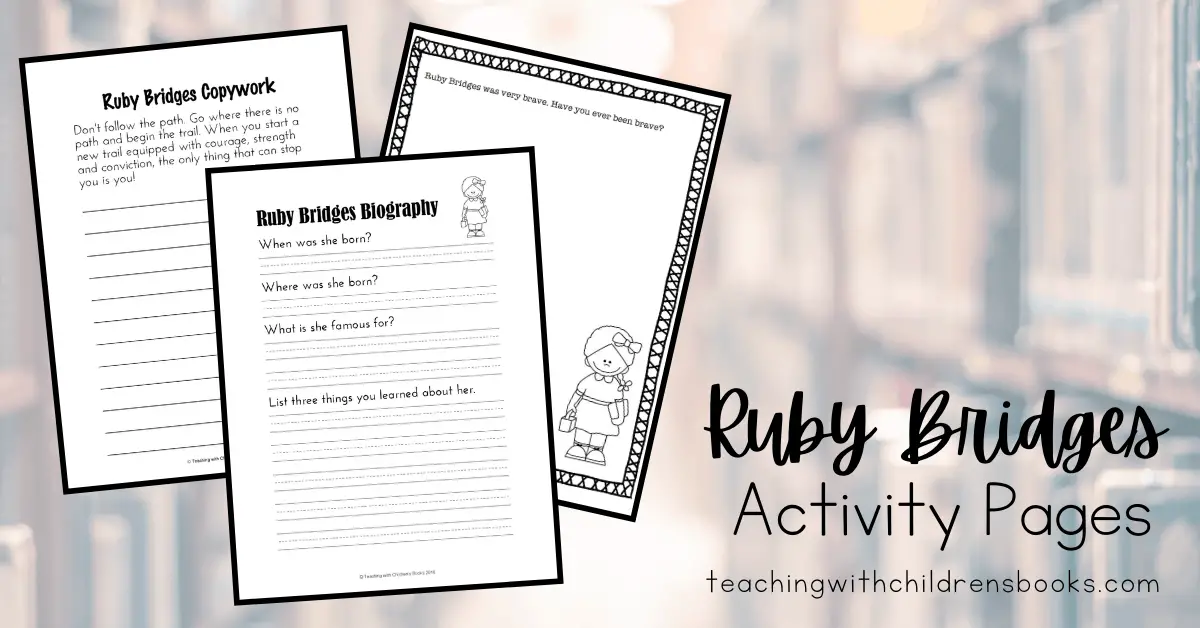
This activity pack works well when you want students to spend more time with a single historical figure rather than moving quickly from name to name. The mix of handwriting, writing prompts, and simple analysis tasks makes it especially useful for upper elementary students. I’d use this over multiple days, pairing it with read-alouds or short videos to give students space to reflect and talk through big ideas like courage and fairness.
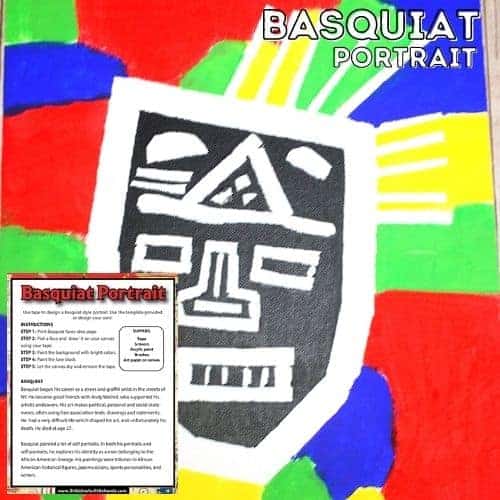
This art project is a strong choice for students who learn best through creative expression. It gives kids a chance to respond to Black history visually rather than through worksheets, which can be refreshing during longer units. Because it involves materials and setup, it works best as a planned art lesson rather than a quick add-on activity.
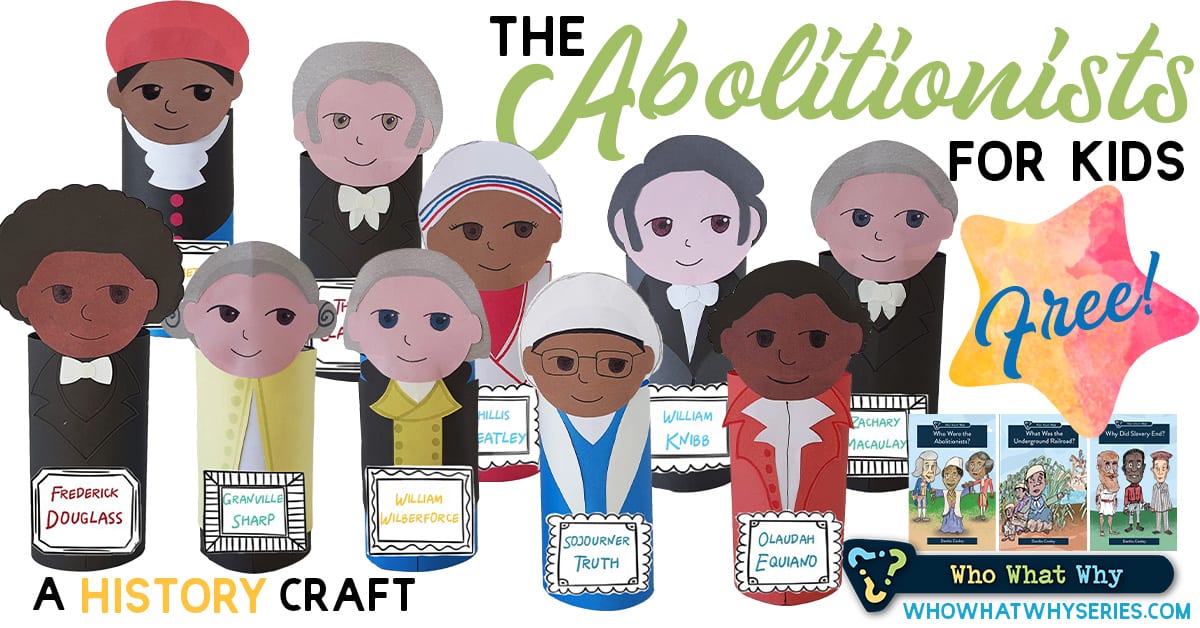
The Abolitionists for Kids | Toilet Paper Roll Craft
This craft introduces abolitionist figures through hands-on building, which helps younger students stay engaged with complex history. It’s best used after students have already heard the names and stories, since the activity focuses more on reinforcement than instruction. I’d recommend this for small groups or centers where you can support discussion while students work.
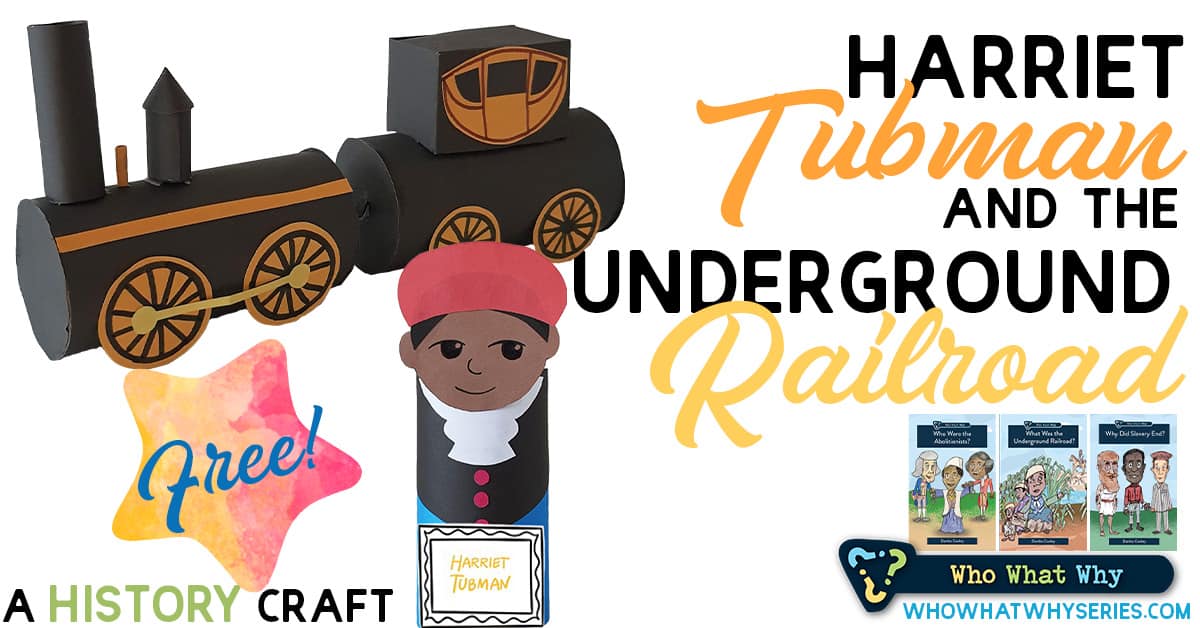
This history craft helps students visualize the Underground Railroad in a concrete way. It works particularly well for upper elementary learners who benefit from seeing timelines and movement rather than just reading about events. Because it takes time to assemble, it fits best into a longer lesson or project day.
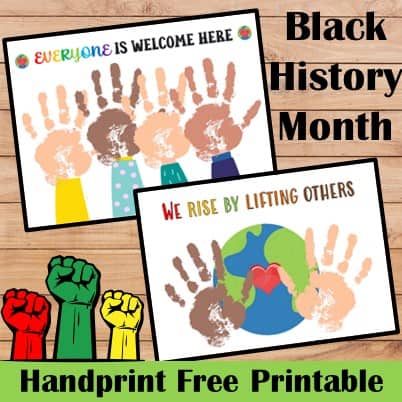
These handprint keepsake crafts are ideal for preschool and early elementary students. The messages focus on inclusion and kindness, making them appropriate for introducing Black History Month in a gentle, age-appropriate way. I’d use these early in the month to set the tone before moving into more detailed lessons.
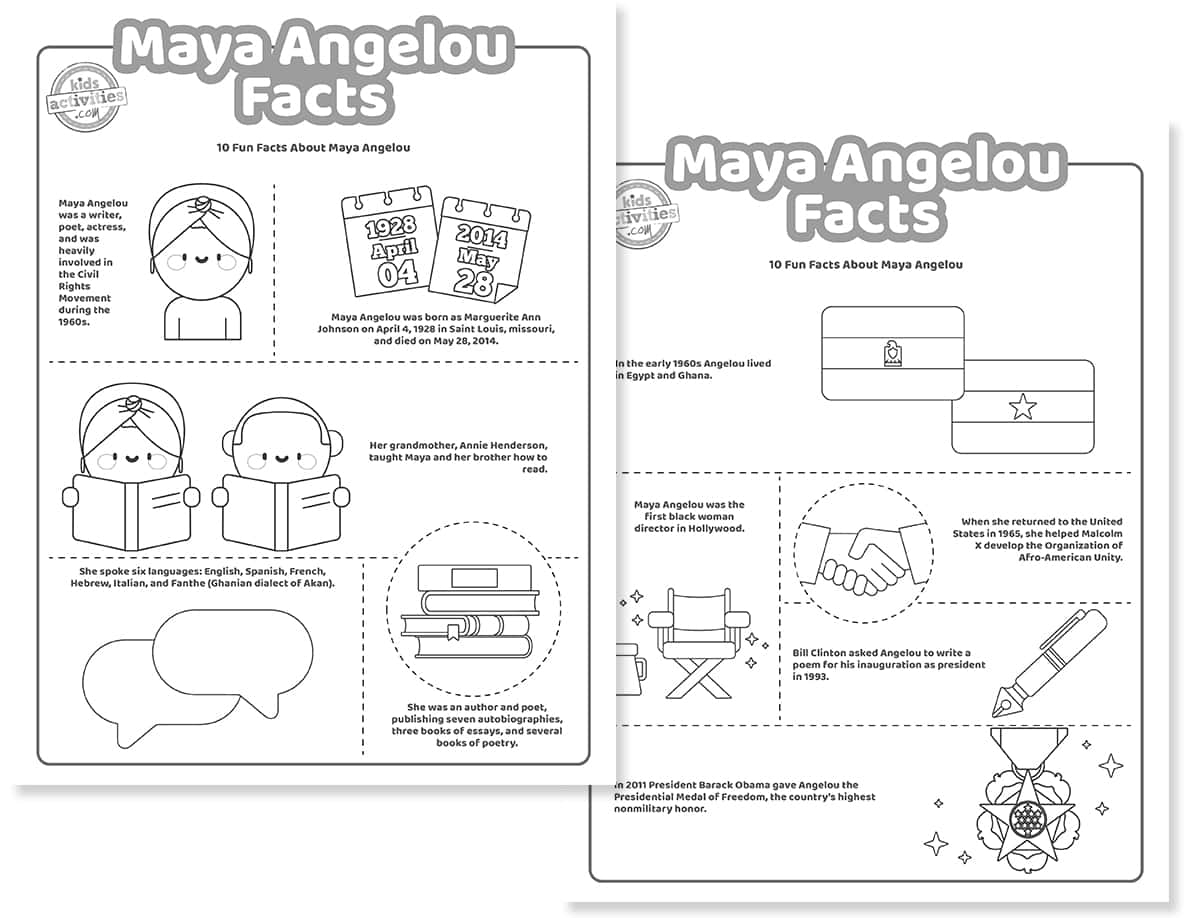
These Maya Angelou facts pages are a good option when you want to introduce poetry, writing, and activism together. The short facts paired with coloring make the content approachable for elementary students, especially those who benefit from visual breaks while learning. I’d use these as a quiet reading-and-coloring activity or alongside a short poem or quote to prompt discussion.
Clare Brown is the founder of Homeschool of 1, where she shares free printables and creative learning activities for kids in preschool through 8th grade. Her work has been featured in Parade, HuffPost, Business Insider, Motherly, AOL, and Yahoo. Read more.