
Escape Room Puzzle Ideas

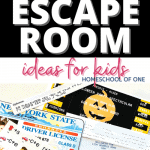
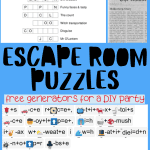
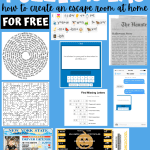
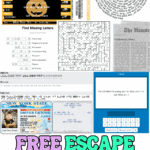
These escape room puzzles include free puzzle ideas, clues, examples, and printable generators to help you create fun DIY escape rooms for kids, teens, or adults.
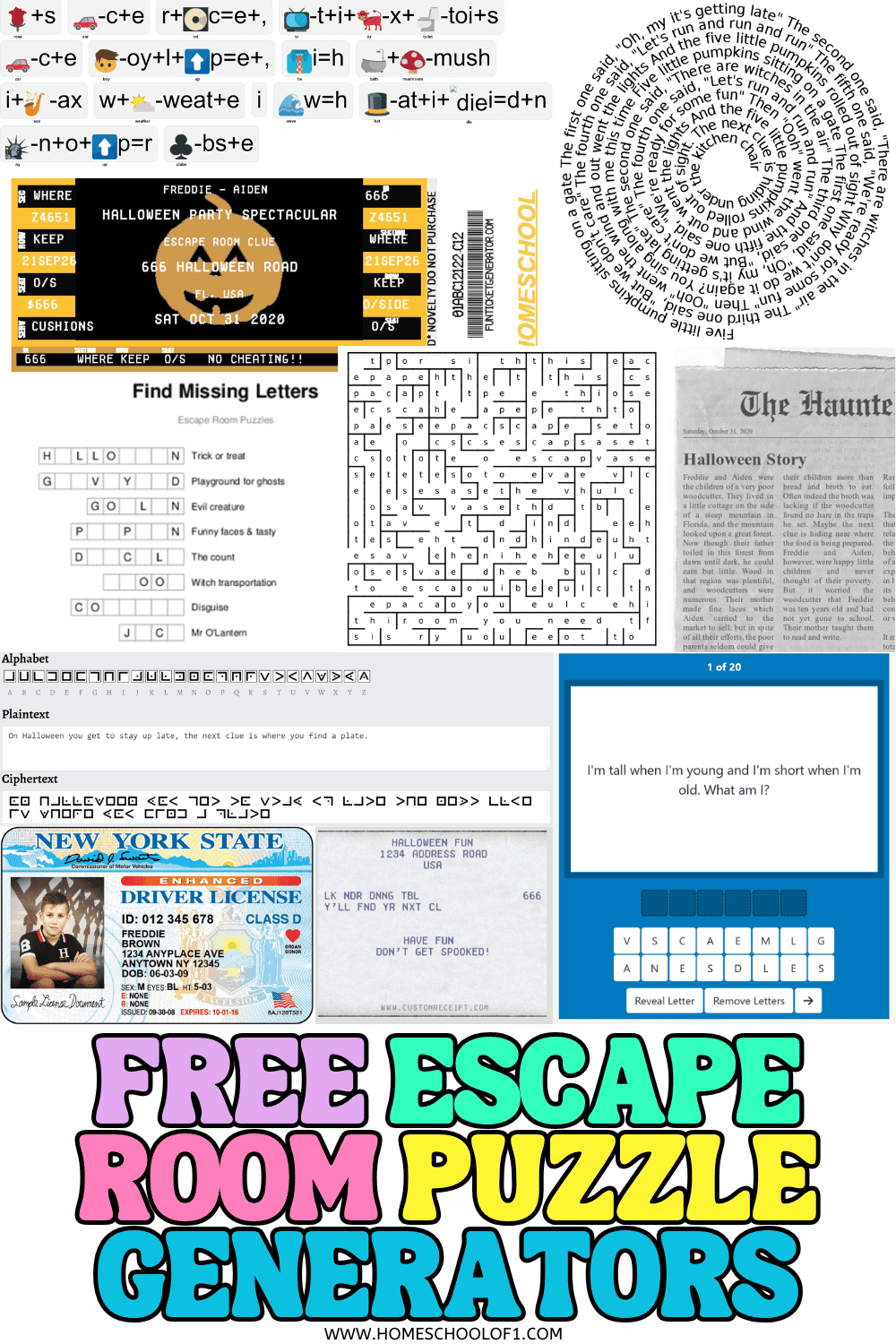
Instead of inventing every puzzle from scratch, use these free generators to create rebus puzzles, ciphers, fake documents, coded messages, and other interactive clues. They’re perfect for birthday parties, family game nights, classrooms, or holiday escape rooms.
Below you’ll find our favorite free escape room puzzle generators, along with examples and tips for using each one to create clues that are fun, challenging, and easy to customize for any theme or age group.
**This post may contain affiliate links. As an Amazon Associate and a participant in other affiliate programs, I earn a commission on qualifying purchases.**
Free Escape Room Puzzle Generators
Creating an escape room at home doesn’t require designing every puzzle from scratch.
These free escape room puzzle generators let you create printable clues, ciphers, fake documents, logic puzzles, and hidden messages for kids, teens, or adults.
Each option below works as a standalone puzzle or as part of a larger escape room sequence.
Rebus Puzzle Generator
A rebus puzzle generator turns words and phrases into visual clues using pictures, symbols, and letters.
Rebus puzzles work especially well early in an escape room because they’re quick to understand and give players a different way to uncover a message or location.
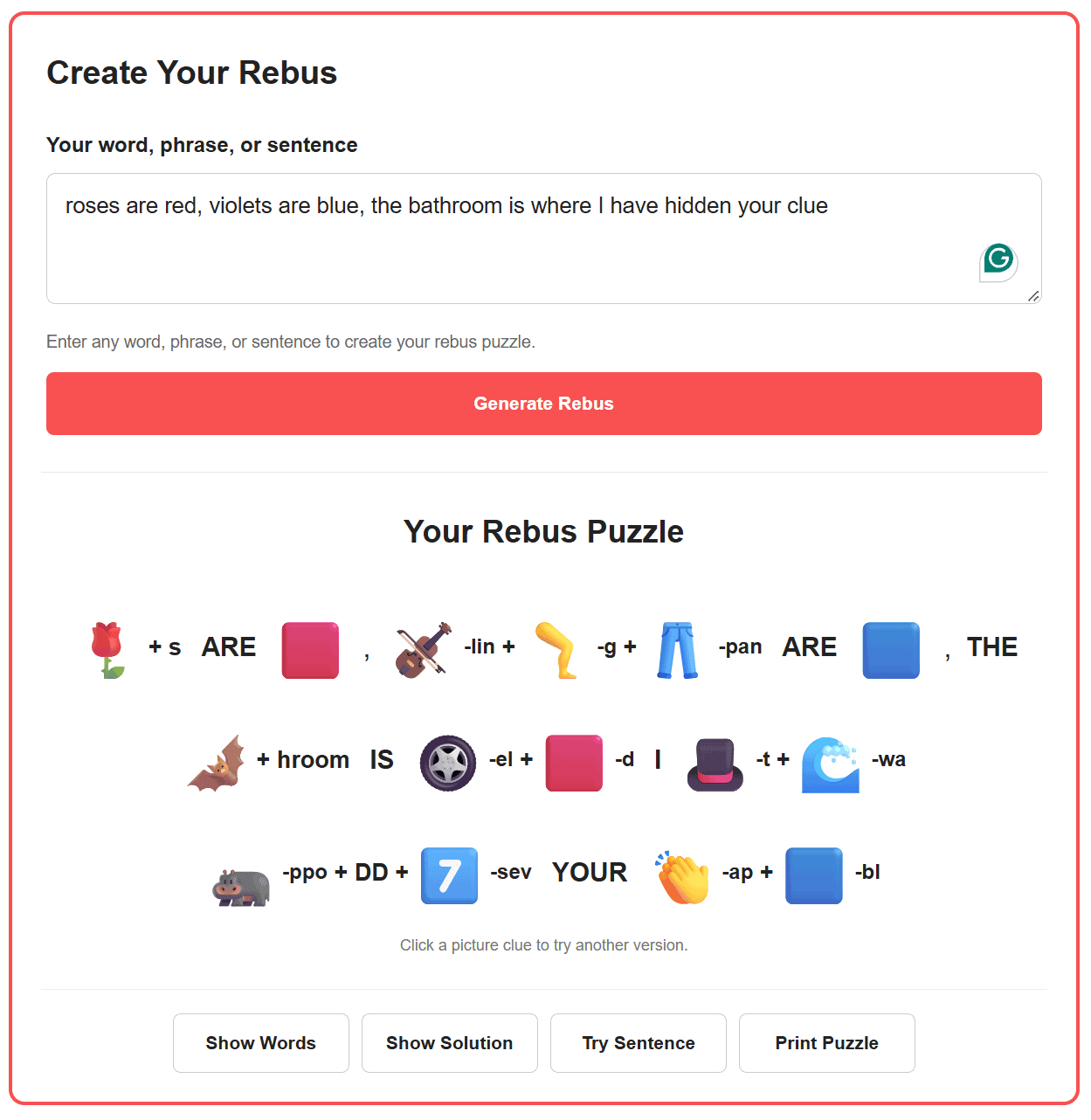
For example, a clue like “roses are red, violets are blue, the bathroom is where I have hidden your clue” can be made easier or harder depending on how many words are represented by pictures and how obvious the clues are.
This makes rebus puzzles easy to adapt for different ages and difficulty levels.
Word Maze Generator
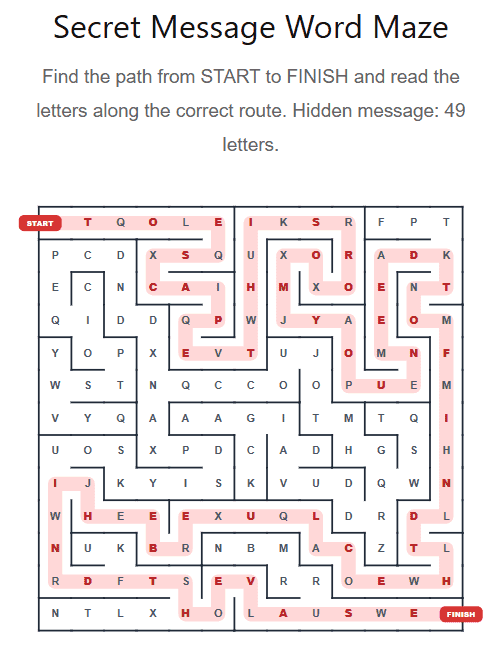
A letter maze is an excellent escape room puzzle because it combines reading and problem-solving. Use our word maze generator to create your own puzzle, then add a clue or hidden message for players to uncover as they work through the maze.
You can choose from different difficulty levels, making it easy to create a maze that fits your escape room.
For example, the hidden message could say, “To escape this room, you need to find the clue behind the vase,” sending players straight to their next clue.
Morse Code Puzzle
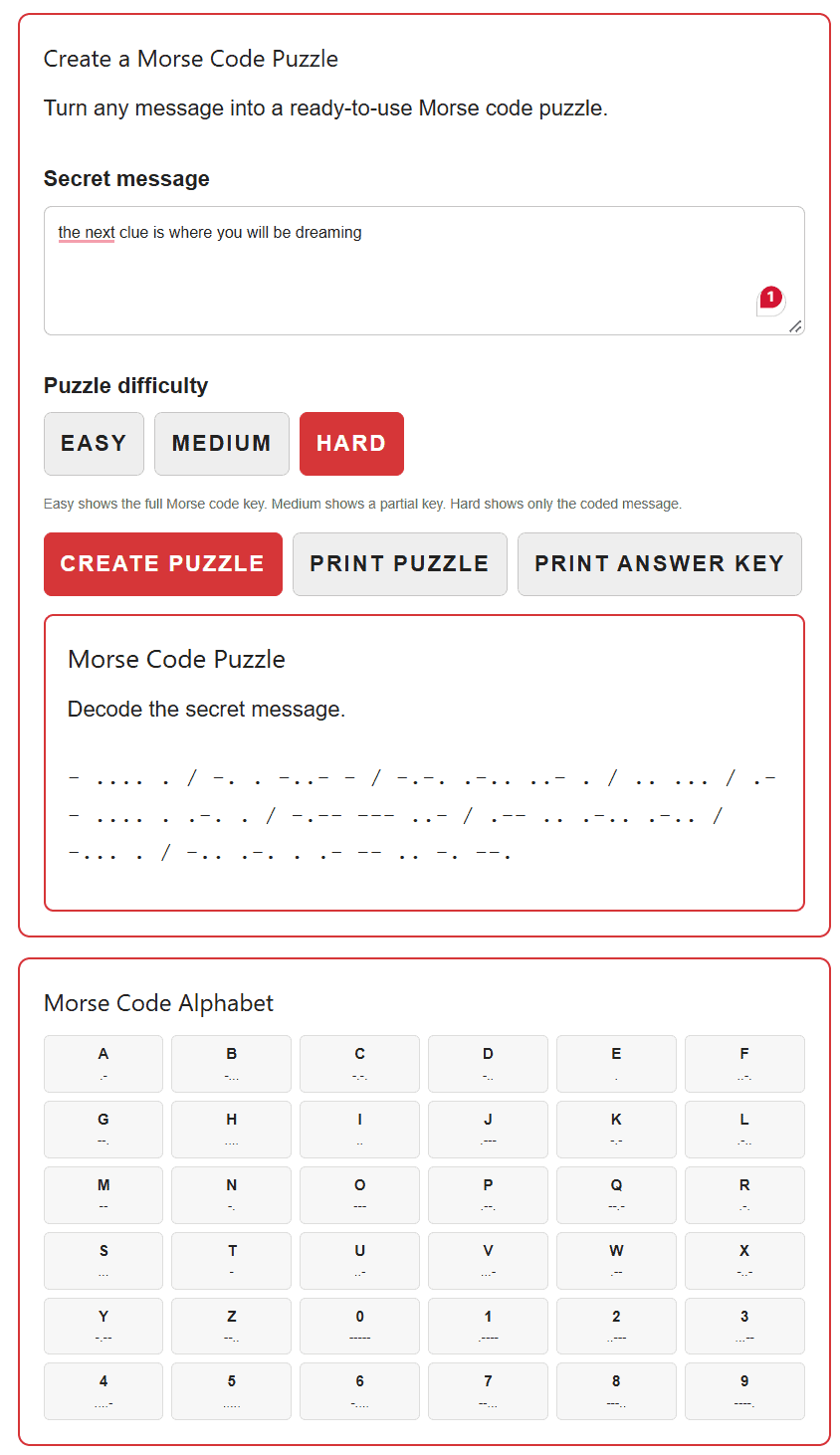
A Morse code generator works well as a late-game challenge, once players are comfortable decoding clues and have built some momentum. Our generator lets you turn a message into Morse code, play it as audio for players to decode by sound, or create a printable puzzle.
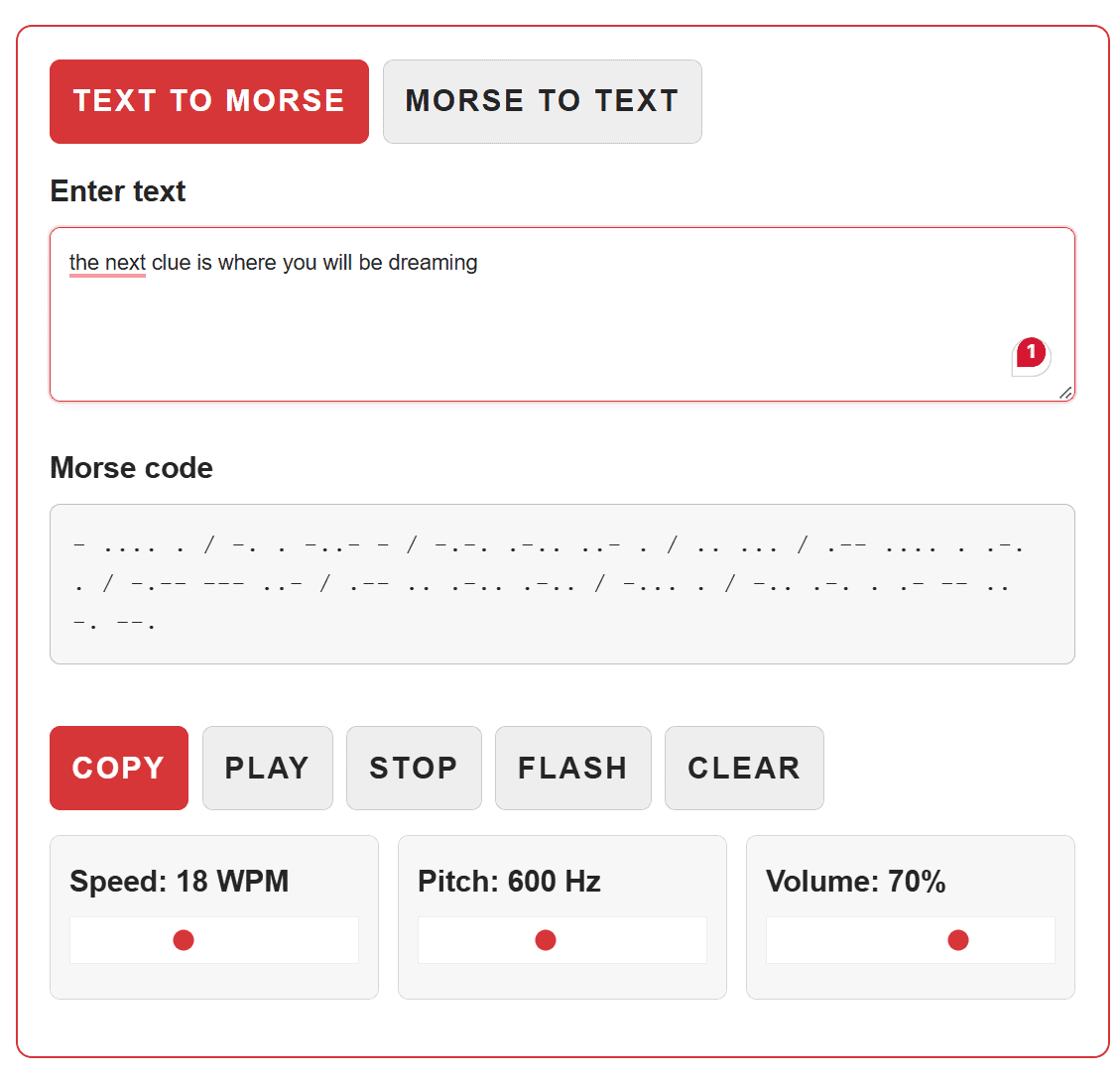
To avoid frustration, keep the message short or provide a Morse code reference chart nearby. Without a visual key, younger players or first-time groups can easily stall here.
For an extra challenge, play the Morse code without showing the written code and have players listen for the hidden message. A short clue such as “the next clue is where you will be dreaming” keeps the focus on decoding rather than guessing.
Escape Room Riddles
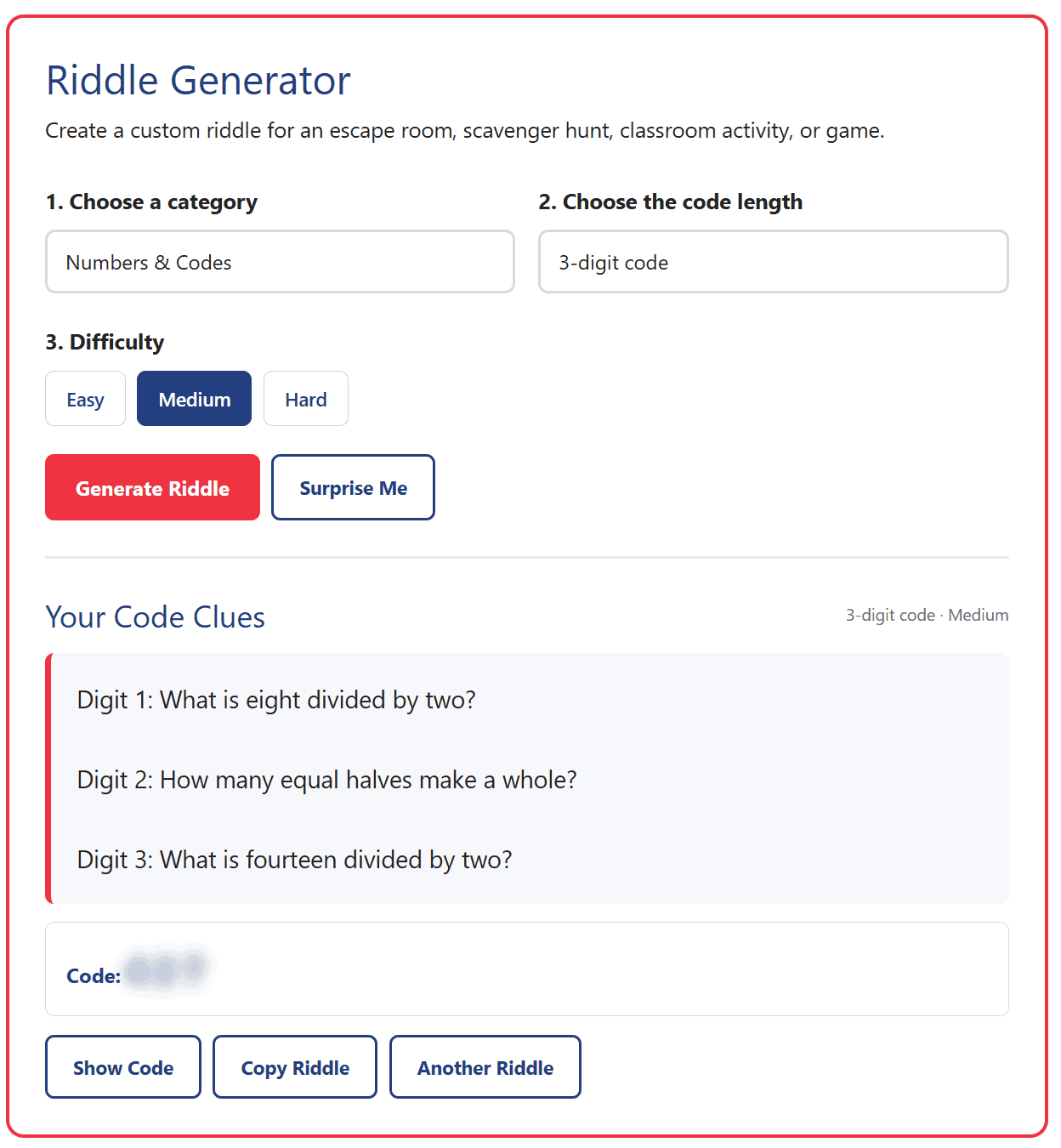
Riddles can make a great escape room clue, especially when the answer leads players to a specific object, location, or code. The key is keeping them clear enough that players can solve them without getting stuck on multiple possible answers.
If you need riddles for your escape room, my Riddle Generator lets you create them by theme and difficulty, so you can choose clues that fit your players and the rest of your game.
Reverse Text Generator
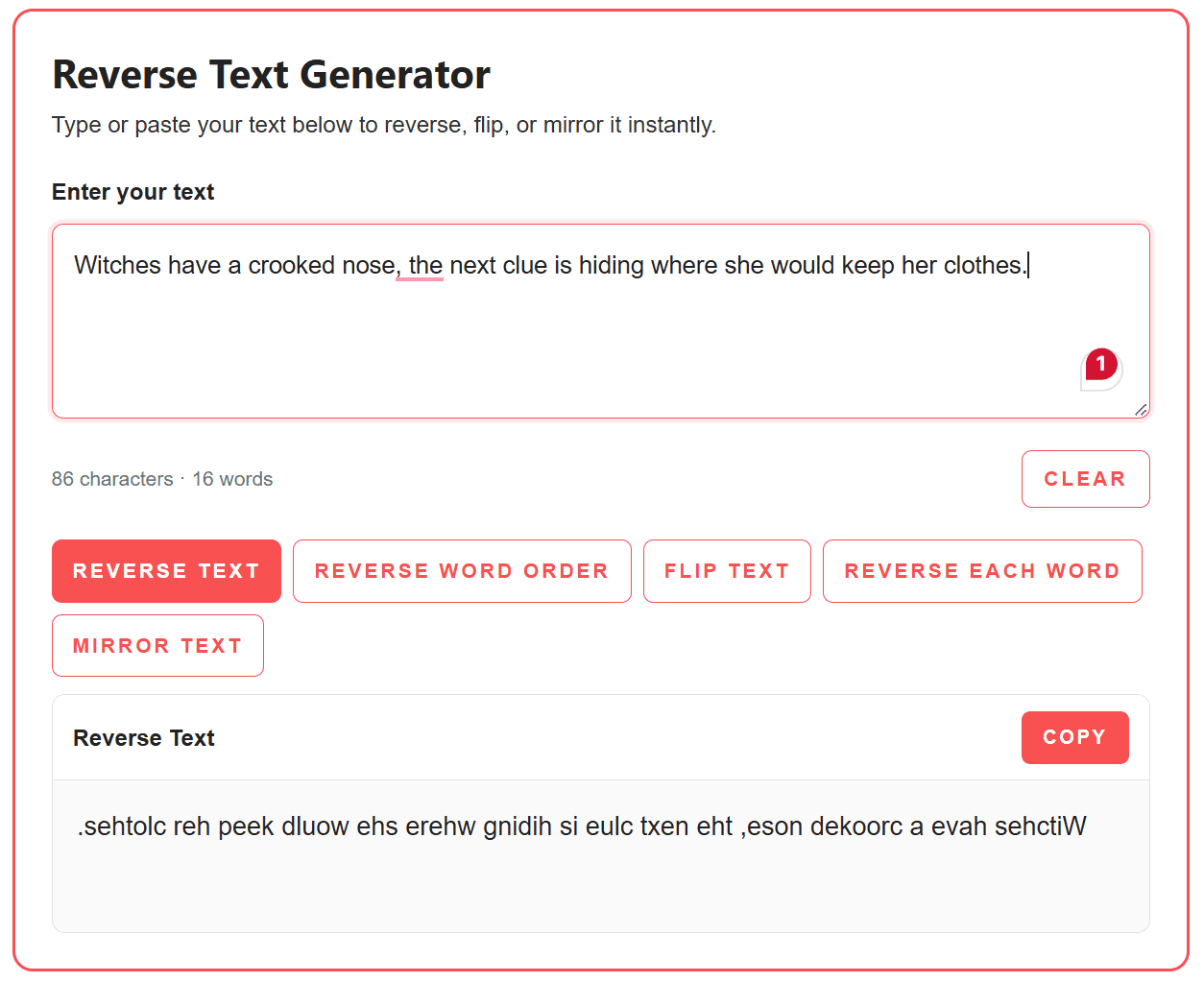
A reverse text generator is an easy way to turn a normal escape room clue into a hidden message players have to decode.
My generator lets you reverse the entire message, reverse individual words, flip the text upside down, or create mirror text. For escape rooms, I particularly like the mirror option because players can use an actual mirror to reveal the clue.
For example, enter “Witches have a crooked nose, the next clue is hiding where she would keep her clothes” and give players only the reversed or mirrored version.
You can also switch between the different settings to make the same clue easier or harder depending on the age of your players.
Cipher Generator
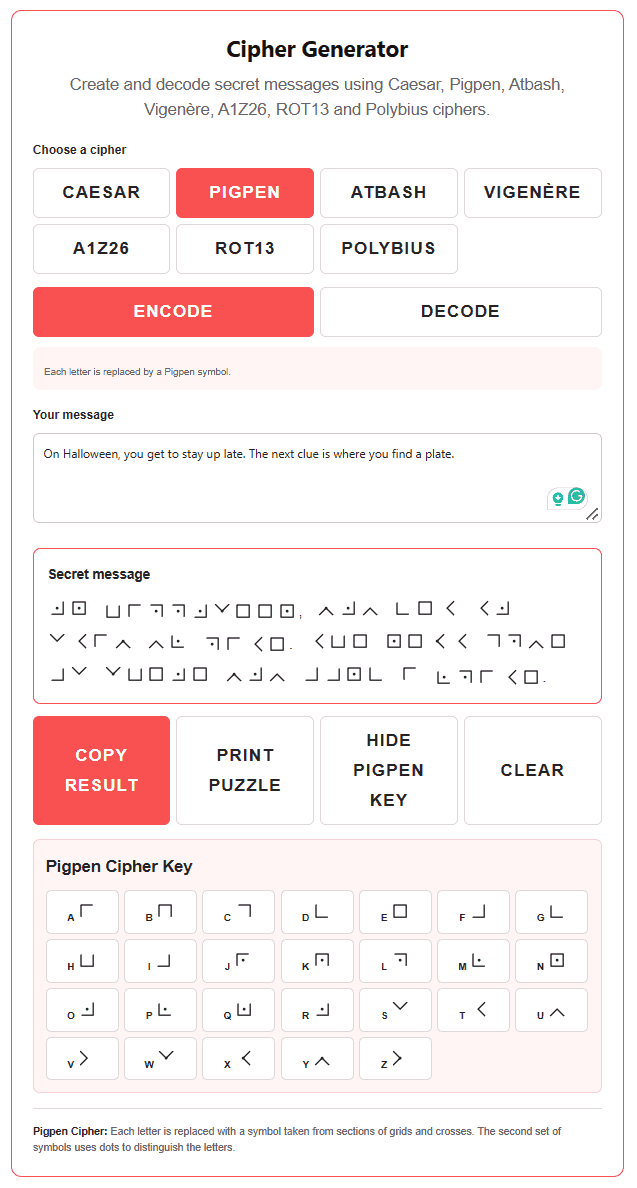
Use my cipher generator to create coded clues for escape rooms, treasure hunts, spy games, and mystery challenges.
Choose from seven different ciphers, including Caesar, Pigpen, Atbash, Vigenère, A1Z26, ROT13, and Polybius. Enter your clue, generate the secret code instantly, then print it as a ready-to-use puzzle.
Spiral Word Puzzle
This spiral letter generator displays a clue in a spiral layout, forcing players to slow down and rethink how they read the message. It works best as a mid-game puzzle, once players understand the basic flow of the escape room but still need a challenge that feels different from standard word clues.
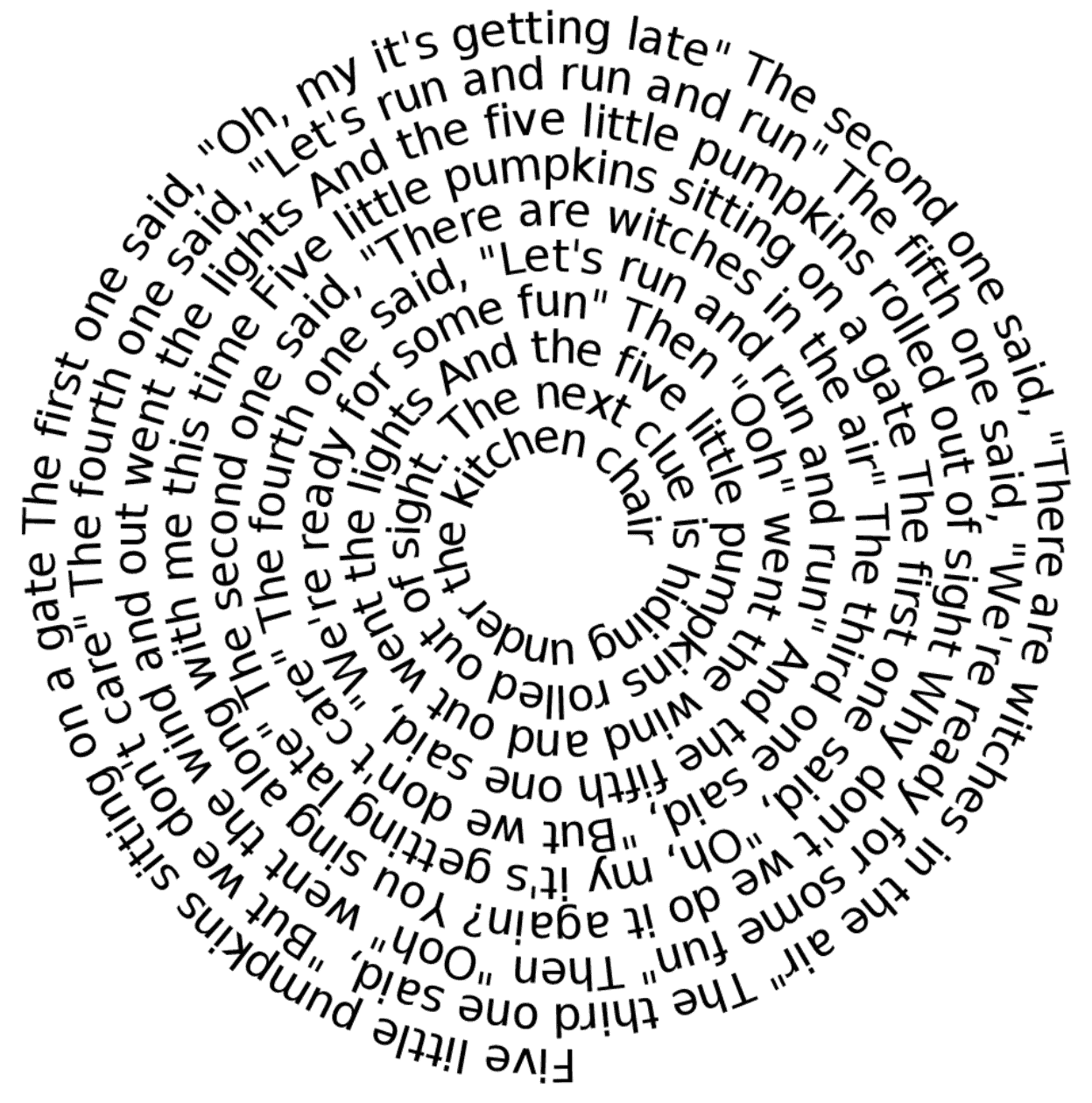
You can keep it simple with a message like “The next clue is hiding under the kitchen chair,” or increase the difficulty by using a short poem and replacing key words that reveal the final instruction. Because the layout adds complexity on its own, it’s usually better to keep the wording clear rather than overly cryptic.
Fake Newspaper Generator
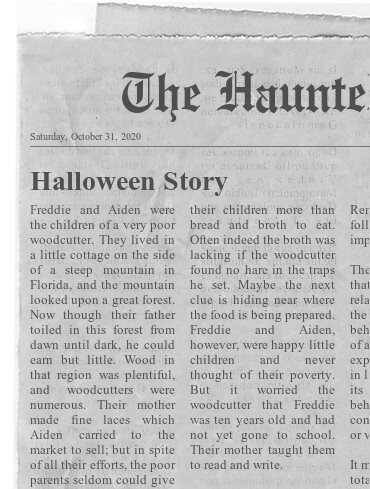
This custom newspaper clipping puzzle generator creates a realistic newspaper-style clue that works especially well for story-driven or mystery-themed escape rooms. By editing the date, headline, and article text, you can hide instructions or codes in a way that feels natural rather than obviously “puzzly.”
For example, the headline may seem unrelated at first, but players discover the next step by noticing repeated words, odd phrasing, or subtle details in the article. This puzzle works best when placed early or mid-game and paired with a clear objective, too much text can overwhelm players if it’s used too late in the room.
Fake Receipt
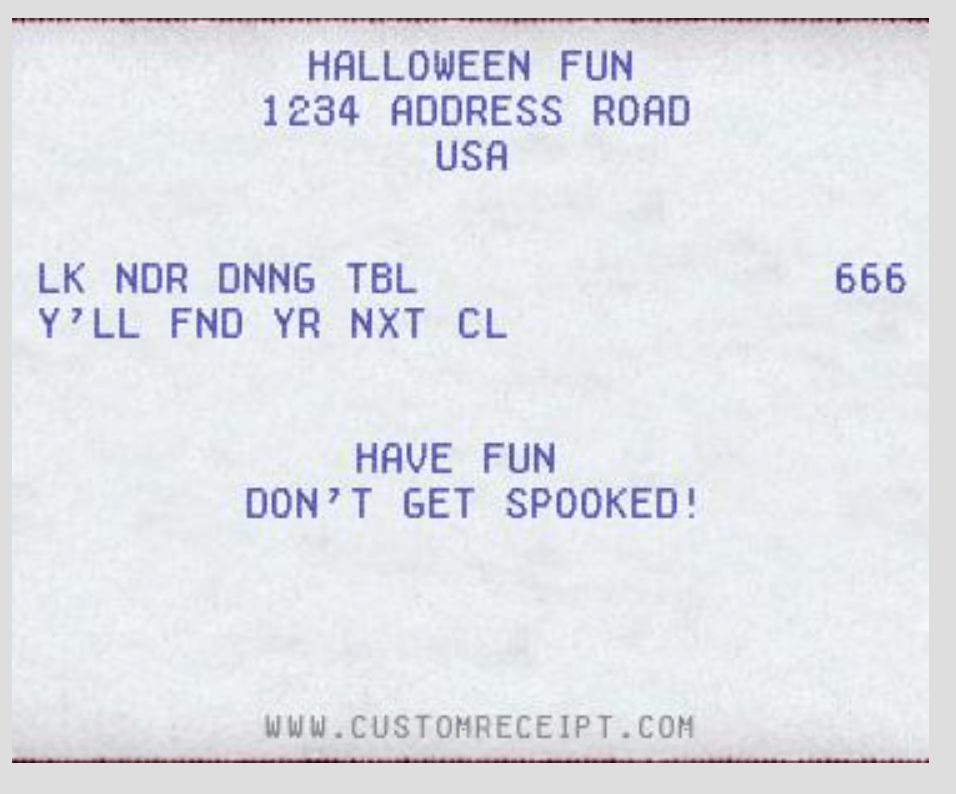
This fake receipt generator creates a realistic receipt-style clue that works well when you want players to examine details rather than decode long text. You can hide a message by removing vowels, embedding numbers into item names, or using the receipt total as part of a code.
The key is to keep the receipt short, too many line items can distract players from the actual clue. If you’re printing it, resizing the receipt with a snipping tool helps it look more authentic and prevents it from feeling like a standard worksheet.
Letter With Missing Text
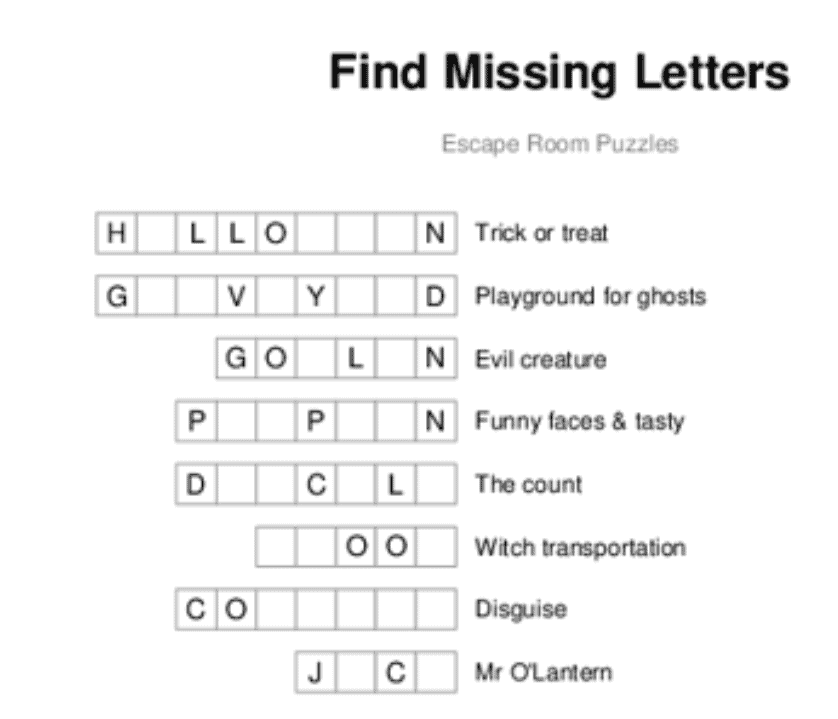
A missing letter generator is an excellent tool for creating customizable clues. You can use a generator to remove specific letters, like vowels, or choose any combination you prefer.
It’s an effective way to make players think and decode the message. You can tie the missing letters to your escape room’s theme, adding a layer of complexity to the game.
Fake Driving License
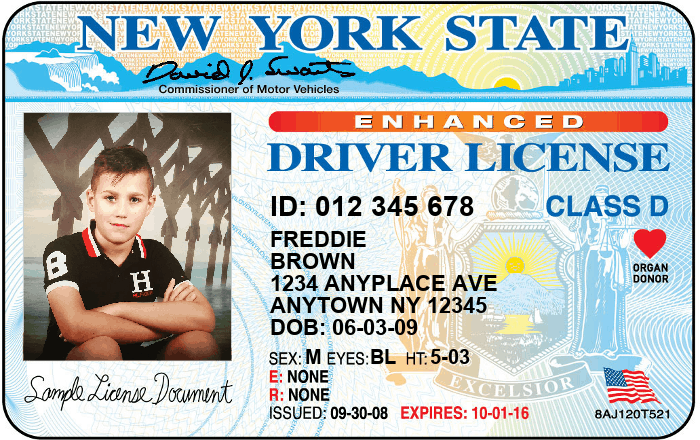
Personalizing a fake driver’s license with the child’s name and photo makes the puzzle feel more engaging and personal.
You can adjust various details, such as height, eye color, and address, to include hidden codes.
The ID number can serve as a cipher key for another puzzle, and you could even use it alongside a puzzle book, with page numbers leading to the next clue. This versatile option allows for endless customization.
Concert Ticket Generator
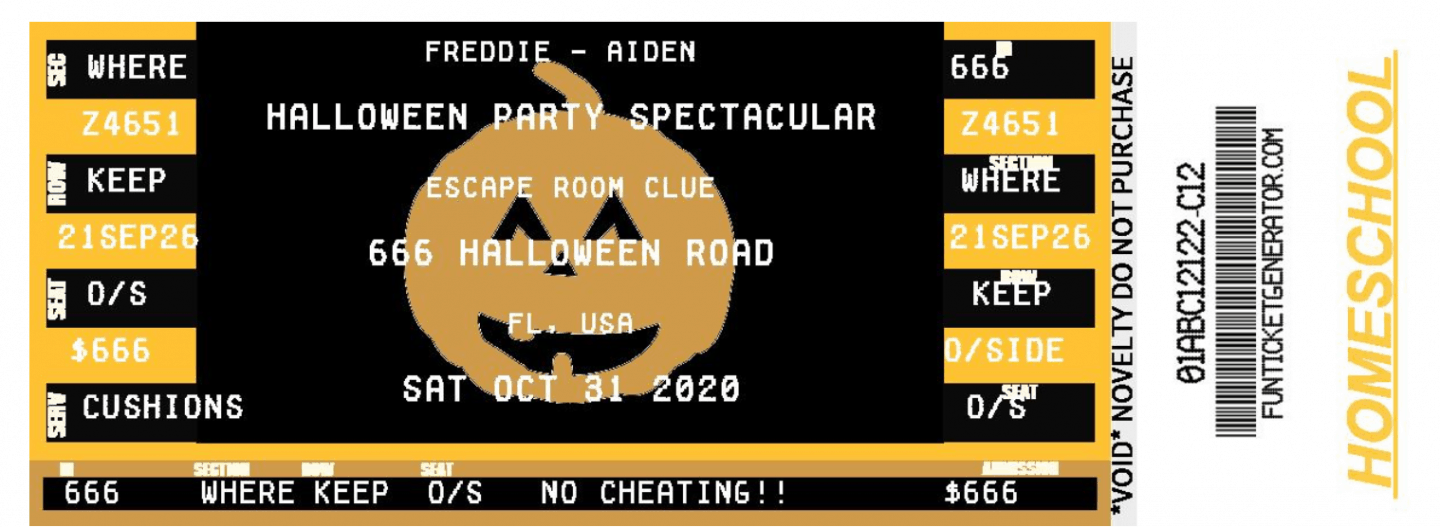
The concert ticket generator allows you to create themed tickets with different designs for holidays like Christmas, Easter, or Halloween.
You can customize nearly all fields, making it a great way to incorporate clues into your escape room.
For instance, a ticket might read, “Where you keep your outside cushions,” leading players to the next location.
This option offers creative flexibility, as you can adjust the difficulty level to suit the age and skill level of your players.
Fake Text Conversation
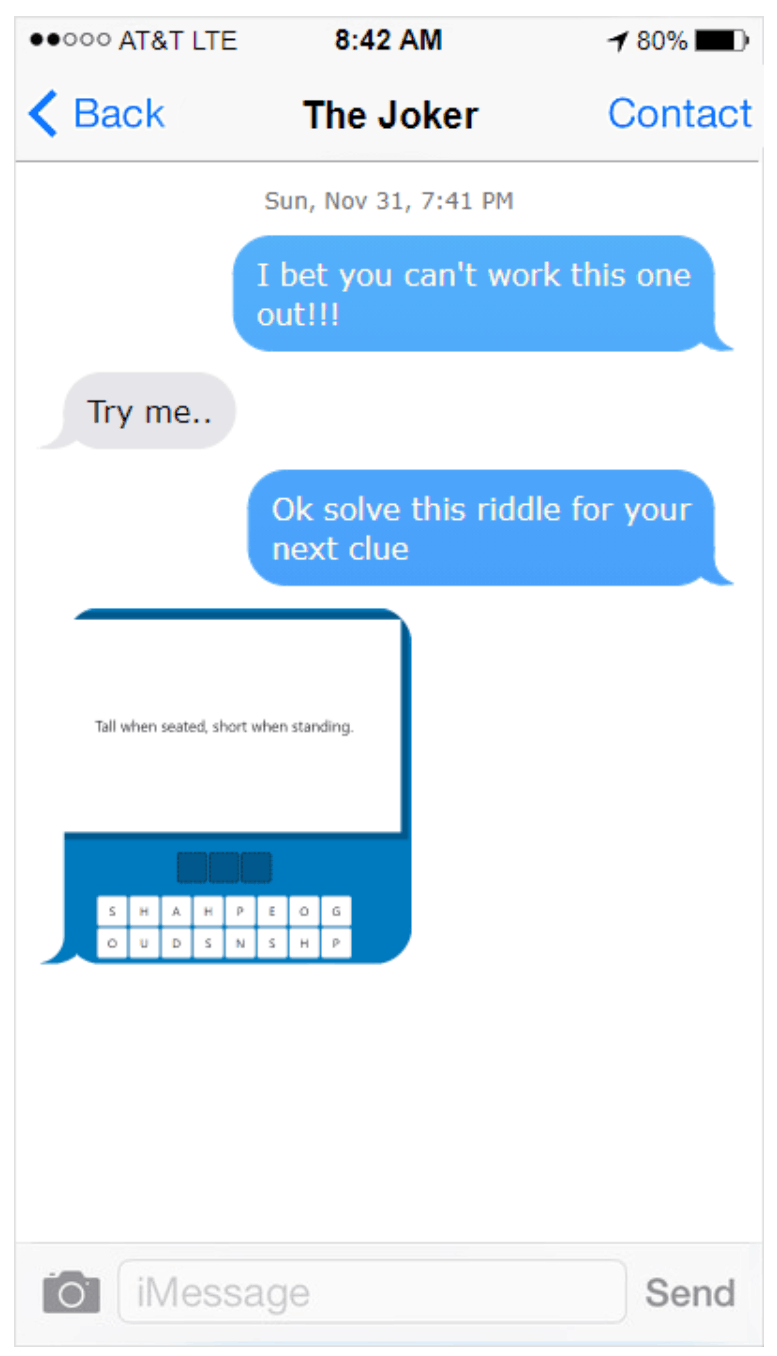
Simulating a text conversation is a modern and engaging way to deliver a clue. You can edit the name, time, and message content, and even add images, making the puzzle feel more realistic.
Print it out for players to find, or show it as a digital clue on your phone. It’s a fun way to add a tech-savvy twist to your escape room.
How to Create a DIY Escape Room
Creating a DIY escape room is easier than it looks. Once you’ve chosen a theme, you can combine several different puzzle types to create a fun sequence of clues that leads players from one challenge to the next.
1. Choose a Theme
Start with a theme that fits your group, such as a spy mission, pirate treasure hunt, haunted house, detective mystery, or holiday adventure. A strong theme makes it easier to write clues and decide where to hide them.
2. Pick 5–10 Different Puzzle Types
Mix easier puzzles with more challenging ones to keep the game interesting. Rebus puzzles, ciphers, Morse code, hidden messages, fake receipts, and word mazes all work well together because they test different problem-solving skills.
3. Hide Clues Around the Room
Place each clue somewhere players naturally discover after solving the previous puzzle. Good hiding places include books, drawers, envelopes, under chairs, inside boxes, or behind pictures.
4. Test the Difficulty
Try solving every puzzle yourself before game day, or ask someone who hasn’t seen the clues before to test the escape room. If they get stuck for too long, simplify the wording or add an extra hint.
5. Finish with a Final Puzzle or Prize
End the game with a combination lock, hidden key, treasure box, or small prize. Giving players a satisfying final challenge makes the entire escape room feel complete and memorable.
If you need a quick way to decide who goes first or assign roles during the game, our Random Name Picker Wheel is a perfect companion.
Printable Escape Room Puzzles
Printable escape room puzzles work best when you need a fast setup or want a complete activity without customizing individual clues. Instead of building puzzles piece by piece with generators, these ready-made printable escape room games include clues, puzzles, and challenges that are ready to print and play.
If you’re short on prep time, these printable escape room games are great ready-made alternatives:
- Halloween escape room printable
- Thanksgiving escape room game
- Christmas escape room ideas
- Easter escape room ideas
Best Escape Room Board Games
If you don’t have time to create your own escape room puzzles, an escape room board game offers the same style of clue-solving with almost no setup. These games are ideal for family game nights, birthdays, or rainy afternoons when you want a complete experience straight out of the box.
Some solid at-home options include:
- Escape Room The Game, Version 2 – best for teens and adults who want a longer, structured experience
- Think Fun Escape The Room: The Cursed Dollhouse – works well for small groups and first-time players
- EXIT: The Enchanted Forest – a lighter, family-friendly option with a shorter play time
Board games trade flexibility for convenience, so they’re useful when time is limited or when you don’t need a custom theme.
Last Updated on 5 August 2026 by Clare Brown

Wow, these are some really creative escape room puzzle ideas, thank you for sharing! I love how they make it so easy to bring a fun, challenging adventure right into your own home.
Thank you soooooo much for this!!! It was so helpFULL!!!
Great post! These ideas are all I’ll need to whip up my (last minute) hunt for my daughter today. Thanks so much! I’m just starting in the blogging and homeschooling world. Very fun ideas here and super helpful with all the links!