Free Homeschool Curriculum by Grade and Subject


When we first started homeschooling, I assumed we would eventually need to pay for a full curriculum. I just couldn’t see how free homeschool curriculum would be enough to cover everything without leaving big gaps.
But after trying different programs over the years, I realized that free can absolutely work. Some options were a bad fit, some were surprisingly strong, and a few became staples in our homeschool routine.
What made the biggest difference was finding resources that were actually easy to use day to day. I needed lessons I could trust, a structure I could follow, and enough flexibility to make it work for my son without feeling like I had to piece together a hundred random activities.
In this guide, I’m sharing the free homeschooling resources that helped us most, along with other free programs I found useful by subject and grade. My goal is to help you sort through what is actually worth using so you can build a solid homeschool plan without spending a fortune.
**This post may contain affiliate links. As an Amazon Associate and a participant in other affiliate programs, I earn a commission on qualifying purchases.**
How to Build a Full Homeschool Education for Free
When I first started homeschooling over seven years ago, I was not convinced free homeschool curriculum would be enough. I worried we would end up with gaps or have to replace it all with a paid program later on.
What actually happened was the opposite. The longer we homeschooled, the better I got at telling the difference between free resources that were just nice extras and free curriculum that I could genuinely build our week around.
We did not use one perfect program for everything. Instead, I mixed a few strong options for the core subjects and adjusted as my son got older. That gave us the structure we needed without locking us into something expensive or inflexible.
Over time, I realized that what matters most is not whether a curriculum is free or paid. It is whether it is clear, consistent, and a good fit for your child. Once I focused on that, planning felt easier and I had a lot more confidence in what we were doing.
A full homeschool education does not have to be expensive. With the right free homeschool curriculum, you can cover the main subjects, adapt as your child grows, and create a plan that truly works for your family.
Comprehensive Free Homeschool Curriculum Programs
Over the years, I’ve learned that free homeschool curriculum is a lot easier to use when it has some kind of structure to it. I did better with programs that gave me a clear path to follow, instead of leaving me to pull everything together from random worksheets and videos.
Some of these work well as a full curriculum, while others make more sense for a certain age or stage. If you’re trying to build a solid plan without buying an expensive boxed program, these are some of the better places to start.
All-in-One Full Curriculum Programs
If you want most subjects laid out for you, these are the ones I’d look at first.
- Easy Peasy All In One Homeschool – Probably one of the easiest places to start if you want daily lessons across multiple subjects and grade levels.
- Discovery K12 – More structured in a school-like way, with daily assignments in the core subjects and a few extras.
- Ambleside Online – Very different in style, but a good fit if you like a literature-heavy approach and want something built around books, history, and narration.
Best Free Curriculum for Elementary Students
These are better for the younger years, when I think having a simple and manageable routine matters most.
- Little House Kindergarten – A gentle option for kindergarten that includes the kinds of subjects many of us want in the early years, like math, art, music, and nature study.
- Core Knowledge – Helpful if you want grade-based materials by subject and prefer to piece together a strong elementary plan yourself.
Best Free Curriculum for Middle and High School
Once kids get older, I usually found it more helpful to use subject-based programs rather than expecting one resource to do everything.
- CK-12 – Useful for middle and high school subjects when you want lessons and materials that feel more academic.
- Khan Academy – One of the better free options for math and science, especially for older kids who can work a bit more independently.
- Homeschool College USA – Worth a look for high school if you want something more focused on the later teen years.
Free Homeschool Curriculum by Subject
One of the things that helped me most was breaking free homeschool curriculum down by subject instead of trying to find everything in one place. Some subjects were easy to cover with one solid program, while others took a little more mixing and matching.
If you are planning your year or just trying to strengthen one area, this makes it easier to go straight to the subject you need.
Math
Math was one of the subjects where I found it helpful to use different types of resources depending on what my son needed. Sometimes we needed a full lesson, sometimes just extra practice, and sometimes a game worked better than another worksheet.
Interactive Math Practice & Games
Good for kids who learn best when math feels more active and less repetitive.
- Prodigy Math – A free, game-based learning platform that makes math fun for primary school students.
- Math is Fun – Helpful for simple explanations and extra math practice, especially in the elementary years.
- Maths Chase – Interactive times table practice and math challenges to strengthen foundational skills.
- Transum – A good fit for kids who like puzzles and visual problem-solving.
- The Actuarial Foundation: Useful if you want real-life math activities for older elementary and middle school students.
Printable Math Worksheets & Drills
Useful when you want extra practice, review, or something easy to add to your week.
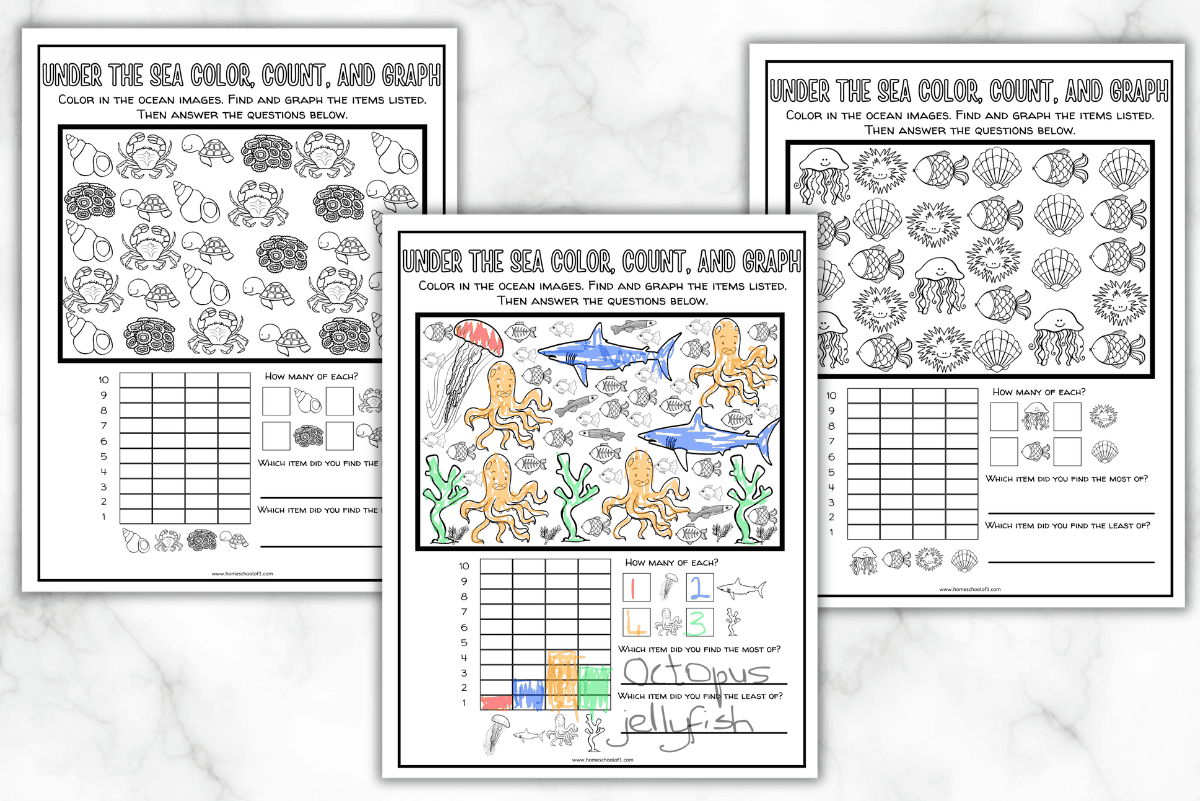
- Free count and graph worksheets from Homeschool of 1.
- Education.com – Offers free worksheets and games for all grade levels.
- Math Worksheets Land – Printable worksheets organized by grade and topic for structured learning.
- Math Drills – A vast collection of math drill worksheets, covering everything from basic arithmetic to geometry.
- EdHelper.com – Provides free math printables to reinforce key concepts.
Complete Math Curriculum & Courses
Best when you want something more structured and lesson-based.
- Math Planet – Offers full courses covering pre-algebra to advanced high school math.
- Purple Math – Video lessons and tutorials focused on algebra concepts for high schoolers.
- Corbett Maths – Includes videos, questions, and worksheets that work well for secondary-level math.
- MEP (Maths Enhancement Programme) – One of the more structured free math curriculum options for families who want a fuller program.
Language Arts & Reading
Language arts ended up being one of the easier subjects for me to build with free materials because there is so much available once you know what you are looking for. In our homeschool, I found it helped to think of it in parts: phonics first, then reading practice, then spelling and writing as those skills grew.
Phonics & Early Reading
Best for kids who are still learning letter sounds, blending, and early reading skills.
- Teach your monster to read – A fun phonics option for younger kids who learn best through play.
- ABC Fast Phonics – A simple interactive option for practicing early phonics skills.
- Reading Bear – A structured phonics program tailored for grades K-3, with interactive lessons and practice activities.
- Free Reading – Offers 40 weeks of phonics lessons, making it a comprehensive free phonics curriculum.
- SightWords – Provides free printable resources to help kids master sight words and early reading skills.
Free Books & Reading Materials
Useful once your child is ready for more independent reading and comprehension practice.
- Manybooks – A massive collection of free downloadable books covering a variety of reading levels.
- Progressive Phonics – Offers printable readers and structured lessons, making it a complete reading program.
- Oxford Owl – A free eBook library for ages 3-11, perfect for independent reading.
Spelling, Vocabulary & Writing Games
Good for reinforcing literacy skills in a way that feels a little less dry.
- Puzzle Maker – A tool that lets parents and educators create custom word puzzles, making vocabulary practice fun.
- Creative Writing Prompt Generator – A fun way to come up with writing ideas when your child gets stuck or needs a little help getting started.
Science
Science was one of the easiest subjects for us to keep interesting because it already comes with so much built-in curiosity. Some days that looked like a worksheet or video, and other days it meant following a rabbit trail after one question led to five more.
I found science worked best when I mixed a few different types of resources instead of expecting one thing to do it all. Sometimes we needed a solid explanation, sometimes a hands-on activity, and sometimes just something interesting enough to get the conversation started.
Subject-specific Resources
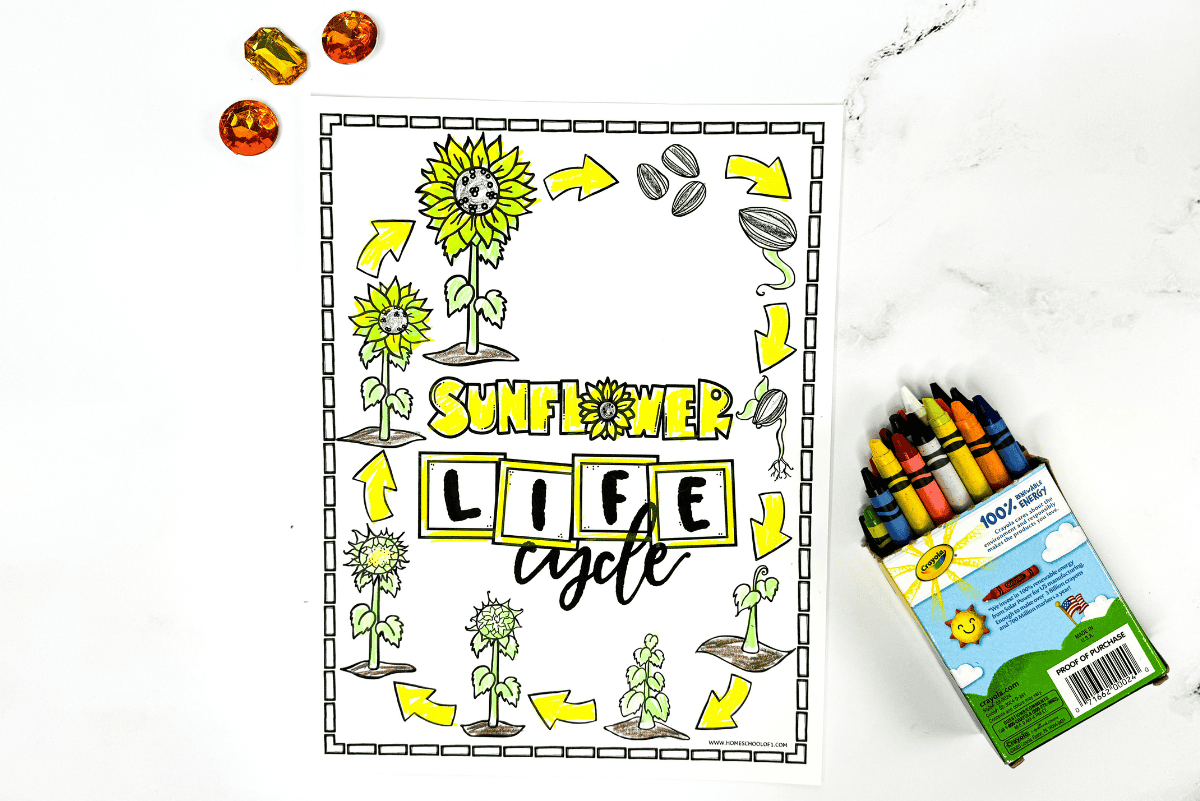
- Homeschool of 1 has lots of free science activity worksheets for elementary students.
- Teach Engineering: Provides hands-on engineering activities and challenges suitable for learners of all ages.
- Crash Course: Useful for older kids who like learning through short videos.
- Ideal for grades 5-12, Anatomy Arcade offers interactive games that make learning about anatomy engaging.
- National Wildlife Federation Animal Science: Tailored for grades K-6, this resource offers educational content about animals and their habitats.
- NASA Lesson Plans Astronomy: A good option if you want to add space and astronomy to your science studies.
- ACS Inquiry in Action Chemistry Curriculum: Chemistry activities and curriculum for grades 3-6, designed to make learning chemistry engaging.
- Periodic Table Videos: Helpful for older kids learning chemistry who do better with visual explanations.
Interactive and Hands-on Learning
Best for kids who learn science by doing, testing, and exploring.
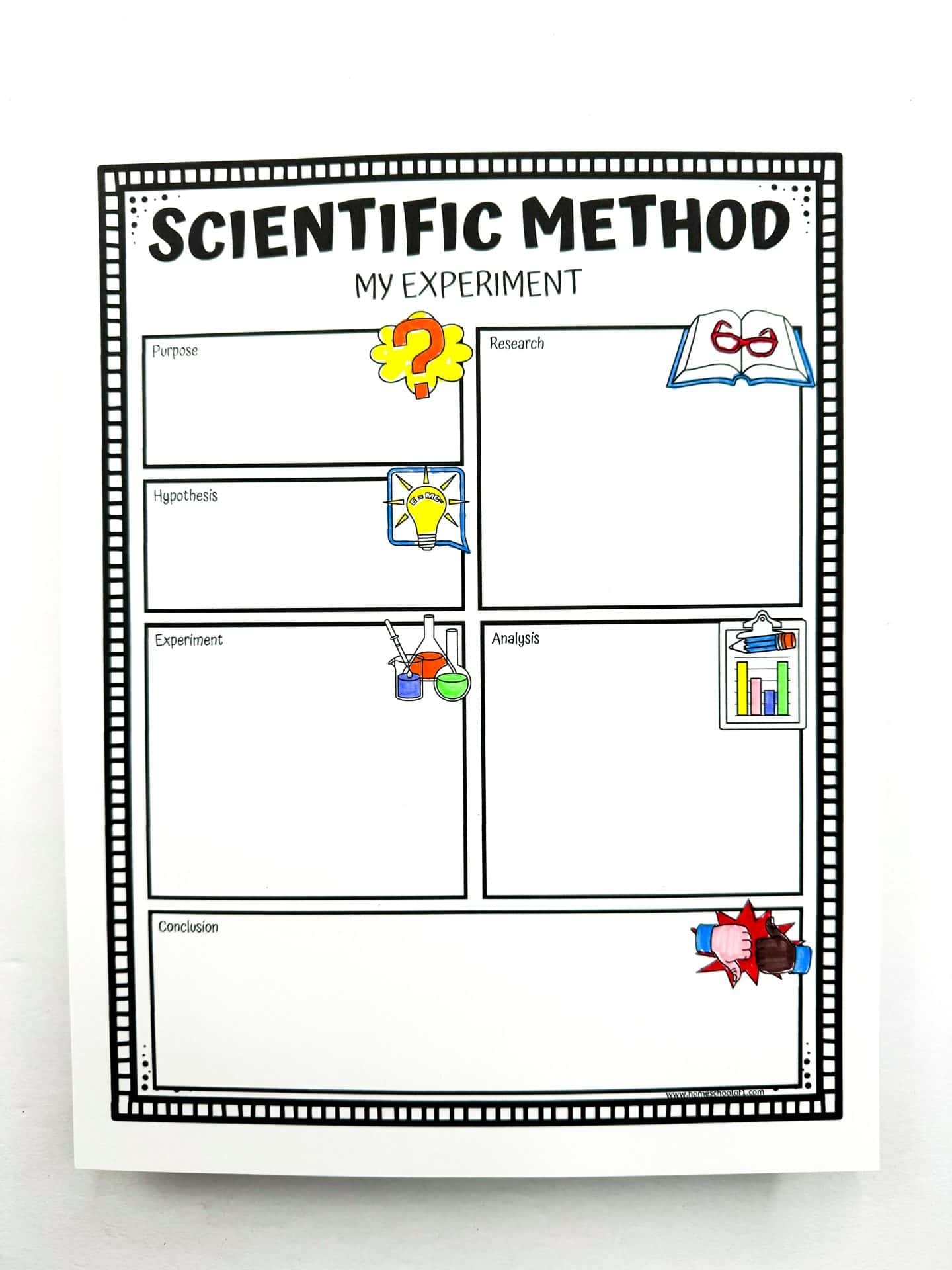
- Science Coloring Pages from Homescience Tools: Science-themed coloring activities that make learning concepts enjoyable for young students.
- Berkeley Education Evolution: Resources on evolution for all ages, encouraging a deeper understanding of the topic.
- Science Fair Projects and Experiments: A collection of experiments and project ideas suitable for different grade levels.
- 24/7 Science: Interactive games designed to engage elementary students in learning science.
- Human Origins by the Smithsonian: Explore human evolution with a variety of engaging tools for learners of all ages.
Comprehensive Science Resources
Helpful when you want something broader to reinforce science across multiple topics.
- MIT Open Course: Free access to science courses for high school students, covering a broad range of subjects.
- National Geographic Kids: K-6 content featuring interactive lessons on topics like wildlife and earth science.
- American Museum of Natural History: Offers materials covering physical sciences and various branches of biology and geology for students of all ages.
- NASA Weather Adventures: Engaging Earth science activities related to weather and climate.
- Natural Inquirer: A science journal for grades 4-8, offering educational articles and activities on different scientific topics.
Exploration and Discovery
Best for kids who naturally gravitate toward animals, space, and the natural world.
- Virtual Museum: Interactive exhibits for students of all ages, bringing history and science together in a virtual environment.
- National Zoo Homework Helper: Zoology-related activities and resources for curious learners.
- Mystery Doug: Engaging science activities that answer students’ curious questions.
- School Science: A variety of science activities and lessons for different grade levels.
- Sublime Science: Fun, interactive science experiments and activities that inspire learning through play.
- BBC Terrific Science: Comprehensive science activities and videos that explore various topics.
- Interactive Elements Table: An engaging tool for exploring the periodic table with images and facts.
History
History was one of those subjects that worked better for us once I stopped trying to make it feel overly formal. Some of our best history learning came from a mix of videos, workbooks, and interactive resources that helped bring the topic to life a little more.
These are some of the free history resources I found most useful when I wanted to add more depth without buying a separate curriculum.
- Crash Course: A helpful option for older kids who like history in short video form.
- US History: Access free workbooks that cover American history topics, catering to learners of all ages.
- Historic England: Discover a wealth of free information about English history, providing insights into the rich heritage of England.
- UK Parliament: Access teacher resources and lesson plans, including history topics, from the UK Parliament’s educational offerings.
- Mission US American Revolution Interactive Website: A strong choice for kids who enjoy interactive history activities.
Geography
Geography was easy to weave into our homeschool because it naturally connected with history, travel, and current events. I found it worked especially well when we kept it visual with maps, worksheets, and anything that helped make places feel real.
- Homeschool of 1 geography worksheets – Useful for map skills, place names, and general geography review.
Foreign Language
Foreign language was never a huge part of our homeschool, but I still liked having a couple of free options available for exposure and extra practice. I found it worked best when it stayed simple and consistent rather than trying to force a full program that no one enjoyed.
- Duolingo: A simple way to add regular language practice without making it feel too heavy.
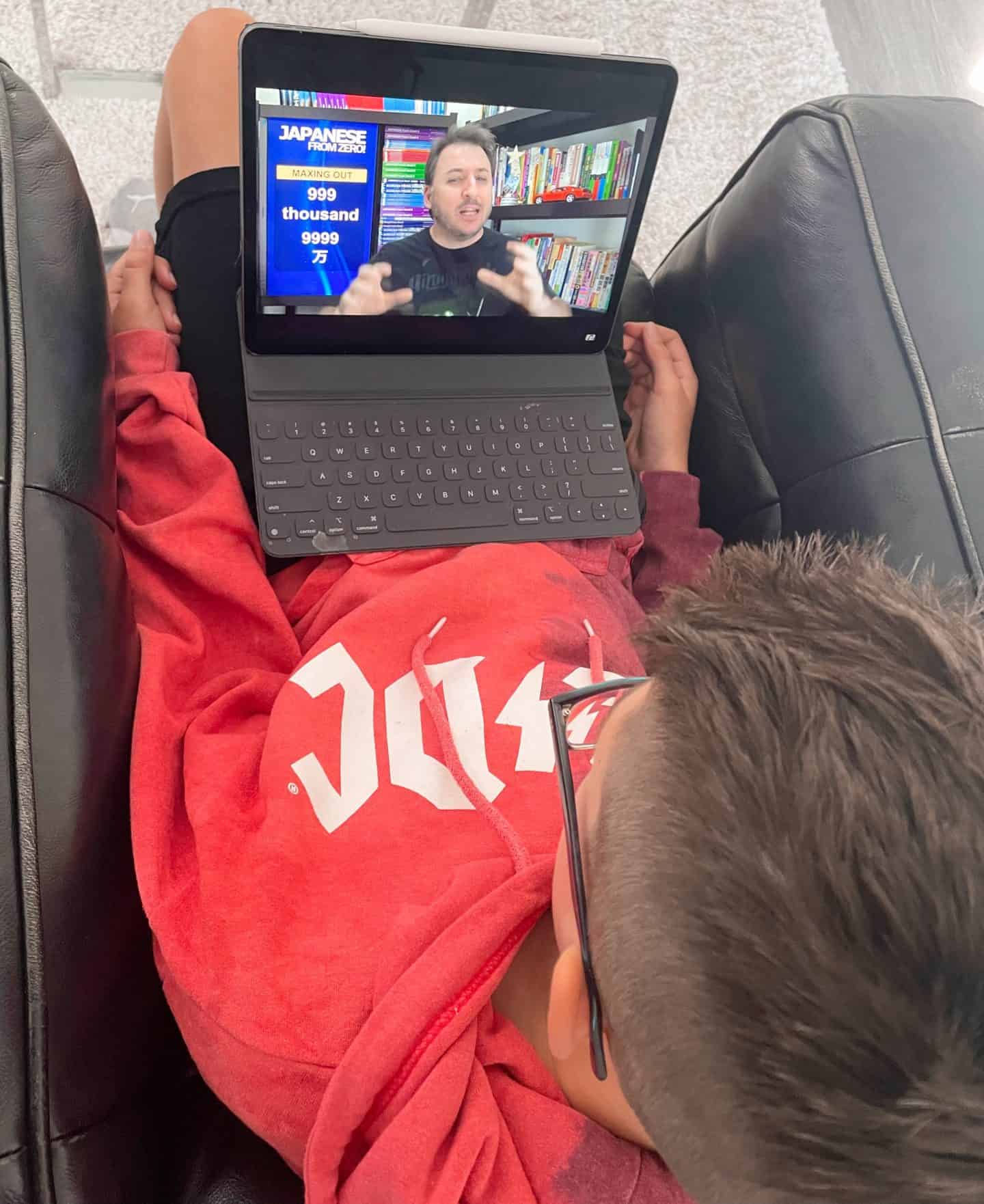
- Japanese from Zero: A helpful option if your child wants to learn Japanese and does better with video-based lessons.
Art
Art was one of the easiest subjects to keep relaxed in our homeschool. Some weeks we used it for art history, and other weeks it was just a chance to make something and enjoy being creative without overthinking it.
If you want free art resources to mix into your week, these are a good place to start.
- The National Gallery: Good for art history when you want to look at famous works together.
- Metropolitan Museum of Art: Useful for exploring art from different places and time periods.
- Twinkl free resources: Helpful if you want printable art activities to add to your week.
- Art for Kids Hub: One of the easiest options for guided drawing.
- Red Ted Art: Encouraging hands-on creativity and artistic exploration.
- Krokatak: Free arts and crafts resources, including videos and printables.
Music
Music was never a subject I wanted to overcomplicate. I usually found it worked better as a mix of listening, simple practice, and a little composer study rather than trying to make it feel too formal.
- Hoffman Academy: A great free option for kids who want to learn piano through step-by-step video lessons.
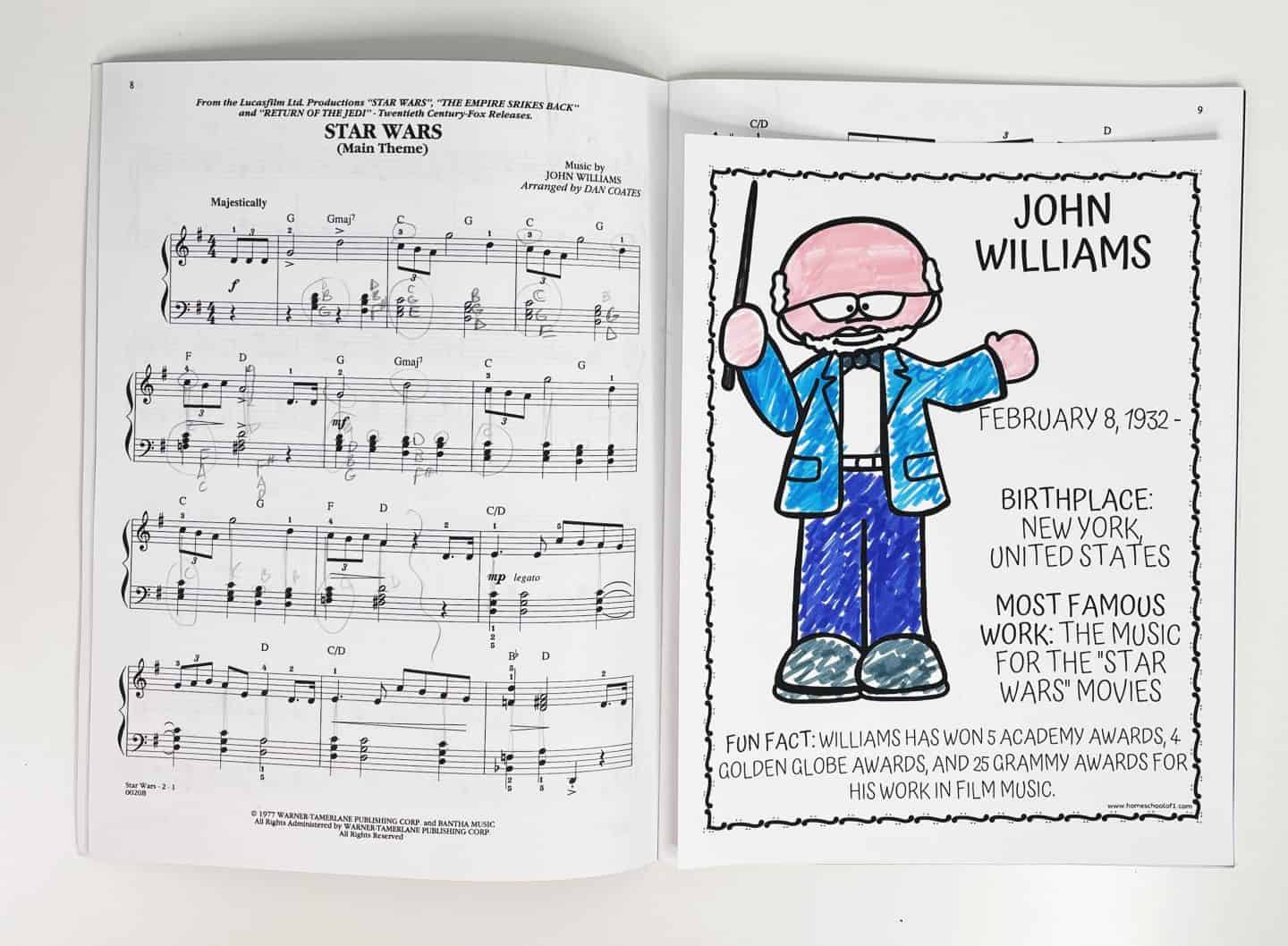
- Free composers worksheets – Covers six 20th-century composers and gives kids a simple way to learn about their lives, music, and major works.
Health & Wellness
Health was never the biggest part of our homeschool, but I still liked having a few good resources on hand for topics like nutrition, hygiene, and general wellness. It worked best for us when I kept it practical and tied it back to everyday life instead of treating it like a heavy subject.
- Kids Health in the Classroom: A helpful place to find health and safety topics explained in a kid-friendly way.
- National Eye Institute: Useful for simple activities and printables if you want to cover eye health.
- Centers for Disease Control and Prevention Museum (CDC): Good if you want to cover topics like germs and disease with something a little more hands-on than just reading about them.
- National Institute of Health: Includes games and activities that make health topics a little easier to cover.
Coding & Programming
Coding was more of an extra in our homeschool than a core subject, but it is a good one for building logic, problem-solving, and confidence with technology. I found it worked best when the resources felt hands-on and not too overwhelming at the start.
- Code.org: One of the easiest places to start with coding because the lessons are clear and beginner-friendly.
- Codecademy: A good option for kids who are ready for more hands-on coding practice.
- Computer Science Unplugged: Helpful if you want to teach coding concepts without needing screens the whole time.
- Kidztype: More typing than coding, but still helpful if you want kids to build keyboard skills alongside computer work.
Optional Faith-Based Resources
If faith is part of your homeschool, it can be nice to have a few free Bible resources to pull from without needing a separate curriculum. I’d treat this as an optional part of your plan and just use the pieces that fit naturally with your family.
- Future Flying Saucers: A helpful source for free Bible lesson plans that are easy to add to your week.
- Adventure Bible: A good option for younger kids who enjoy games and interactive Bible activities.
- Learning Path: Useful for extra religious worksheets if you want more printable material on hand.
After years of homeschooling, I’ve found that you do not need an expensive curriculum to teach well. A few strong free programs, used consistently, can go a long way.
Last Updated on 8 April 2026 by Clare Brown

Wow!!!!!!
Feel so inspired after reading that!
Thanks so much for sharing!
wow, thank you so much!! we’re homeschooling because of the coronavirus so this is an amazing blog to find. my son has A.D.H.D. and A.S.D. but really academic so this is a fabulous post.
again, thank you and stay safe
A great list, whether you are home schooling or not. Pinning this one
Wow! Some AMAZING resources here!