Math board games for middle school were a lifesaver in our house once math started getting harder and worksheets weren’t enough anymore.
Around that age, motivation dipped fast, and we needed something that didn’t feel like more schoolwork. Bringing games into our homeschool days and family game nights completely changed how my son felt about practice.
These are the math board games that actually worked for us, the ones that helped concepts stick while keeping things fun.
**This post may contain affiliate links. As an Amazon Associate and a participant in other affiliate programs, I earn a commission on qualifying purchases.**
Math Board Games That Worked for Middle School
Finding math board games for middle school that kids actually enjoy isn’t always easy, especially once the work starts getting harder.
Some games feel too simple, while others turn into another lesson in disguise. The ones below hit a nice balance, they keep kids engaged while still practicing real math skills.
We’ve used these for family game nights and learning time, and they’ve been great for building confidence without the pressure.
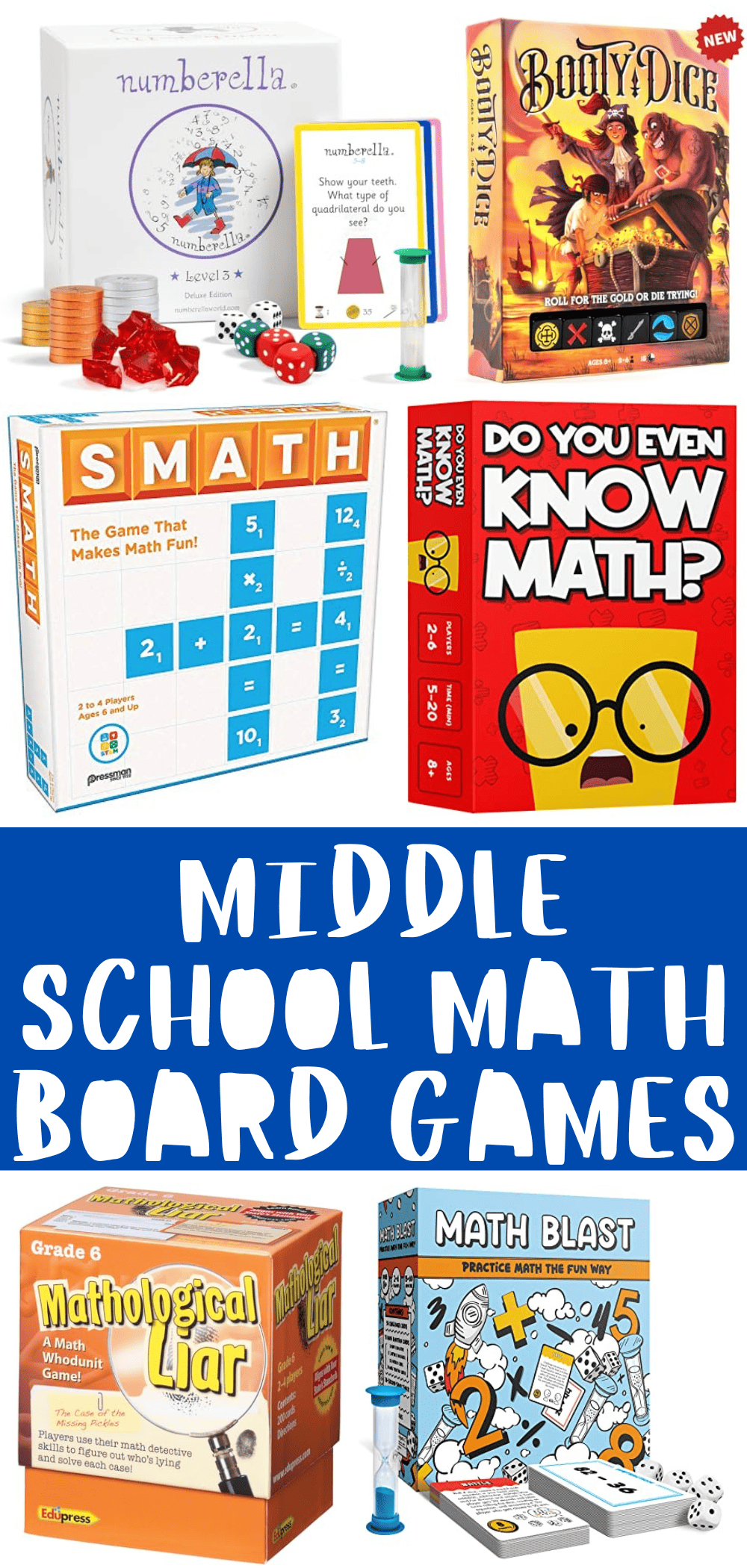
Numberella Level 3
This one worked really well once math started getting harder but my son still liked a bit of imagination mixed in. The story element made the challenges feel like part of an adventure instead of practice. It was especially helpful on days when motivation was low, he stayed focused longer without complaining about “doing math.”
Read More
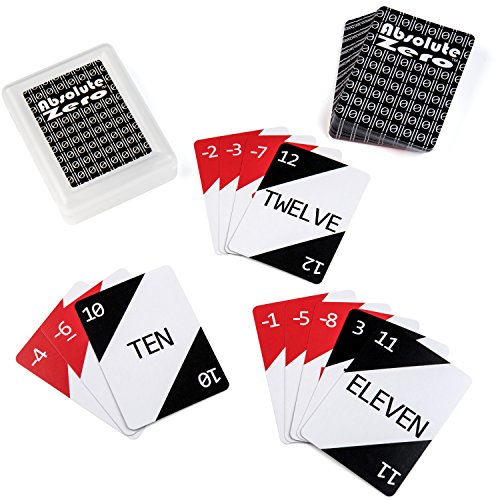
Absolute Zero Math Card Game
This became a family favorite pretty quickly because it’s fast and competitive without being stressful. Working with positive and negative numbers finally started making sense through play instead of explanations. We ended up laughing a lot while playing, which made tricky concepts stick far better than worksheets ever did.
Read More
Booty Dice
We pulled this out during a themed day and didn’t expect it to turn into a regular game night pick. Rolling the dice and deciding when to take risks naturally worked on mental math and probability. It’s one of those games where kids are thinking hard but having too much fun to notice.
Read More
Xing
This one slowed things down in a good way. My son had to really think about multiples and patterns instead of guessing quickly. It helped with patience and planning, not just math skills. Great for kids who enjoy strategy and don’t mind taking their time to make smart moves.
Read More
Super Math Spy
The spy theme instantly made this more exciting than most learning games. Solving clues using math felt like cracking codes instead of answering problems. It worked especially well for keeping focus during longer play sessions and helped build confidence with problem-solving.
Read More
DO YOU EVEN KNOW MATH?
This one always brought out a bit of friendly competition in our house. Rounds move fast, so kids are constantly thinking on their feet instead of overanalyzing every problem. It was great for building confidence, especially once my son realized he could keep up just fine. It feels more like a challenge game than a learning activity.Related: Math books for kids
Read More
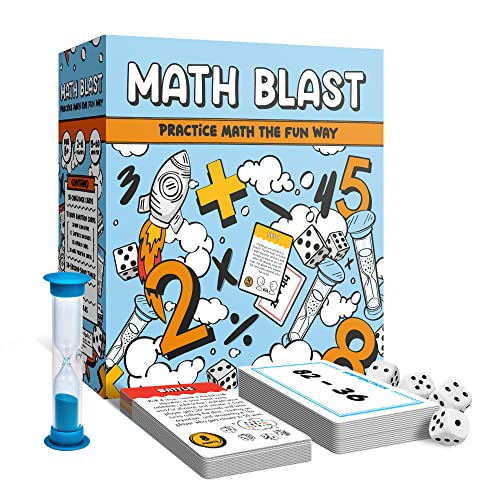
Math Blast!
We used this when attention was low but we still needed practice. The quick rounds kept things exciting, and the time pressure made my son focus more than usual. It was one of those games where he asked to play again, which never happened with worksheets. Perfect for short bursts of energetic learning.
Read More
SMATH
This one clicked right away because it felt like a puzzle instead of math work. Filling in equations like a crossword made problem-solving slower and more thoughtful. It worked especially well for kids who enjoy figuring things out step by step. Great for quieter game nights when everyone wanted something calm but challenging.Related: Financial literacy crossword puzzle printable
Read More
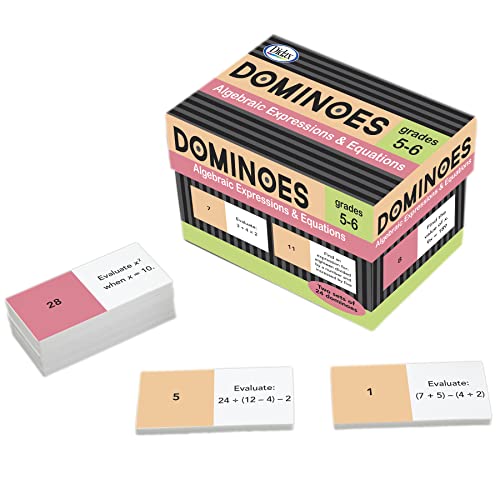
Algebraic Expressions & Equations Dominoes
This was really helpful once algebra started feeling abstract. Being able to match pieces physically made equations easier to understand. My son picked things up faster when he could see and touch the problems instead of just writing them. It turned tricky concepts into something much more manageable.
Read More
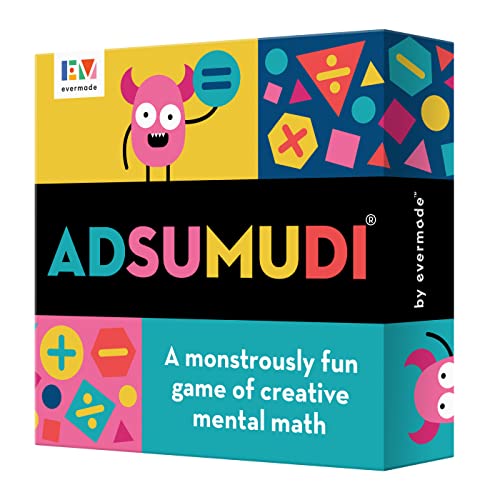
Adsumudi Math Game
It was especially useful when multiplication and division needed a lot of repetition without boredom setting in. On days when we needed extra structured practice, I’d quickly pull up the
long division worksheet generator to create a fresh set of problems to go alongside the game.
If multiplication still feels a bit shaky, keeping a
printable times table chart nearby can make these games much less frustrating.
Multiplication & Division Bingo Game
This one was great for review days when we wanted practice without groans. The bingo format made repetition feel fun instead of boring, and my son stayed engaged longer than with flashcards. It worked really well for locking in multiplication facts while keeping the mood light.Related: Math bingo game printable
Read More
Mathological Liar
This turned math into more of a thinking challenge than number crunching. Figuring out what was true and what wasn’t kept my son focused in a way worksheets never did. It felt like solving a mystery while using math skills in the background. Great for kids who like logic puzzles and strategy.Related: Middle school homeschool curriculum.
Read More
Proof! Math Game
We used this a lot when mental math needed improvement. The quick rounds forced faster thinking, but in a fun, competitive way. It became one of those “just one more round” games that naturally built speed and confidence without pressure.
Read More
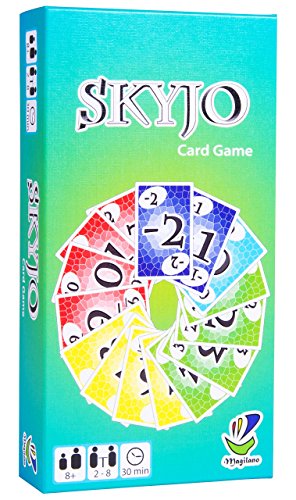
SKYJO
Even though this doesn’t look like a math game at first, it sneaks in a lot of number thinking. Adding, comparing, and planning ahead all happen naturally while playing. It quickly became a family favorite because it felt like a real card game, the math part just happened along the way.See even more of our favorite card games for middle schoolers
Read More
Fraction War
This helped fractions finally make sense. Seeing and comparing them over and over through gameplay built confidence really quickly. What used to feel confusing on paper became much clearer when played out with cards. Great for kids who struggle with fraction concepts.
Read More
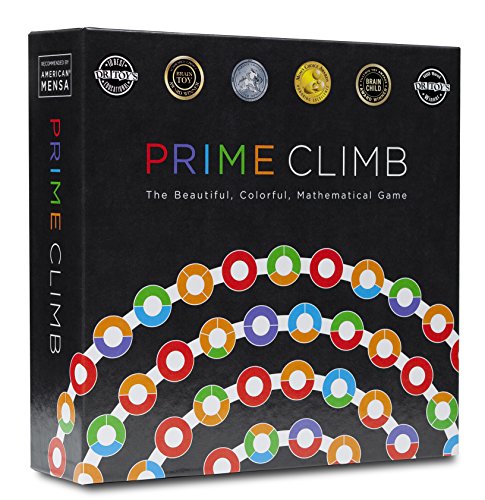
Prime Climb
Prime Climb combines beautiful design with intuitive gameplay, making it a standout for math practice. We’ve enjoyed how it introduces kids to prime numbers and multiplication in a way that feels natural and fun. It’s an excellent choice for both classrooms and family settings.
Read More
Fracto Educational Card Game
Fracto brings a fresh twist to fraction learning by turning it into a card game. It’s been particularly helpful for kids who prefer interactive learning over traditional worksheets. The gameplay keeps them focused, making it easier to reinforce key math concepts.
Read More
Last Updated on 6 February 2026 by Clare Brown