Board games have been one of the easiest ways to bring learning into our homeschool without it feeling like another lesson at the table. On days when worksheets weren’t working or attention was low, pulling out a game often turned things around fast.
Some helped with math without my son even realizing he was practicing. Others led to great conversations about history, strategy, or problem-solving. Over time, a lot of these became regular parts of our routine, not just something we used once and forgot about.
The games below are ones we’ve actually used for gameschooling, family nights, and those afternoons when we needed a break from books but still wanted something meaningful happening.
**This post may contain affiliate links. As an Amazon Associate and a participant in other affiliate programs, I earn a commission on qualifying purchases.**
Homeschool Board Games We Actually Use
Instead of feeling like extra schoolwork, these games became part of our regular routine, pulled out for math practice, history tie-ins, or quick brain breaks during the day.
Some work best as short learning bursts, while others turn into longer family game nights, but all of them are easy to work into real homeschool life.
Castle Panic
This quickly became one of our favorite teamwork games. Everyone works together to protect the castle, which naturally leads to planning, talking through moves, and figuring out problems as a group. It’s great when you want something fun that still gets kids thinking ahead.
This one feels like a nature walk turned into a board game. As you move up the mountain, kids learn about different plants and what they’re used for, without it feeling like a science lesson. It worked especially well when we were doing anything nature-based in homeschool.
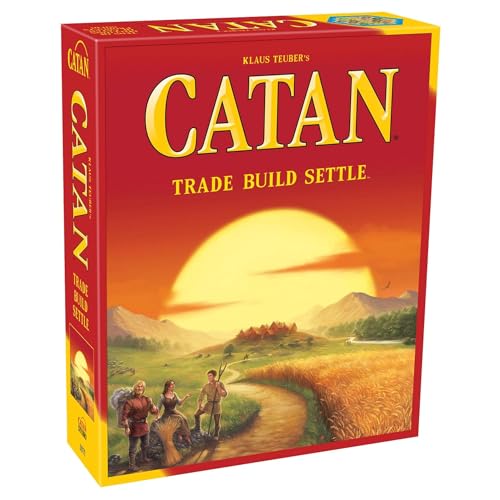
Once my son learned how trading and building worked, this became a regular pick. Kids start planning ahead, negotiating, and thinking about resources pretty quickly. It’s one of those games that sneaks in a lot of problem-solving while still feeling like pure play.
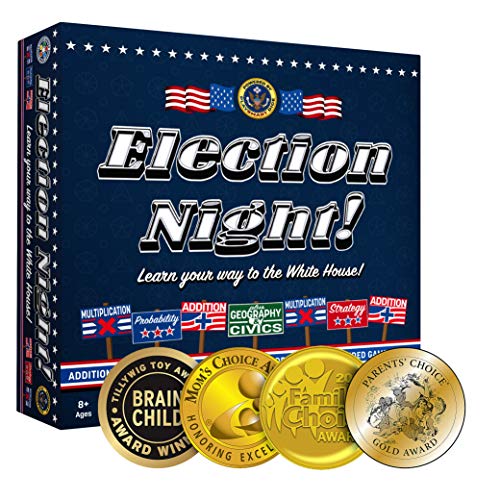
This was a fun way to make civics less abstract. Winning states, counting votes, and talking about how elections work led to a lot of good conversations. It’s much easier to understand when you’re playing it instead of just reading about it.
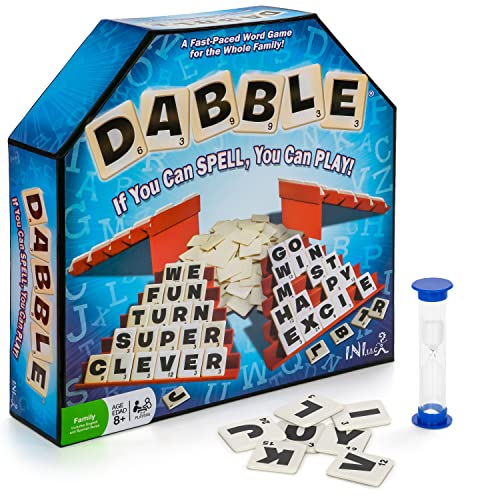
This one is great for quick language practice without any groaning. Racing to build words gets kids focused fast, and you can really see spelling and vocabulary improve over time. We used it a lot as a warm-up before writing.
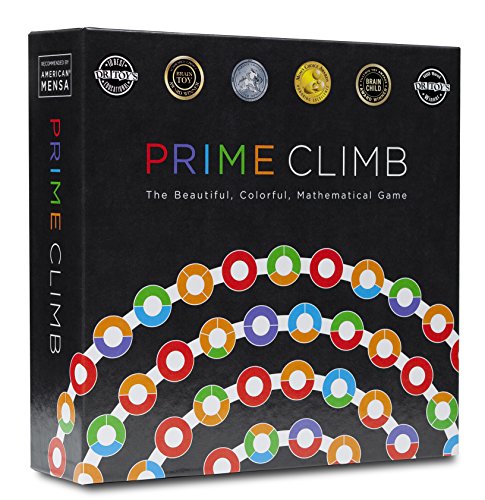
This was one of those games that finally made tricky math concepts click. Moving around the board while working with numbers feels more like a challenge than practice, and it naturally led to a lot of “wait… why does that work?” moments, which were great for learning.
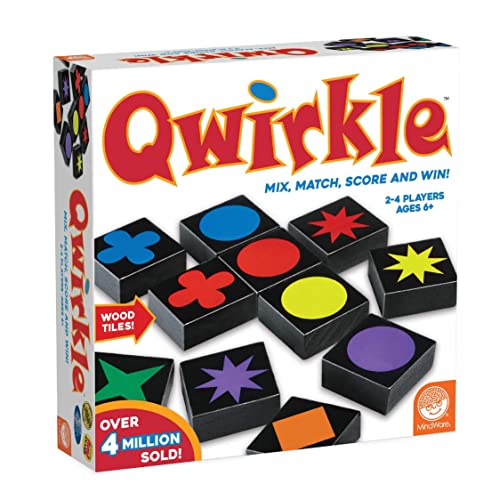
Simple to start, but surprisingly strategic once kids get into it. Matching colors and shapes turns into planning ahead pretty quickly, and it worked well for younger ages too. We pulled this out a lot when we wanted something calm but still mentally engaging.This is one of the best board games for 7 year olds.
This chemistry board game was especially helpful when we were covering basic chemistry. Collecting elements and learning what they’re used for made the periodic table feel less overwhelming and more interesting than memorizing symbols on paper.
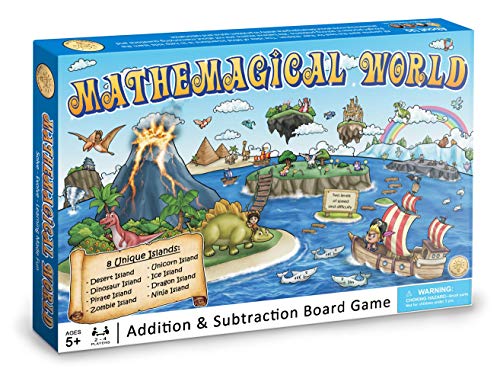
Great for early math practice in a way that doesn’t feel repetitive. The story-style gameplay kept things fun while kids worked through addition and subtraction, and it was an easy one to fit into shorter homeschool days.Related: Free math matching pairs game printable.
We used this a lot for talking about money, buying, saving, and what happens when you run out of it. It naturally led to conversations about budgeting and choices, and kids picked up financial basics just by playing.Related: Best financial literacy board games.
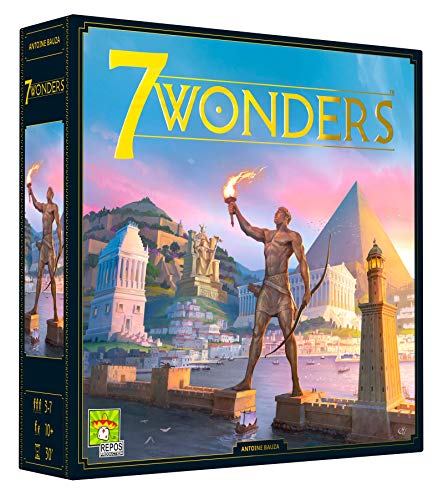
This one worked well once my son was ready for slightly more complex strategy. Building a civilization, choosing what to develop next, and planning ahead keeps kids thinking several moves forward. It’s great for history tie-ins and decision-making.Related: Wonders of the World worksheets
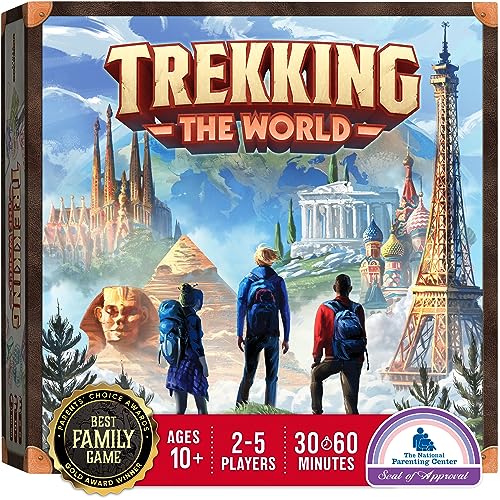
This became a fun way to talk about geography without pulling out a workbook. Traveling to different countries, collecting souvenirs, and spotting landmarks helped places stick in his memory much better than flashcards ever did.
Perfect for early learners. We used it mostly for practicing colors, taking turns, and following simple rules. It’s a great first board game when kids are just starting out.
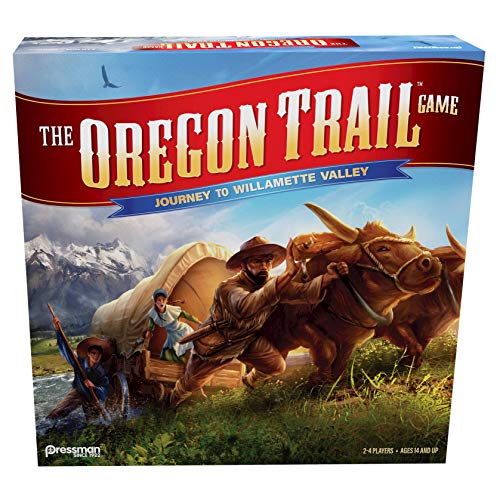
This one sparked a lot of conversations about American history and the realities of westward travel. Managing supplies and making tough choices made history feel real instead of just something to read about.
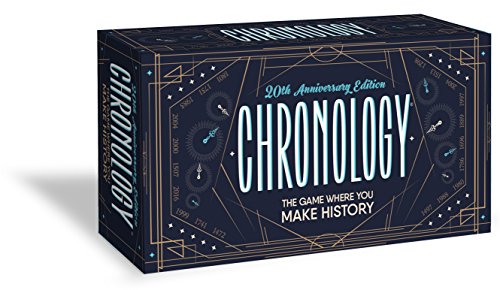
This is a great one for timelines. Placing historical events in order really helps kids understand how history connects, and it often led to us looking up extra facts after the game was over.
This one works really well when you want kids thinking together instead of competing. Everyone has to plan moves, talk through options, and solve problems as a team before the island sinks. It’s fun but also great for teamwork and strategy.This is one of the best board games for 11 year olds.
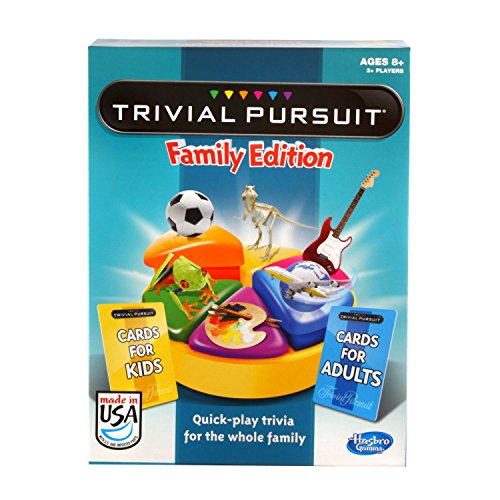
We liked this because everyone could play without the adults dominating the game. The mix of kid and adult questions kept it fair and led to a lot of random learning moments across different subjects.
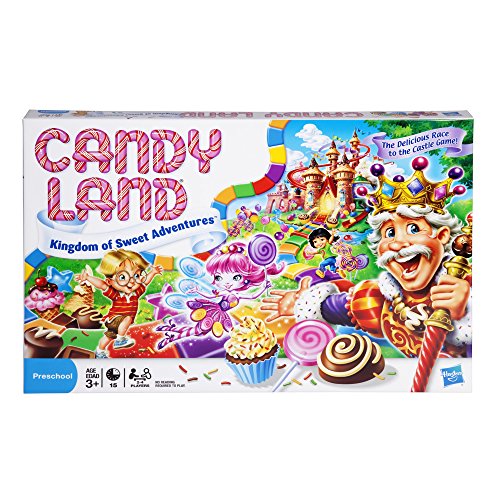
This turned into an easy way to talk about choices, money, and how decisions affect what happens next. Kids love the spinning wheel, but there’s also a lot of real-world thinking built in without it feeling heavy.Related: Free financial literacy crossword puzzle.
This one is more of a challenge and worked best with older kids, but it’s great for planning ahead and problem-solving together. Everyone has to cooperate, which makes every win feel earned.
We used this a lot for spelling and vocabulary practice. It’s one of those games where kids naturally want to look up words and try new ones just to score more points, which made learning feel fun.
This became a favorite once we started doing more geography in homeschool. Planning routes across the map, connecting cities, and racing to finish tickets made locations stick in a way worksheets never did. It’s easy to learn but keeps kids thinking the whole time.
Clare Brown is the founder of Homeschool of 1. She creates free printables and interactive learning tools for kids, helping parents and teachers generate activities instantly with no prep. Her work has been featured in Parade, HuffPost, Business Insider, Motherly, AOL, and Yahoo. Read more.