History board games are one of our favorite ways to make history lessons more memorable. Instead of simply reading about important events and civilizations, kids can build empires, follow historical timelines, test their knowledge, and make strategic decisions based on real periods in history.
We’ve played a lot of history games over the years, from quick trivia and timeline games to more involved strategy games covering Ancient Egypt, the American Revolution, World War II, and world history.
I’ve included our favorites for different ages and interests, whether you’re looking for an educational game to use alongside history lessons or something the whole family can enjoy on game night.
**This post may contain affiliate links. As an Amazon Associate and a participant in other affiliate programs, I earn a commission on qualifying purchases.**
Historical Board Games for Every Age
Whether you’re looking for world history, American history, trivia, or strategy, there are plenty of games to choose from. I’ve grouped our favorites below to make it easier to find the right option for your kids, teens, or family game night.
World History Board Games
These world history games explore everything from ancient civilizations and famous events to the rise and fall of empires across different periods.
Chronology
If your kids love trivia or timelines, Chronology turns that curiosity into a full game. You draw cards with major historical events and try to place them in order before your opponents. We’ve had a lot of laughs getting things completely out of sequence, then realizing how close or far off we were. It’s a simple but surprisingly effective way to reinforce what they’ve learned about world history.This can also be played as a solo player card game in your history lessons.
Continue Reading
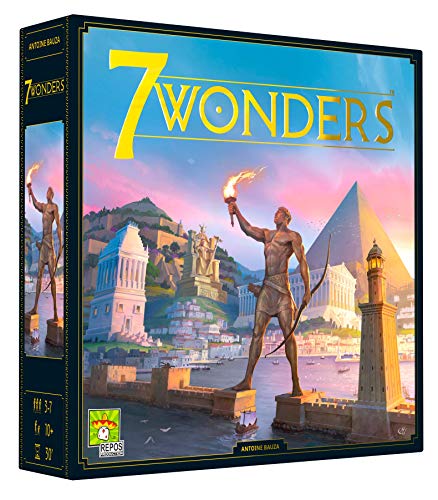
7 Wonders Board Game
7 Wonders is one of those games that keeps growing with your family. When we first played, my son was mostly focused on building the biggest wonder, but now he’s more into strategy, trading, planning, and outsmarting me. It’s a great springboard for talking about ancient civilizations, architecture, and how different cultures achieved remarkable things with limited resources. Every round feels like creating your own version of world history.
Continue Reading
Civilization: A New Dawn
Civilization: A New Dawn is an excellent historical strategy board game for teens and adults. Players guide a civilization through exploration, expansion, diplomacy, and conflict while shaping the future of their empire. Every game unfolds differently, making it a fun way to explore world history, strategy, and decision-making.
Read More
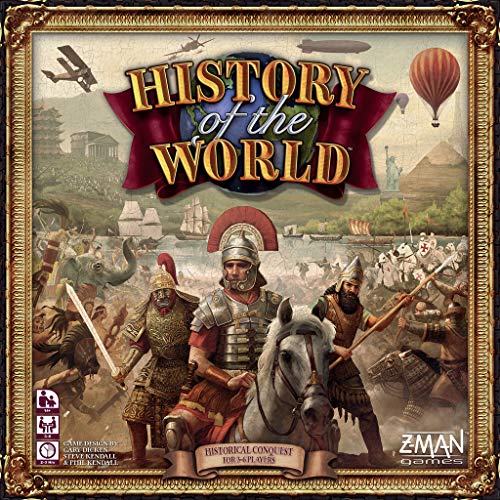
History of the World
We save History of the World for weekends because it’s an epic game that spans centuries. You take command of entire civilizations and watch them rise and fall across different eras. It’s more advanced than most family games, but once we got into it, the storytelling aspect really clicked. Seeing how empires overlap visually on the board makes big historical shifts easier for kids to grasp.
Continue Reading
Monopoly World War II We Are All In This Together
I wasn’t sure we needed another Monopoly edition, but this one surprised me. It uses real World War II locations and themes, which gave us an unexpected way to talk about wartime cooperation and sacrifice. The gameplay still feels familiar, but it sneaks in bits of history that stick, especially when kids start asking about the places on the board.
Continue Reading
7 Wonders Architects
7 Wonders Architects is a streamlined version of the original, ideal for younger kids. You build your own ancient wonder in under half an hour, which makes it great for homeschool afternoons when you want something short but meaningful. It’s colorful, easy to learn, and a fun way to introduce the idea of ancient innovation and competition between civilizations.Related: Wonders of the World worksheets
Continue Reading
Pandemic Fall of Rome
This cooperative version of Pandemic fits perfectly with ancient history studies. Instead of curing diseases, you’re defending the Roman Empire from invading tribes. It’s surprisingly educational, showing how internal pressures and external threats can lead to the fall of a civilization. What I love most is that it’s team-based, kids learn collaboration and problem-solving while absorbing bits of Roman history.
Continue Reading
Cyclades
Set in ancient Greece, Cyclades mixes mythology with military strategy. Players build armies, summon creatures, and compete for dominance over the islands. We enjoyed using it as a light introduction to Greek culture and the idea of city-states. It’s not purely educational, but it definitely brings ancient Greece to life in a way that textbooks can’t.
Continue Reading
Timeline Classic
Timeline Classic is small but brilliant, we keep it in a basket near the table for quick play breaks. You place historical events in the right order, which sounds easy until you mix up something like the invention of the lightbulb with the start of World War I. It’s fast-paced and funny, and every mistake turns into a short history chat. Perfect for reinforcing sequencing and historical perspective.
Continue Reading
Imhotep Builder of Egypt
If your kids are fascinated by ancient Egypt, Imhotep is a must-try. You’re architects competing to construct pyramids, temples, and tombs, which fits beautifully alongside lessons on ancient civilizations. My son loved figuring out how to time his moves to earn the most points, and it gave us a reason to pull out our Egyptian history books afterward. It’s hands-on learning through strategy and storytelling.Related: Hieroglyphics worksheets
Continue Reading
American History Board Games
These American history games bring key periods in U.S. history to the table, including westward expansion and the American Revolution.
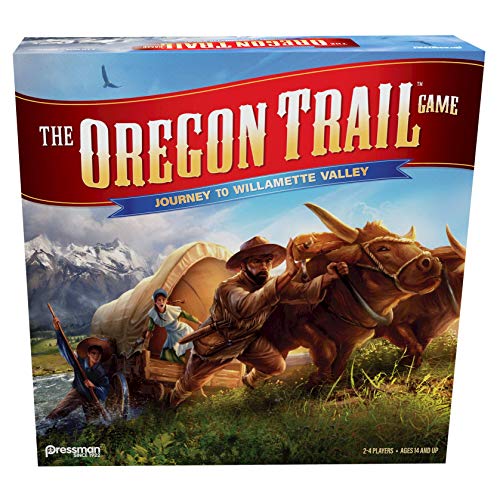
The Oregon Trail: Journey to Willamette Valley
This one is pure nostalgia if you ever played the computer game. My son and I both loved the challenge of keeping our wagon party alive, deciding whether to cross a river, hunt for food, or trade supplies. It’s funny and frustrating in equal measure, but it perfectly captures how difficult life was for pioneers. It quickly turned into a favorite for combining strategy, storytelling, and a dose of American frontier history.
Continue Reading
Catan Histories: Settlers of America
If your kids already enjoy Catan, this version adds a fascinating historical twist. It’s set during the early days of American colonization, where players expand trade routes and build new cities across the continent. When we played it as part of our U.S. history unit, it helped make topics like westward expansion and settlement challenges feel far more real. It’s engaging enough for teens but still accessible for middle-grade learners.
Continue Reading
1775 Rebellion The American Revolution
We used 1775 Rebellion while studying the Revolutionary War, and it made that unit come alive. Players lead either the British or the American forces, managing troops and territories across the colonies. What I love most is that it highlights strategy and cooperation rather than just memorizing dates. It really helped Freddie understand how the war unfolded and why each side made the choices they did.
Continue Reading
American Trivia Game
This one’s a classic for testing how much you really know about U.S. history. We pull it out around holidays like Presidents’ Day or the Fourth of July, and it always turns into friendly competition. The questions mix history, geography, and pop culture, so everyone gets a chance to shine. It’s great for family gatherings and sneaks in a surprising amount of learning without feeling like schoolwork.
Continue Reading
1754 Conquest: The French and Indian War
This game fits perfectly with our early American history lessons. You play as either the French or the British, navigating alliances with Native American tribes and planning tactical moves across the colonies. It’s surprisingly immersive, every decision feels like it could change history. My son came away with a much clearer sense of how geography and alliances shaped the war’s outcome.
Continue Reading
History Trivia Games
Test your knowledge of famous people, events, dates, and discoveries with these history trivia games for teens, adults, and families.
HISTORY Channel Trivia Game
If your family enjoys trivia, the HISTORY Channel Trivia Game is a fun way to explore American history, world history, famous people, and major events. We like pulling this one out for family game nights because everyone can join in, regardless of age. The wide variety of questions makes it a great history game for both kids and adults.Use our free European history trivia quiz and our American history quiz to test the kids knowledge.
Read More
Higher or Lower Trivia Cards
Higher or Lower? History puts a different spin on traditional history trivia. Instead of simply knowing the answer, players have to decide whether a historical fact or figure is higher or lower than the one before it. It’s quick to learn, works with two or more players, and gets kids thinking about historical facts rather than just memorizing them. The compact card format also makes it an easy one to take on trips or use for a quick history activity.
Read More
Placing The Past
Placing the Past quickly became one of our go-to travel games. It’s small enough to toss in a bag, but it packs a great mental workout. You try to line up historical events in the right order, which always sparks conversations about what we’ve covered in history lessons. It’s light, fast, and surprisingly competitive, a good mix of learning and laughter.
Continue Reading
Where Did I Learn That?!
Where Did I Learn That?! is a great trivia game for older kids, teens, and adults who enjoy testing just how much random knowledge they’ve picked up over the years. The set includes 2,000 questions across history, geography, science, and general knowledge, with five questions on each card. You can play head-to-head, in teams, or use timed rounds, making it an easy choice for family game nights as well as a fun way to reinforce history knowledge.
Read More
Historical Strategy Games
These strategy board games use historical settings, conflicts, trade, and diplomacy to challenge players to plan ahead and make difficult decisions.
Carcassonne Board Game
While Carcassonne isn’t a “history game” in the strict sense, its medieval setting is a fun way to talk about castles, roads, and the daily life of the Middle Ages. We like using it as a relaxed end-of-week game, it keeps kids thinking strategically without feeling like schoolwork. The fact that every game builds a different medieval landscape makes it great for imaginative discussion about European history and architecture.You can read our Carcassonne review for more details.
Continue Reading
Diplomacy Cooperative Board Game
We tried Diplomacy during a history unit on early 20th-century Europe, and it’s no exaggeration to say it taught more about alliances and betrayal than any textbook could. It’s definitely for older kids or teens since it involves deep negotiation and patience. After one game, my son completely understood why World War I alliances got so complicated, it’s a living lesson in trust and strategy.
Continue Reading
Splendor
Splendor highlights the trade, wealth, and craftsmanship of the Renaissance period. My son enjoys the balance of math and strategy, and it always leads to questions about real Renaissance merchants and the rise of cities like Florence. It’s quick, smart, and ideal for kids who like games that reward planning ahead.This is one of the top board games for 10 year olds too!
Continue Reading
Axis & Allies 1942 Second Edition WWII Strategy Board Game
This one takes some setup time, but it’s incredible for teens studying World War II. You control major powers, plan attacks, and manage resources, essentially stepping into the shoes of wartime leaders. It sparked some serious discussions in our house about strategy, geography, and the realities of global conflict. It’s one of the deepest history-based games you can play at home.Related: Famous dictators worksheets
Continue Reading
How to Use History Board Games for Learning
History board games work well alongside history lessons, helping kids connect what they’re learning to real events, people, and time periods. We’ve used them before starting a new unit, as a review activity at the end of a topic, and simply as a fun way to reinforce learning during family game nights.
Some games focus on specific periods, such as Ancient Egypt, Ancient Greece, the American Revolution, or World War II, while others explore broader world history through timelines, trivia, and strategy.
Pairing a game with books, documentaries, or worksheets can help kids explore the people and events featured in the game in more detail. They also make thoughtful gifts for kids who enjoy history.
Beyond history itself, many of these games encourage critical thinking, strategy, problem-solving, and discussion while spending time together.
Last Updated on 28 September 2026 by Clare Brown