
Homeschool Curriculum for Kids With ADHD

Finding a homeschool curriculum for ADHD isn’t about chasing the perfect program. It’s about figuring out what keeps your child interested, moving forward, and not completely burnt out by lunchtime.
Traditional school was a struggle for my son. He needed more movement, shorter lessons, and the freedom to switch things up when boredom hit (which was often).
Once we started homeschooling, I realized how much easier learning became when we worked with his attention span instead of fighting it.
Some days that meant hands-on projects. Other days it meant videos, audiobooks, or quick lessons broken into small chunks. What mattered most was flexibility.
Over time, we’ve found curriculum choices and routines that actually work for an ADHD learner, not in theory, but in real life. In this guide, I’m sharing what’s kept my son engaged across subjects, along with practical strategies that made homeschooling smoother for both of us.
**This post may contain affiliate links. As an Amazon Associate and a participant in other affiliate programs, I earn a commission on qualifying purchases.**
ADHD Homeschool Curriculum
Finding a curriculum that works for an ADHD learner usually takes some experimenting. What keeps one child focused can completely lose another.
With my son, boredom hits fast, so sticking to a single program long-term rarely works. We’ve tried a lot over the years and learned that variety, shorter lessons, and interactive materials make a big difference.
Below are the homeschool curriculum options that have worked best for us across different subjects.
Homeschool Math
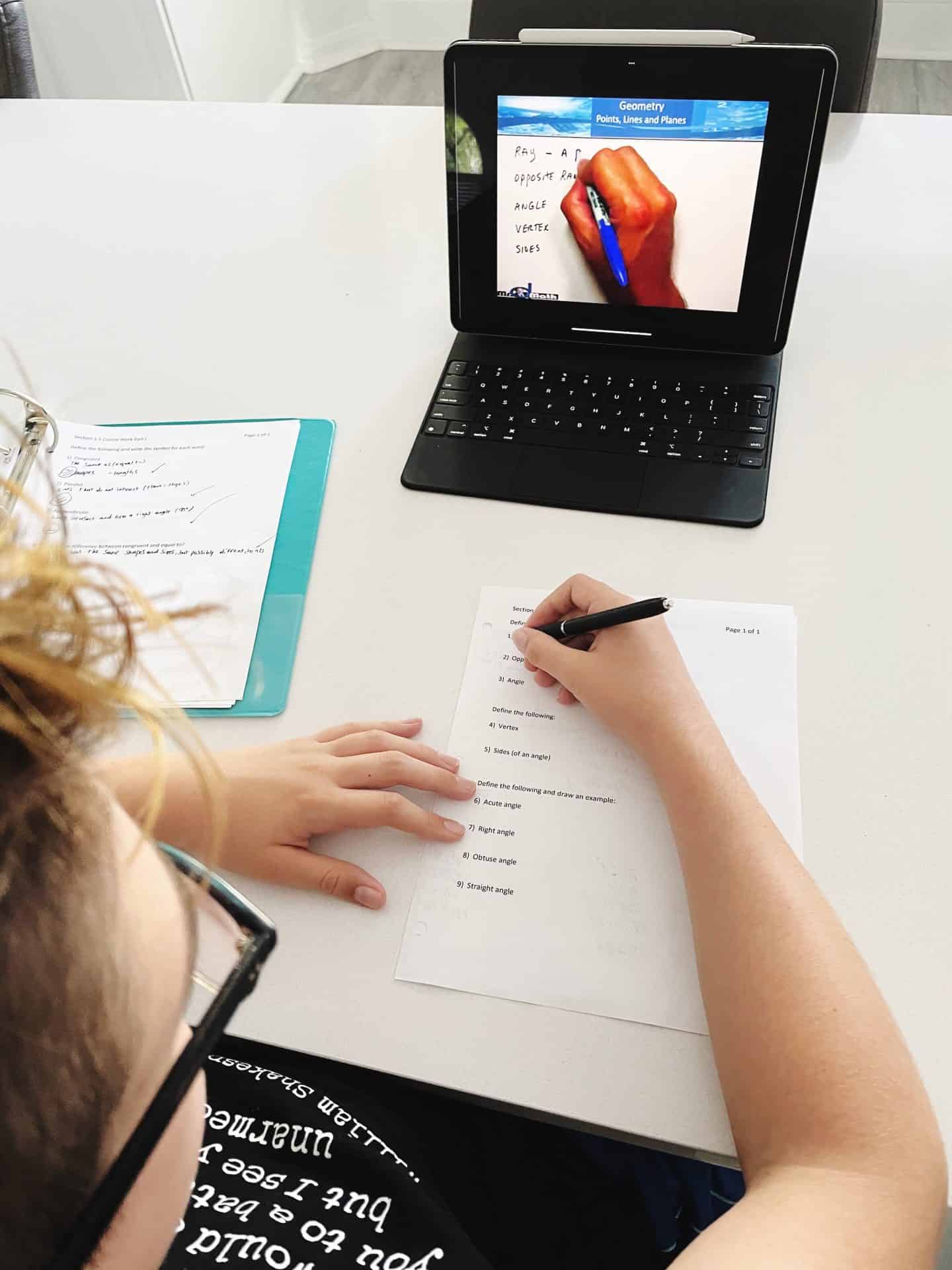
Math has always worked better for my son when it isn’t the same format every year. We’ve rotated between Mr D. Math and Teaching Textbooks, depending on what he needed at the time.
Some years he preferred video-based lessons he could pause and rewind. Other years, the built-in practice and instant feedback helped more. Switching things up kept math from becoming a daily battle and made it easier for him to stay engaged.
If you’re still experimenting, it can help to look at a dedicated homeschool math curriculum for ADHD to see which formats tend to work best for attention-challenged learners.
Science
For elementary and middle school, we had great results with Pandia Press as part of our middle school homeschool curriculum. The lessons felt manageable and didn’t overload him with busywork.
Once his interests shifted in high school, we moved into Guest Hollow’s Anatomy, which clicked immediately because it lined up with what he was curious about.
On lower-focus days, we mixed in short educational videos alongside reading. That balance helped reinforce concepts without forcing long textbook sessions when his attention just wasn’t there.
Homeschooling Language Arts
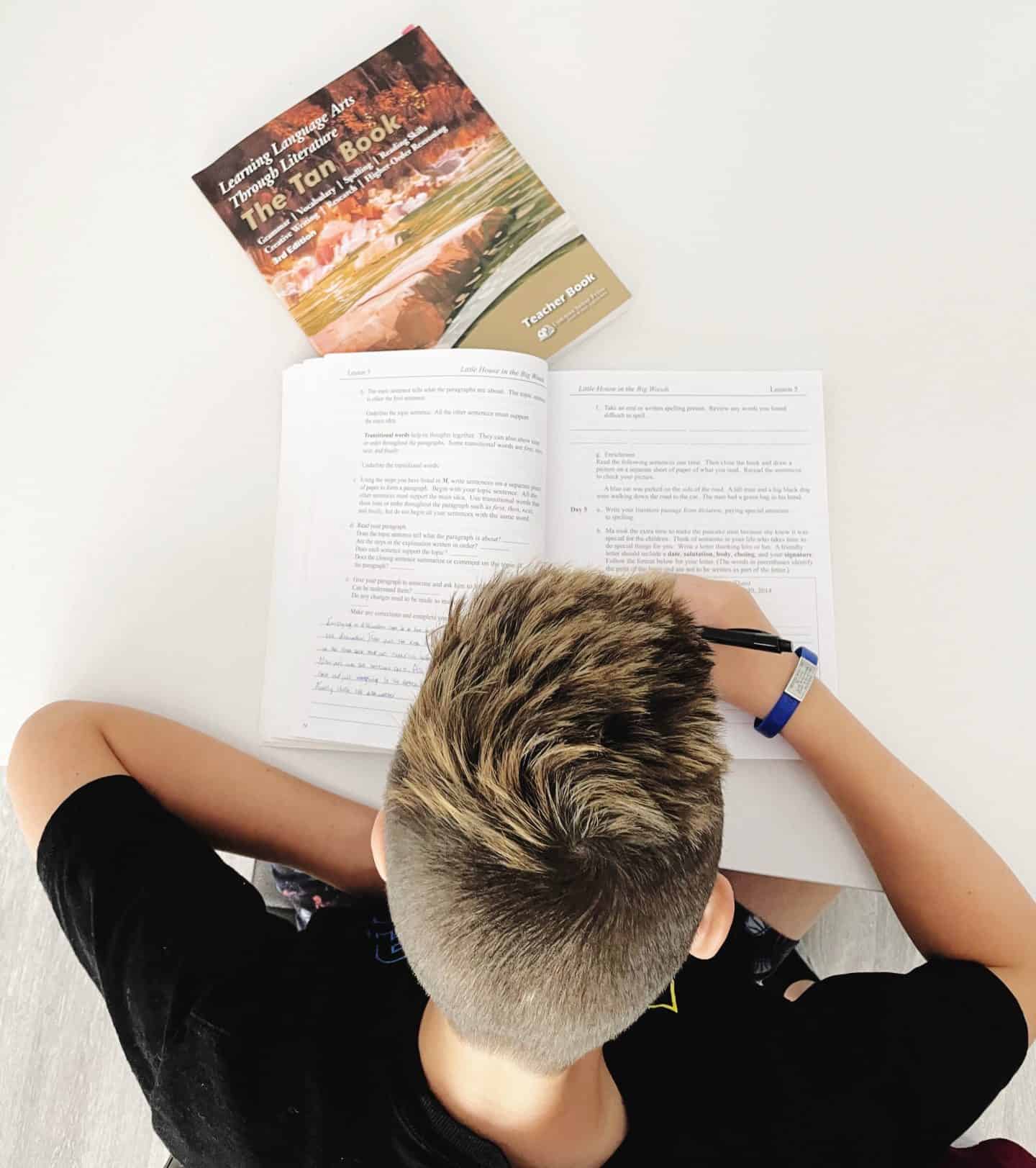
Language arts needed to feel practical and not overwhelming. We’ve used Common Sense Press for years because the lessons are straightforward and easy to pace.
When he was younger, Night Zookeeper made writing feel like a game instead of an assignment, which helped build confidence without constant resistance.
Having a mix of structured practice and creative work made a big difference in keeping him interested.
History Curriculum
History stuck best when it was story-driven instead of worksheet heavy. We used Sonlight for several years, even as secular homeschoolers, because the narrative approach kept him listening and asking questions.
We’ve also used Pandia Press again at different stages when we wanted something more compact and flexible. Both worked well when attention spans were short but curiosity was high.
Foreign Language
When my son decided he wanted to learn Japanese, we went with Japanese from Zero.
The slow progression and clear explanations made it easier for him to stick with, and letting him choose the language himself boosted motivation more than any curriculum switch ever could. Interest matters a lot with ADHD, when kids care about the subject, focus comes much more naturally.
Choosing a Curriculum That Actually Works
What worked best for us wasn’t one perfect program. It was building a mix of structure and flexibility around how my son learns.
Some days he needs clear goals and a checklist. Other days he needs movement, shorter lessons, and a change of pace. Homeschooling made it possible to adjust instead of forcing him through a routine that wasn’t working.
Along the way, we focused less on finishing everything and more on keeping learning manageable and positive.
If your child is struggling with ADHD, I highly recommend starting with some of the best ADHD books for kids to help them better understand and manage their condition.
Setting Smaller, Clear Goals
Long assignments were overwhelming for my son, even when he understood the material. Breaking work into smaller steps made a huge difference.
Instead of “finish this chapter,” we’d start with something simple, pick a topic, jot down a few notes, write one paragraph. Once that was done, we moved to the next step.
Some weeks he was excited and moved quickly. Other weeks we slowed everything down. Letting the pace change based on energy and focus kept school from turning into a constant battle.
Mixing How Lessons Are Taught
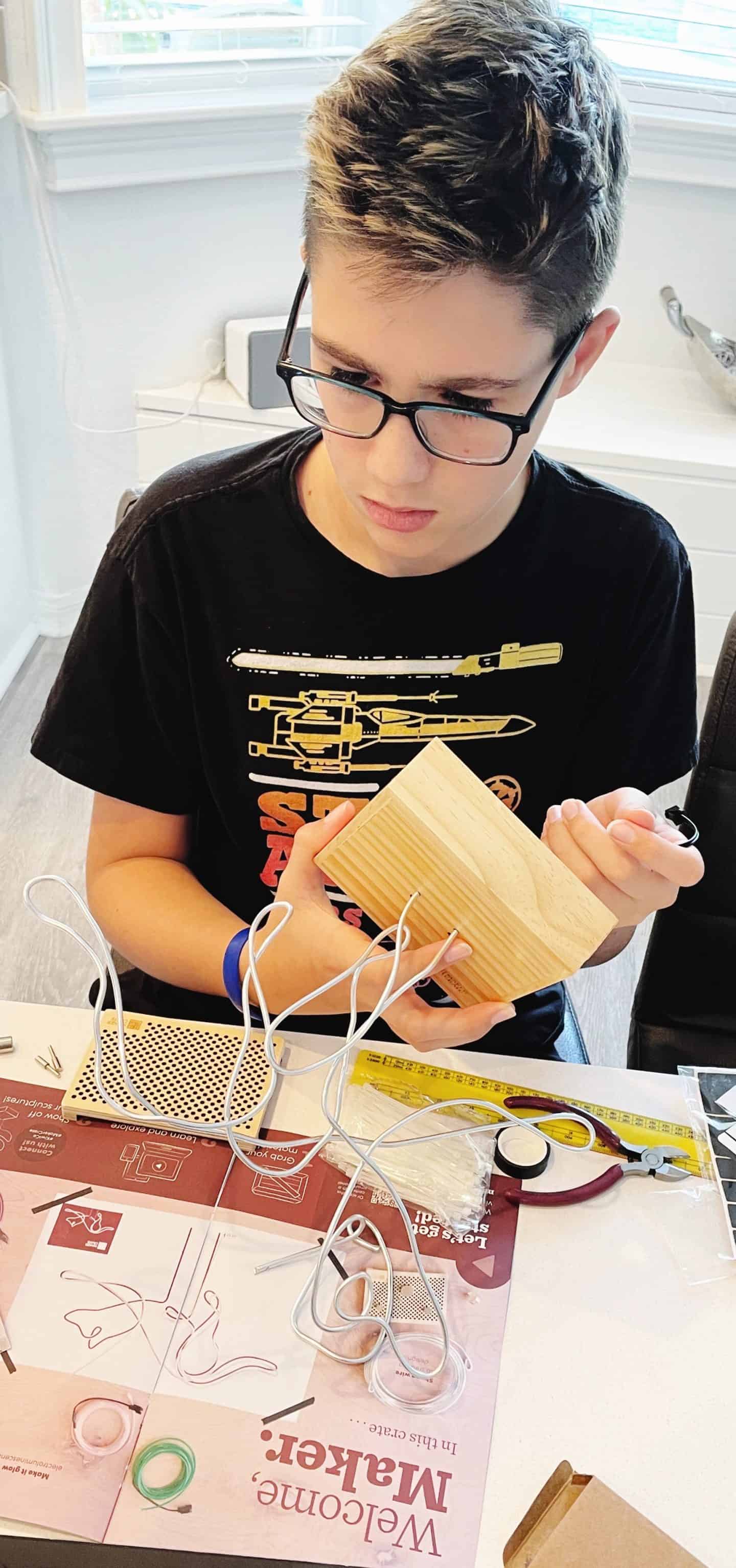
Reading from a textbook for long stretches rarely worked in our house. My son learned better when lessons included movement, visuals, or something hands-on.
We rotated between short videos, diagrams, building projects, audiobooks, and reading together. Science especially clicked when he could see concepts in action instead of just reading about them.
On days when focusing on text felt impossible, listening or watching kept learning moving without frustration.
Keeping the Day Structured – but Not Rigid
A loose routine helped a lot, but strict schedules didn’t.
Short learning blocks worked best for us, usually 20 to 30 minutes at a time, followed by a quick break to move around, grab a snack, or reset.
We used simple visual schedules so he knew what was coming next, but we weren’t afraid to change plans if focus was gone. Some days leaned heavy on reading. Other days were mostly hands-on or outdoors.
Having a plan without being locked into it made homeschooling feel calmer for both of us.
Making Organization Simple
Staying organized was (and still is) a challenge.
Whiteboards for daily tasks, sticky notes for reminders, and quick checklists helped keep work from disappearing. Keeping his workspace uncluttered also made a big difference, fewer distractions meant less frustration.
We experimented with things like fidget tools, standing while working, and different seating until we found what helped him focus best.
These sensory toys for ADHD helped my son reset during breaks and focus better afterward.
Adding Motivation and Projects
When learning felt connected to something fun or hands-on, my son was far more engaged.
History turned into timelines, short projects, and documentaries instead of just reading. Bigger assignments were always broken into smaller steps so they didn’t feel overwhelming.
We also used simple rewards, not constantly, but enough to build momentum and positive habits. Finishing work led to something he enjoyed, which made starting easier next time.
If you’re looking for more support, these ADHD books for parents helped me understand what my son needed.
Last Updated on 6 February 2026 by Clare Brown
