
Best Toys for Kids with ADHD


Finding the best toys for kids with ADHD can take some trial and error. When my son was diagnosed with ADHD at nine, I quickly learned that the toys he returned to most were the ones that gave him something to build, move, squeeze, or focus on.
Over the years, we tried everything from fidget toys and kinetic sand to LEGO, puzzles, weighted toys, and outdoor activities. Some helped him settle during transitions, while others kept his hands busy when he needed to concentrate.
These are the ADHD toys that worked best in our house, particularly between ages 7 and 11, with options for sensory play, movement, creativity, and quiet focus.

**This post may contain affiliate links. As an Amazon Associate and a participant in other affiliate programs, I earn a commission on qualifying purchases.**
Fidget Toys for Kids with ADHD
I resisted fidget toys at first because they felt like another trend, but they ended up being surprisingly useful for us. When his hands were busy, my son often found it easier to stick with reading, schoolwork, or long car rides.
A fidget spinner worked well when he could move a little more freely, while a fidget cube was better for quiet desk work. They weren’t a magic fix, but they gave his hands something to do without demanding much attention.
Kinetic Sand
Kinetic sand was one of the sensory toys that surprised me most. On days when everything felt a little too much, my son would sit and press it flat, cut it, shape it, and start again. There were no instructions to follow or rules to remember.
We often used it as a quiet reset between harder lessons. The repetitive, hands-on play gave him something simple to focus on without turning it into another task.
Weighted Toys and Blankets
Weighted toys were another option we found useful when my son needed something calming rather than stimulating. A weighted plush could sit on his lap during quiet time, while a weighted blanket was something he preferred when winding down at the end of the day.
For us, the appeal was the steady pressure and comfort. He would sometimes reach for them himself on overwhelming days, which was usually a good indication that they were worth keeping around.
LEGO and Building Toys
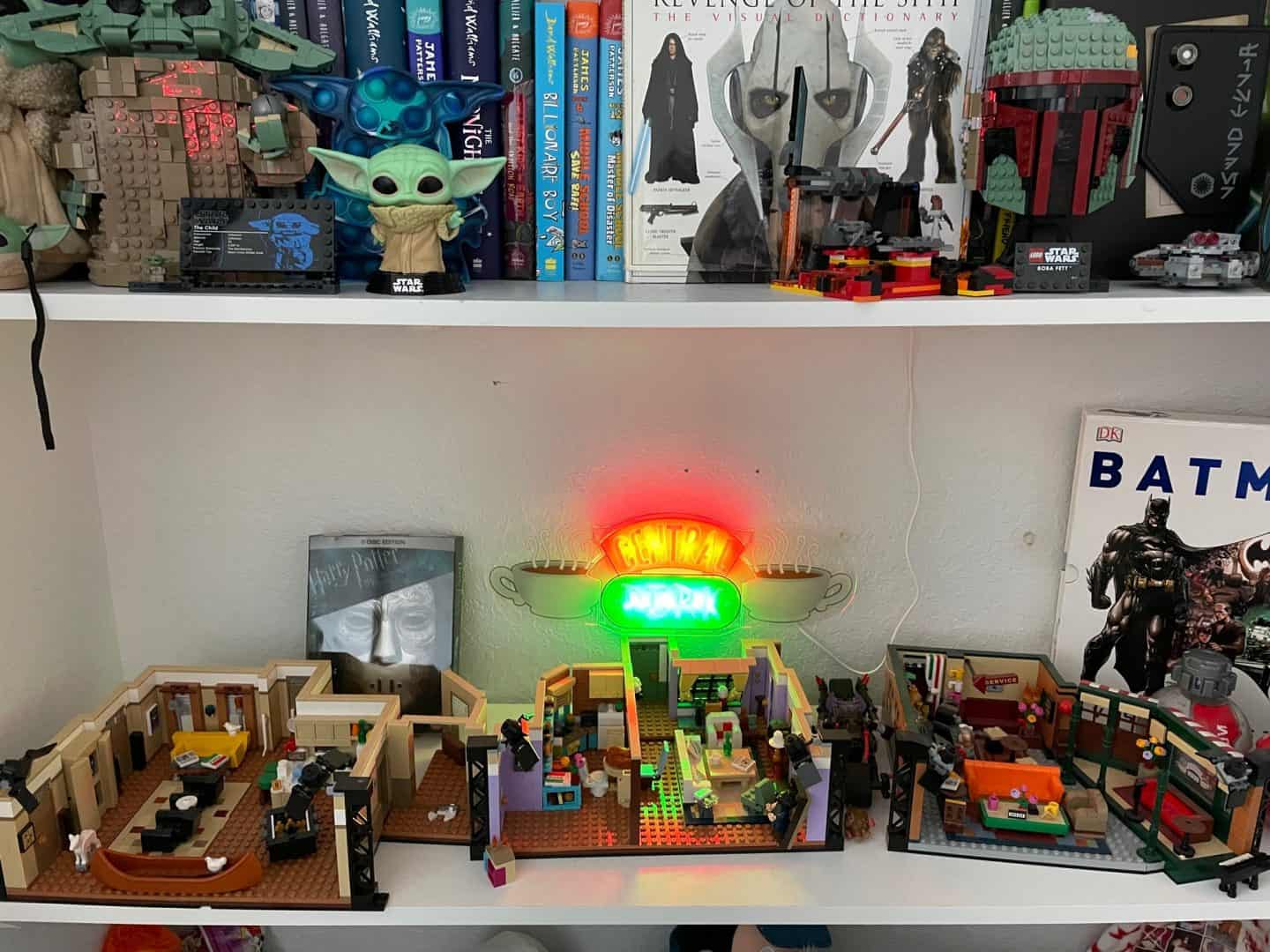
LEGO has always been one of the best toys for holding my son’s attention. Give him a build with a clear goal and he can stay with it far longer than I’d expect, working through mistakes rather than immediately giving up.
I particularly like building toys because they keep both his hands and brain busy. If something doesn’t fit or a section collapses, he has to stop, work out what went wrong, and try again. For him, that kind of problem-solving has always made focusing feel much more natural.
Interactive Learning Toys
Screen time can be tricky for us, but interactive learning toys have always worked differently from passive scrolling. My son responds well to clear goals, problem-solving, and immediate feedback, especially when there’s something specific to complete.
Coding games, learning tablets, and other hands-on educational toys can give that screen time more structure. We particularly liked the LeapFrog learning tablet when he was younger because the activities were short enough to hold his attention without becoming overwhelming.
Puzzles and Logic Games
Puzzles can be hit or miss for my son. If they’re too easy, he loses interest quickly, but if they’re frustratingly difficult, he’s just as likely to walk away. The sweet spot has always been something that makes him think without feeling impossible.
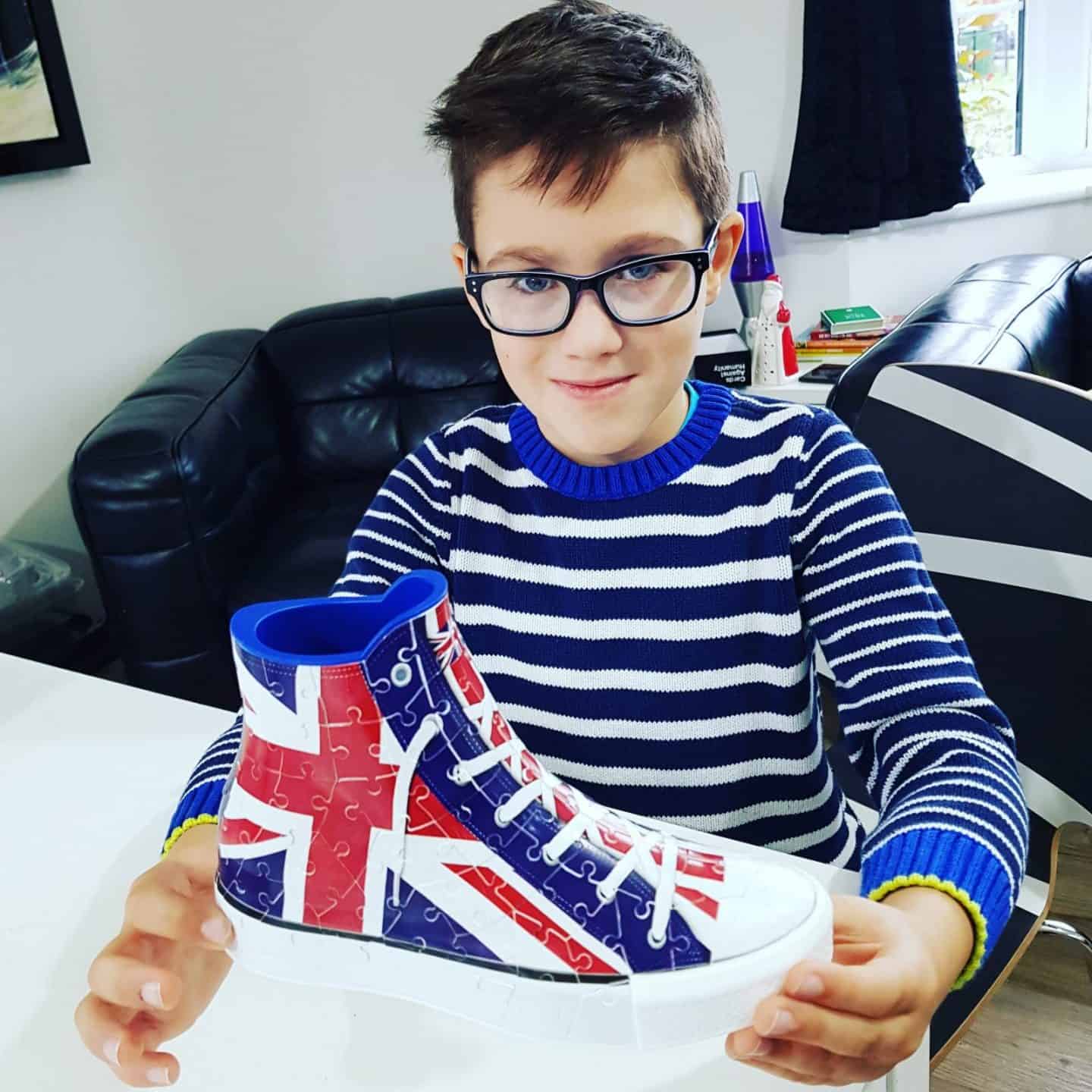
Jigsaw puzzles, 3D puzzles, and logic games worked particularly well because there was a clear goal to work toward. Once he was invested in solving one, he could stay focused far longer than he would on an activity that felt repetitive or open-ended.
Outdoor and Movement Toys
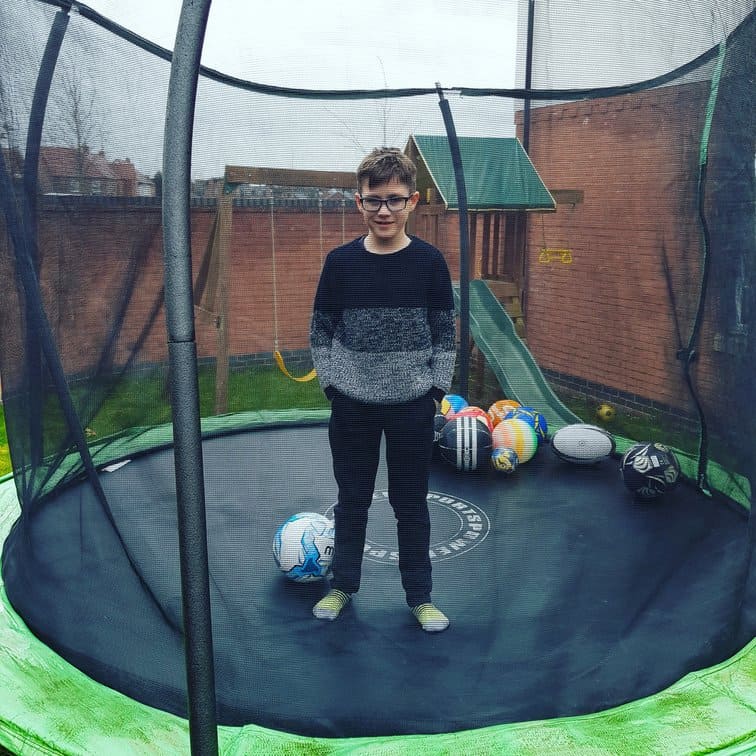
Movement has always made a noticeable difference for my son. If he had a chance to burn off some energy first, sitting down for schoolwork afterward was usually much easier than trying to make him concentrate straight away.
Trampolines, bikes, scooters, and other outdoor toys gave him that physical outlet without making it feel like exercise or another scheduled activity. At this age, I found it much easier to work with his need to move than constantly ask him to sit still.
Art Supplies
Art supplies have always been an easy option when my son needs something creative to do without lots of rules. Some days he’ll sit and draw carefully for ages; other days it’s quick sketches, markers, or anything that lets him get an idea onto paper.
I’ve found it helps to keep basic supplies somewhere he can easily reach them. Sketchbooks, colored pencils, markers, and simple craft materials give him something to pick up whenever he needs a break without me having to plan an activity first.
Musical Instruments
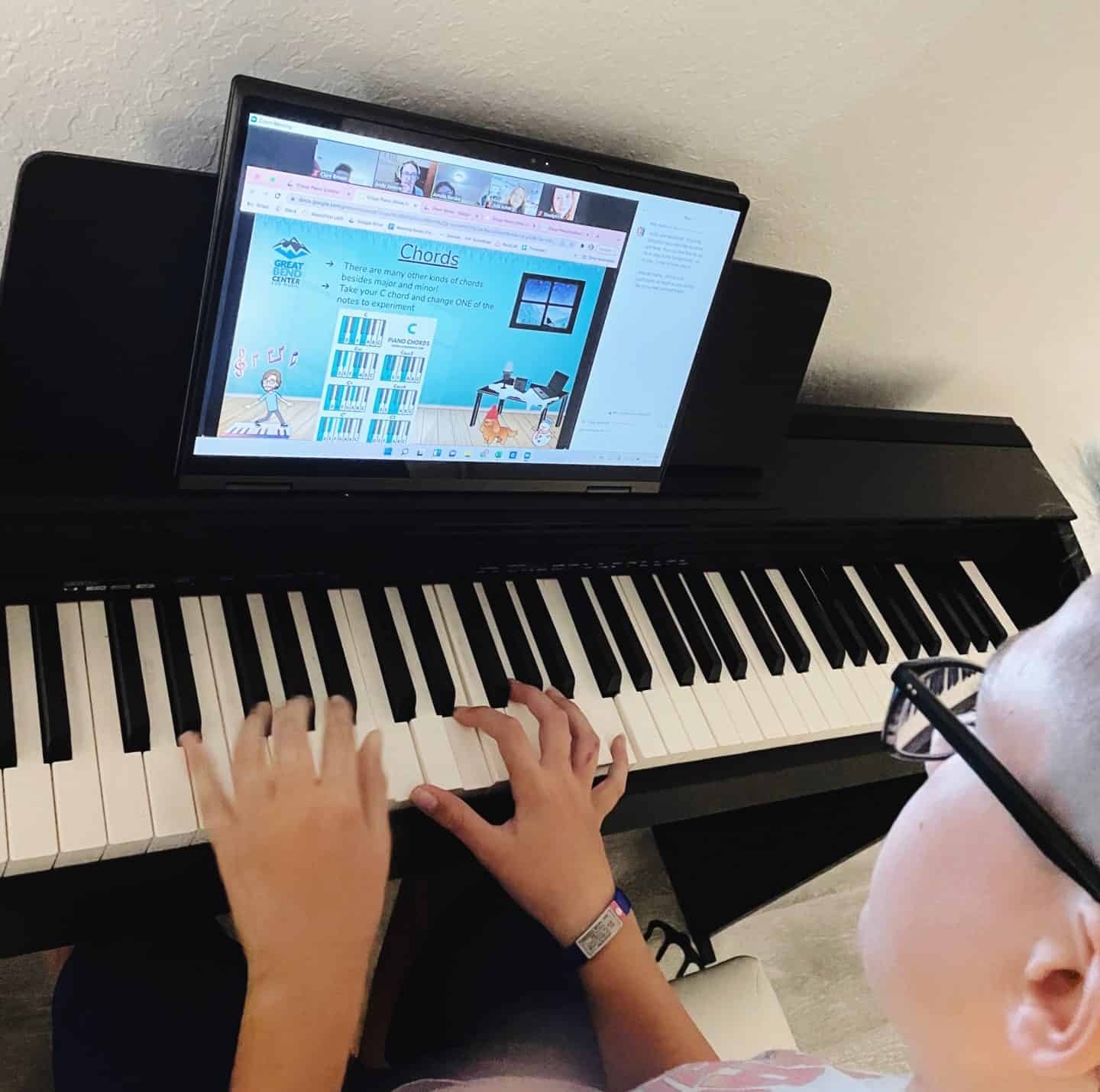
Music gives my son something specific to concentrate on while still keeping his hands busy. Learning a short piece on the keyboard or repeating the same rhythm gives him a clear goal without requiring him to sit completely still.
We’ve found instruments particularly useful because there’s immediate feedback. He can hear straight away whether something sounds right and try again if it doesn’t. For him, that combination of repetition, movement, and a clear result can hold his attention surprisingly well.
Sensory Toys for ADHD
We kept a small basket of sensory toys near my son’s desk so he could grab something when he needed it. Squishy balls, textured toys, and other simple sensory items worked better for us than anything complicated or noisy.
He didn’t use them constantly, but they were particularly useful during transitions or when he needed something to do with his hands. I found the best sensory toys for ADHD were often the simplest ones, especially if they were easy to reach without interrupting what he was already doing.
If you’re also trying to figure out the academic side, I’ve shared what worked for us in our homeschool curriculum for ADHD.
What I Pay Attention to When Choosing Toys
Not every toy works for every child. I’ve bought things that looked perfect online and were forgotten within two days.
With my son, I learned to pay attention to what actually kept him engaged. Toys that kept his hands busy often held his attention longer, while movement before a quieter activity made it easier for him to settle. If something was too complicated, he walked away. If it was too open-ended, it sometimes became more chaotic than helpful.
The toys he returned to most were sturdy, repeatable, and challenging enough to stay interesting without becoming frustrating. That became a much better guide for me than simply looking for something labeled as an ADHD toy.
If you’re looking for more ideas beyond toys, I’ve also shared the ADHD books for parents that helped me most, along with kids’ books about ADHD that made some of those conversations easier in our house.
Last Updated on 22 September 2026 by Clare Brown
