When my son was diagnosed with ADHD at nine, I started searching for ADHD books for parents that could help me understand what was actually happening day-to-day, not just the clinical definition.
We had already begun homeschooling a child with ADHD the year before because the traditional classroom wasn’t working for him, so I needed guidance that was practical enough to use during real lessons and routines.
The titles below are the ones I kept coming back to as we figured out structure, expectations, and how to reduce some of the daily frustration that came with attention challenges.
Now that we’re parenting a teenager, I still have several of these within reach. They didn’t fix everything, but they gave us approaches that made both home life and learning far more manageable.
**This post may contain affiliate links. As an Amazon Associate and a participant in other affiliate programs, I earn a commission on qualifying purchases.**
ADHD Books for Parents We Returned to Most
When our son was first diagnosed, I spent weeks trying to find books that actually explained what day-to-day life with ADHD looks like. These are the ones we either used regularly or returned to more than once.
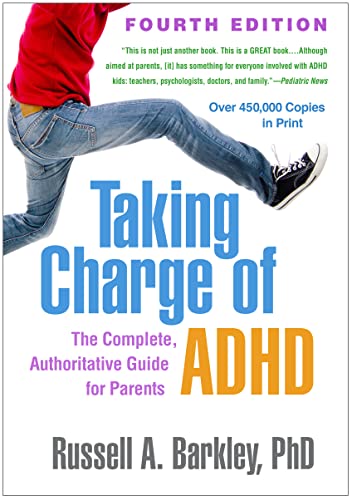
Taking Charge of ADHD
This was the first book I picked up after the diagnosis because I genuinely had no idea what ADHD actually meant beyond the label. What stuck with me wasn’t just the explanation, but the practical examples of what everyday behavior can look like at home. I remember using some of Barkley’s routine suggestions almost immediately during our morning start, because transitions were where we struggled most.
Read More
ADHD: What Every Parent Needs to Know
This became more of a reference book than something I read straight through. Whenever a new issue came up, sleep, medication questions, school support, I found myself flipping back to specific sections. It helped cut through a lot of conflicting advice online and gave me something factual to rely on when everything still felt new.
Read More
How to Parent Children with ADHD: 48 Techniques & Strategies
This one is very practical. Some of the ideas were small enough to try the same day, like changing how I gave instructions or breaking tasks into shorter chunks. Not everything worked for us, but a few adjustments noticeably reduced how quickly things escalated during lessons or even simple things like getting ready to leave the house.Related: Best puzzle books for ADHD kids
Read More
Parents and ADHD: Learning to Love and Support Your Child
I read this during a stretch where I was honestly more tired than anything else. It focuses less on strict behavior systems and more on understanding how your child experiences situations that look simple from the outside. On slower days, it helped me reframe progress as “we got through this without a meltdown” rather than expecting perfect routines.
Read More
The Ultimate Toolkit for Parenting ADHD
This isn’t a book I sat down and read cover-to-cover. We dipped into it whenever we needed ideas for structure, especially around homework time. Some of the checklists were easy to adapt without turning the whole day upside down, which made it more realistic to actually use instead of just bookmarking.Related: See our favorite toys for ADHD kids that help.
Read More
The Essential Guide to Raising Complex Kids with ADHD, Anxiety, and More
This was helpful once we realised attention issues weren’t happening on their own. It explains how anxiety or overwhelm can show up alongside ADHD, which matched what we were seeing at home. It gave me permission to step back on days when behavior clearly came from overload rather than stubbornness.
Read More
Parenting Boys with ADHD
We read parts of this during a phase when energy levels were… constant. What I liked was that it didn’t expect you to eliminate that energy, just redirect it. Some of the examples were close enough to our own daily situations that it was easy to see where we could change our approach instead of reacting out of frustration.
Read More
The ADHD Parenting Guide for Girls
Even though this one focuses on girls, I still found it useful because it highlights how ADHD doesn’t always look obvious. It talks about quieter signs that can easily be missed, especially as kids get older. Reading it made me rethink a few behaviors I might otherwise have brushed off.
Read More
The ADHD Workbook for Kids
We didn’t treat this like a traditional workbook that had to be completed start to finish. Instead, we dipped into individual activities when we were working on specific skills like emotional regulation or problem solving. Going through some of the exercises together gave me a better sense of how he was processing situations, which often told me more than any conversation would have.
Read More
Listen to Your Explosive Child
This one came into play during a phase where emotional outbursts were becoming more frequent. What I appreciated most was the focus on identifying triggers instead of only reacting to behavior after the fact. A few of the suggested approaches were simple enough to try immediately, and even small adjustments reduced the number of conflicts we were having over everyday expectations.
Read More
ADHD Raising an Explosive Child
I picked this up during a period when reactions at home were escalating quickly over things that seemed minor on the surface. The biggest takeaway for me was learning to pause and look at what was happening before the outburst, not just the behavior itself. Some of the suggestions around de-escalation were surprisingly simple, but using them consistently made everyday situations feel less tense.
Read More
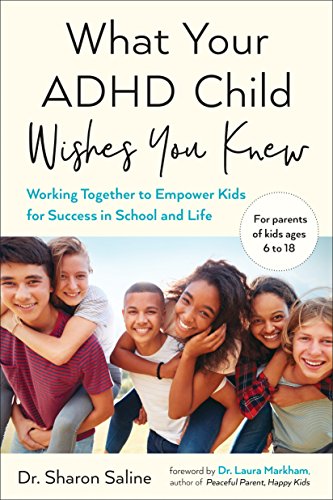
What Your ADHD Child Wishes You Knew
This one shifted my perspective more than I expected. Instead of focusing only on managing behavior, it looks at how ADHD feels from the child’s side, especially around motivation and confidence. After reading it, I changed how I approached conversations about mistakes and expectations, which reduced a lot of defensiveness and helped us work together more.Related: Best math curriculum for ADHD students.
Read More
Parenting Children With ADHD: 10 Lessons That Medicine Cannot Teach
I appreciated that this book doesn’t treat medication as the only path forward. It spends more time on routines, environment, sleep, and consistency, all the things that actually shape day-to-day life. We ended up applying several of the structure-based suggestions during our homeschool schedule, which made transitions between subjects smoother.
Read More
ADHD 2.0
This one felt more research-focused but still readable. I found it useful for understanding newer thinking around executive function, motivation, and how ADHD strengths can be supported rather than suppressed. It’s not something I used for step-by-step parenting scripts, but it helped me rethink expectations and recognize where encouragement worked better than constant correction.
Read More
7 Vital Parenting Skills for Teaching Kids With ADHD
This is a fairly straightforward, practical read that focuses on everyday interactions rather than big theory. Some of the suggestions around giving clearer instructions and breaking tasks into smaller pieces were things we could implement immediately. It’s the kind of book that’s most helpful when you want simple adjustments that reduce friction during routines.
Read More
Parent-Teen Therapy for Executive Function Deficits and ADHD
I came to this one later, once we were firmly into the teenage years and the challenges had shifted toward independence, motivation, and organization. What stood out was how practical the advice felt for older kids who need more ownership over their routines. Instead of focusing only on parental control, it emphasizes gradually handing responsibility over while still providing structure. We’ve been using some of the planning and accountability ideas as he works through high school, and they’ve helped conversations about deadlines feel less like constant reminders.
Read More
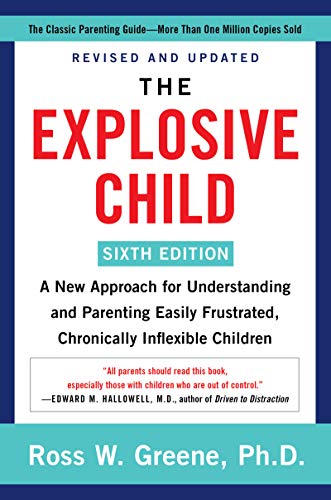
The Explosive Child
This book changed how I interpreted difficult behavior more than almost anything else we read. Greene’s Collaborative & Proactive Solutions approach encouraged me to look at lagging skills rather than assuming willful defiance, which shifted how we handled conflict at home. It takes more patience than quick discipline strategies, but once we started applying it consistently, arguments became less frequent and less intense. It’s one of the few parenting books I still reference when new challenges come up.
Read More
Managing Life with an ADHD Diagnosis: Practical Insights for Parents
Getting the ADHD diagnosis was honestly a mix of relief and worry. On one hand it finally explained why everyday things like lessons, routines, and even basic chores kept turning into battles. On the other, it left me wondering what we were supposed to do next.
As he got older, the challenges didn’t disappear, they just changed shape. Focus issues started showing up in friendships, confidence, and schoolwork. Learning that ADHD isn’t caused by one single thing helped me stop second-guessing every decision and instead concentrate on what actually helped him function day-to-day.
There wasn’t one strategy that fixed everything. We tried behavior approaches, parent coaching, and advice from professionals. Some families choose medication such as Vyvanse or atomoxetine; for us, structure and consistent routines made the biggest difference at that stage.
For us, homeschooling meant accepting that some days were productive and others just weren’t, no matter how well I planned, which is why choosing the right homeschool curriculum for ADHD made such a difference over time.
A few of the books above gave me very practical language for handling conflict, while others simply reassured me that what we were experiencing wasn’t unusual.
We also used a handful of ADHD books for kids so he could start understanding his own brain instead of feeling like he was constantly “getting things wrong.” That alone reduced a surprising amount of tension in our house.
None of these were magic fixes, but together they gave us tools we still use now.
Last Updated on 10 February 2026 by Clare Brown