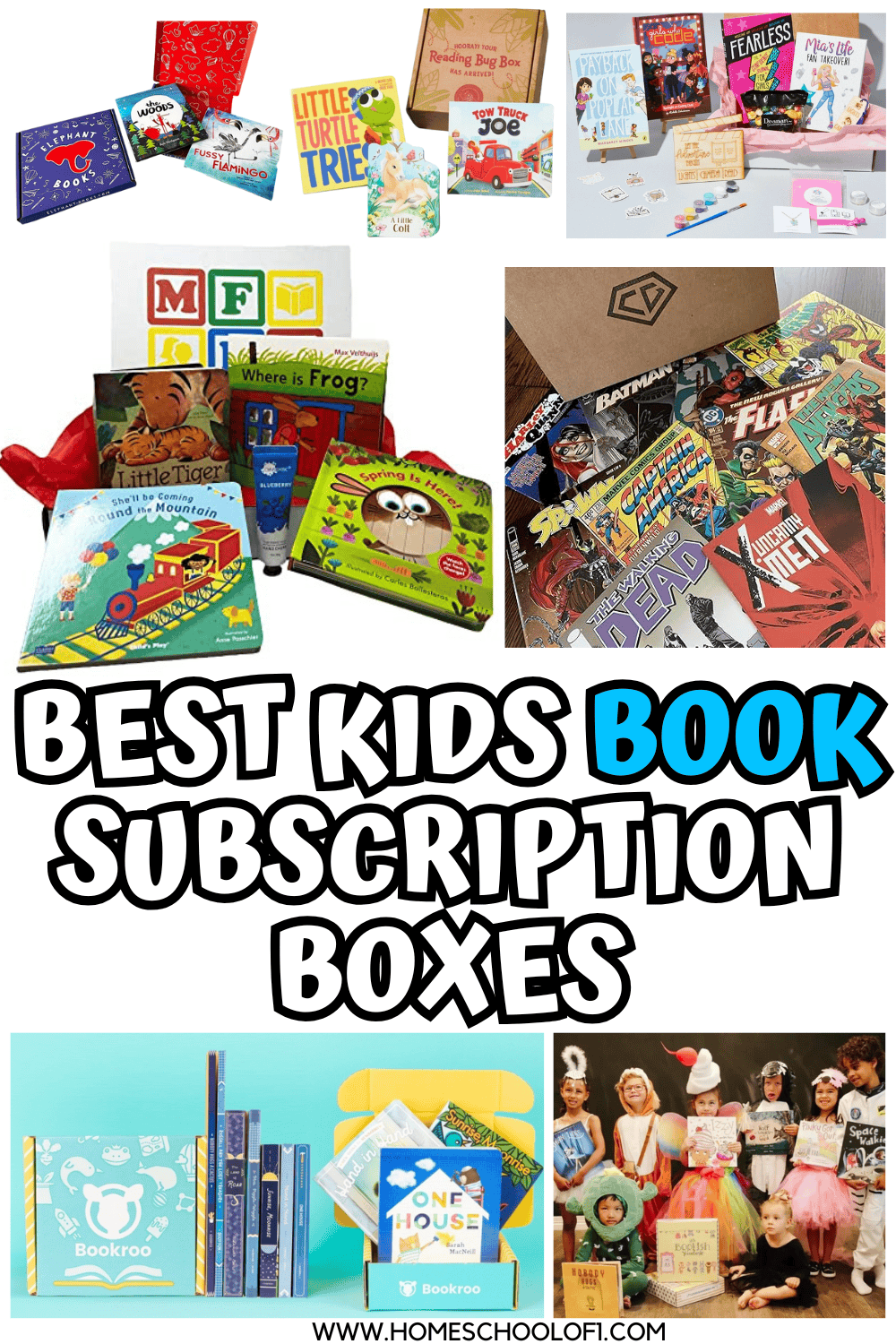
A book subscription for kids is one of the easiest ways to keep fresh reads in the house without overthinking it.
When Freddie was younger, anything that arrived “for him” made reading feel like an event, even when his interests were changing fast.
These monthly book boxes cover everything from board books and picture books to middle-grade and comics, so you can match the picks to your kid, not the other way around.
**This post may contain affiliate links. As an Amazon Associate and a participant in other affiliate programs, I earn a commission on qualifying purchases.**
Monthly Book Subscription Boxes
Not all book boxes work the same way. Some are fully personalized, others follow a theme, and a few include extras like crafts or collectibles.
Before choosing one, it helps to think about your child’s reading level, how picky they are about topics, and whether you want just books or a full experience.
We’ve tried a mix of these over the years, some short-term, some longer, and the difference between a good box and a forgettable one is surprisingly noticeable.
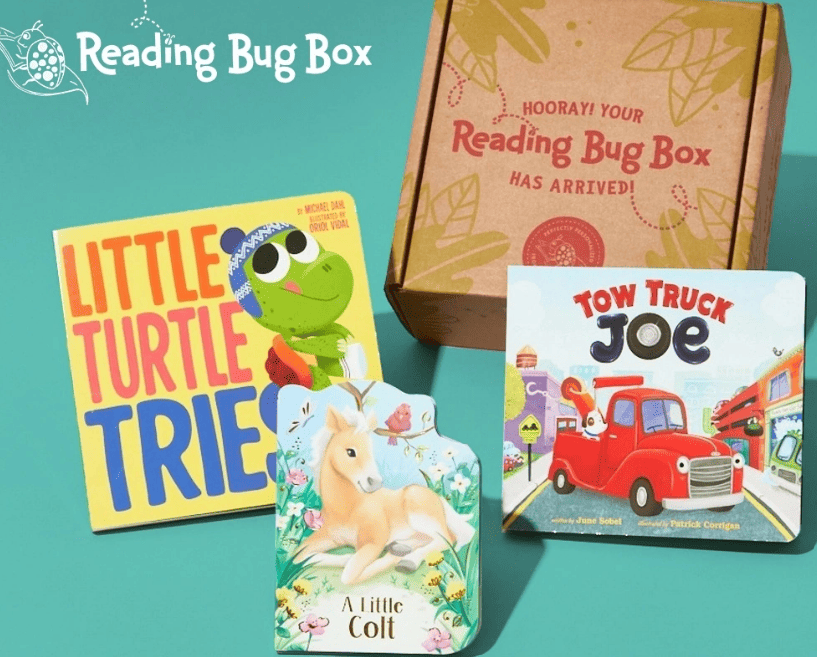
Reading Bug Box
Reading Bug Box feels genuinely personalized. If your child goes through intense phases (dinosaurs only, graphic novels only, absolutely no “baby” books), this one tends to get it right more often than not. The selections feel considered rather than bulk-picked. It’s one of the few subscriptions that doesn’t feel interchangeable with the next box on the list.
Read More
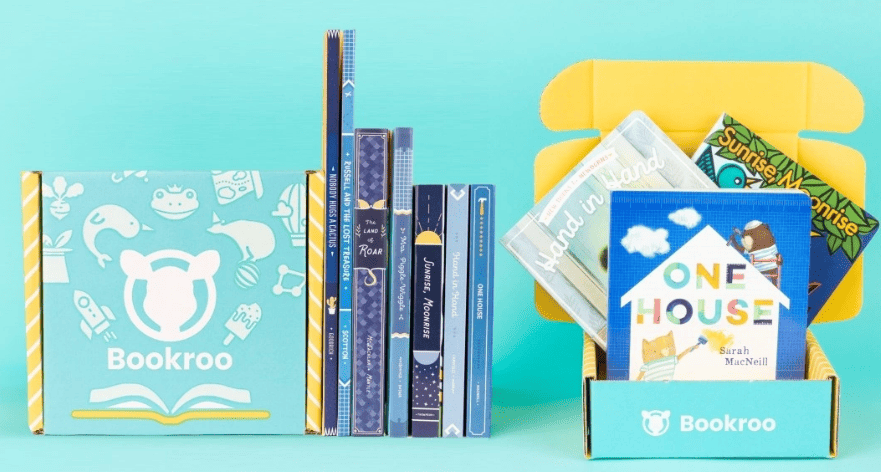
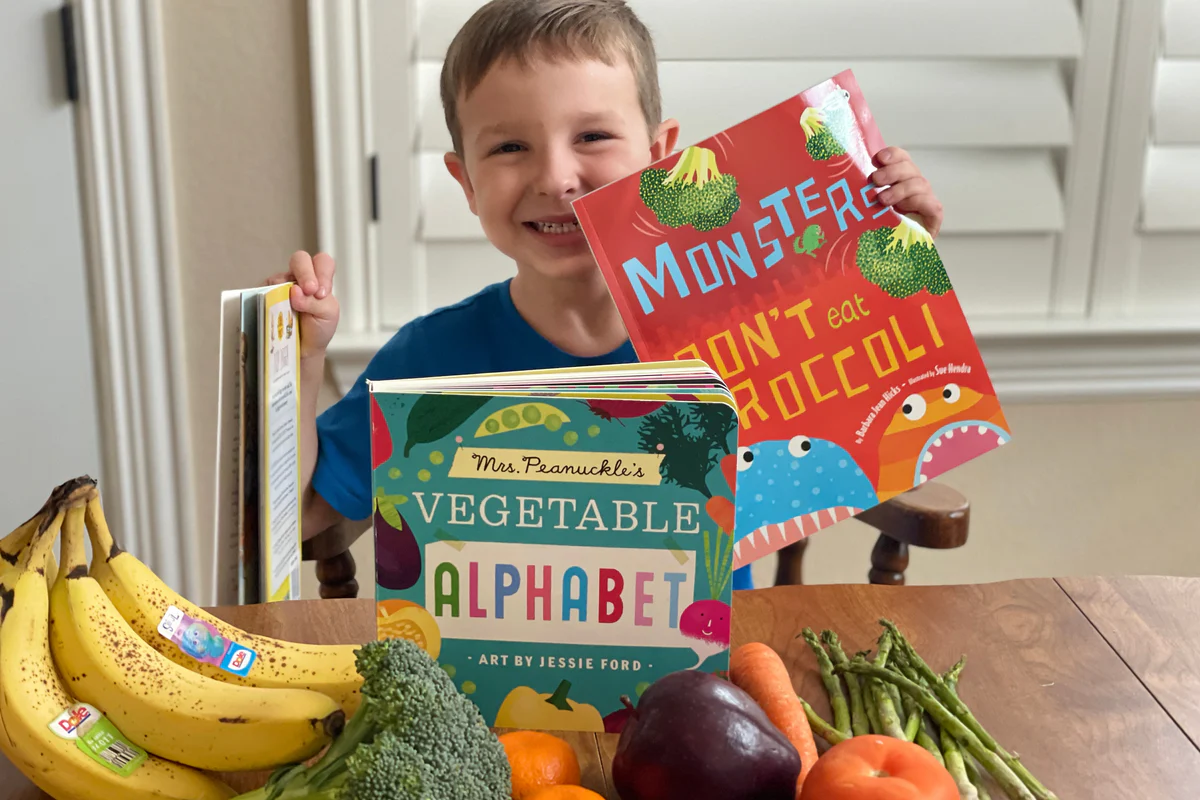
Bookroo’s Baby & Preschool Book Club
Bookroo works beautifully in the early years when you just want solid, high-quality picture books without spending hours researching titles. The books arrive wrapped, which adds a surprising amount of excitement for little ones. It’s simple, dependable, and ideal for families who are in that heavy read-aloud stage.
Read More
Owl Post Books Imagination Subscription
Owl Post Books has a quieter charm to it. Three new books plus a small craft doesn’t sound dramatic, but the combination makes the box feel intentional. It introduces titles you won’t always see front-and-center in big stores, which I appreciate. It feels thoughtful rather than flashy.
Read More
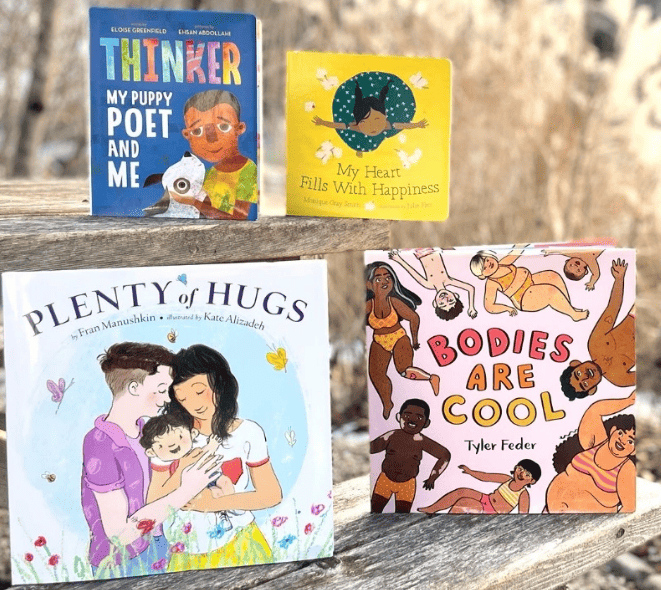
OurShelves Children’s Book Boxes
If you’re actively trying to build a more inclusive home library, OurShelves makes that easier without turning it into homework. The books reflect a wide range of families and experiences, and it doesn’t feel tokenistic. It’s one of the simpler ways to broaden what your child reads without constantly second-guessing your own picks.
Read More
Silver Pages Kids Box
Silver Pages leans slightly more toward curiosity-driven reading. The mix of fiction and nonfiction works well for kids who bounce between stories and random facts. It doesn’t feel overly themed or gimmicky, just steady, well-rounded choices that keep reading varied.
Read More
Sibling Box
If you have multiple kids at different stages, this one quietly solves a real problem. Instead of everyone fighting over one book, you get a mix that works across ages. It makes shared storytime feel easier and less forced, which is something I’ve definitely appreciated in the past.
Read More
Kids Read Daily Book Club
This box works well for kids who get bored quickly. The genre variety keeps things moving, and it’s helpful for stretching reading comfort zones without making it feel like a lesson. If your child resists sticking to one type of book, this rotation can help.
Read More
Lil Readers Book Club
For preschoolers who need more than just sitting and listening, this one adds enough activity to hold attention. The crafts aren’t overwhelming, but they connect directly to the story, which helps reinforce comprehension in a natural way. It’s a good fit for hands-on learners.
Read More
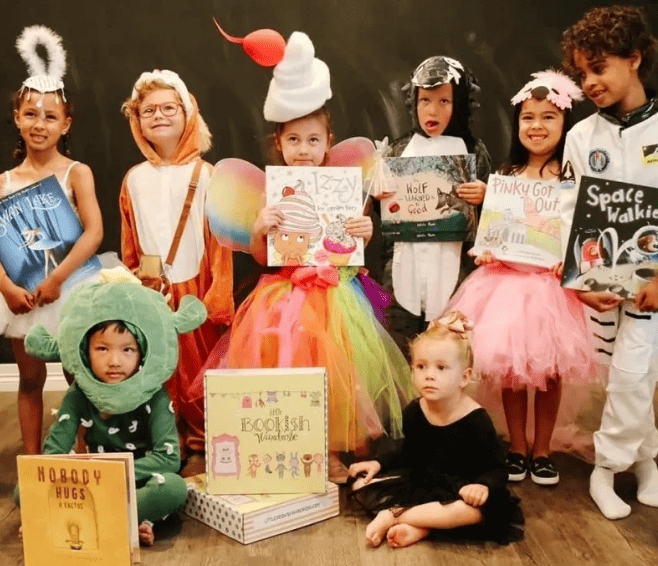
Little Bookish Wardrobe Book Club
This subscription pairs books with dress-up elements, which can either feel magical or completely unnecessary depending on your child. For kids who love imaginative play, it deepens engagement with the story in a big way. It’s more of an experience than a traditional book box.
Read More
Mysteries in Time
Mysteries in Time blends historical fiction with activities, and it works surprisingly well for kids who like adventure but aren’t sold on “history.” The time-travel format keeps it engaging, and the extras help reinforce the setting without turning it into a textbook moment.
Read More
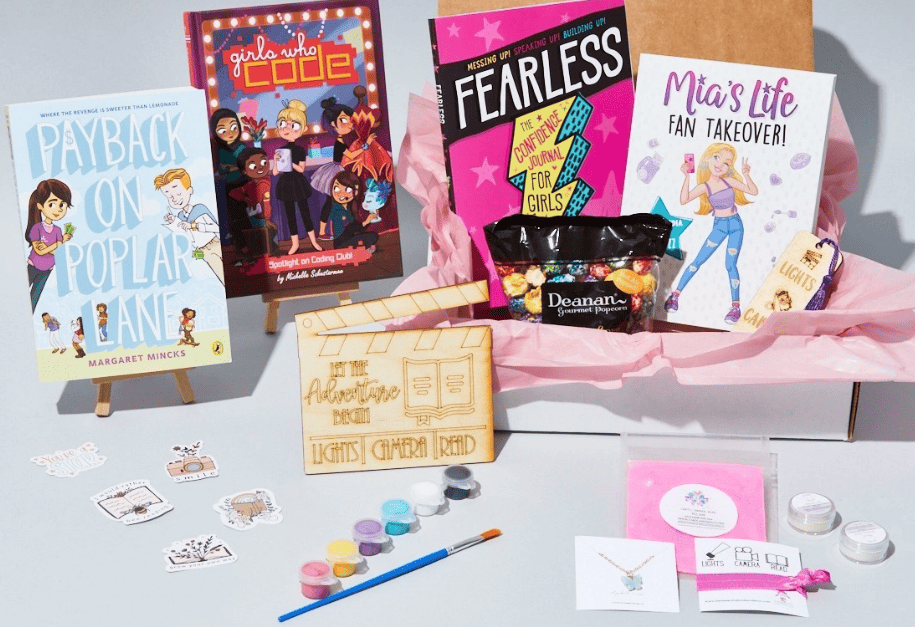
beTWEEN the Bookends: Tween Book Box
Tweens are tricky, too old for picture books, not always ready for YA. This box fills that in-between space well. The books feel age-appropriate without being childish, and the extras help it feel current rather than academic.
Read More
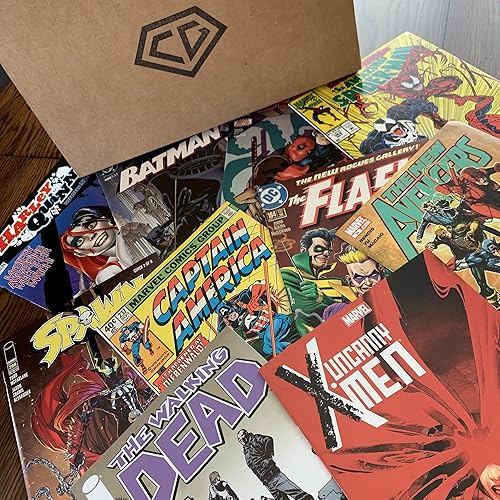
The Comic Garage Super Box
If your child prefers comics to traditional novels, lean into that. This box sends a generous mix of titles and works particularly well for reluctant readers. Graphic storytelling still builds comprehension and vocabulary, it just looks different.
Read More
Manga Mystery Box
For tweens and teens already into manga, this one feeds that interest directly. It’s less about curated literacy goals and more about connecting reading to something they already care about. And honestly, that connection can matter more than the format.
If you’re shopping for an older reader who’s drifting away from traditional book boxes, you might also want to look at our
subscription boxes for tweens.
Some kids at this age respond better to interest-based crates than monthly novels, especially once their hobbies start to take center stage.
Other Subscription Boxes for Kids
If books aren’t enough on their own (or you have a child who prefers building to reading), these boxes lean more hands-on. We’ve tried a mix of science kits, craft crates, and geography-themed subscriptions over the years, and they work well for kids who like something to do after the story ends.
Some focus on STEM builds, some on art projects, and others explore specific topics in more depth. They’re not book boxes, but they pair well with one, especially if your child learns best by making, testing, or creating.
You can read our full reviews here:
If your child thrives with hands-on learning, one of these might be a better fit than a traditional book club, or a strong complement to it.
Last Updated on 13 February 2026 by Clare Brown