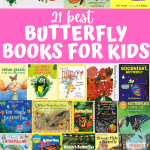
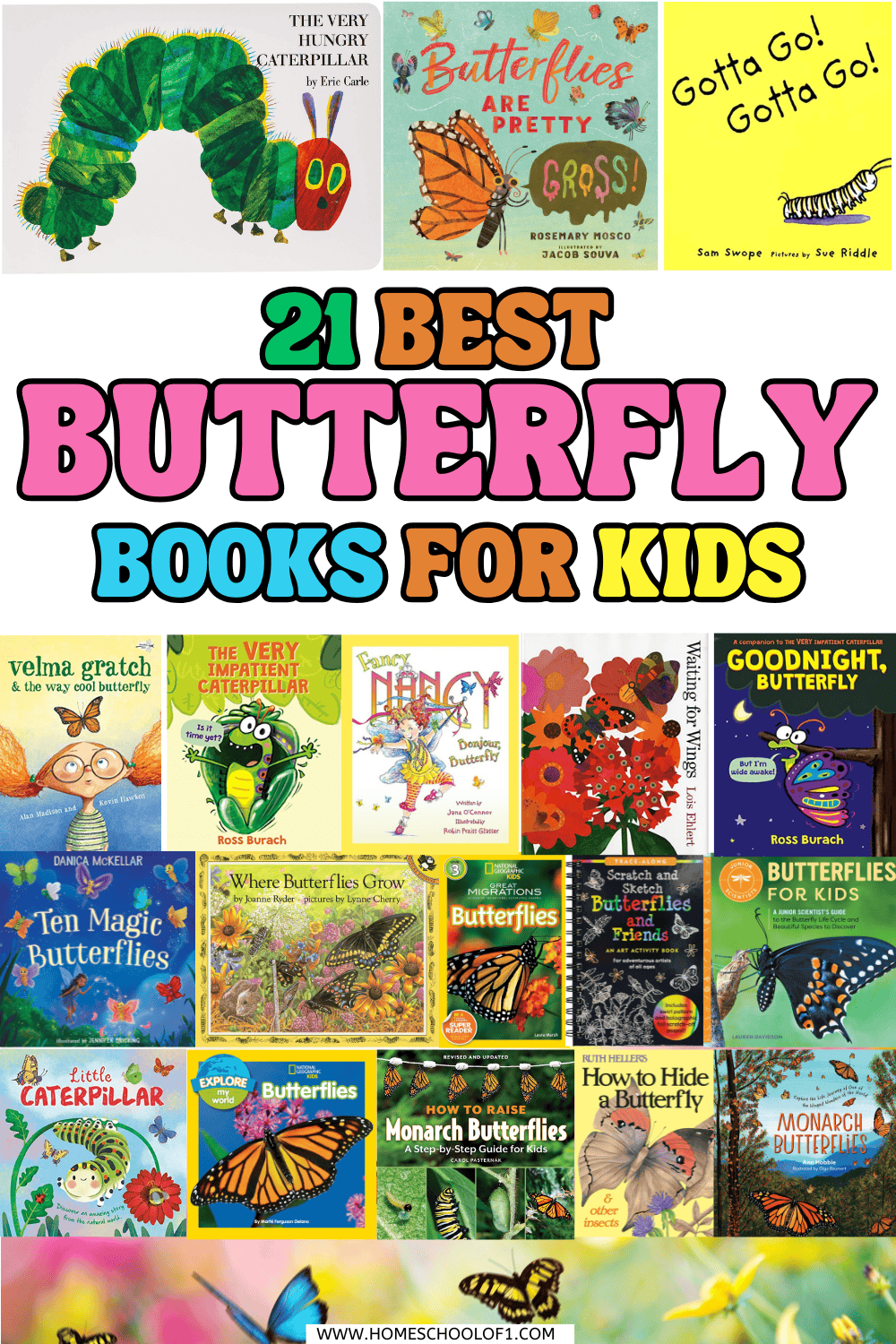
Butterfly books for kids quickly became some of the most used nature reads in our house.
Whenever my son found a caterpillar, we’d usually end up back inside within minutes, flipping through pages to see what would happen next in the life cycle.
Some of these turned into repeat bedtime reads, while others sent us straight back outside to look for eggs, chrysalises, or anything that matched the pictures.
The titles below are the ones that genuinely held his attention and answered the endless questions.
**This post may contain affiliate links. As an Amazon Associate and a participant in other affiliate programs, I earn a commission on qualifying purchases.**
Children’s Books About Butterflies We Kept Coming Back To
Most of these ended up staying in our regular rotation longer than I expected.
Butterfly books were one of the easiest ways to connect what my son was seeing outside with something he could understand on the page, especially when we were watching caterpillars change over time.
Some of the stories were funny enough to reread, while the nonfiction ones answered the constant “what happens next?” questions.
Nature Stories: Little Caterpillar: Padded Board Book
We used this a lot when he was still in that stage of wanting quick, simple stories. The board pages held up well, and the pictures made it easy to talk through what was happening without needing to read every word exactly. It’s a gentle way to introduce the idea that the caterpillar is going to change without turning it into a full lesson.
Read More
The Very Hungry Caterpillar
This one was read so often I didn’t always need the book in front of me. He loved turning the little cut-out pages himself, and it naturally opened the door to counting and the days of the week without me having to push it. Even after he’d moved on to longer books, he’d still grab this occasionally because it was familiar.Related: Preschool butterfly worksheets
Read More
Goodnight, Butterfly
This ended up being one of those calmer evening reads that actually helped slow things down before bed. The pacing is gentle, and the illustrations give you plenty to point at and talk through together if your child likes to linger on the pages. It worked well during that stage where he still wanted a story but didn’t want anything too busy or silly right before sleep.Have fun with these butterfly activities for preschoolers too!
Continue Reading
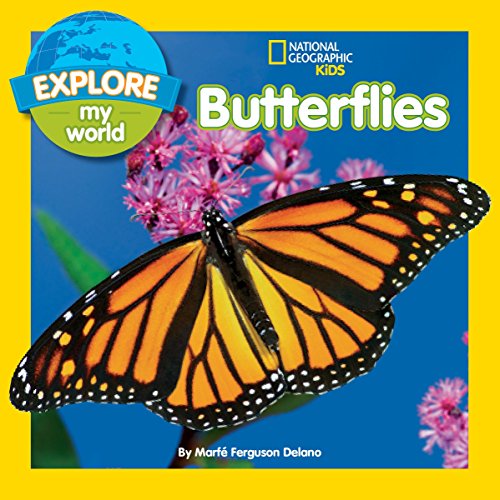
Explore My World Butterflies
This was one of the first nonfiction butterfly books that held his attention longer than a few pages. The photographs are clear and close enough that you can actually see details like wing patterns, which led to a lot of “have we seen one like this outside?” conversations. It explains how butterflies live and grow without overwhelming younger readers with too much text.Related: Printable butterfly coloring pages
Read More
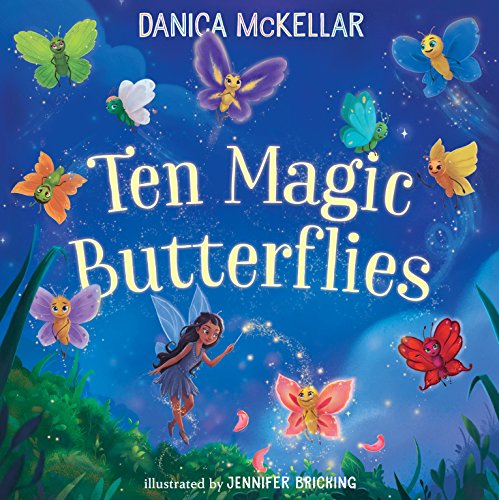
Ten Magic Butterflies
We originally picked this up because it sneaks in counting without feeling like a math activity. The rhymes are predictable enough that kids start joining in after a page or two, which kept him engaged instead of just listening passively. It worked especially well during early elementary when he still enjoyed repetition but wanted something a bit more playful.Related: Butterfly math worksheets
Read More
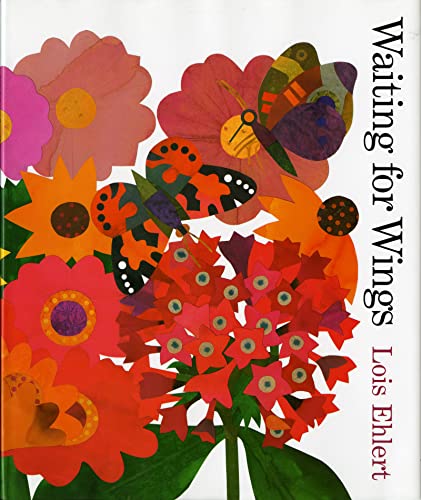
Waiting for Wings
This was one we kept on the shelf during spring because it pairs really well with actually watching caterpillars outside. The cut-paper illustrations make each stage easy to see without needing a long explanation, and the rhythm of the text made it an easy read-aloud. The short information section at the back ended up answering a lot of the follow-up questions once the story was finished.Pair this book with our free butterfly tracing worksheets to practice early writing skills.
Read More
Gotta Go! Gotta Go!
The repeated “Gotta go!” line meant he started joining in almost immediately, which helped keep his attention all the way through. It’s a simple way to introduce the idea that butterflies migrate without turning it into a full science lesson. This worked best at that stage where interactive, predictable books still held his interest.After reading, try our free butterfly life cycle coloring page to bring the lesson to life!
Read More
The Butterfly Alphabet Book
We didn’t read this straight through every time. It was more of a “pick a page” book when he wanted to look at different butterfly species. The illustrations are detailed enough that you can compare them to butterflies you might actually see outside, and the short facts kept it from feeling overwhelming.
Read More
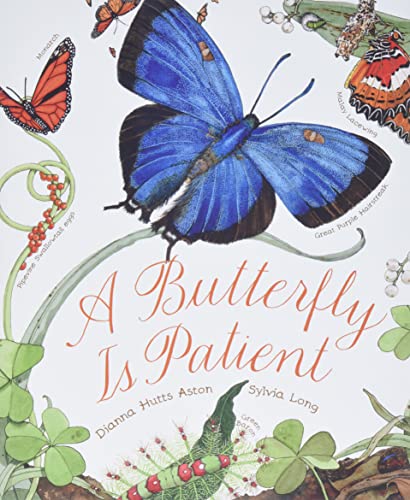
A Butterfly Is Patient
This one feels more like something you sit with rather than rush through. The illustrations carry a lot of the experience, and it’s the kind of book where older elementary kids start noticing details they missed earlier. It goes beyond the basic life cycle and touches on behavior and habitat in a way that doesn’t feel too textbook-heavy.
Continue Reading
The Very Impatient Caterpillar
This was an easy win when he was in a phase of preferring funny books over anything that felt educational. The impatient narration keeps the pacing fast, and it’s one of the few life-cycle books that actually made him laugh out loud while still explaining what’s happening.Have fun with our free butterfly pairs game printable
Read More
Fancy Nancy: Bonjour, Butterfly
This one worked well during the stage where familiar characters made it easier to get him interested in a new topic. If a child already likes Fancy Nancy, the butterfly theme feels like an easy extension rather than something completely new. The story mixes her usual dramatic personality with small bits of real information, which kept it entertaining without feeling like a lesson.
Read More
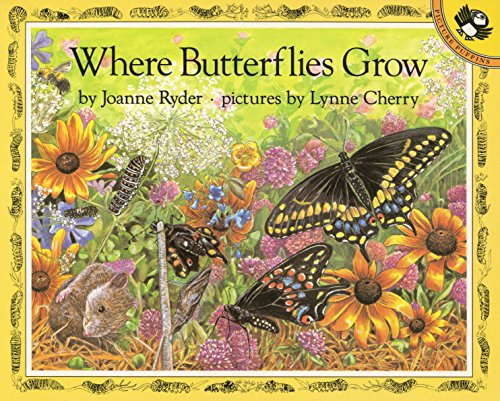
Where Butterflies Grow
This reads more like a quiet nature walk than a traditional plot-driven story. The pacing is slow, but that actually made it a good choice for kids who like looking closely at the pictures and talking through what they see. It’s the kind of book that encourages observation rather than rushing to the ending.Related: Free life cycle of a butterfly worksheet.
Read More
Velma Gratch and the Way Cool Butterfly
Velma’s character is easy for kids to relate to, especially if they’ve ever felt overshadowed by older siblings. The butterfly theme is woven into the story naturally through her school project, so it doesn’t feel forced. This one held interest because it has humor, but also enough substance that the message about finding your own strengths actually lands.
Continue Reading
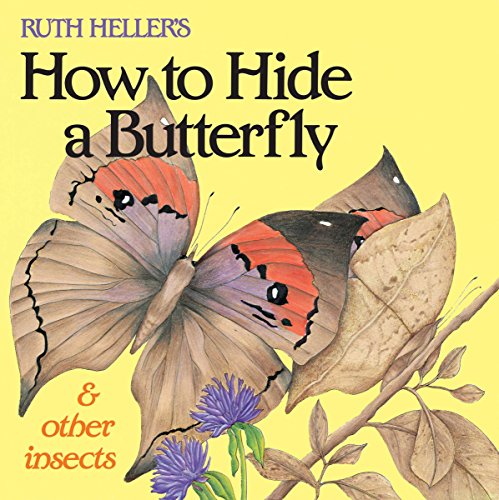
Ruth Heller’s How to Hide a Butterfly & Other Insects
This turned into more of an interactive read than a straight story. We ended up pausing on most pages to see how quickly we could spot the hidden insects before turning the page. It’s a good introduction to camouflage, and kids who enjoy “look and find” style books usually spend more time with this than expected.Related: Parts of a butterfly printable.
Read More
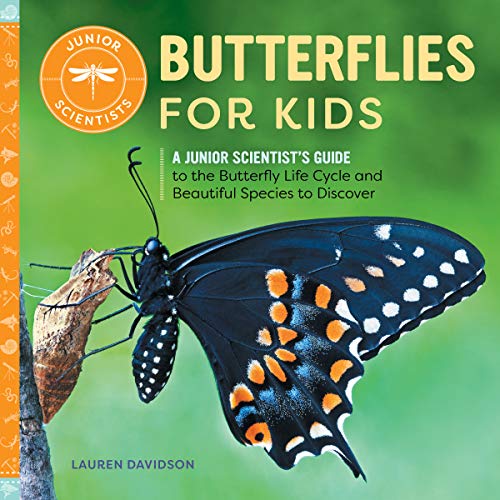
Butterflies for Kids: A Junior Scientist’s Guide
This worked well once he started asking more detailed questions about how butterflies actually live. The photos make it feel more like a field guide than a textbook, and the explanations are straightforward enough that kids can read sections independently. It also includes practical ideas like attracting butterflies, which led to a lot of follow-up conversations about what we could try outside.Have fun at the butterfly farm with our free butterfly scavenger hunt printable.
Read More
Scratch & Sketch Butterflies & Friends (Trace Along)
This ended up being something he reached for on his own rather than something we read together. The scratch-away pages make it feel more like an art activity than a book, which helped on days when he wanted something hands-on but still butterfly-related. It’s especially useful if your child prefers creating over sitting through a full story.
Continue Reading
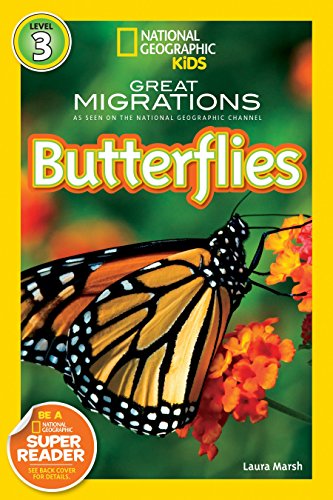
National Geographic Readers: Great Migrations Butterflies
This was a good step up once he started asking how far butterflies actually travel. The photos do most of the work here, and they’re detailed enough that you can see the scale of the migration rather than just reading about it. It’s fact-heavy, but the layout keeps it manageable for kids who are just getting into nonfiction.Have some educational fun with our free butterfly word scramble printable.
Read More
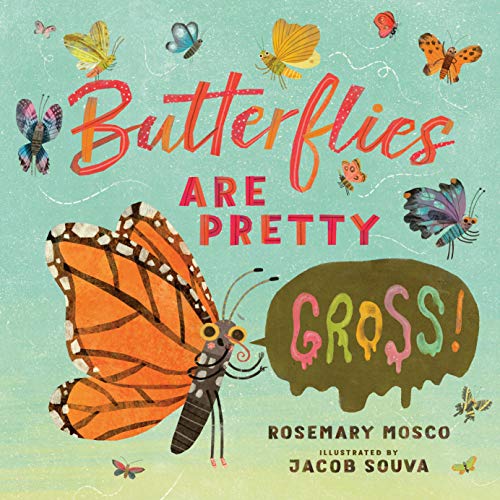
Butterflies Are Pretty … Gross! (Nature’s Top Secrets)
This one definitely caught his attention because it focuses on the weird parts most books skip. Instead of only showing butterflies as “pretty,” it talks about the less pleasant habits, which made it memorable and honestly sparked more discussion than some of the sweeter stories. Good choice for kids who like unexpected facts.
Continue Reading
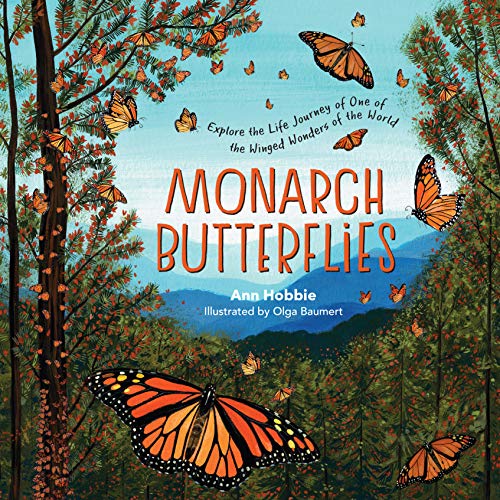
Monarch Butterflies: Explore the Life Journey of One of the Winged Wonders of the World
This goes deeper into the monarch life cycle than most picture books without becoming too dense. The combination of photos and explanations helped connect what we’d already read in simpler books to a more complete understanding of how migration and survival actually work.Related: Butterfly word search printable.
Continue Reading
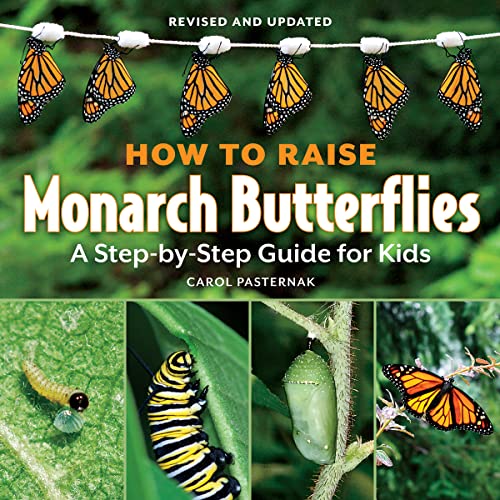
How to Raise Monarch Butterflies: A Step-by-Step Guide for Kids
This one is much more practical than story-based. If a child is serious about finding caterpillars or raising butterflies, the step-by-step format makes it easy to follow without guessing what comes next. The visuals showing each stage were especially helpful for setting expectations.
Read More
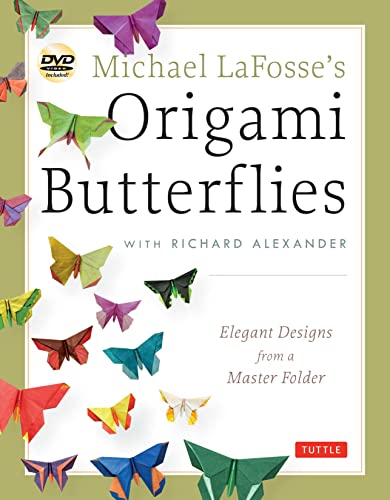
Origami Butterflies
We didn’t use this as a read-through book so much as a project guide. It worked well for kids who like making things and want a quieter activity that still ties back to the theme. The instructions start simple and gradually get more challenging, so it can last longer than a single sitting.
Read More
If your child is currently obsessed with caterpillars or chasing butterflies around the yard, even one or two of these books can turn that curiosity into something they stick with a bit longer. A few of these ended up being reread far more than I expected.
Last Updated on 10 February 2026 by Clare Brown