Reward Ideas for Students That Actually Motivate Kids

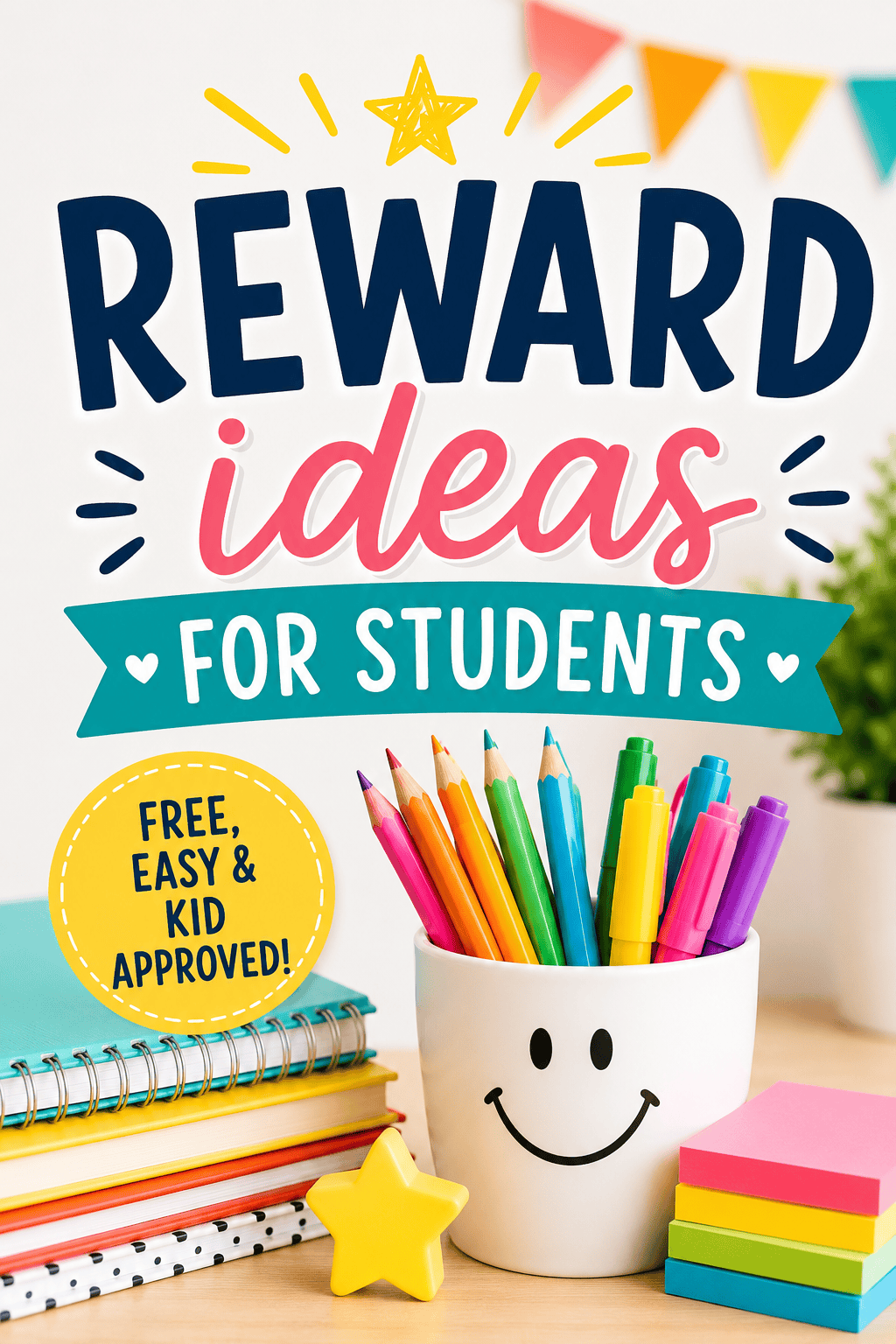
Reward ideas for students sound simple until you realize most kids stop caring about sticker charts after about three days.
Over the years, the rewards that have worked best for us have usually been the easiest ones too. Extra computer time, choosing the next activity, or letting students play quick classroom guessing games somehow feels incredibly exciting to kids.
I also think adults sometimes overcomplicate rewards. You do not need a giant prize box or weekly candy stash to keep students motivated. In fact, some of the most successful classroom reward ideas are just small breaks from the normal routine.
These reward ideas work well for classrooms, homeschool groups, co-ops, tutoring sessions, and after-school clubs, with plenty of free and non-food rewards students actually look forward to.
**This post may contain affiliate links. As an Amazon Associate and a participant in other affiliate programs, I earn a commission on qualifying purchases.**
Classroom Reward Ideas Kids Actually Care About
The classroom rewards students get most excited about are rarely the expensive ones. In fact, some of the biggest reactions I’ve seen have come from things like extra game time, picking where to sit, choosing the brain break, or getting five extra minutes to chat with friends before packing up.
Once kids hit upper elementary, a lot of them lose interest in treasure boxes pretty quickly anyway. Small privileges and extra independence usually feel much more motivating than stickers or candy.
The best part is that most of these reward ideas are easy to manage and do not add extra work for already busy teachers, homeschool parents, tutors, or co-op leaders.
Free Rewards for Students That Still Feel Special
Some of the most effective rewards cost absolutely nothing but still feel exciting to students. Simple privileges, extra choices, and small breaks from the usual routine often work better than physical prizes, especially when students feel like they have earned something a little different from the normal school day.
Some of the free rewards students tend to get most excited about include:
- extra recess or free time
- choosing where to sit for the day
- being the teacher’s helper
- picking the class game or brain break
- lunch with a friend or teacher
- extra computer time
- choosing the read aloud book
- wearing a hat in class
- line leader for the day
- using special pens, markers, or classroom supplies
- reading somewhere unusual
- choosing the music during independent work
- homework passes
- sharing a favorite toy, book, or hobby with the class
The best free rewards usually feel like extra freedom or responsibility rather than “prizes.” Older students especially tend to respond better to choices and independence than stickers or candy.
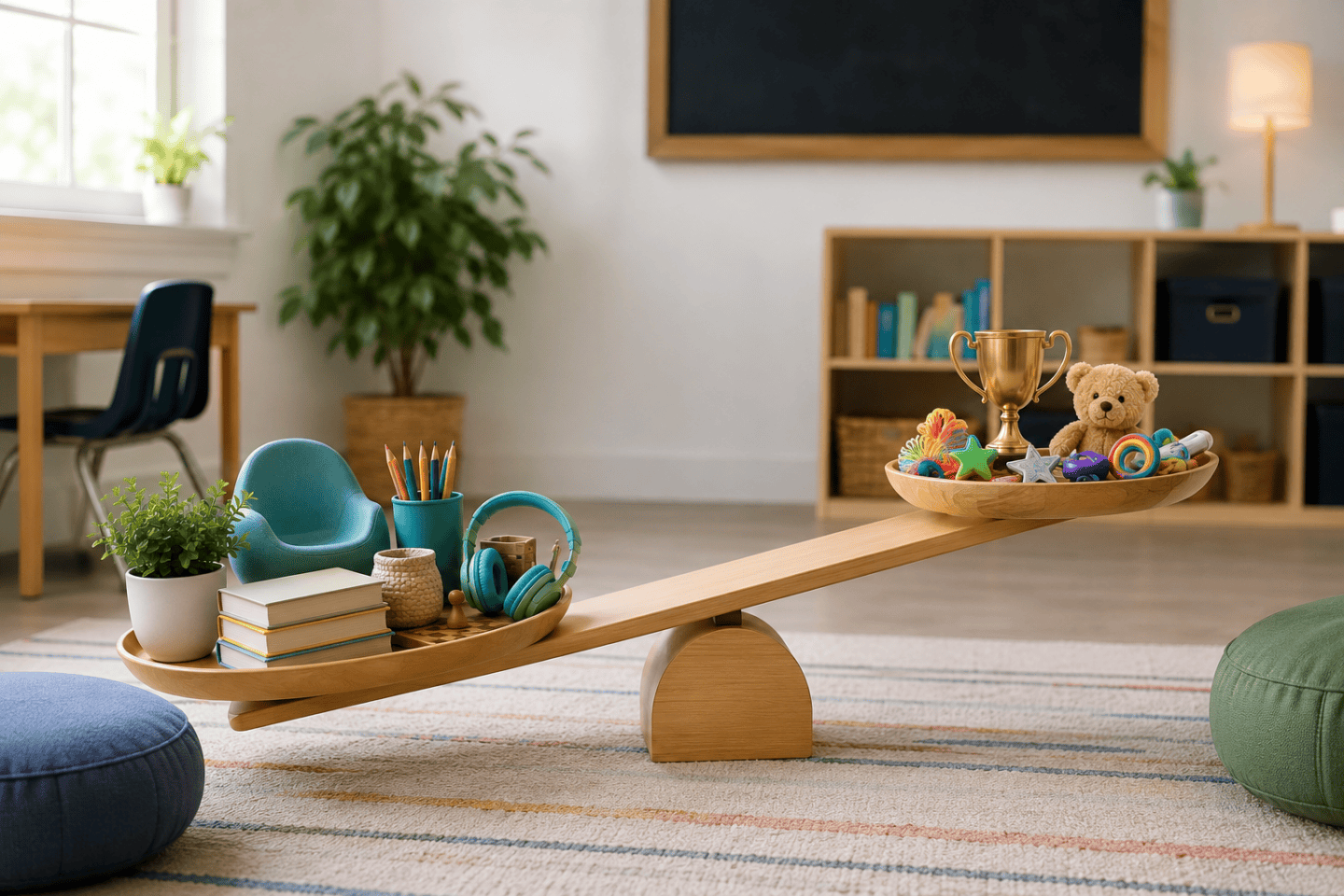
Non Food Rewards for Students That Aren’t Just Candy
Non-food rewards have become much more common over the last few years, especially with allergies, school food rules, and the fact that many teachers are understandably tired of constantly buying treats.
Honestly, most students do not seem to care whether the reward is edible anyway. As long as it feels different from the normal routine, kids are usually just as excited about extra computer time, choosing a class game, using special supplies, or getting a little extra freedom during the day.
Some easy non-food reward ideas students actually enjoy include:
- extra computer or tablet time
- homework passes
- choosing the class game
- special classroom jobs
- fun pencils, erasers, or stickers
- pick your own seat for the day
- extra art or drawing time
- board game time
- reading somewhere different
- choosing the classroom music
- show and tell privileges
- mystery reward envelopes
- sitting with friends
- using teacher supplies or special markers
- extra STEM or building challenges
Non-food rewards tend to work especially well because they feel fun without creating sugar overload, allergy concerns, or extra costs every single week.
Whole Class Rewards Students Will Actually Work Toward
Whole class rewards usually work best when they feel fun without turning the entire day chaotic. Things like extra recess, board game time, outdoor reading, surprise classroom games, or letting the class vote on an activity tend to get students far more invested than a tiny prize ever would.
Some whole class reward ideas students genuinely look forward to include:
- extra recess or outdoor time
- movie afternoon
- board game time
- classroom dance party
- pajama day
- outdoor reading time
- lunch outside
- extra art or STEM activities
- class scavenger hunt
- choosing the brain break
- no homework night
- bring a stuffed animal or fidget day
- class trivia games
- free drawing time
- teacher vs student games
I’ve found that group rewards work best when students feel like everyone helped earn them, rather than one or two kids doing all the work while everyone else watches. Smaller rewards earned more often also tend to keep motivation going much better than one giant prize at the end of the month.
Quiet Reward Ideas That Don’t Create Chaos
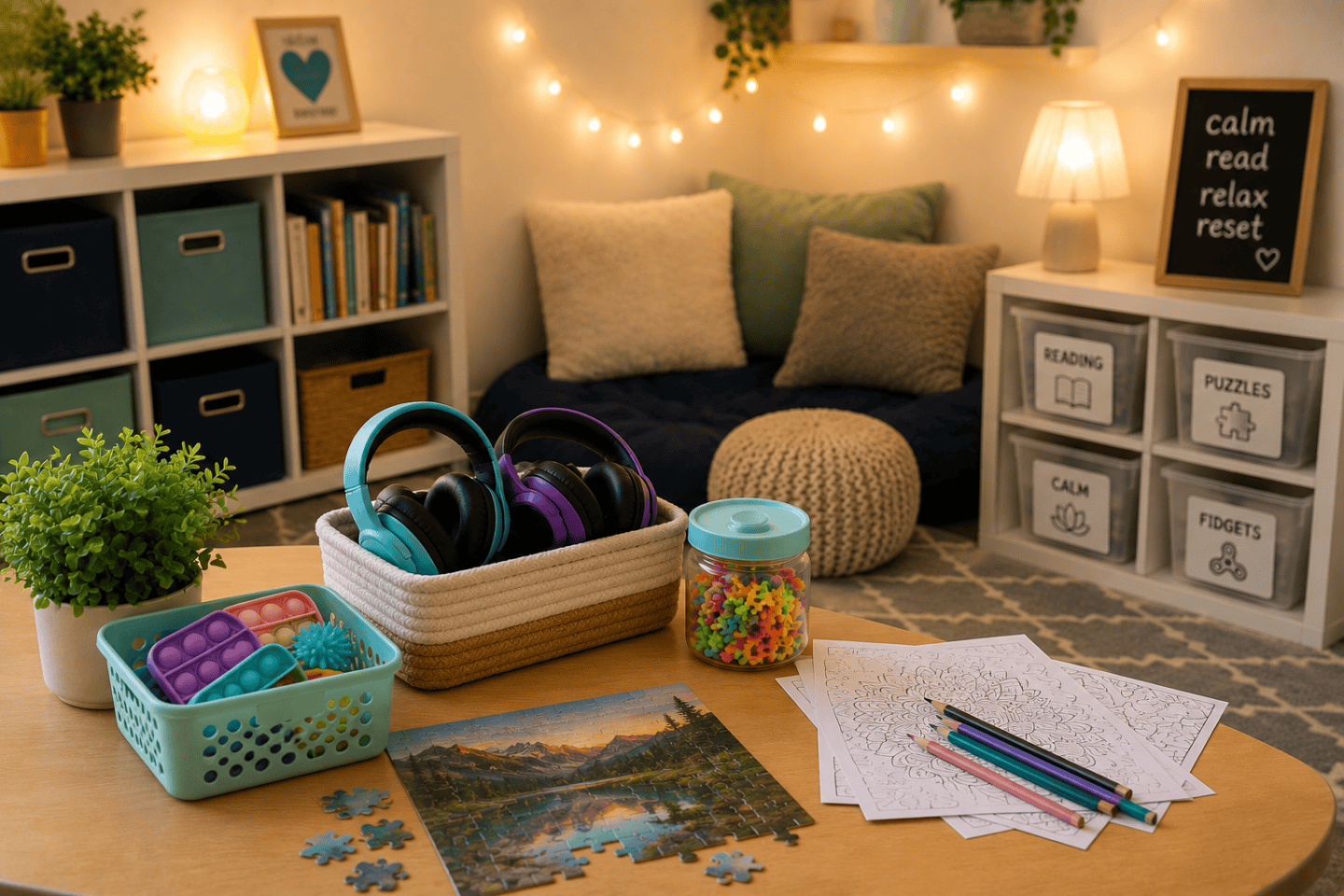
Not every reward has to involve loud games or lots of energy. Some of the calmest rewards are actually the ones students look forward to most, especially later in the day when everyone is already a bit overstimulated.
Simple things like reading somewhere unusual, drawing time, puzzle breaks, headphones during independent work, or quiet educational games can still feel special without making it impossible to settle the class afterward.
Some quieter reward ideas students often enjoy include:
- reading in a cozy corner or outside
- drawing or coloring time
- puzzle and brain teaser breaks
- headphones during independent work
- educational computer games
- LEGO or building challenges
- quiet partner games
- extra library time
- journaling or creative writing prompts
- listening to audiobooks
- mindfulness or calm-down activities
- choose your own independent activity
- fidget toys during work time
- independent STEM bins
- relaxing music during classwork
Quiet rewards tend to work especially well in the afternoon or after busy activities when students still want something fun without making the classroom impossible to calm down afterward.
Reward Ideas for Older Students
Older students often lose interest in sticker charts and treasure boxes pretty quickly, but they still respond well to rewards that give them more freedom, responsibility, or choice. Small privileges usually feel much more motivating than childish prizes.
Some reward ideas older students actually tend to appreciate include:
- extra phone or computer time
- homework passes
- flexible seating
- listening to music during independent work
- snack or coffee shop vouchers
- free reading time
- choosing project partners
- extra break time
- classroom jobs with responsibility
- late assignment passes
- study hall or quiet work time
- educational game time
- lunch outdoors
- choosing the next class activity
- leadership roles during group projects
Older students usually respond best when rewards feel respectful and age-appropriate rather than overly childish. More independence and choice often work far better than candy or prize boxes by middle school and high school.
Reward Coupon Ideas for Students
Reward coupons are an easy way to make ordinary privileges feel a bit more exciting. For some reason, handing a student a tiny coupon for “choose your seat” or “extra computer time” suddenly makes it feel much more valuable.
They also work well because students can save them for later, swap them with friends, or use them when they actually want them. Simple coupon ideas like homework passes, picking the class game, extra art time, or being the teacher’s helper tend to be popular without costing anything extra.
Reward Chart Ideas That Keep Kids Motivated
Reward charts usually work best when they are easy to follow at a glance. Once a system gets too complicated, with dozens of rules or tiny rewards every few minutes, most kids lose interest pretty quickly (and honestly, adults do too).
Simple visual progress charts tend to work much better, especially for younger students who like seeing how close they are to earning something. I’ve found that smaller goals and realistic rewards usually keep motivation going far longer than giant systems that are hard to maintain.
Some reward chart ideas that tend to work well include:
- sticker charts
- punch cards
- marble jars
- classroom bingo boards
- token systems
- star charts
- clip charts
- paper chain countdowns
- behavior trackers
- mystery goal charts
- pom-pom jars
- reading progress charts
- kindness challenge charts
- whole class point systems
- habit trackers for homework or chores
The most successful reward charts are usually the simplest ones. Kids tend to stay far more motivated when they can clearly see their progress and earn rewards regularly, rather than waiting weeks for one huge prize.
Rewards That Encourage Creativity and Learning
Some of the best rewards are the ones that still feel fun while keeping students engaged and curious. Creative rewards tend to work especially well because they feel more like free choice than “school work,” even when students are still learning at the same time.
Simple things like choosing the drawing prompt for the day, picking the class trivia game, extra STEM challenge time, scavenger hunts, puzzle breaks, or educational computer games can all feel like rewards without needing much prep.
I’ve found these types of rewards work especially well with mixed-age groups too, because younger kids and older students can usually join in at their own level without anyone feeling left out or bored. They are also useful for homeschool co-ops and tutoring groups where students often have very different interests.
How to Choose Rewards Students Actually Respond To
The most effective rewards are usually the ones students genuinely care about, not necessarily the most expensive or elaborate options. In many cases, extra choice, independence, or time with friends is far more motivating than candy or prize boxes.
It also helps to keep reward systems simple. Complicated charts, too many rules, or rewards that create extra work for adults can become difficult to maintain long term. Rotating rewards occasionally and asking students what they actually enjoy can make a huge difference too, especially with older elementary and middle school students whose interests change quickly.
