Homeschool Science Curriculum – What Actually Works

Finding a homeschool science curriculum that actually works hasn’t always been easy for us.
Some programs looked great on paper but felt too rigid. Others were engaging at first but didn’t hold up long term.
Over time, we realized that what works in science depends as much on how a child learns as it does on how much structure, prep, and flexibility a parent wants.
This guide brings together the science curricula, workbooks, free resources, and interactive tools we’ve found most helpful across elementary, middle, and high school, with notes on what each works best for.
It’s meant to help you compare options, narrow your choices, and decide what’s worth exploring further for your homeschool. If you want to speed that up, this quick way to compare homeschool curriculum can help you narrow things down by subject, grade, and learning style.
**This post may contain affiliate links. As an Amazon Associate and a participant in other affiliate programs, I earn a commission on qualifying purchases.**
Our Best Homeschool Science Curriculum Picks
Choosing a homeschool science curriculum comes down to finding the right balance between structure, hands-on learning, and how much prep you want to manage as a parent.
What works well one year, or for one child, doesn’t always work the next.
These are the science curricula we’ve personally used and would choose again. Each one has held up over time, across different grade levels, and in real homeschool schedules, not just on paper.
Instead of ranking them, we’ve included notes on what each option does especially well, so you can quickly see which fits your homeschool best.
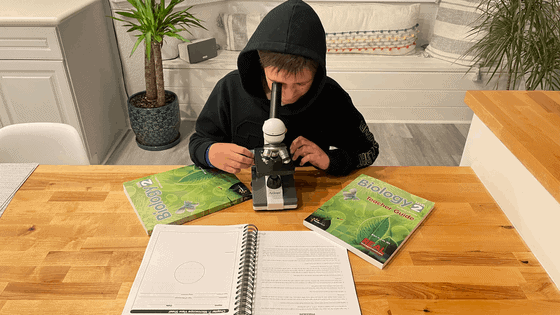
Real Science Odyssey – A flexible, secular science curriculum that balances clear instruction with hands-on experiments. We’ve used this across multiple years, and it’s one of the few programs that consistently worked without feeling either too light or overly rigid. It’s a strong fit if you want depth without a heavy teacher guide. [Read our full Biology 2 review.]
Science Unlocked – Designed for families who want solid coverage with minimal prep, this curriculum builds lessons around student interests while still keeping a clear scope and sequence. It worked well for us during busier seasons when we needed something ready to go but didn’t want science to feel rushed or shallow.
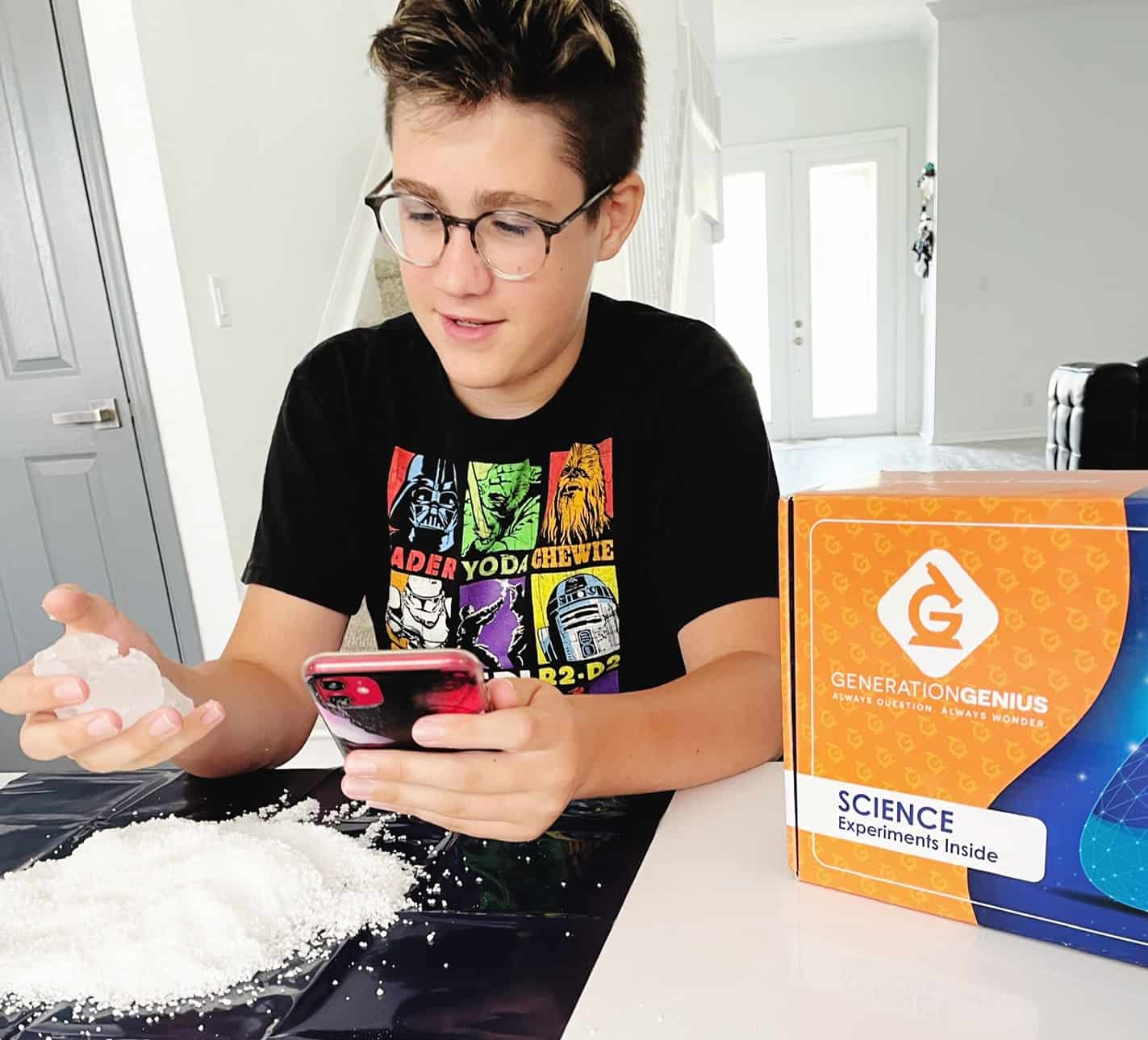
Home Science Tools – Best suited for hands-on learners, Home Science Tools offers full-year kits, lab supplies, and experiment-based programs for K–12. The materials are well made and easy to use at home, which makes it a good option if experiments are a priority and you want everything organized for you.
SchoolhouseTeachers – A broad, all-in-one option that works well if you’re teaching multiple grades or prefer a subscription model. It includes dozens of science courses from preschool through high school, making it easy to adapt year to year without switching programs.
Using Science Workbooks Alongside Your Curriculum
Science workbooks work best as support tools, not full curriculum replacements. We’ve found them most useful when a child benefits from written reinforcement, review, or a bit more structure alongside hands-on lessons.
These are the science workbooks that have fit well into our homeschool at different stages, depending on age, subject, and learning style:
Everything You Need to Ace Science – Most helpful for middle school as a clear review and reference. The explanations are straightforward, making it a good fit for students who want concise summaries without extra activities.
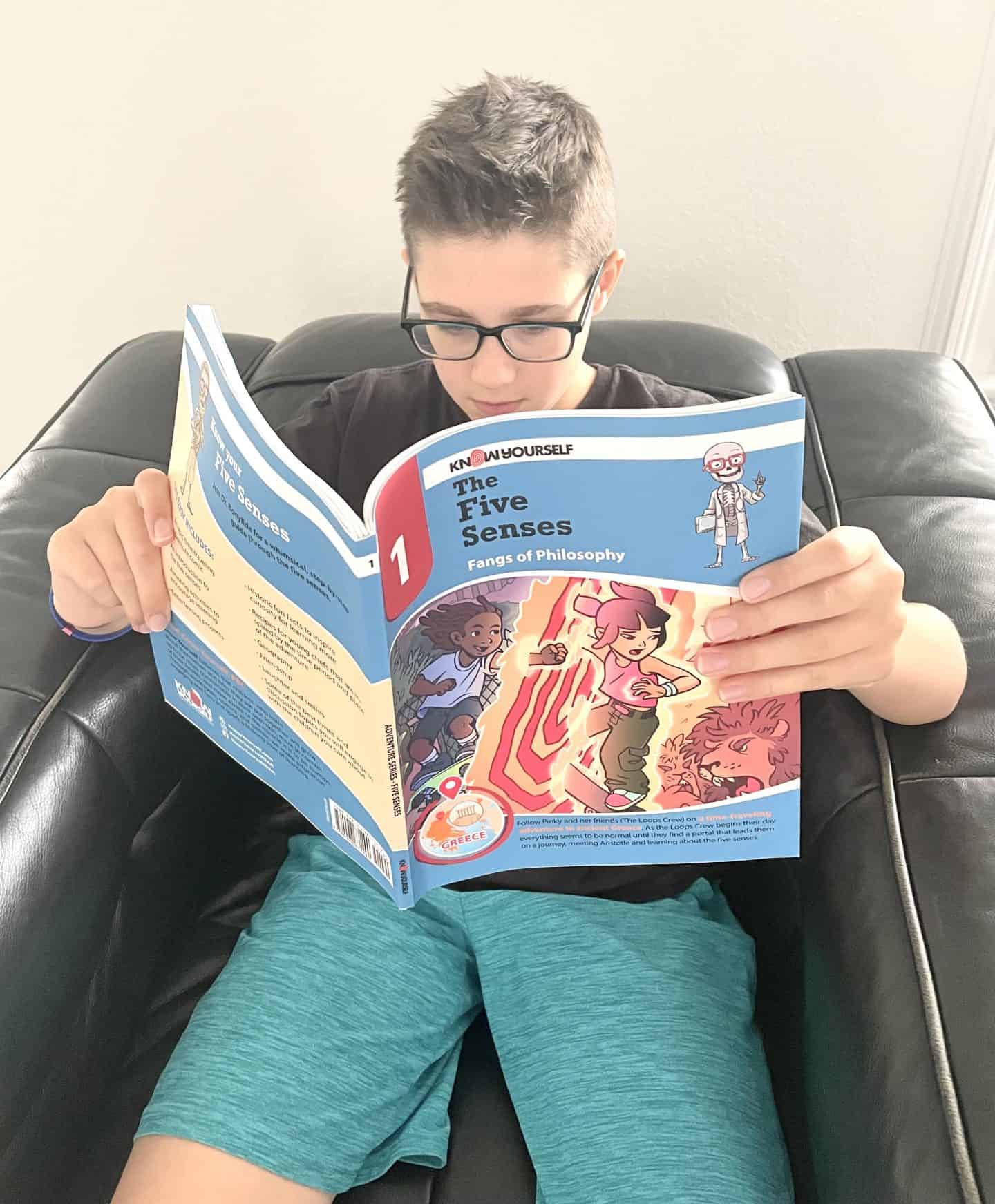
Know Yourself Anatomy Books – A strong option for elementary learners who enjoy story-driven science. These make anatomy memorable and approachable without feeling like a textbook.
Spectrum Science Books – Reliable for reinforcing concepts already taught elsewhere. We’ve used these for short, focused practice across multiple grade levels.
The 100+ Series from Carson Dellosa – Best for older elementary through high school when you want deeper written work in a specific topic, such as Earth science or chemistry. These work well as targeted supplements.
180 Days of Science – A good choice for students who thrive on routine. The daily format makes it easy to build consistency without adding planning time.
Free Science Resources (When You Don’t Need a Full Curriculum)
Science doesn’t have to be expensive, and free science resources can work well in certain situations, especially when you’re supplementing a main curriculum, exploring a short unit, or following a child’s interest.
Rather than replacing a full homeschool science curriculum, we’ve found free options most helpful for experiments, videos, short-term projects, and review.
If you’re specifically looking for completely free homeschool science curriculum options, we’ve pulled those together in a separate guide that compares what’s actually available and how they work by grade level. For other subjects, our free homeschool curriculum guide brings together complete programs and subject-specific resources for every grade.
For lighter use, easy science worksheets and activity-based resources (like anatomy printables) can also be useful as occasional supplements alongside a core program.
STEM Kits for Hands-On Science
Hands-on science kits can be a good addition when you want more experiments without planning them from scratch. We’ve found these work best as supplements to a main science curriculum, especially during units that benefit from demonstrations or lab-style activities.
These are the STEM kits we’ve used and found worth returning to:
KiwiCo – A flexible option that works across a wide age range. We’ve used several of their crates over the years, and the Eureka Crate has been a good fit for older kids who want more involved builds and challenges. [See our full KiwiCo review.]
Mel Science – Best suited for families who want guided experiments with clear instructions. The kits pair hands-on activities with explanations, which made them useful when we wanted deeper exploration without sourcing materials ourselves. [Read our Mel Science homeschool review.]
If you’re looking for lower-cost or non-subscription options, science board games can also be a fun way to reinforce concepts without committing to a full kit.
Science Books That Keep Kids Interested
Books play a real role in our science lessons, especially when we want to introduce a topic, add context, or support a curriculum without more worksheets.
These science books have worked best for late elementary and middle school students. They’re well illustrated, approachable, and useful either alongside a curriculum or for independent reading.
Know Yourself – Our favorite anatomy book for elementary students. The storytelling approach makes the human body easier to understand and remember, especially for kids who learn best through narrative rather than diagrams alone.
Science: A Visual Encyclopedia – A strong choice for visual learners. The clear layouts and diagrams make complex ideas easier to grasp, and it works well as a reference book to dip into as questions come up.
The Kingfisher Science Encyclopedia – A reliable, all-around science reference. This one works well for independent reading, research projects, or background knowledge across multiple science topics.
The Science Book – Best for students who enjoy understanding how scientific ideas developed over time. It explains major discoveries in a way that feels manageable without oversimplifying.
Human Body! – A good introductory anatomy book for younger learners. The visuals are engaging, and the explanations are simple without being shallow.
Usborne Science Encyclopedia – A solid all-in-one option with short explanations and helpful illustrations. The online links are useful when kids want to explore a topic further on their own.
Using Science Videos to Support Learning
Science homeschool videos work best as supplements, for introducing a topic, visualizing a concept, or answering questions that come up during lessons. We’ve found them most helpful when paired with a curriculum, not used on their own.
These are a few science-focused channels we’ve returned to over time, depending on age and topic:
- Crash Course – Useful for short explanations across biology, chemistry, and physics, especially at the middle school level.
- Mark Rober – Best for sparking interest and discussion through engineering-based experiments.
- Operation Ouch – A good fit for anatomy and human body topics, particularly for late elementary students.
- Physics Girl – Helpful for visual learners when introducing or reinforcing physics concepts.
- SciShow – Works well for short, focused explanations when a topic needs clarification.
We tend to use videos selectively, as a way to reinforce concepts or add context, rather than as a replacement for hands-on work or reading.
Online Science Classes Worth Trying
Live online science classes can be useful when you want outside instruction, small-group discussion, or deeper exploration of a specific topic without committing to a full curriculum.
We’ve used Outschool as a supplement rather than a replacement for core science. The classes work well for short units, interest-led topics, or seasons when an outside teacher helps keep momentum going.
Scheduling is flexible, and the range of science topics makes it easy to find something that fits your child’s age and learning style.
If you want a closer look at how we’ve used online classes alongside our homeschool science plans, you can read our full Outschool review.
Last Updated on 7 January 2026 by Clare Brown

need printables
Hi there
If you’re looking for science printables, we’ve got a whole collection you can use here: https://www.homeschoolof1.com/printables/science-printables/
They’re all free to use with your students.
Clare