6th Grade Homeschool Curriculum by Subject

Sixth grade is where learning starts to feel more independent, and curriculum choices matter a lot more than they did in the early years.
We needed something that covered core subjects well but still left room for interests, hands-on learning, and real-world skills. Over time, we’ve tried different programs across math, language arts, science, history, and electives to find what actually worked for our homeschool.
Below is the middle school homeschool curriculum we used by subject, what stuck, what helped keep learning engaging, and where we added flexibility when needed.
**This post may contain affiliate links. As an Amazon Associate and a participant in other affiliate programs, I earn a commission on qualifying purchases.**
6th Grade Math
Math was one of the subjects we adjusted the most over the years. Some programs worked well for a while, others didn’t, and a mix ended up working best depending on pace and focus.
This year we aimed for solid instruction without burnout, combining problem-solving, review, and tools that let my son work more independently when needed.
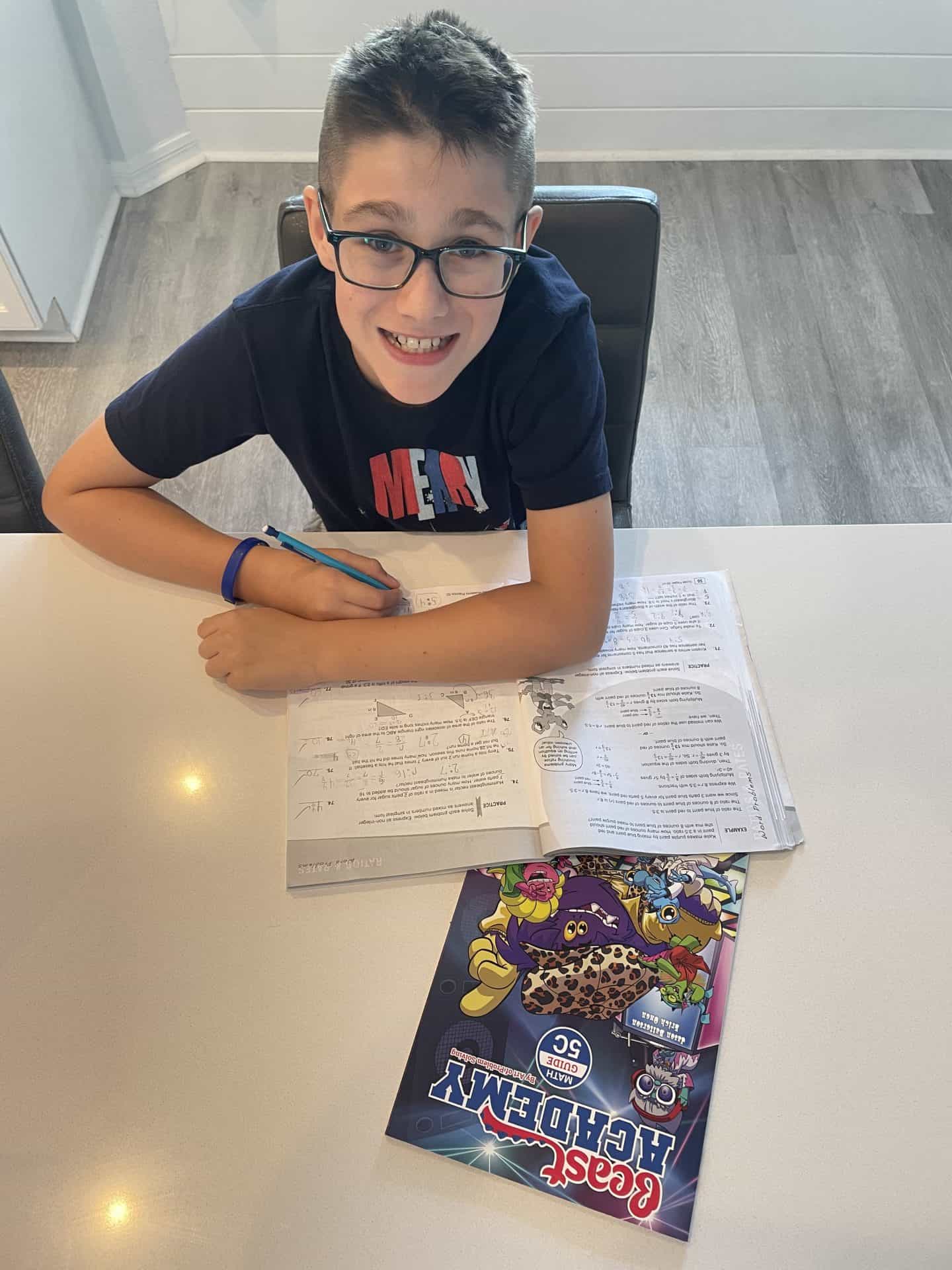
We used Beast Academy when he was ready for challenge and deeper thinking. The comic-style lessons made harder concepts feel less intimidating, though it definitely moved faster than traditional programs.
For everyday lessons, Teaching Textbooks worked well. The video explanations and instant feedback helped him stay on track without me needing to sit beside him the whole time.
When we wanted more structure and instructor support, we leaned into Mr D. Math, especially as topics became more advanced.
To keep things from feeling repetitive, we added in lighter practice with Prodigy and quick concept refreshers using The Big Fat Notebook.
That combination kept math challenging without turning it into a daily struggle.
Language Arts
Language arts took the most trial and error for us. What worked best was mixing literature with structured skill practice instead of relying on one all-in-one program.
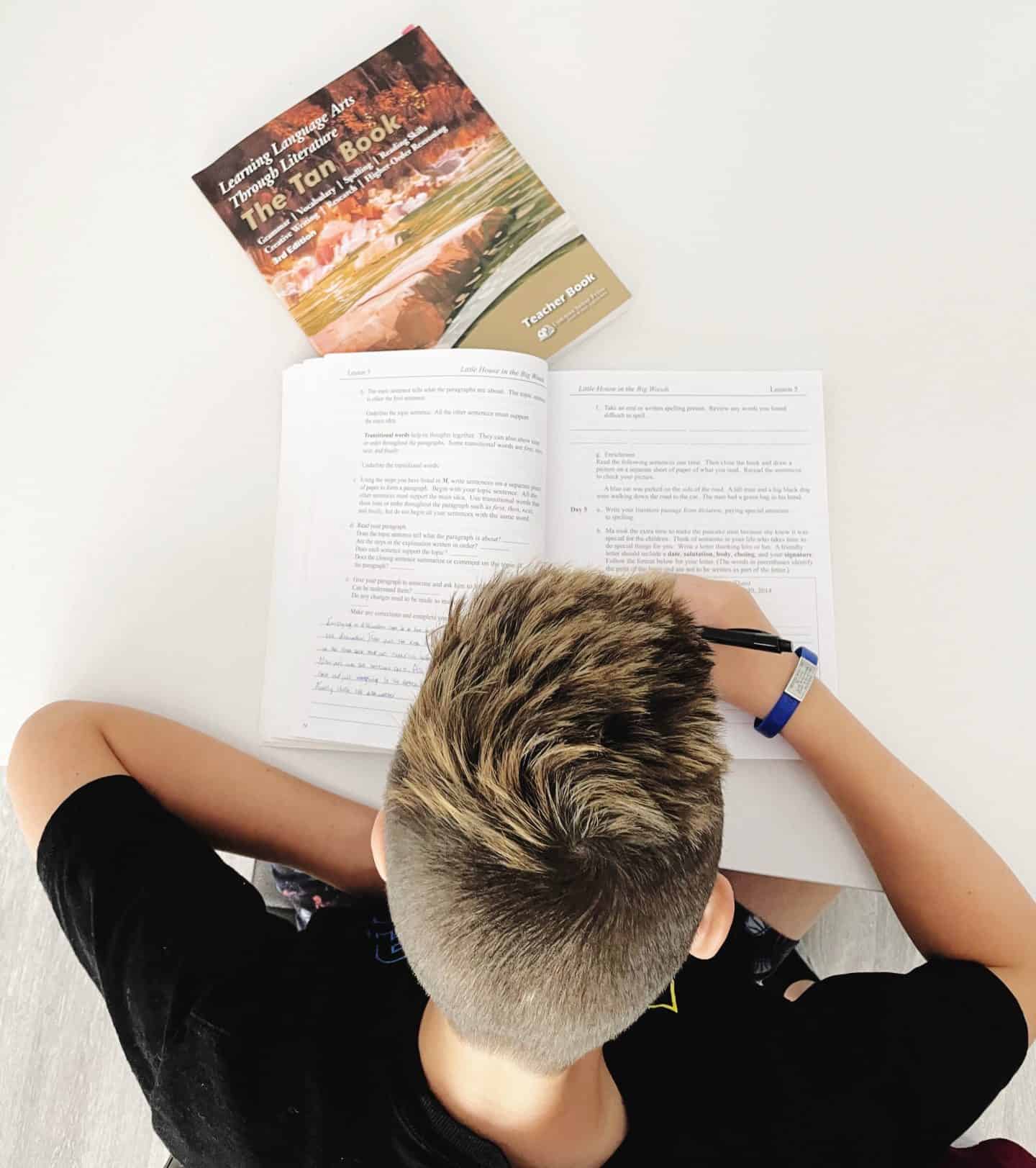
For our main lessons, we used Learning Language Arts Through Literature. It naturally blended reading, grammar, and writing, and the discussion-based approach helped with comprehension more than worksheets ever did.
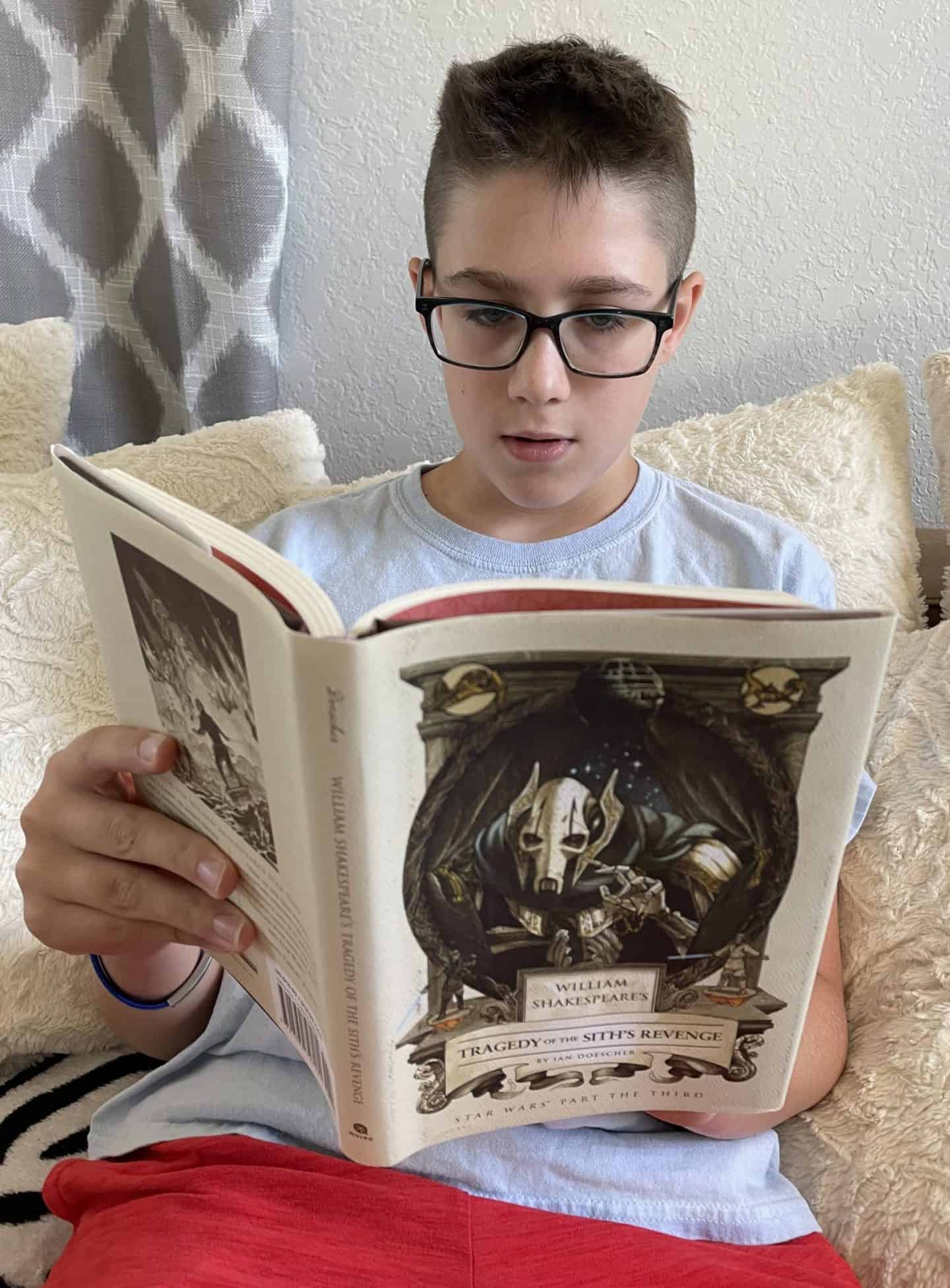
For independent reading, I let my son choose most of what he read. A few favorites along the way were I Funny and Ungifted, and we slowly started introducing Shakespeare to stretch reading skills a little further.
To keep motivation high, we used simple reading challenges and bingo-style goals rather than strict book lists.
Writing & Grammar
For more direct instruction, Spectrum Language Arts worked well for grammar, writing practice, and skill reinforcement.
We often paired it with The Big Fat Notebook for quick refreshers on sentence structure, parts of speech, and writing basics.
When we wanted extra structure, programs from the Institute for Excellence in Writing and Fix It! Grammar were helpful alternatives.
Spelling & Vocabulary
For spelling, Spectrum Spelling kept practice simple and consistent. If you prefer something more flexible or digital, this online spelling curriculum guide compares the programs that work well for homeschool families.
Vocabulary worked best when we focused on word roots and real usage instead of memorization. We used Word Roots alongside Big Fat Notebook to reinforce meaning and context.
Science
Science worked best for us when it stayed hands-on instead of turning into long reading assignments. Sixth grade felt like the right time to dig into earth science, life science, and physical science while letting curiosity lead more of the learning.
Our main curriculum was Real Science Odyssey. The mix of short readings, experiments, and discussion kept lessons moving without feeling heavy. It covered a wide range of topics and encouraged real thinking instead of just filling out worksheets.
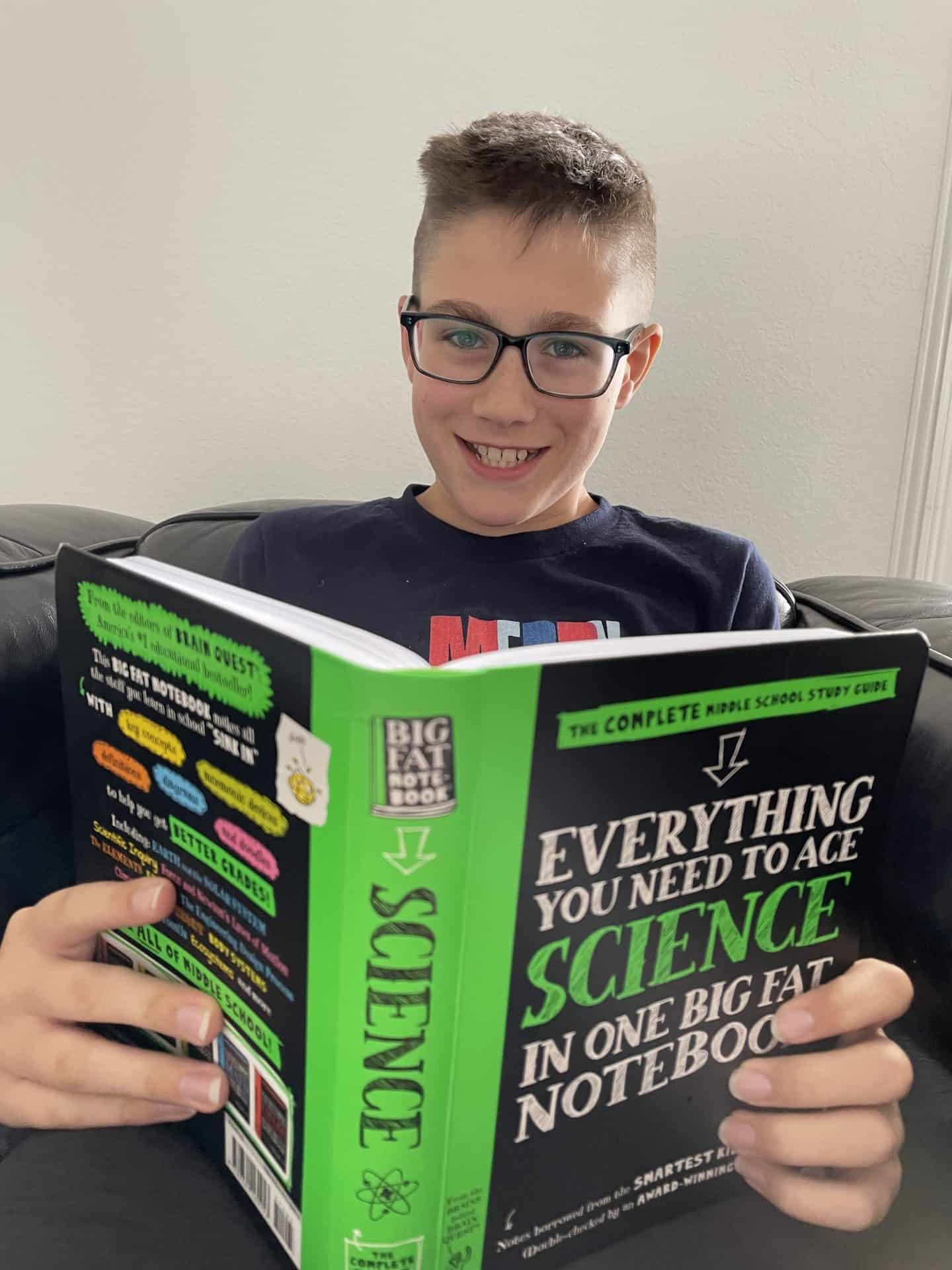
We often used Big Fat Notebook alongside it for quick reviews and easy explanations when a concept needed reinforcing.
To keep science fun and tactile, we added hands-on kits whenever possible. Projects from KiwiCo were especially good for engineering and problem-solving, and larger experiment kits like the Smithsonian science labs or Magic School Bus sets made great break-from-the-book days.
That combination, structured lessons plus real experiments, kept science interesting without overwhelming him.
Secular History
History finally clicked for us when it stopped being about memorizing dates and started feeling more like storytelling and investigation. Because we follow a non religious homeschooling curriculum, we focused on programs that emphasize primary sources, balanced viewpoints, and critical thinking rather than memorization alone.
Our main program was History Odyssey. The mix of readings, map work, and primary sources kept lessons moving while still encouraging real analysis instead of worksheet memorization. It covered ancient, world, and American history in a way that felt thorough without being overwhelming.
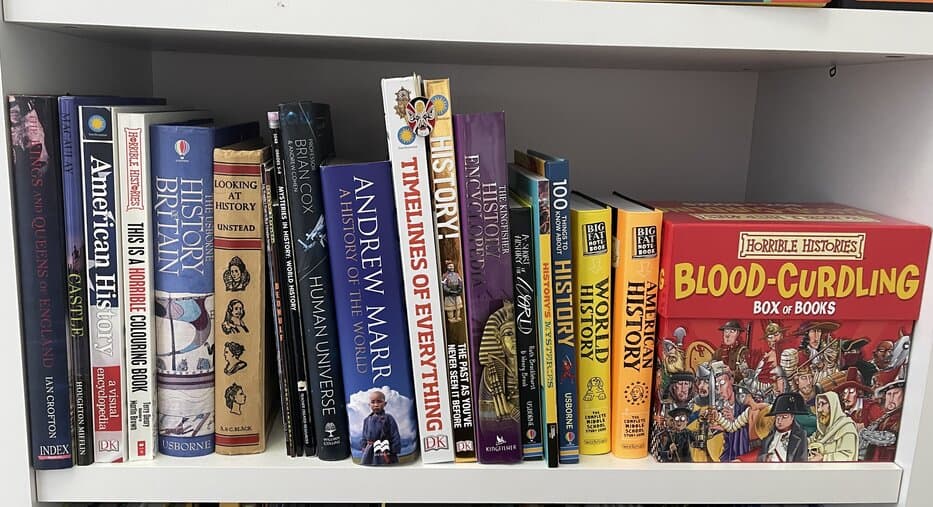
To reinforce topics and give quick context, we leaned on The Big Fat Notebook and Kingfisher History Encyclopedia. Having visuals, timelines, and short explanations made independent research much easier and kept interest high.
That combination gave us structure while still leaving room for curiosity and discussion, which made history far more engaging overall.
Looking for more options? Explore the best homeschool social studies curriculum covering geography, civics, and world cultures!
Geography
Geography isn’t a major focus for us this year, but we still work it in through mapping practice, hands-on activities, and the occasional field trip. Most of our time is spent on U.S. geography, using puzzles, games, and map work to build location skills without turning it into busywork.
For families who want something more structured, Trail Guide to U.S. Geography and DK Geography Workbooks both offer clear lessons with plenty of visual support.
Even a lighter approach can go a long way when geography is kept practical and interactive.
Planning ahead? Check out the best seventh grade homeschool curriculum to find engaging and well-structured options for next year!
Spanish Curriculum
Spanish has worked best for us when it feels consistent but not heavy. We use a mix of short daily practice, live conversation, and simple workbook reinforcement to keep progress steady without burnout.
We still use Duolingo for quick, low-pressure practice, especially on busy days. To add real interaction and structure, we’ve also joined live Spanish classes through Outschool, which has been great for listening skills and speaking confidence.
For written practice, we rotate through:
- Skills for Success Middle School Spanish – solid for grammar and core vocabulary
- Carson Dellosa Skill Builders: Spanish I – short lessons that reinforce fluency without overwhelm
Using a mix of speaking, listening, and light workbook work has made Spanish feel manageable and effective instead of frustrating.
Electives & Enrichment
Our homeschool doesn’t stop at the core subjects. Electives are where a lot of real-world skills and personal interests come in, and they’ve made learning feel more balanced and enjoyable.
From technology to money skills to music and movement, these are the extras that added variety without overwhelming our schedule.
Coding & Technology
We use The Big Fat Notebook as an easy-to-follow foundation for basic concepts like algorithms, logic, and programming language basics.
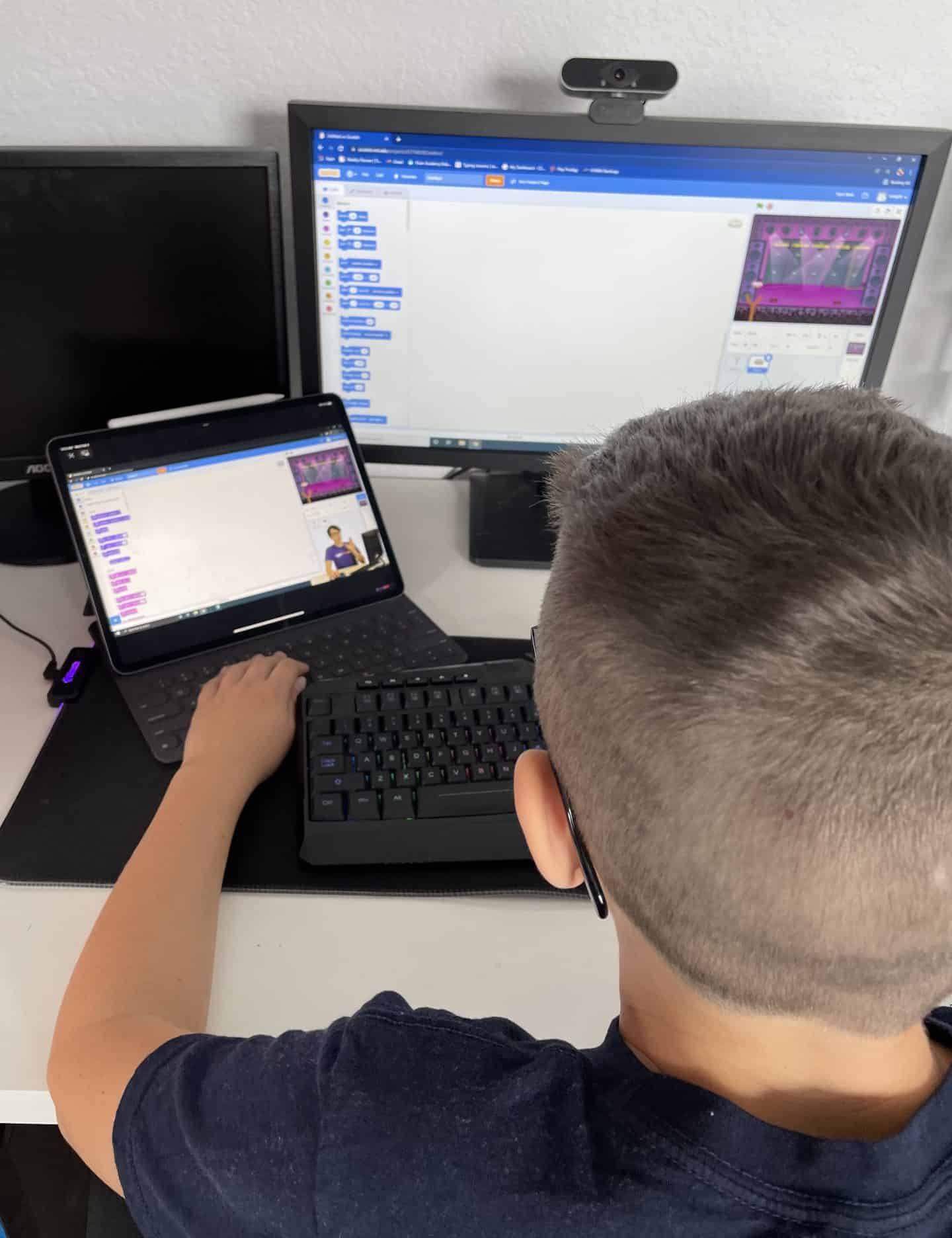
Alongside that, short sessions on kid-friendly coding sites keep things interactive and fun, especially when lessons turn into simple games or challenges.
Financial Literacy
One of the most useful additions has been MoneyTime.
It walks kids through budgeting, saving, spending, and long-term money choices in a way that feels practical instead of abstract. It’s been great for building real-life skills early.
Typing Skills
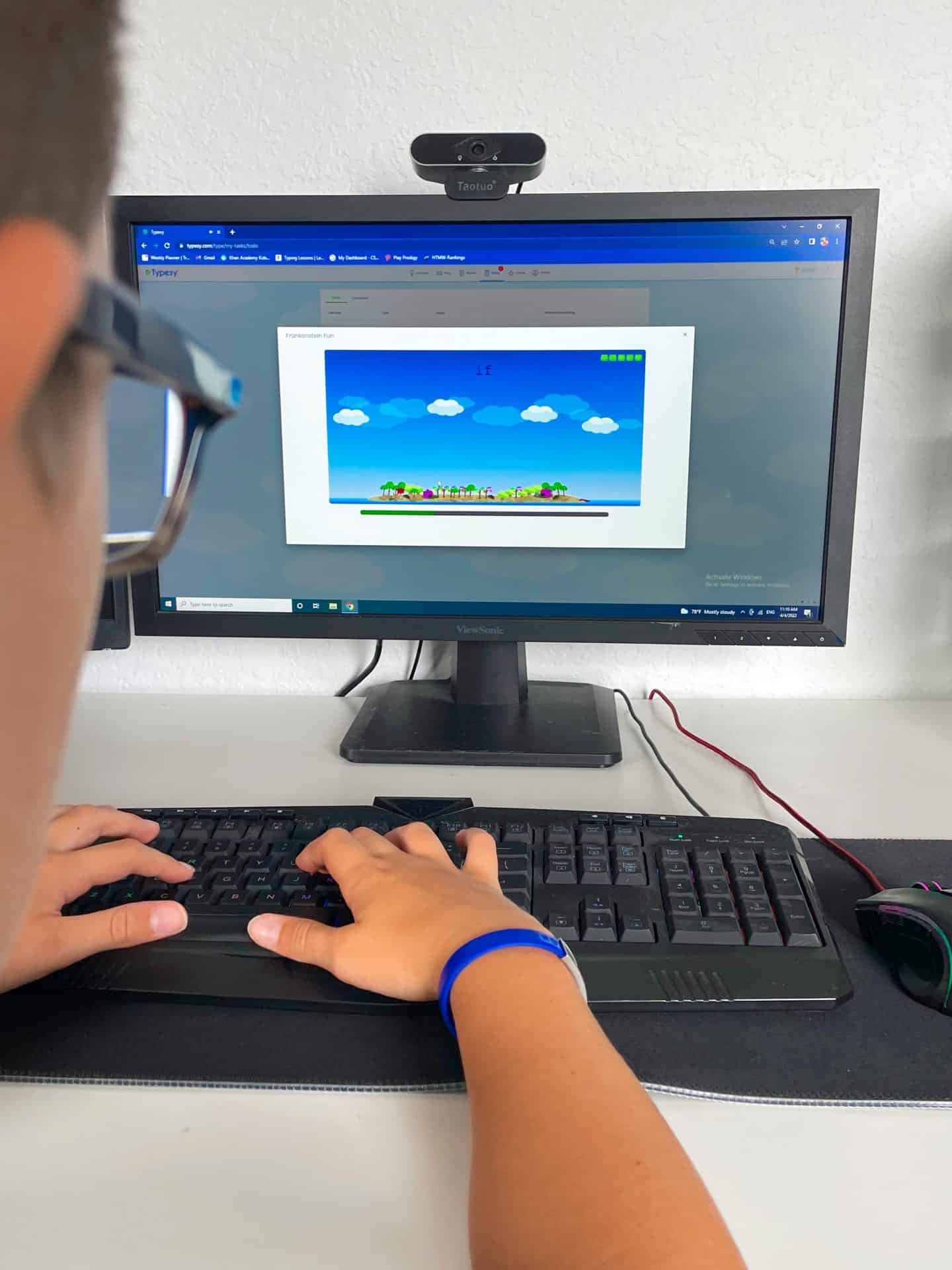
We brought in Typesy once more schoolwork moved online. It quickly became our go-to homeschool typing curriculum thanks to the short lessons and built-in progress tracking.
The short lessons, progress tracking, and adaptive practice made it easy to stay consistent without turning typing into a chore.
Life Skills
Cooking has become part of our routine, with one meal every couple of weeks planned and prepared using Best Kids Cookbook.
It’s been a simple way to work in math, responsibility, and confidence, plus a life skill they’ll actually use.
Music
Music is still part of our weekly rhythm, and adding a structured homeschool music curriculum has helped keep practice consistent.
We use online piano lessons and practice regularly with fun sheet music like Music From the Star Wars Trilogy to keep motivation high.
Physical Education
PE is mostly built around movement we enjoy, basketball, swimming, and lots of outdoor time. Staying active has helped with focus, energy, and overall mood far more than formal workouts ever did.

Homeschool Testing & Assessment
Standardized testing isn’t something every homeschool family needs, but we’ve found it useful as a periodic check-in. We use the Homeschool Boss MAP test (based on the NWEA assessment system) to get a clearer picture of progress across subjects.
It’s been helpful for spotting strengths, catching gaps early, and feeling confident about moving into the next grade level.
That said, testing isn’t the only way to measure learning. We also rely on projects, portfolio work, and simple skill checklists to track growth without adding pressure. A mix of formal and informal assessment has kept things accurate, and low stress.
6th Grade Homeschool Schedule
Having a loose routine has helped our days run more smoothly without feeling rigid. We keep core subjects consistent, then build in flexibility for hands-on work and interests.
A typical day looks something like this:
- Breakfast while watching CNN10 and using Tour The States
- Math with Beast Academy
- Quick practice with Prodigy Math Game
- Language arts (writing, spelling, grammar, vocabulary)
- Science with experiments, workbooks, and a subscription box
- Lunch and free choice time – drawing, LEGO, basketball, piano, or Curiosity Stream
- Literature (often Shakespeare or independent reading)
- History
- Typing practice
- Coding
- Spanish
We also use printable homeschool worksheets when we need extra practice or something quick to reinforce a topic.
Bedtime always includes about 30 minutes of reading.
Keeping the structure light but consistent has made it easier to stay focused without burning out. When energy dips, we shift the day, and when things are flowing well, we keep going.
If you’re looking to keep costs down, I’ve also rounded up free homeschool curriculum options across subjects and grade levels.
Last Updated on 6 February 2026 by Clare Brown
