Educational board games are a simple way to build skills like math, reading, and problem-solving through play, without adding more worksheets or screen time.
This list focuses on games that actually support learning and hold kids’ attention, whether you’re homeschooling, reinforcing classroom skills at home, or planning family game nights.
The games are grouped by subject and age so it’s easier to find something that fits without sorting through dozens of options.
**This post may contain affiliate links. As an Amazon Associate and a participant in other affiliate programs, I earn a commission on qualifying purchases.**
Educational Board Games by Subject and Skill
These homeschool board games are grouped by subject so it’s easier to find options that match what your child is working on, whether that’s math, reading, science, or critical thinking.
Some games reinforce specific academic skills, while others build logic, strategy, or problem-solving through play. Not every game feels like a lesson, but each one offers learning value that shows up naturally during gameplay.
Start here:
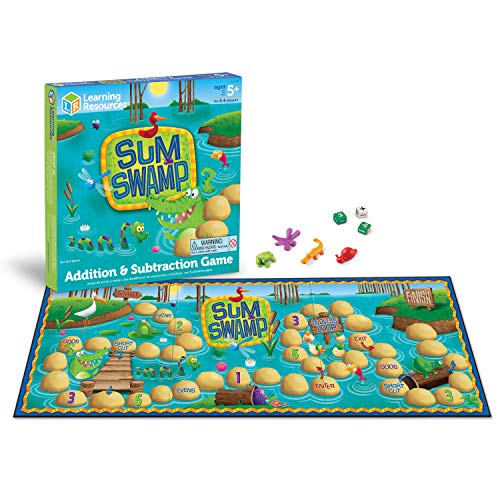
Sum Swamp Game
Sum Swamp works best for younger kids who are just getting comfortable with addition and subtraction and need lots of repetition without pressure. The pace is slow and supportive, which makes it a good choice for ages 5–7 or for kids who shut down when math feels rushed. We’ve found it especially helpful as a confidence-builder before moving on to faster-paced math games.This is one of our favorite math board games for 5 year olds.
Read More
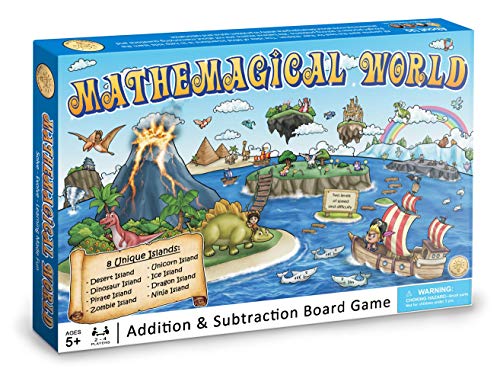
Mathemagical World
This game is a good fit once kids already know basic operations and are ready to practice them in a more strategic way. The math is built into the game rather than isolated on flashcards, so it works well for kids who enjoy puzzles and planning. It’s better for elementary and up, this one can feel overwhelming if a child is still shaky with basic facts.
Read More
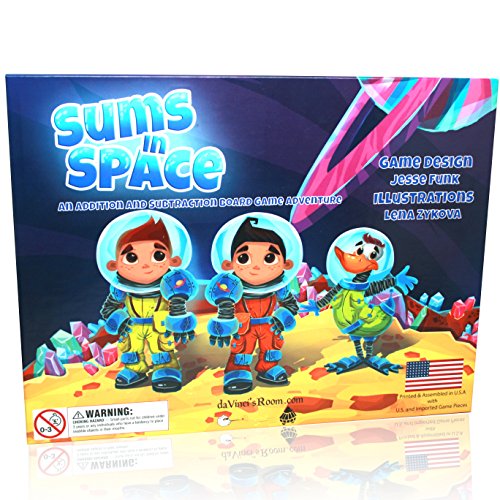
Sums in Space
Sums in Space is a solid choice for kids who like visual movement and themes, especially space lovers. The math stays straightforward, but the board design keeps kids engaged long enough to practice without realizing how many problems they’re solving. This works well for reinforcing skills rather than introducing new ones, and it’s easy to pull out for short practice sessions.Related: Free space counting worksheets.
Read More
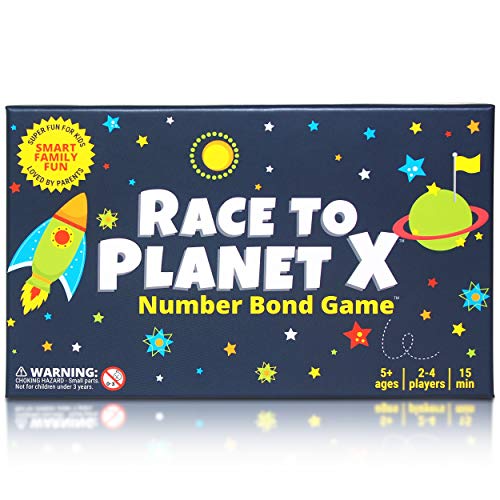
Race to Planet X
This is one of the better number board games for kindergarten and early first grade because the focus stays on simple addition and subtraction without adding extra rules. Turns move quickly, which helps kids stay engaged, and the game doesn’t require strong reading skills. It’s a good option when you want math practice that feels playful instead of instructional.
Read More
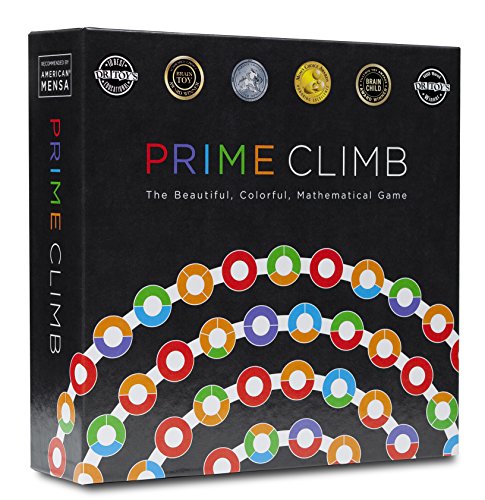
Prime Climb
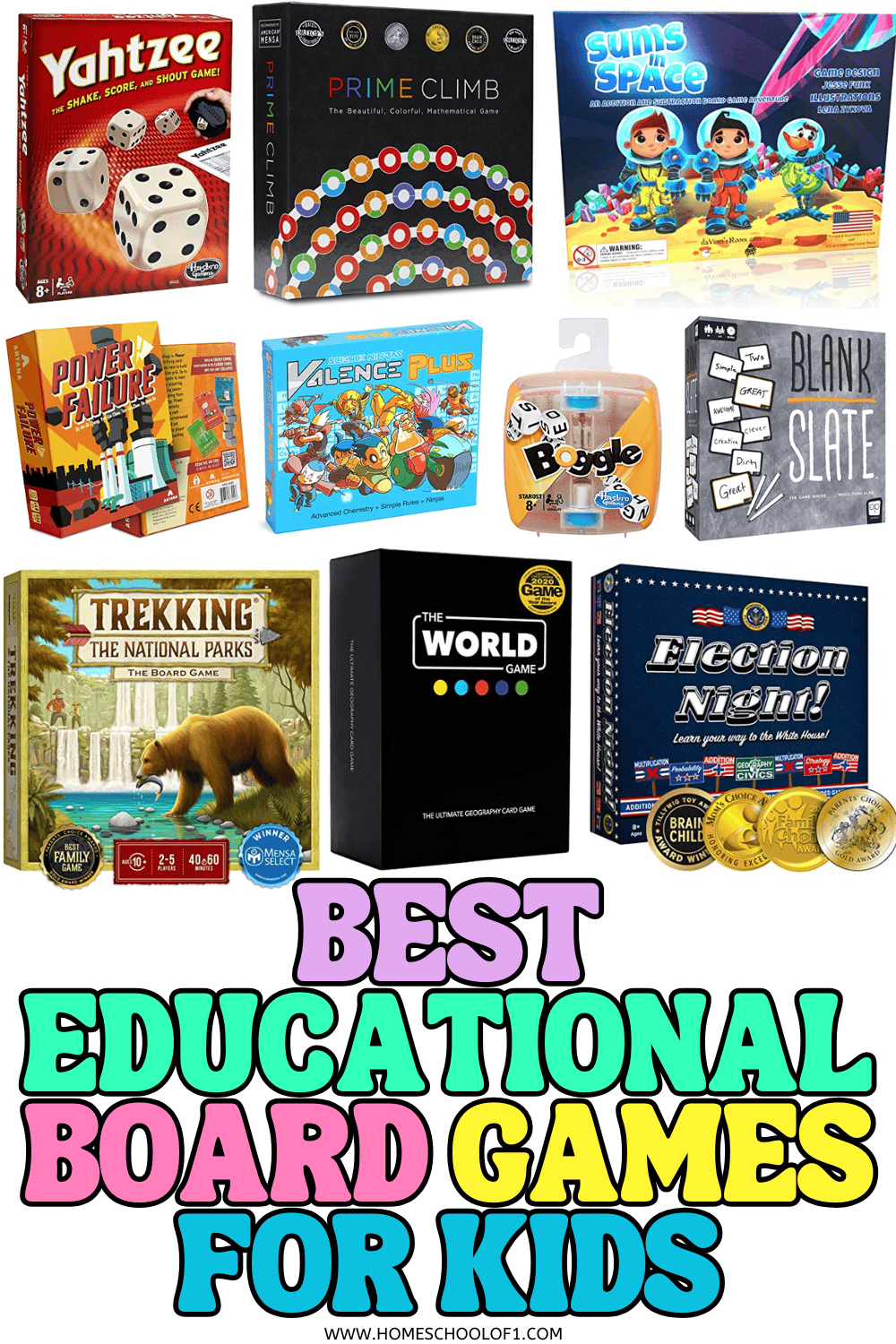
Prime Climb is best for older kids who already know their multiplication facts and are ready to think more deeply about numbers. It introduces concepts like prime numbers and factor relationships in a way that feels like strategy rather than drill. This one works well for upper elementary and middle school, but it can be frustrating if a child doesn’t have solid number fluency yet.
Read More
Learning Resources Money Bags Coin Value Game
Money Bags is one of the best board games about money. Kids physically handle coins, make exchanges, and see how different combinations add up, which helps money concepts stick. This works best for early elementary ages and for kids who struggle to understand money on paper but do well with hands-on learning.
Read More
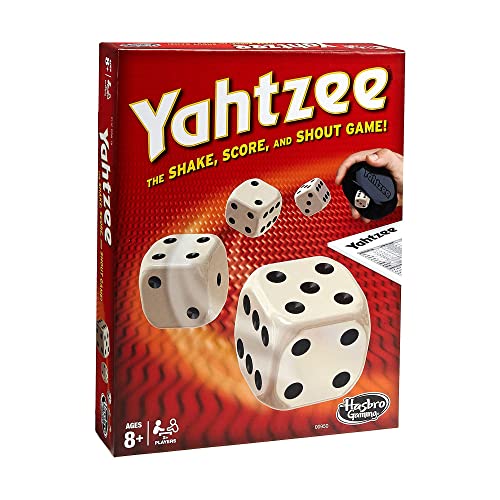
Yahtzee
Yahtzee doesn’t look educational at first, but it’s great for reinforcing mental math once kids know basic addition. The real learning happens when players start planning which combinations to aim for and calculating scores quickly. This works better for elementary and up, and it’s especially useful for kids who need low-pressure math practice that feels like pure fun.
Read More
Proof!
Proof! is a strong choice for kids who enjoy logic and numbers rather than speed-based games. Players have to build correct equations, which naturally encourages flexible thinking and problem-solving. This one shines with older elementary and middle school students and works well when you want math that feels thoughtful rather than competitive.
Read More
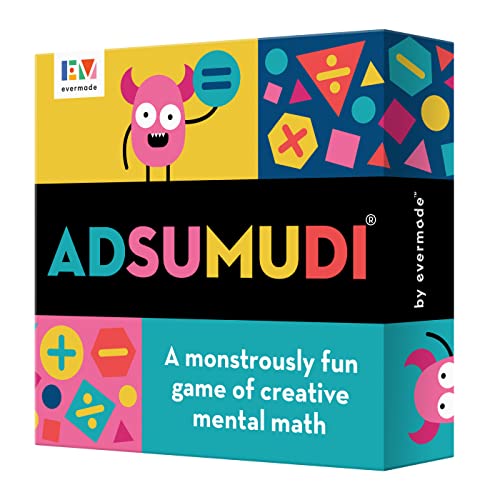
Adsumudi
Adsumudi is ideal for practicing multiplication facts once kids are past the memorization stage and ready to apply them strategically. The game rewards planning and pattern recognition, not just knowing the answers. It’s best for kids who already have some multiplication fluency—otherwise it can feel frustrating instead of fun.Related: Free printable multiplication chart
Read More
Monopoly
Monopoly works best as a long-form learning game rather than a quick math activity. Kids practice money management, decision-making, and negotiation, but it requires patience and adult support, especially with younger players. We’ve found it most useful for upper elementary and older kids who can handle longer gameplay and more complex rules.
Read More
Word for Word Phonics Game
This game works well for early readers who are still connecting sounds to letters and need repetition without feeling drilled. The pace is gentle, and the focus stays on phonics rather than speed, which makes it a good fit for kindergarten and early first grade. It’s especially helpful for kids who benefit from structured practice but resist worksheets.If your child is right around that early elementary jump, you’ll probably like our board games for six year olds list too.
Read More
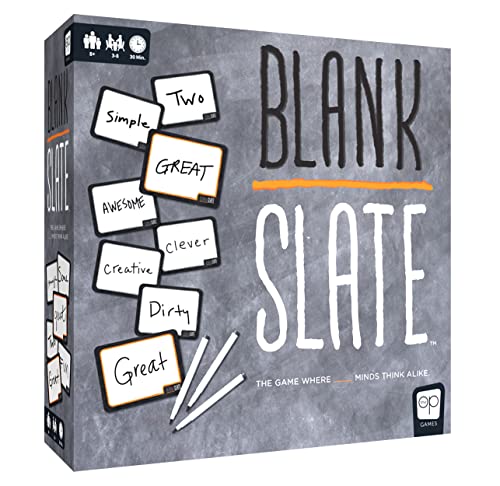
Blank Slate
Blank Slate is less about spelling and more about language flexibility and social thinking. Kids have to consider how others might respond, which leads to good discussion and laughter. This one works best for older elementary and up, and it’s great for family game nights where conversation and creativity matter more than academic precision.
Read More
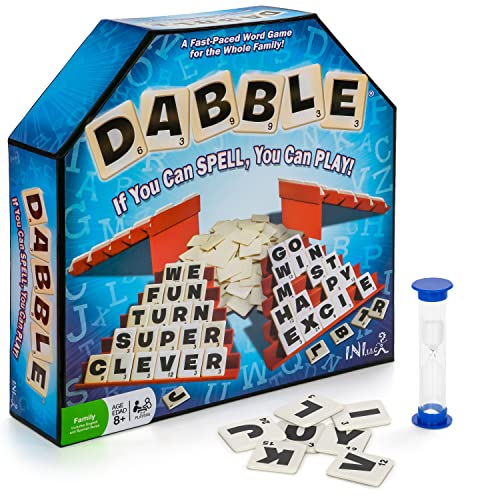
Dabble Word Game
Dabble is fast and energetic, making it a good choice for kids who already have solid spelling skills and enjoy a challenge. The time pressure pushes players to think quickly and rearrange letters on the fly. It’s better for confident readers—reluctant spellers may find it stressful rather than fun.
Read More
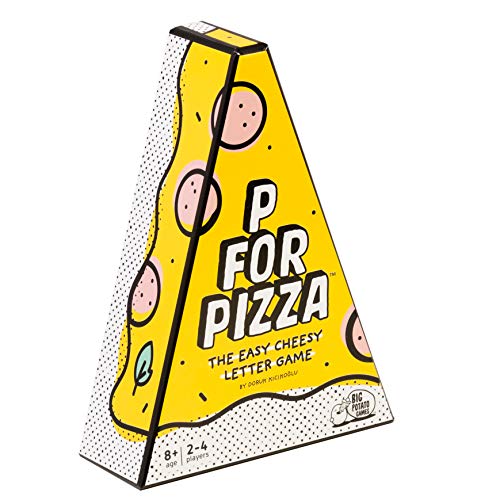
P for Pizza
P for Pizza is excellent for building word recall and verbal fluency without requiring spelling or writing. Because answers are spoken, it works well for kids who think quickly but struggle with written output. This game shines in mixed-age groups and keeps energy high without long setup or explanation.
Read More
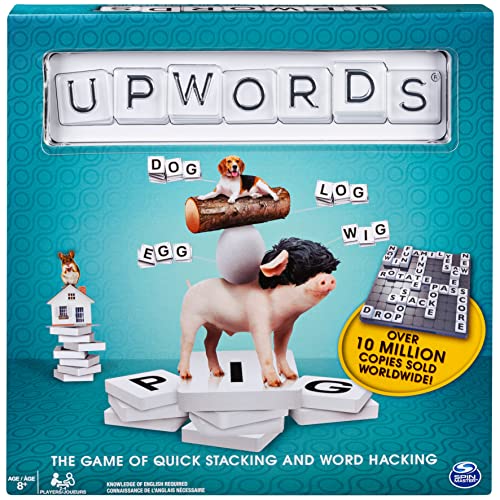
Upwords
Upwords adds a strategic twist to traditional word-building by allowing players to stack letters and change existing words. This encourages kids to think beyond basic spelling and consider spatial planning and word manipulation. It’s best for kids who already enjoy word games and are ready for a slightly more complex challenge.Related: Body systems crossword puzzle printable
Read More
Boggle
Boggle is great for strengthening word recognition and pattern spotting, especially for kids who like fast-paced challenges. It encourages scanning, quick thinking, and flexible spelling, but the timer can be intense. This works best for confident readers; younger or hesitant spellers may enjoy it more without the clock at first.Related: Words within words worksheet
Read More
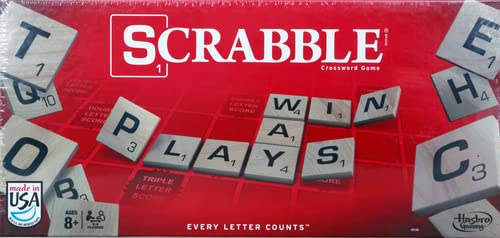
Scrabble
Scrabble supports spelling, vocabulary, and strategic planning, but it shines most with kids who already read comfortably. The scoring system naturally pushes players to think about letter value and placement, not just word length. It’s better for upper elementary and up, and often works best with house rules to keep it fun rather than frustrating.
Read More
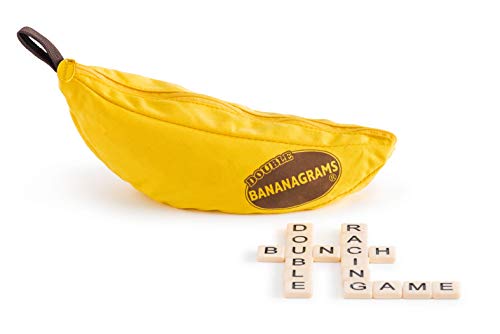
Bananagrams
Bananagrams is faster and more forgiving than Scrabble, which makes it easier to pull out regularly. Kids build and rebuild word grids on the fly, reinforcing spelling and word flexibility without waiting for turns. This one works well for independent play and mixed ages, as long as players already have basic spelling skills.
Read More
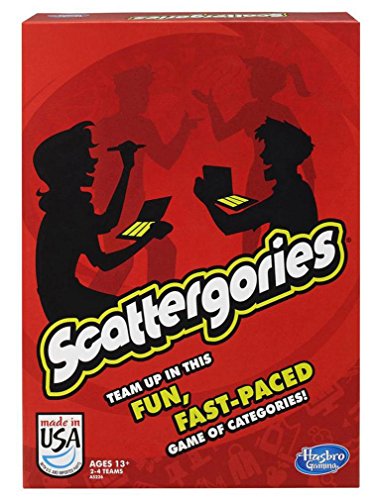
Scattergories
Scattergories is excellent for vocabulary, category thinking, and creative language use. The real learning happens in the discussion afterward, when kids explain their choices and debate what “counts.” It’s best for older elementary and up, and works especially well as a low-pressure language game during family time.We love it so much we have created some printable Scattergories lists for this game.
Read More
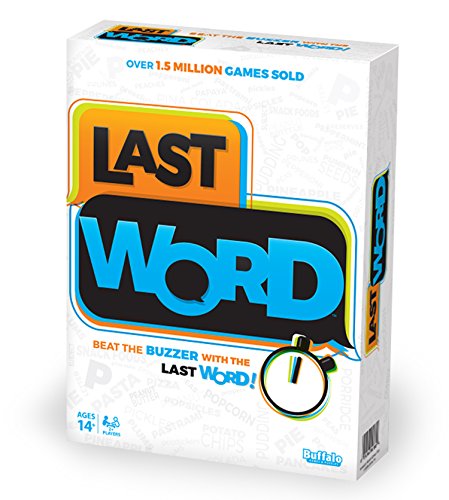
Last Word
Last Word focuses on quick verbal reasoning rather than spelling, which makes it accessible for kids who struggle with writing but think fast. The time pressure keeps energy high and pushes players to make connections quickly. This is a good option for building confidence in verbal expression without academic heaviness.
Read More
Periodic
Periodic works best for older kids who already have some exposure to the periodic table and are ready to use that knowledge strategically. Rather than memorizing elements, players start to notice patterns, relationships, and properties as part of gameplay. This one is a good fit for upper elementary and middle school, especially for kids who enjoy strategy games.
Read More
Robot Turtles
Robot Turtles is an excellent introduction to coding concepts for young kids, even those who can’t read yet. The game teaches sequencing, debugging, and directional thinking in a very visual, hands-on way. It works especially well for early elementary ages and for kids who enjoy problem-solving but get overwhelmed by screens or written instructions.
Read More
Wildcraft!
Wildcraft! stands out as a cooperative game, which makes it a nice change from competitive play. Kids learn about plants and herbal uses while working together toward a shared goal, rather than racing against each other. This one works well for mixed ages and for families who want a calmer, discussion-friendly game.
Read More
Valence Plus
Valence Plus is best for kids who enjoy chemistry and are ready for abstract thinking. The game introduces bonding, valence electrons, and molecule formation through strategy, not memorization. It’s more successful with middle school and up, or with younger kids who already love science and don’t mind a steeper learning curve.
Read More
Ion: A Compound Building Game
Ion focuses on charges, bonding, and compound formation in a very concrete way. Players physically combine ions to create neutral compounds, which helps make abstract chemistry concepts more tangible. This game works well as a supplement to formal science lessons rather than a standalone introduction.This is a great addition to your homeschool science curriculum.
Read More
Power Failure
Power Failure works best for kids who enjoy problem-solving and cooperative strategy. Players have to think through energy choices and consequences rather than rush to a single right answer. This one fits well with upper elementary and middle school science, especially when you want discussion around renewable energy and systems thinking.
Read More
Dr. Eureka Speed Logic Game
Dr. Eureka is quick to learn but surprisingly challenging. Kids have to plan moves mentally before touching anything, which builds sequencing, logic, and fine motor control. It’s great for short bursts of focused thinking and works well for kids who like hands-on puzzles more than abstract problems.
Read More
The Genius Star
The Genius Star is excellent for developing spatial reasoning and perseverance. The range of difficulty levels means kids can start simple and slowly work up without feeling stuck. This game works well for independent play and is especially good for kids who enjoy quiet, focused challenges.
Read More
Guess in 10 Countries of The World
Guess in 10 is easy to jump into and doesn’t require much setup, which makes it useful for casual learning moments. Kids practice geography facts, landmarks, and logical questioning without feeling quizzed. This one works well for mixed ages and short play sessions.
Read More
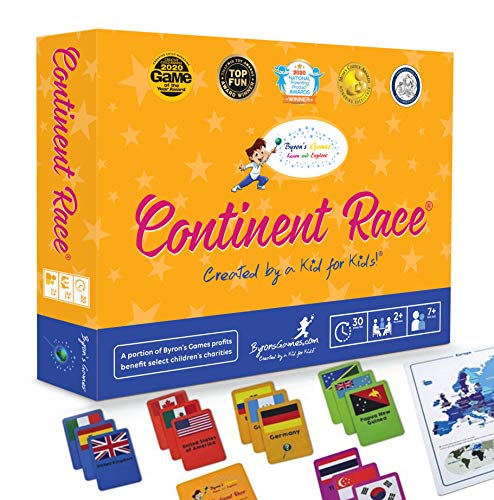
Continent Race
Continent Race is a solid option for reinforcing world geography once kids already recognize basic maps. The competitive element keeps interest high, but the real value comes from repeated exposure to country names, locations, and continents. It works best for upper elementary and benefits from occasional map reference alongside gameplay.Related: Free continent worksheets
Read More
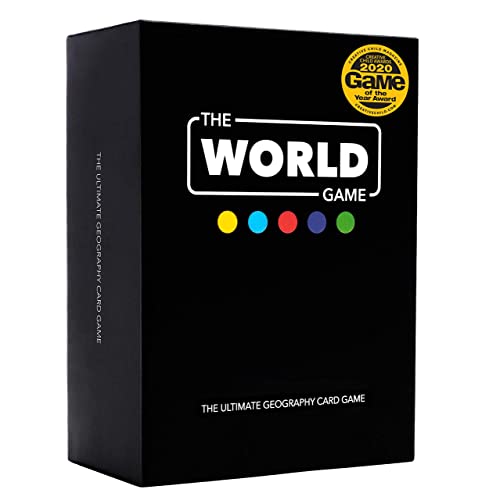
The World Game
The World Game leans heavily into facts, making it a good fit for kids who enjoy trivia-style learning. It covers flags, capitals, landmarks, and countries in a straightforward way. This one works well for review and reinforcement, especially for kids who like quizzes and structured knowledge games.Related: Best map games
Read More
Flags of The World Travel Game
This game is especially helpful for visual learners. Matching flags to countries helps kids build recognition quickly, and the repetition makes the information stick over time. It’s best used in short sessions and works well as a supplement alongside geography lessons rather than a long standalone game.
Read More
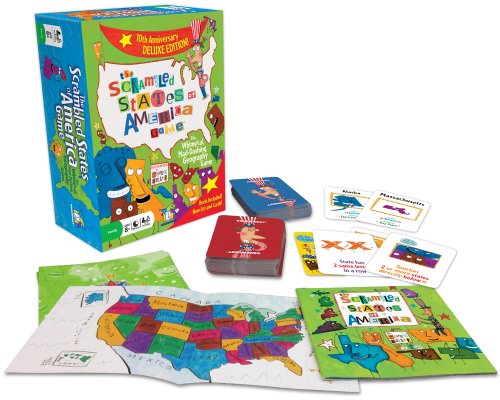
The Scrambled States of America Game
Scrambled States is one of the more engaging ways to learn U.S. geography. The mix of shapes, capitals, and facts helps kids connect information instead of memorizing in isolation. It’s a strong choice for elementary students and tends to stay interesting even after multiple plays.
Read More
Camp Board Game
Camp blends geography, ecosystems, and teamwork into a relaxed, adventure-style game. Kids learn about different landscapes and environments while working together, which keeps frustration low. This one works well for families who want educational play that feels calm and cooperative rather than competitive.
Read More
Ticket to Ride Board Game
Ticket to Ride isn’t a direct geography lesson, but kids naturally start learning city names, routes, and spatial relationships as they plan connections across the map. The strategy element keeps it engaging without requiring constant adult help. This works best for elementary and up, especially for kids who enjoy planning and visual maps.
Read More
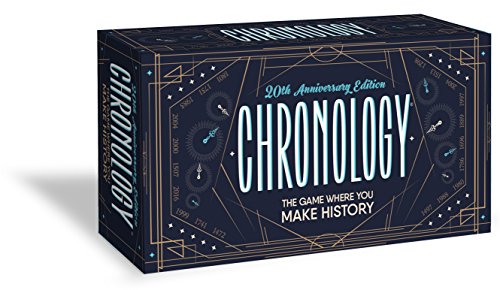
Chronology
Chronology is great for developing a sense of historical order rather than memorizing facts in isolation. Kids practice placing events on a timeline and start noticing cause-and-effect relationships between eras. This one works best for older elementary and up and is easy to adjust in difficulty.
Read More
Catan Histories: Settlers of America
This version of Catan adds historical context to familiar gameplay. Kids practice resource management and strategic planning while getting exposure to early American settlement themes. It’s best for older kids who already understand the base Catan rules, as the learning curve can be steep for beginners.
Read More
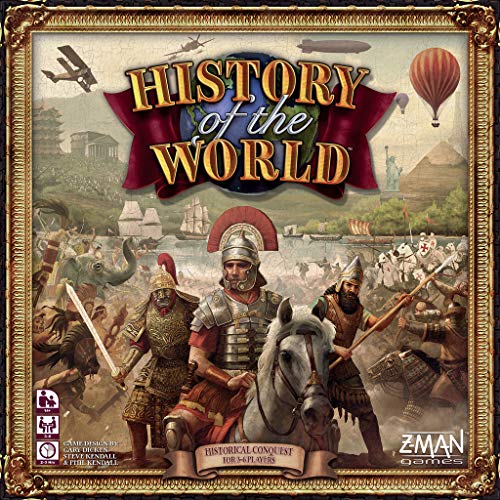
History of the World
History of the World is a long, complex game that works best for teens or advanced players who enjoy deep strategy. It covers broad historical movements rather than detailed facts, making it more about patterns and consequences than memorization. This one is better suited for extended play sessions and history-focused families.
Read More
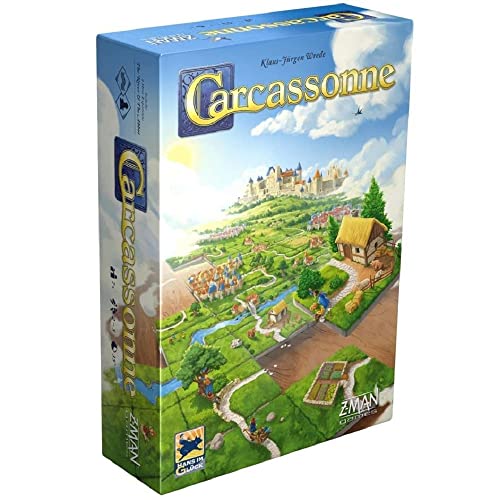
Carcassonne Board Game
Carcassonne builds spatial reasoning and planning skills as players decide where to place tiles and when to claim areas for points. The rules are simple enough to learn quickly, but the strategy deepens over time, which keeps it interesting for repeated play. This works well for elementary and up and is easy to adapt for mixed-age groups.For more details, you can read our Carcassonne review.
Read More
Pandemic Board Game
Pandemic is a cooperative game, so players win or lose together, which naturally encourages communication and teamwork. Kids practice planning ahead, prioritizing actions, and understanding cause-and-effect as the game unfolds. It’s best for older elementary, teens, and adults, and works especially well for kids who enjoy problem-solving without head-to-head competition.
Read More
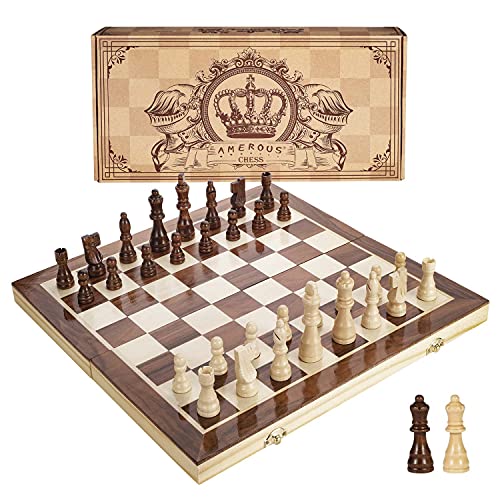
Chess
Chess develops patience, foresight, and strategic thinking over time rather than through quick wins. Kids start by learning how pieces move, but the real learning happens as they begin to anticipate consequences and plan several moves ahead. This is a long-term learning game that works well for kids who enjoy quiet, focused challenges.
Read More
Monopoly House Divided
This version of Monopoly introduces political themes and decision-making into familiar gameplay. Players see how choices and policies affect outcomes, which can spark thoughtful discussion about civics and government. It works best for older kids and teens who can handle abstract ideas and longer games.
Read More
Spin Doctor – The Card Game of Dirty Politics
Spin Doctor is more about understanding messaging and persuasion than winning quickly. Players experiment with strategy, influence, and timing, which makes it a good conversation starter about media and politics. This game fits best with teens and adults and works well when paired with discussion rather than treated as a casual family game.
Read More
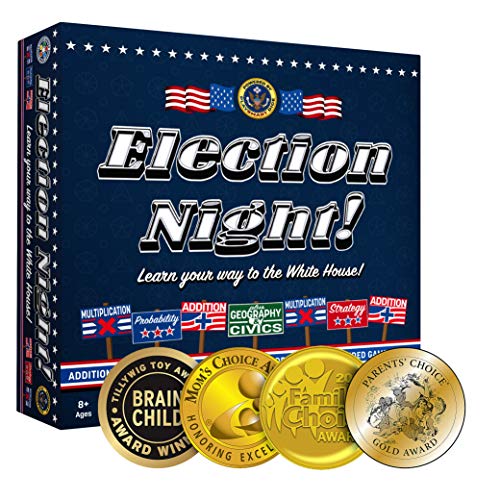
Election Night!
Election Night! helps kids understand how campaigns work beyond just voting day. Players plan strategies, manage resources, and respond to changing conditions, which naturally leads to conversations about elections and civic responsibility. This one works best for older kids and teens, especially when you pause to talk through the choices being made.Related: Free Election Day coloring pages.
Read More
Trivial Pursuit Game
Trivial Pursuit is best used as a review game rather than a teaching tool. Kids pull from what they already know across subjects like history, civics, and general knowledge, which makes it useful for recall and discussion. It works well with older kids who enjoy trivia, but it’s most effective when played casually without strict scoring pressure.
Read More
Last Updated on 7 January 2026 by Clare Brown


















Heya.
Board games are perfect in order to teach math skills. We love to play a fast paced timed game of Rummikub. Best wishes to you. I love your blog. We also try Monopoly Deal from time to time.
We start off typically with a untimed yet still rather quick practice round. This is done in addition to build up slowly. The kids do really have to think fast to win. So do us adults. I love it.
Every single winter I pull it out of a downstairs cupboard for us to play. Each player gets thirteen tiles to place slowly on a rack. I start off the game by placing one set on the table. We take it in turns to play each round as it happens.
This is the game for boosting their limited counting skills for sure. It is also a decent game overall. And I have found that it works to control the degree of boredom. Nothing else could be more ideal. Seriously. Recommended.
I’m so glad to hear that you’re enjoying the blog and finding educational board games to be a great way to teach math skills. Rummikub and Monopoly Deal are excellent choices! Your approach of starting with an untimed practice round and gradually increasing the pace is a fantastic way to make the learning process enjoyable for both kids and adults. It sounds like a fun and engaging way to boost counting skills and keep boredom at bay during the winter months. Thanks for sharing your experience and recommendations – they’re sure to be helpful for others looking to incorporate education into their family game nights. Keep having fun and learning through play!