Word Games for Kids That Make Reading and Spelling Fun

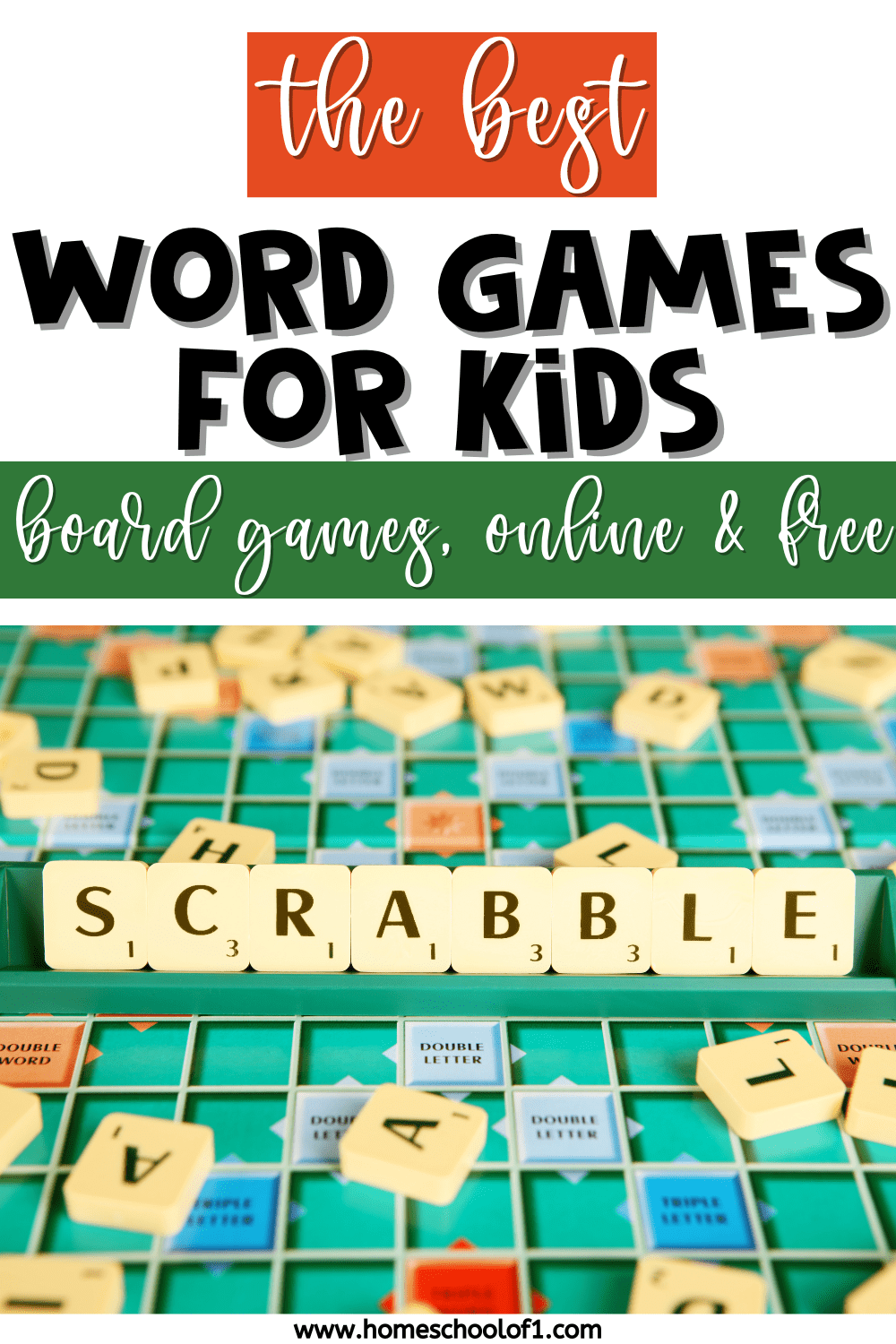
Word games for kids have been one of the easiest ways to build reading and spelling skills in our house, especially when writing felt like a battle.
My son has never loved sitting down with a worksheet, but put letters into a game and everything changes. Whether it’s a quick board game after dinner, a printable word search on a quiet afternoon, or a fast-paced round of Bananagrams, he practices vocabulary without even realizing it.
These are the word games that have actually worked for us, a mix of board games, simple printables, and online options that make literacy feel lighter and a lot more fun.
**This post may contain affiliate links. As an Amazon Associate and a participant in other affiliate programs, I earn a commission on qualifying purchases.**
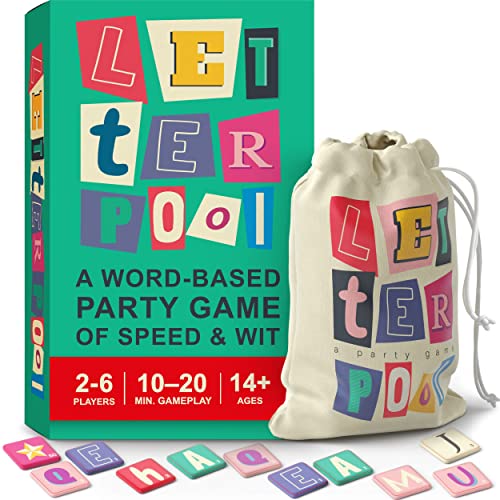
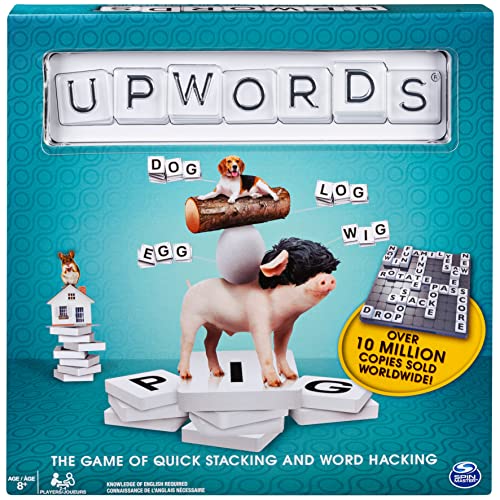
Word Board Games We Keep Reaching For
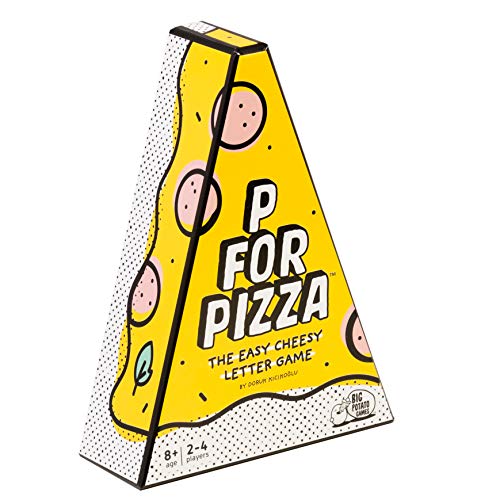
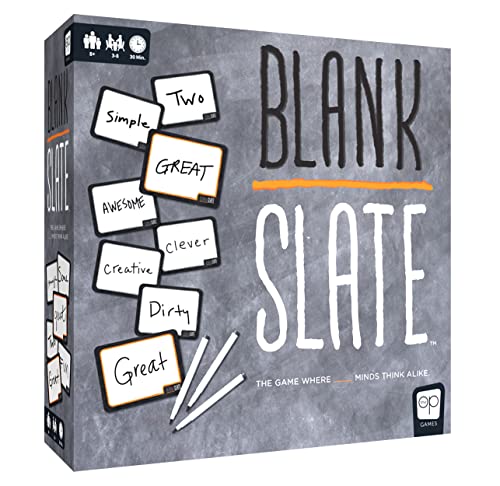
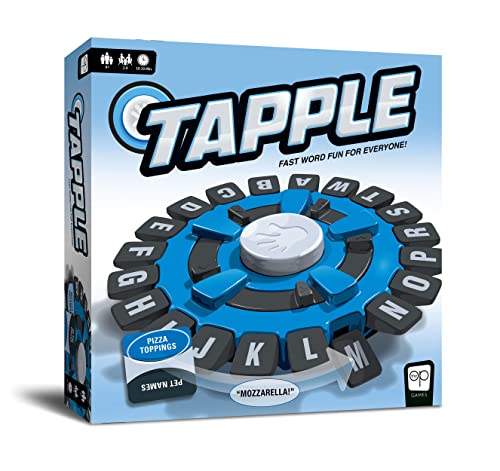
Word board games have been the easiest way to practice spelling without it feeling like “school.” We’ve played some of these for years, and a few only come out in certain phases, but all of them get kids thinking about letters and words in a low-pressure way.
These work for different ages, attention spans, and competitiveness levels, from early readers to teens who pretend they’re “too old” for word games.





Free Printable Word Games for Kids
Not every word game needs a board or an app. Sometimes all you need is a pencil and a few quiet minutes.
These printable word games have worked well for us on slower afternoons, in waiting rooms, or when I need something simple that still reinforces spelling and vocabulary.
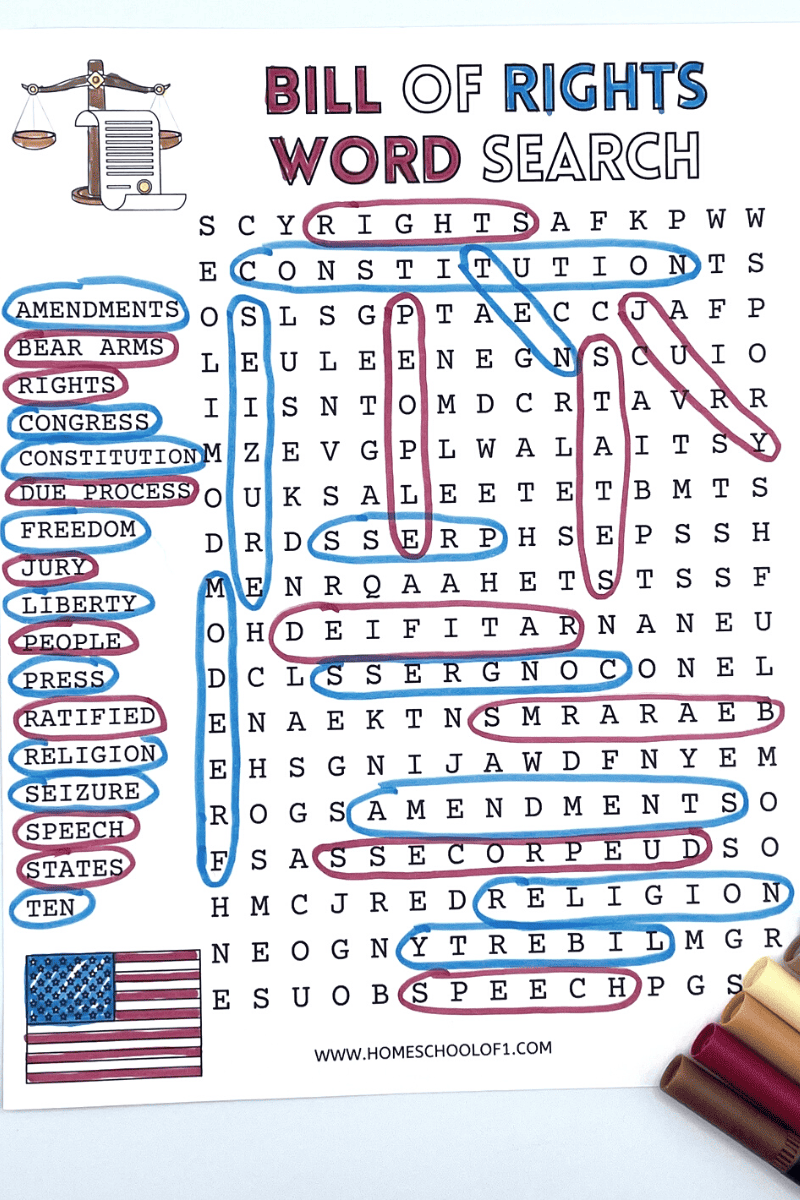
We use word searches as a low-pressure way to build pattern recognition. They’re easy to set out during independent work, and my kids often turn them into quiet competitions to see who finishes first.
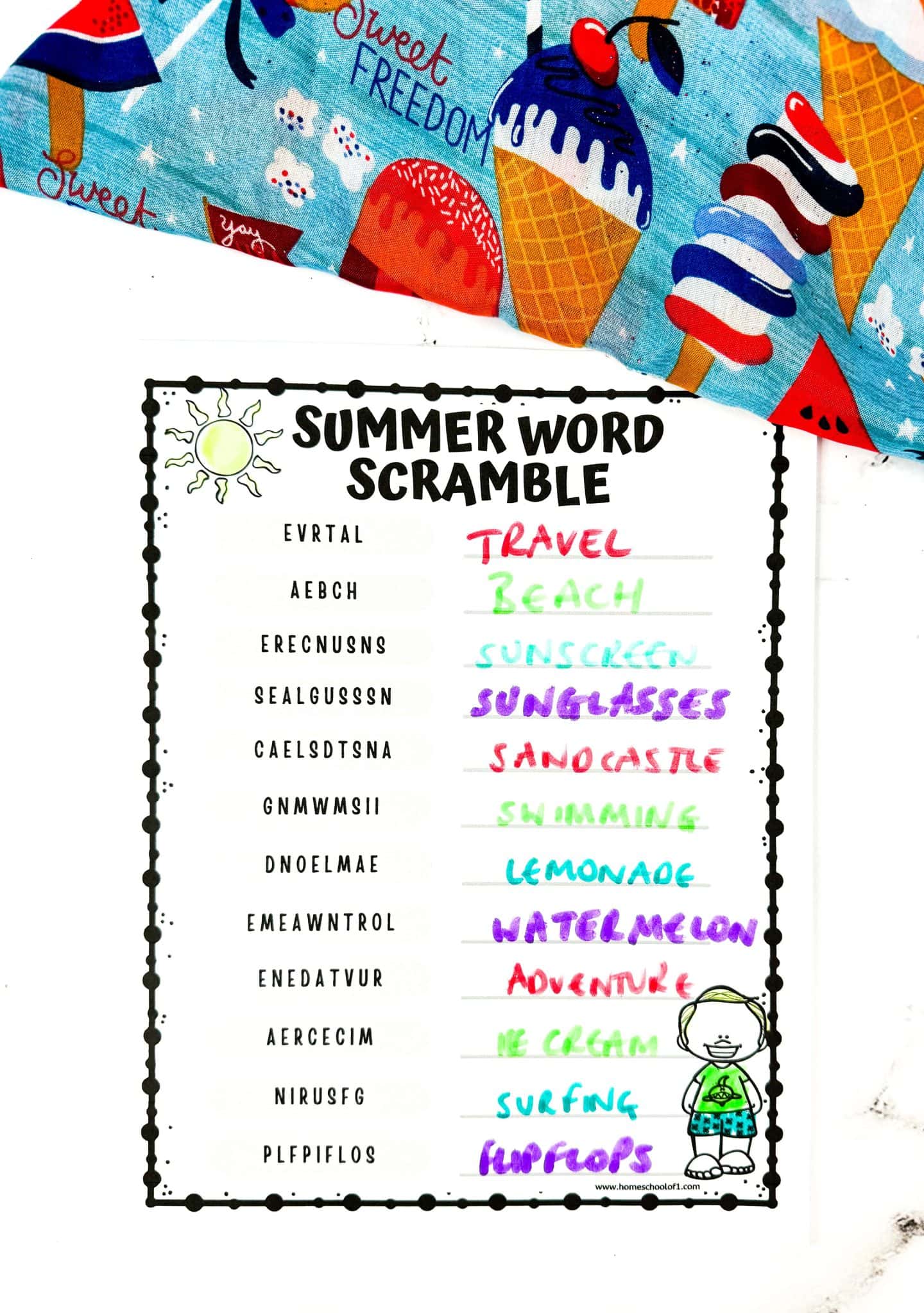
Word scrambles take a little more thinking. They’ve worked especially well during seasonal units when the vocabulary is already familiar. If you want a quick way to turn those same word lists into custom printable spelling tests, it’s easy to create them in seconds.
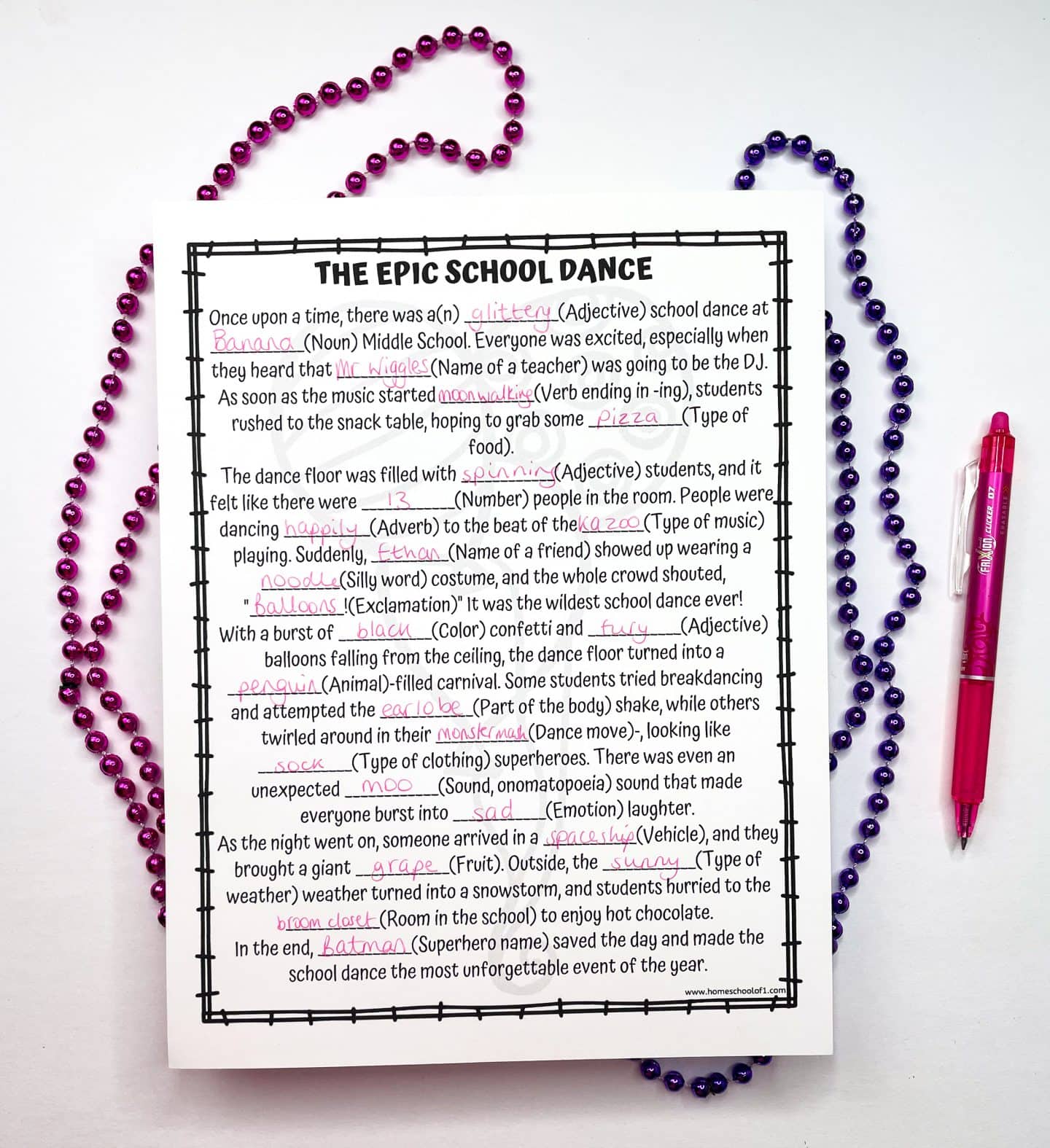
Mad Libs lean more into grammar than spelling, but they’re worth including because they get even reluctant writers laughing. The online Mad Libs game for kids is especially good when they want to keep creating new stories without reprinting pages. Reading the finished stories out loud is usually the best part.
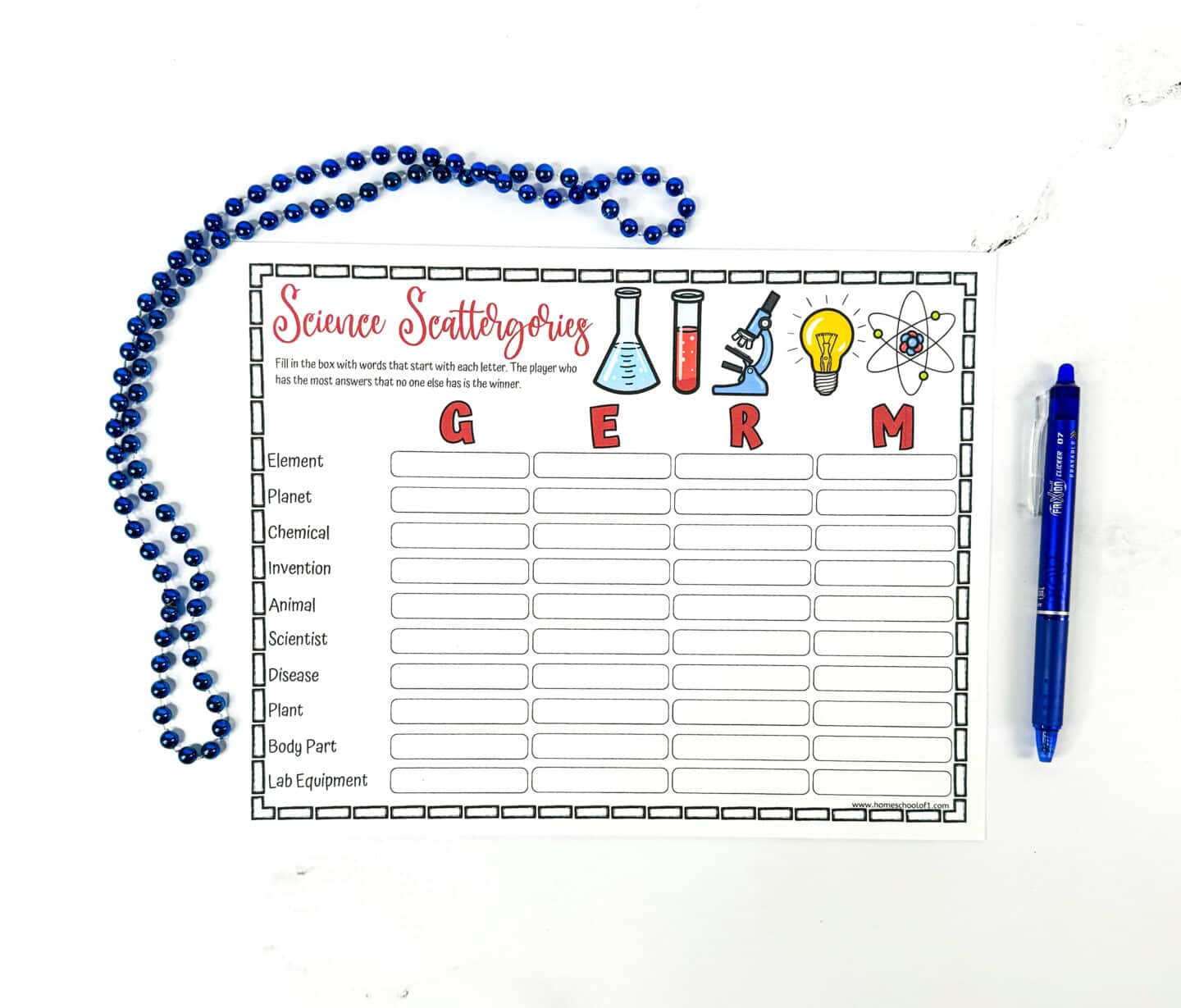
Printable Scattergories work better with older kids who can think quickly under pressure. They’re great for small groups or siblings close in age who like a bit of competition.
All of these are simple, screen-free options. No setup, no logins, just print and start.
Seasonal Word Games
I also rotate in themed versions throughout the year, especially when we’re doing light holiday learning at home:
Seasonal printables keep things feeling fresh without changing the structure of the activity.
Online Word Games for Kids
We don’t rely on screens for most word practice, but there are a few digital platforms that have genuinely held my son’s attention. These work best when they feel like part game, part story, not just spelling drills with bright graphics.
Night Zookeeper
Night Zookeeper leans heavily into storytelling. Kids create characters and build a world, and the writing tasks are woven into that structure. It works well for creative kids who resist worksheets but will happily write if it feels like part of a game.
(You can read more in my full Night Zookeeper review if you want a deeper breakdown.)
Adventure Academy
Adventure Academy feels more like a virtual world than a single game. There are quests, books, and short word-based challenges mixed in. It’s broader than just literacy, which can help if your child doesn’t want something that feels “only” focused on spelling.
I’ve found it works best in short sessions rather than open-ended screen time. Check out our Adventure Academy review for more insights!
ABCmouse
ABCMouse is geared toward younger learners who are just starting to recognize letters and simple words. The repetition can actually be helpful at that stage, especially for kids who benefit from visual reinforcement.
It’s more structured than the others, which can be reassuring if you prefer guided progression. You can find out more in our ABCmouse review.
Why Word Games Actually Work
Word games lower resistance. When writing feels like work, adding a timer, tiles, or a bit of competition changes the mood completely.
I’ve noticed that when letters are part of a game, my son takes more risks. He’ll try longer words, experiment with endings, and correct himself without being prompted. That kind of practice is hard to get from a worksheet.
Over time, word games tend to strengthen:
- Vocabulary – kids see and reuse words naturally instead of memorizing lists.
- Spelling patterns – common endings and blends start to feel familiar.
- Word retrieval – quick games like Tapple push them to think faster.
- Confidence – especially for reluctant writers.
It’s not about replacing formal learning. It’s about making practice lighter so it sticks.
If word games have worked in your house too, I’d love to hear which ones get the most replay.
Last Updated on 12 February 2026 by Clare Brown
