Fun Black History Month Activities for Kids

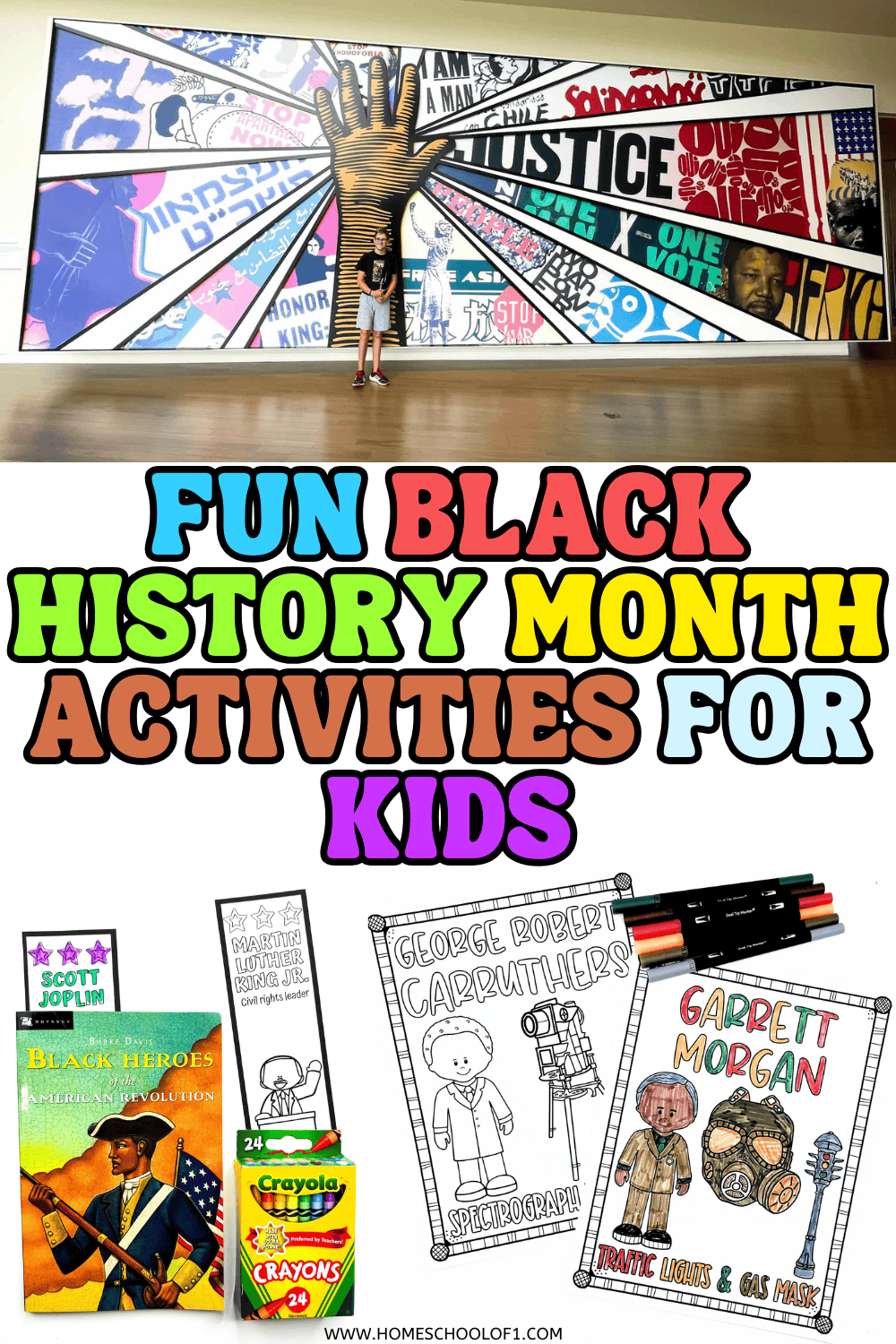
Black History Month activities are most effective when they ask students to engage with real people, ideas, and moments rather than simply complete worksheets.
February offers a natural opportunity to slow down and create space for discussion, creativity, and reflection across subjects.
In both classrooms and homeschool settings, students benefit from activities that encourage questioning, connection-making, and personal response through reading, writing, art, and guided research.
This post focuses on practical, age-appropriate ideas that can be adapted for different learning environments. Any printable materials included are used to support the activity itself, keeping the emphasis on understanding, participation, and meaningful learning.
**This post may contain affiliate links. As an Amazon Associate and a participant in other affiliate programs, I earn a commission on qualifying purchases.**
Meaningful Classroom Activities for February
These activities are designed to help students actively explore people, events, and ideas through discussion, creative work, and guided research.
Each activity can be adjusted by grade level and works in classrooms or homeschool settings without requiring elaborate preparation.
These ideas work especially well for upper elementary students but can be simplified for younger learners.
Discussion-Based Classroom Activities
Read-Aloud With Guided Discussion
Use a picture book or short nonfiction text focused on a Black historical figure or moment. Introduce the historical context before reading, then pause periodically to ask discussion questions about fairness, courage, or change.
Afterward, students can draw or write about one idea that stood out and explain why it mattered.
For younger students, Black History Month coloring pages can be used as a follow-up response, giving them a visual way to reflect on what they heard.
Quote Wall and Reflection Activity
Display a selection of quotes from Black leaders, artists, or activists around the room. Students rotate through the quotes, writing brief reflections about what each quote means and how it connects to the present.
This works well as a quiet individual activity followed by a whole-group discussion.
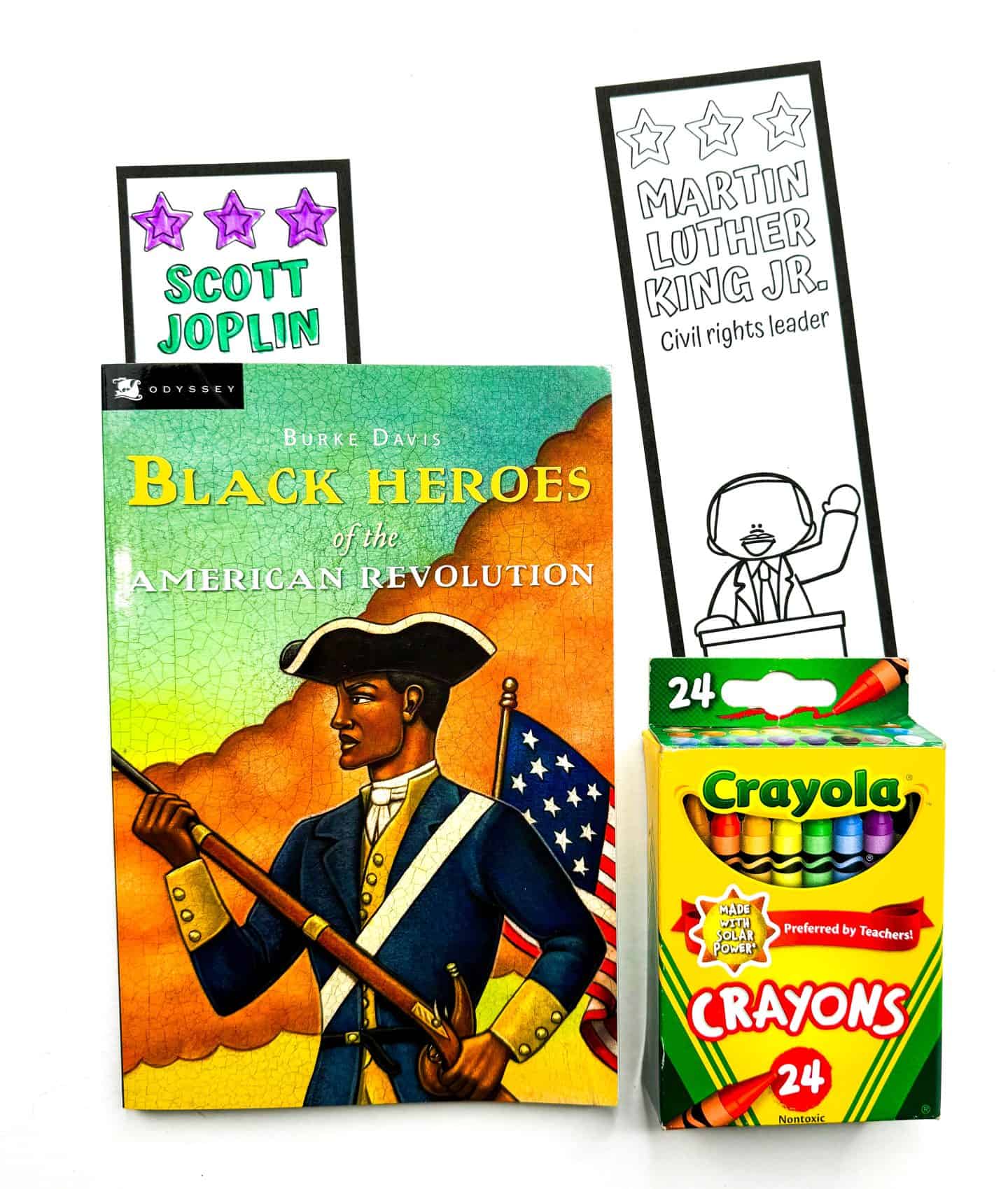
Quotes can also be printed on the back of our Black History Month bookmarks to color so students can revisit and reflect on them during independent reading time.
Writing Prompts and Journaling
Use open-ended Black History Month writing prompts that encourage reflection, such as writing about someone who worked to create change or responding to a historical event from a personal perspective. These can be used as morning work or discussion starters.
Project-Based Learning Ideas
Mini Research Project on a Historical Figure
Students choose one historical figure and complete a short guided research task. Provide 3–5 focused questions, such as who the person was, what problem they addressed, and why their work still matters today.
Younger students can respond with drawings and labeled sentences, while older students can write short paragraphs or create simple slides. End the activity by having students share one key takeaway with the class.
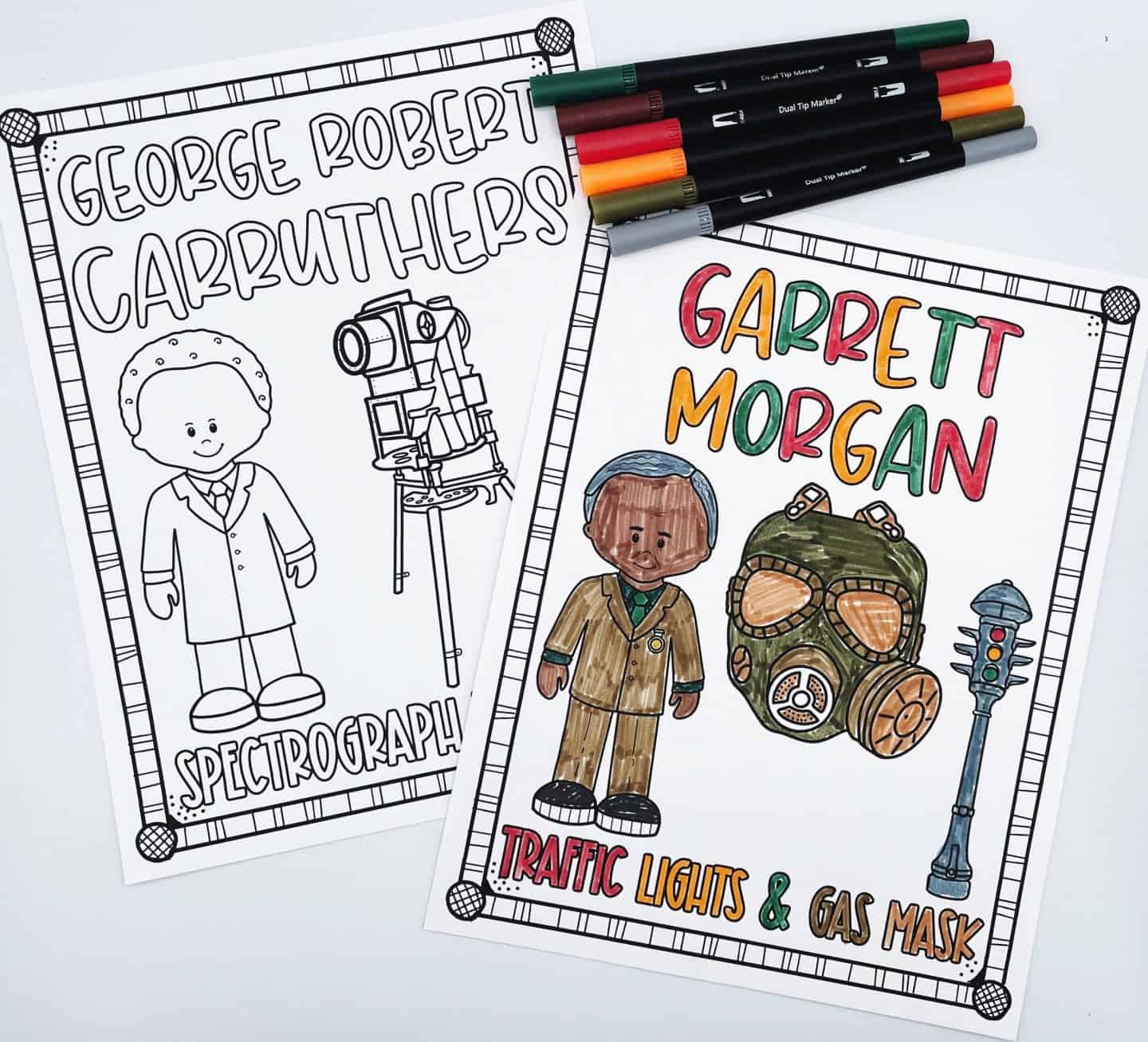
For younger students who are still developing writing skills, African American inventors coloring pages can be paired with oral explanations as part of the research process.
Classroom Museum Project
Students research a Black historical figure, event, or cultural movement and create a museum-style display with visuals and brief written explanations.
Organize exhibits by theme, science, civil rights, art, or sports, and allow students to rotate through the displays as visitors. To deepen engagement, students can write one question they still have after visiting each exhibit and discuss these as a group.
As a warm-up before starting research, a Black History Month word search can help students become familiar with key names and terms they’ll encounter.
Biography and Legacy Project
Students research a historical figure with a specific focus on legacy rather than life events alone. In addition to basic biographical facts, students explain how this person created change or influenced future generations.
Projects can be completed as illustrated biographies, short essays, or presentations. This activity works well for reinforcing cause-and-effect thinking.
A short review activity, such as a Martin Luther King Jr crossword puzzle, can help reinforce key facts before students begin writing.
Quote Analysis and Context Project
Students select a quote from a Black leader, writer, or activist and research when and why it was said. They write a short explanation of the quote’s meaning and connect it to a historical event or broader theme.
As an extension, students can reflect on how the quote applies to the present day or compare two quotes with similar messages.
Black Innovators Research Project
Assign students an inventor, scientist, or innovator to research. Students investigate the problem the individual was trying to solve, the obstacles they faced, and the impact of their work.
Students present their findings through posters, short reports, or oral presentations, highlighting perseverance and innovation alongside achievement.
Timeline and Cause-and-Effect Project
Students create a timeline that shows how events are connected rather than simply listing dates. Each event includes a brief explanation of why it mattered and what followed.
Older students can analyze how one event influenced another, while younger students can focus on sequencing and basic explanation. Students who need additional research ideas can use our random history topic generator to discover important events, movements, and turning points from different periods of history.
A short Black History word scramble can be used at the start of this activity to introduce important vocabulary before students begin building their timelines.
Creative Response Project
After completing a research or reading activity, students create an original response through art, poetry, or narrative writing.
Students include a short written or oral reflection explaining how their work connects to what they learned. This helps reinforce understanding while allowing for personal expression.
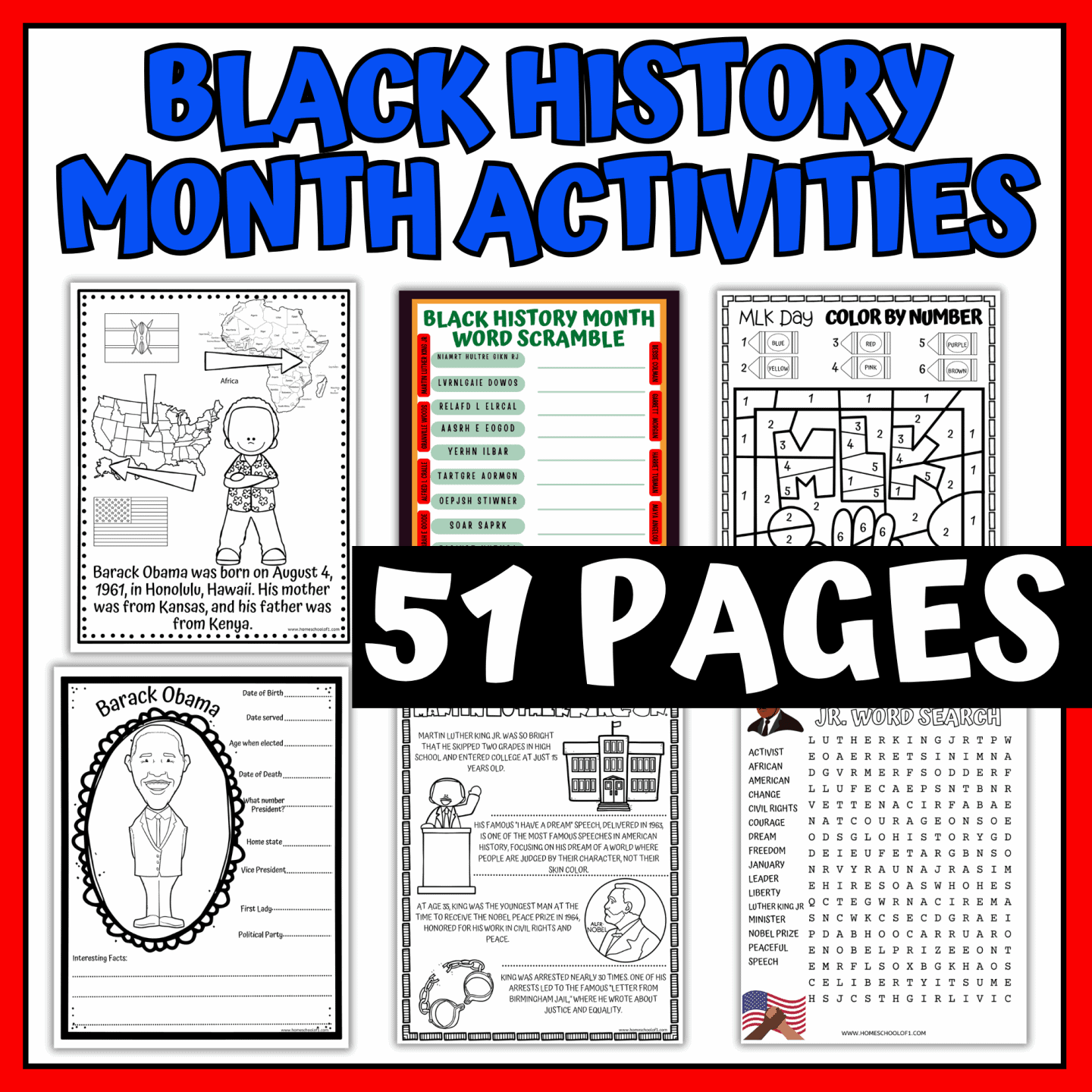
Save time planning Black History Month
Grab our 51-page printable bundle packed with engaging history activities for elementary students.
Teaching Black History With Care and Context
When planning Black History Month activities, it’s important to move beyond a single narrative and present history with balance and care.
Alongside stories of injustice and resistance, students should also learn about creativity, leadership, innovation, and everyday life within Black communities.
Create space for students to ask questions and reflect openly, especially when topics are complex or emotionally charged.
Discussions are often more meaningful when students are encouraged to listen to different perspectives and connect what they are learning to the present day.
Whenever possible, emphasize that Black history is not limited to one month, but is an ongoing part of history that can be revisited and expanded throughout the year.
Extending These Activities Beyond February
Many of these activities can be revisited throughout the year as students deepen their understanding of civil rights, freedom, and community history.
These themes connect naturally to later learning, including discussions around Juneteenth and its historical significance.
A Juneteenth word search works well as a follow-up activity when revisiting these ideas later in the year, helping reinforce key terms and concepts in a familiar format.
