7th Grade Homeschool Curriculum Plan for Middle School

Planning a 7th grade homeschool curriculum felt like a real shift for us. Middle school brought harder subjects, more independence, and the start of thinking ahead to high school credits, but it also gave us more freedom to shape learning around real interests.
After several years of homeschooling, we’ve settled into a mix of structured programs and flexible electives that keep things challenging without burning us out.
This year includes algebra, deeper literature study, medieval history, hands-on science, a new foreign language, and a handful of electives that make the days more engaging.
Here’s what our 7th grade homeschool plan looks like and what’s been working well for us.
**This post may contain affiliate links. As an Amazon Associate and a participant in other affiliate programs, I earn a commission on qualifying purchases.**
Homeschool 7th Grade Curriculum Overview
This is the core of what we’re using for seventh grade this year, with a mix of high school–level work and middle school subjects:
Math: Teaching Textbooks Algebra (high school credit)
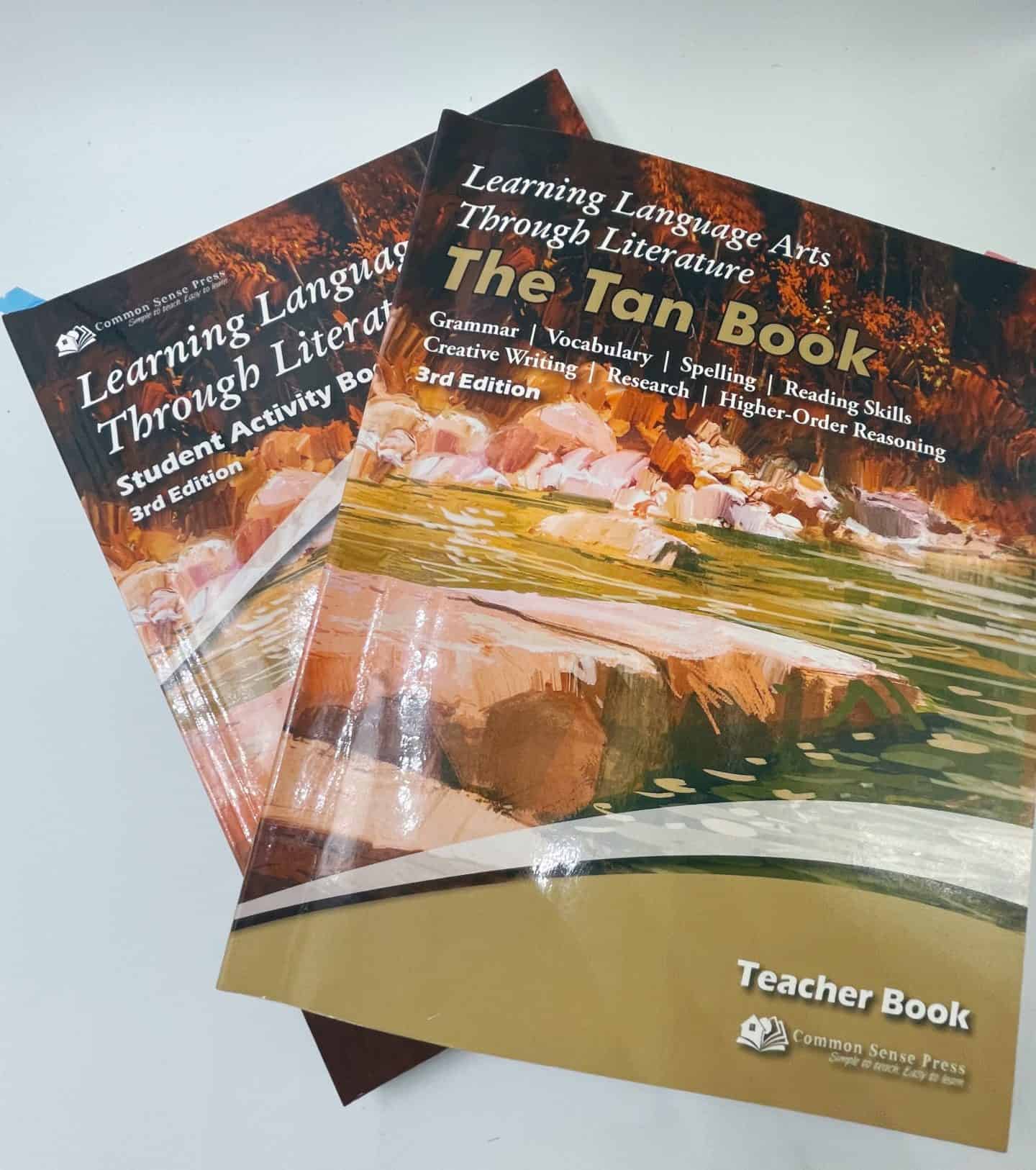
Language Arts: The Tan Book from Common Sense Press, plus writing practice
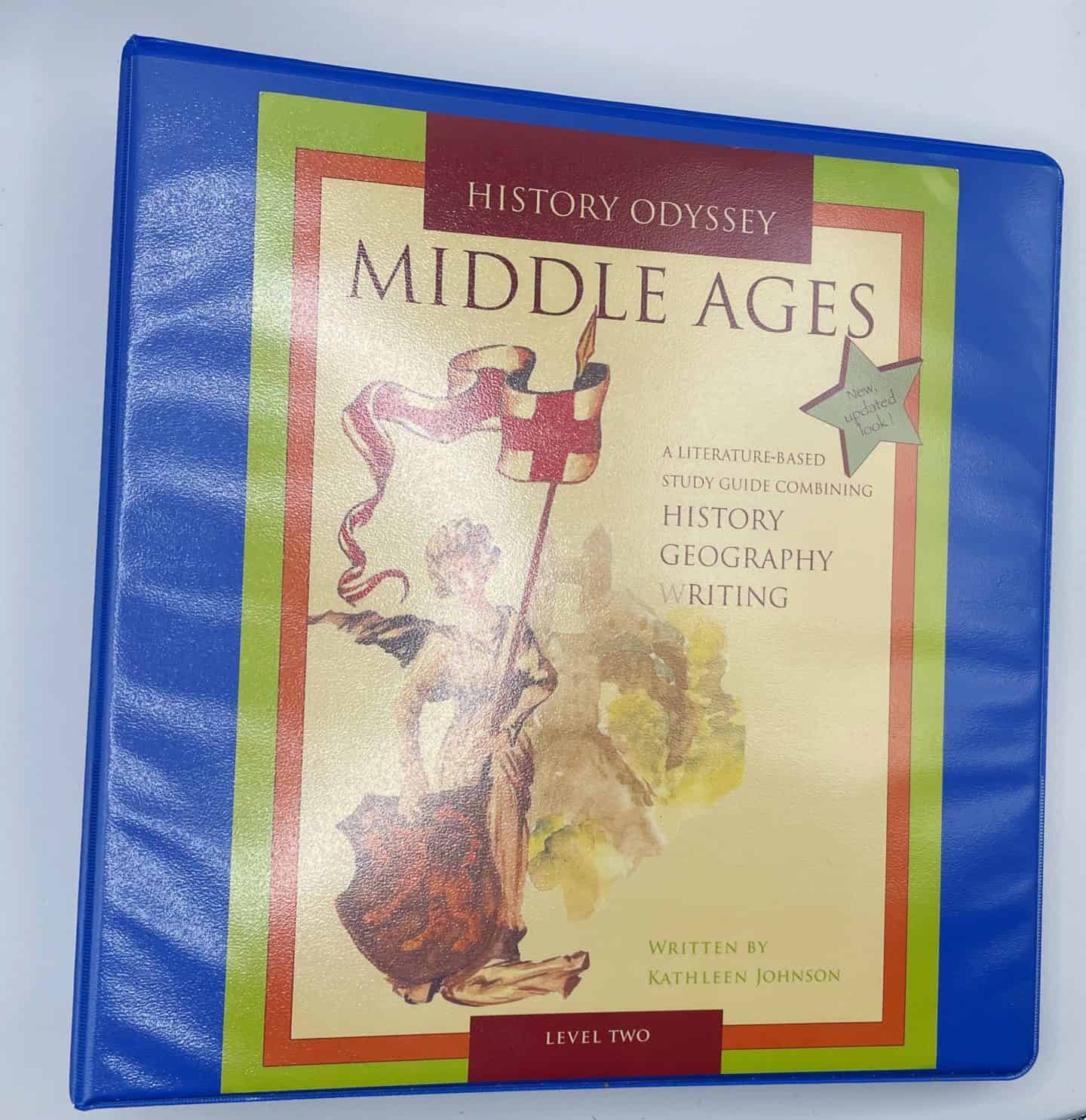
History: Middle Ages History Odyssey
Science: Everything You Need to Ace Science with Crash Course videos
Foreign Language: Japanese From Zero
Electives: Economics, government, Shakespeare, music, coding, and geography
Below is how each subject fits into our daily routine and why we chose it.
Math Curriculum
For math this year, we moved into Teaching Textbooks Algebra and are counting it as high school credit. It’s worked well for independent learning, especially as the material has become more challenging.
The video lessons walk through each concept step by step, which has made a big difference when new topics get harder. If something doesn’t click the first time, it’s easy to rewatch the explanation before moving on.
The automatic grading also takes some pressure off me, while still letting us track progress and spot areas that need extra practice.
We eased into algebra after our 6th grade year, which helped make the jump to higher-level math feel much more manageable.
English Language Arts
For language arts this year, we’re using The Tan Book from Common Sense Press as our main spine. It keeps grammar and writing structured while leaving plenty of room for independent reading.
Alongside it, we rotate in writing prompts, book reports, and regular discussions about what he’s reading. Some weeks focus more on mechanics, while others lean into longer novels or nonfiction.
This mix has worked well for building stronger writing habits without making language arts feel repetitive or heavy.
If you’re comparing programs, you can also browse other homeschool literature curriculum options to see what fits your child’s learning style.
History
For history this year, we’re focusing on the Middle Ages History Odyssey from Pandia Press as our main guide. It gives a clear structure for the time period while still leaving room to go deeper when something sparks interest.
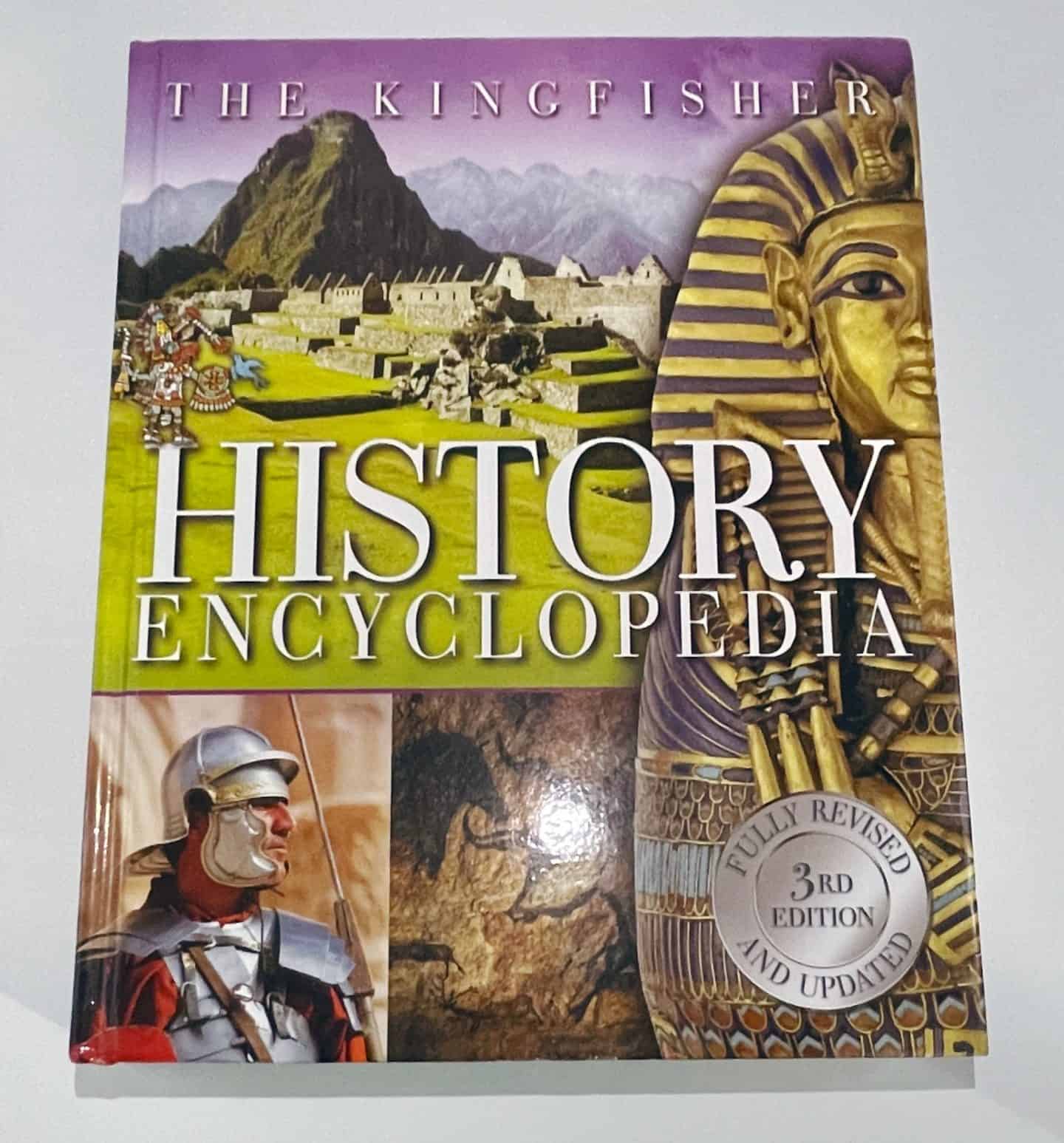
Most weeks include assigned reading, short written responses, and timeline work to keep everything in context. We also lean heavily on the Kingfisher History Encyclopedia for quick explanations and visuals when new events or figures come up.
Adding in extra library books has helped bring the era to life, especially for topics like castles, daily life, and major historical turning points.
If you’d like a closer look at how the program is laid out, you can read our full History Odyssey review or browse other history homeschool curriculum options.
Science
Science this year is a mix of group learning and at-home study. A local science club covers experiments and longer projects, which has been great for hands-on work and learning alongside other kids.
At home, we use Everything You Need to Ace Science as a reference for core topics, especially when introducing something new. When concepts get tricky, Crash Course videos have been helpful for quick visual explanations.
We tried Real Science Odyssey in the past but found it a bit heavy on lab work for our schedule. It’s a solid program, just more structured than we needed at the time.
If you’re comparing options, there are lots of different homeschool science programs depending on how hands-on you want to be.

Foreign Language
After finishing Mr D Math ASL 1 for high school credit, we decided to switch gears and start learning Japanese this year.
We’re using beginner-friendly materials that focus on everyday words and simple sentence patterns, which has helped make the jump into a completely new language feel less overwhelming.
The writing system has probably been the biggest adjustment, but it’s also been one of the most interesting parts to learn. It’s slow going at times, but it’s been fun seeing progress week by week.
If you’re looking at different language options, there are plenty of homeschool foreign language programs depending on your child’s age and interests.
Electives
Electives have become a big part of our seventh grade year, especially as interests are starting to take shape and high school credits are on the horizon.
This year includes economics, government, music, keyboarding, coding, geography, and Shakespeare, alongside our core subjects.
Economics & Government
We’re continuing with Mr. D Math for economics and counting it as high school credit. It’s been a practical way to introduce topics like budgeting, markets, and personal finance without feeling dry, especially if you’re considering a full homeschool economics course in middle school.
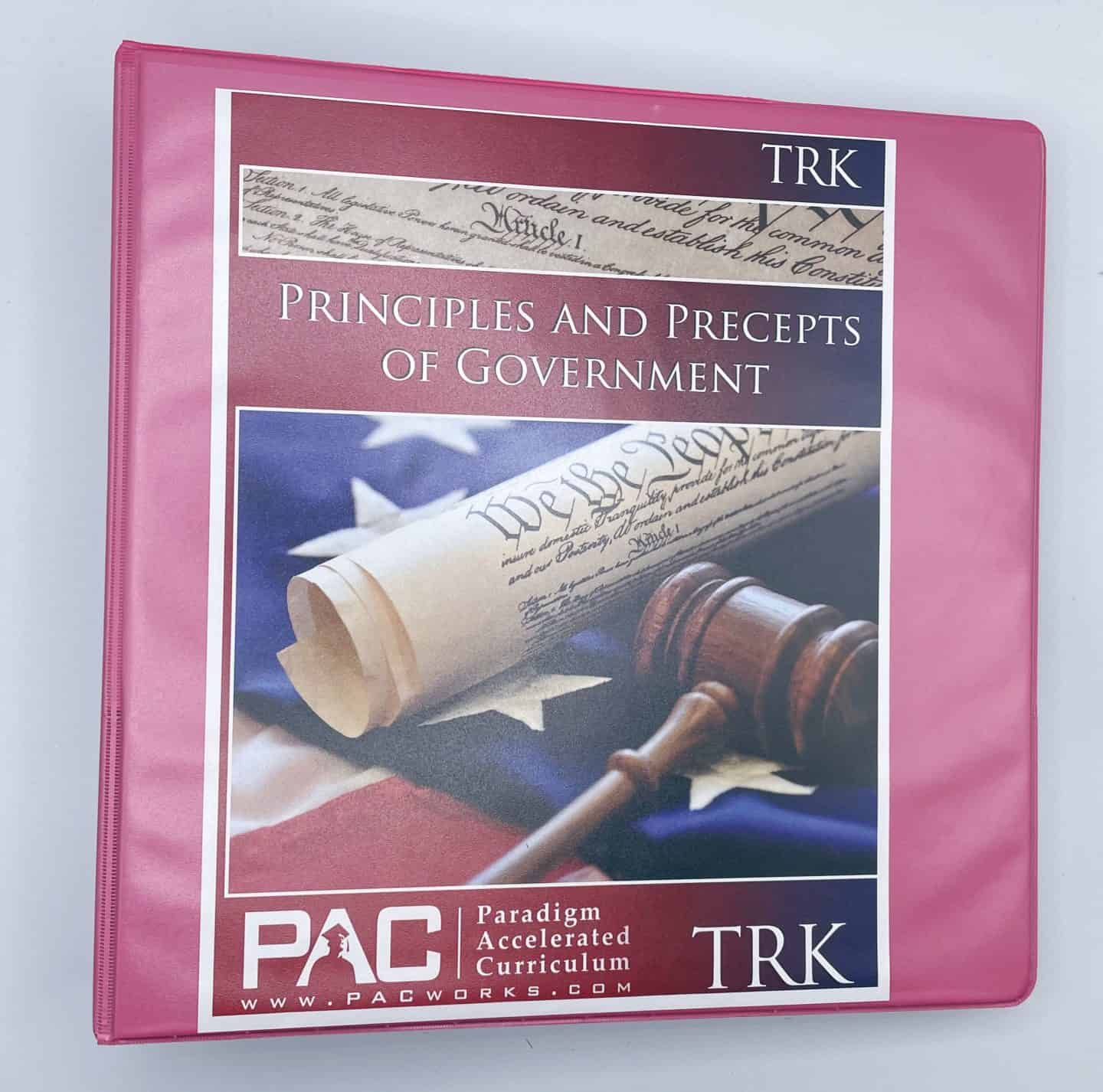
For government, we’re using Principles and Precepts of Government, which covers how the U.S. system works and counts as half a high school credit. It’s been a good balance of reading, discussion, and short assignments.
Shakespeare & Literature Studies
Shakespeare is part of a 10-week course this year, and it’s been surprisingly enjoyable. Breaking the plays down a little at a time has made them much easier to follow, and it’s sparked a real interest in classic literature.
Keyboarding & Music
Typing is a short daily habit using Typesy, which has worked well as our homeschool typing program, usually about 15 minutes at a time.
For music, he takes piano lessons at home and works through a composer unit study as part of our music curriculum for homeschool. Even without formal credit this year, it’s something we’ve kept consistent because he enjoys it.
Geography
Geography is more informal this year, using maps, interactive books, and free geography worksheets to review states, capitals, and major features. For other subjects, I keep our 7th grade homeschool worksheets handy for extra practice when we need it.
It’s easy to work into the week without feeling like another heavy subject.
Daily Homeschool Routine
Our days are fairly structured but not rigid. We usually start around 9 a.m. and wrap up sometime mid-afternoon, with a mix of lessons, independent work, and plenty of breaks.
We homeschool year-round and take time off when we need it, with a longer break from Thanksgiving through early January.
Some subjects are done at a desk, but a lot of learning happens through reading on the couch, short projects, or quick lessons followed by practice later in the day. Walks, lunch breaks, and downtime are built in so the day doesn’t feel nonstop.
Field Trips and Extracurricular Activities
Getting out of the house is still a big part of learning for us. We regularly visit museums, historical sites, and science centers to tie into whatever we’re studying at the time.
When schedules don’t allow for in-person trips, we use virtual field trips to explore places we wouldn’t normally get to see. They’ve been especially helpful for history and science topics that are hard to experience locally.
Last Updated on 6 February 2026 by Clare Brown
