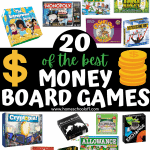
Money board games are one of the easiest ways I’ve found to teach financial literacy without it feeling like a lesson. Before staying home and homeschooling, I worked as a finance director, so helping kids understand real-world money skills has always been important to me. But honestly, worksheets and lectures rarely stick the way games do.
Over the years, we’ve played everything from simple coin-counting games for younger kids to strategy games that introduce budgeting, investing, business decisions, and long-term planning. Some are great for practicing basic math and making change, while others help older kids think more carefully about spending, saving, and taking financial risks.
What I like most about these financial literacy board games is that kids learn naturally while they’re playing. They don’t usually realize they’re building money management skills at the same time, which makes game night feel a lot more productive without anyone complaining about “schoolwork.”
**This post may contain affiliate links. As an Amazon Associate and a participant in other affiliate programs, I earn a commission on qualifying purchases.**
Financial Literacy Board Games That Build Real-Life Skills
Some of these games are perfect for younger kids learning to count money and make change, while others work better for older kids and teens ready for budgeting, investing, and business strategy.
These are the money board games we’ve enjoyed most over the years, both for family game nights and for sneaking real-world financial skills into learning naturally.
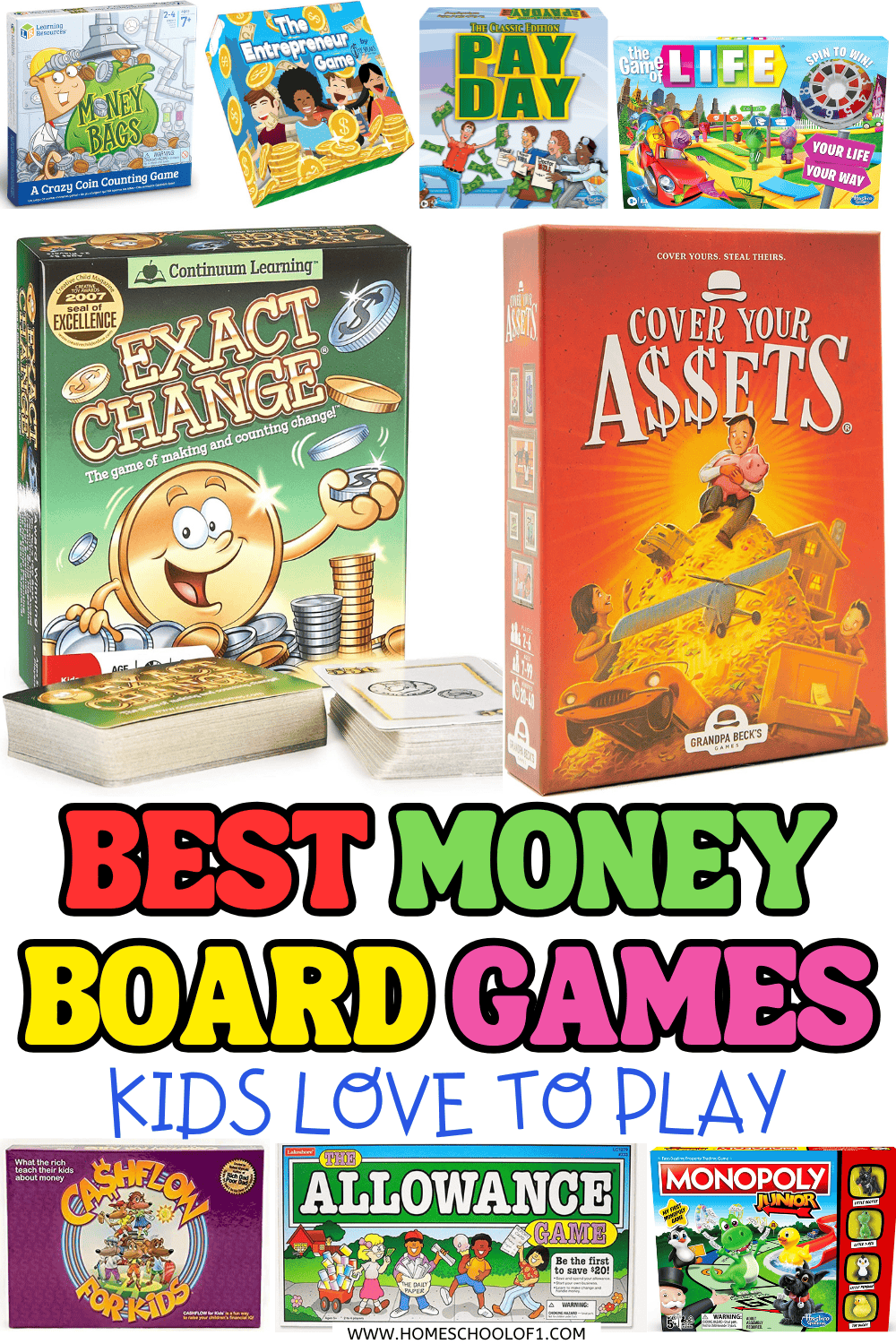
Monopoly Junior
This was one of the few games we could pull out when Freddie was younger without it turning into a two-hour commitment. The simpler rules and smaller amounts of money made it much easier for him to understand the basics of buying property, collecting rent, and deciding whether to spend or hold onto cash.I also liked that the math practice happened naturally. Counting money and making payments never felt forced because everyone was too busy trying to win.Related: Printable money memory game
Read More
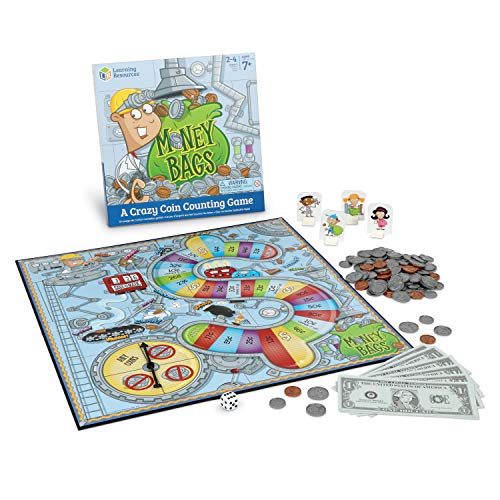
Money Bags Coin Value Game
When we were working on coin recognition, this ended up being far more effective than another stack of worksheets. Repeating the same skills during a game felt less frustrating, and after a while I noticed Freddie was much quicker at recognizing coins in real life too.It’s definitely aimed at younger kids, but that’s what makes it useful. The focus stays on simple money skills without becoming overly competitive or complicated.Related: Shopping math worksheets
Continue Reading
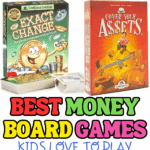
Cover Your Assets
This one gets surprisingly intense for a game that’s mostly about stealing piles of fake assets from each other. We’ve had plenty of dramatic moments where someone thought they were winning and then lost almost everything in one turn.What I like most is that kids naturally start thinking more strategically as they play. Freddie quickly realized that protecting what you already have can matter just as much as trying to earn more.
Read More
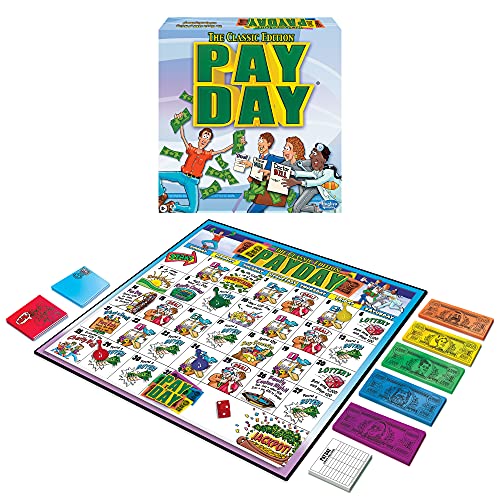
Pay Day
This game probably led to more real conversations about money than I expected. After a few rounds, Freddie started noticing that spending everything immediately usually caused problems later, which is a pretty good life lesson honestly.It keeps budgeting simple enough for older kids and tweens without making the game feel educational. Bills, unexpected expenses, and planning ahead all become part of the gameplay naturally.Related: Free money worksheets
Continue Reading
The Game of Life
This has been one of those games that changes a bit as kids get older. When Freddie was younger, he mostly cared about picking a car and collecting money. Later on, it turned into bigger conversations about college, careers, loans, and how expensive life actually is.I like that it introduces long-term financial decisions without making them feel overwhelming. Kids can see pretty quickly how different choices affect the rest of the game, even if they’re mostly laughing at everyone ending up with twins and huge bills along the way.
Read More
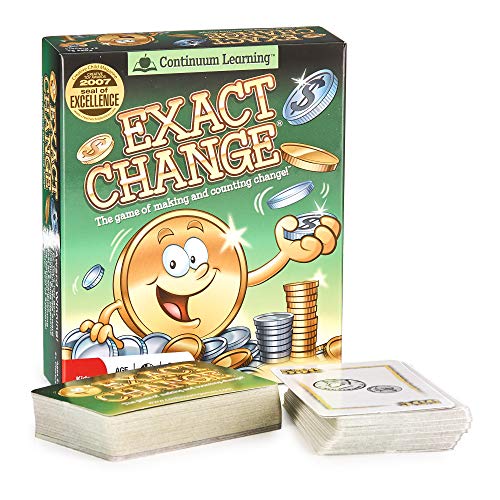
Exact Change Card Game
This worked well for quick practice without feeling like a full board game commitment. We used it a lot during that stage where making change still felt a bit slow and frustrating, and somehow doing it with cards made it much less painful than traditional math practice.Because rounds move quickly, it keeps kids engaged without giving them much time to get bored. It’s also easy to leave out on the table and play for ten minutes here and there.
Read More
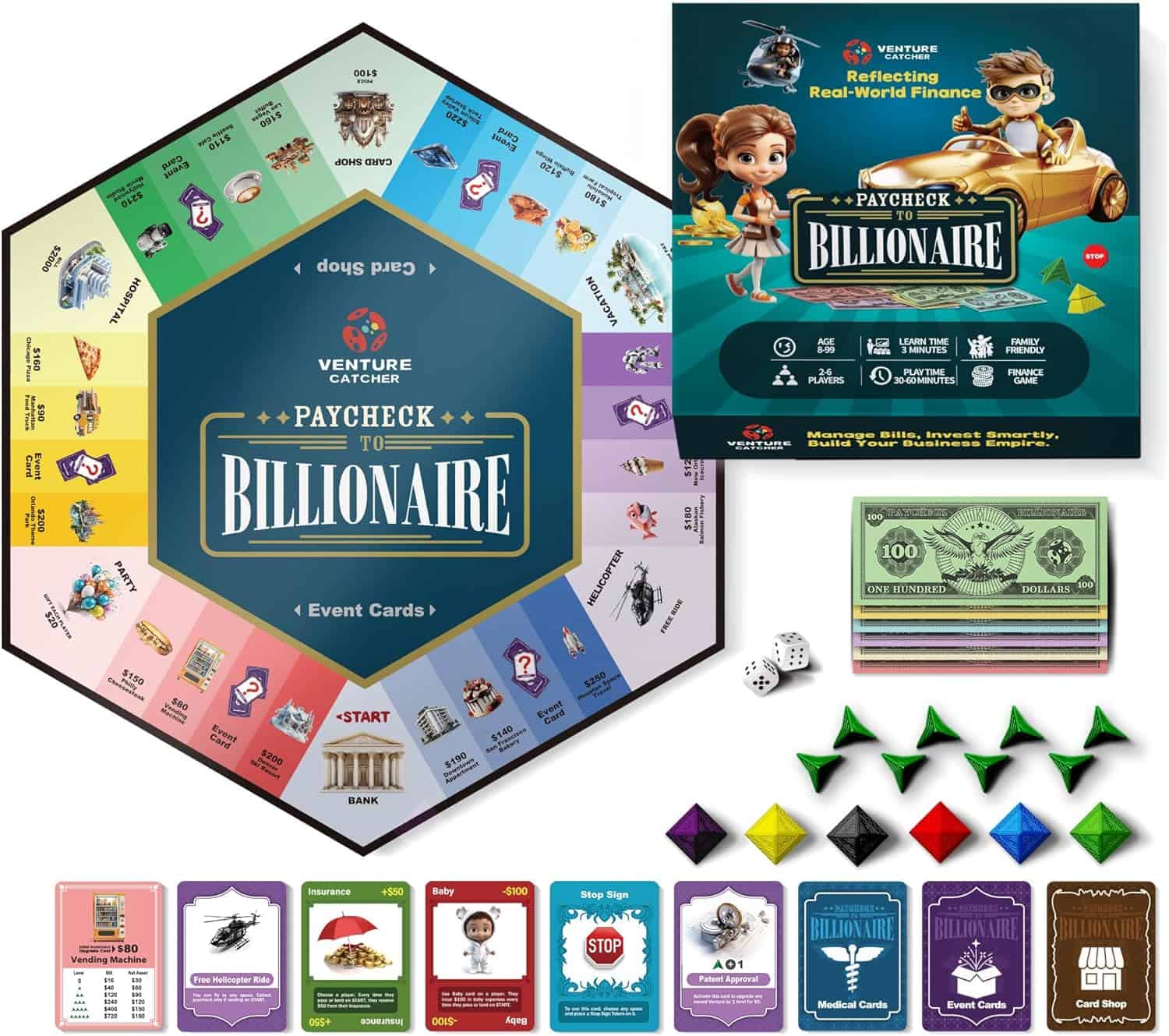
Paycheck to Billionaire
This one feels a bit more modern than some of the classic money board games because the focus is on investing, managing expenses, and building long-term wealth rather than simply collecting cash. Freddie liked that the game felt more competitive and strategic without becoming overly complicated.What stood out most to me was how naturally it introduced conversations about financial decisions and risk-taking. Kids quickly realize that earning money is only part of the game, and that managing it well matters just as much. It’s probably one of the better options for tweens and teens who are starting to show an interest in business, entrepreneurship, or investing.Related: Financial Literacy Worksheets
Read More
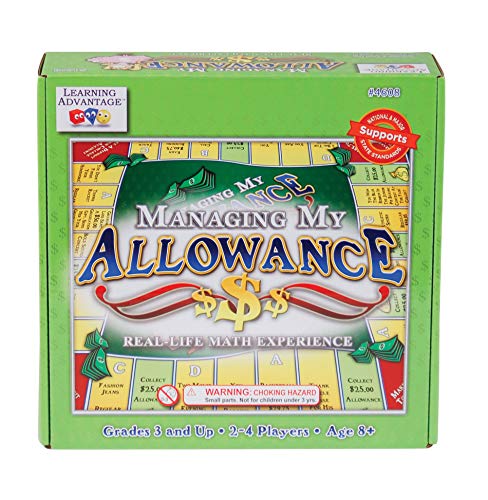
Managing My Allowance Money Game
This one felt a little closer to real life than some of the other games on the list because kids are constantly making decisions about spending, saving, and handling their money carefully. Freddie especially liked tracking his earnings and trying to avoid wasting money too early in the game.I also liked that it naturally opened up conversations about wants versus needs without feeling preachy about it. It works especially well if your kids already earn allowance or are starting to manage their own spending money a bit more independently.
Read More
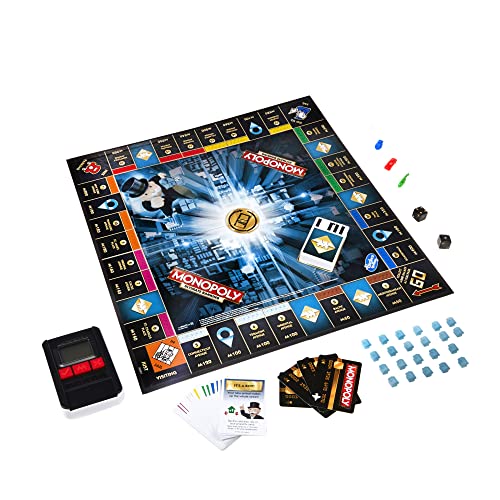
Monopoly Ultimate Banking Edition Board Game
Freddie was fascinated by the card scanner in this version, mostly because it felt much more like real life than paper Monopoly money. Swiping cards, checking balances, and seeing money disappear electronically actually made it easier to talk about how most spending works now compared to when I was growing up.It still has the usual Monopoly competitiveness, but the banking system makes kids pay closer attention to what they’re spending instead of just shuffling piles of cash around.
Read More
Rich Dad CASHFLOW for Kids
This one definitely feels different from the simpler money games because the focus is much more on building income and thinking long term rather than just collecting money. Some of the concepts are a little bigger, but kids often understand more than we expect once they start playing regularly.I liked that it encouraged Freddie to think differently about money decisions instead of just trying to earn the most the fastest. It naturally led into conversations about investing, passive income, and why saving alone isn’t always enough.
Read More
Dave Ramsey’s ACT Your Wage!
This one feels much closer to real-life budgeting than most money board games. Instead of simply trying to collect the most cash, players have to make decisions about spending, saving, debt, and unexpected expenses, which makes it surprisingly relatable for older kids and teens.Because the game is based around real financial choices, it naturally opens up conversations about lifestyle habits and how quickly small spending decisions add up over time. It’s probably one of the strongest games on this list for helping teens think more realistically about managing money rather than just earning it.
Read More
Big Money Family Board Game
This game ended up being much funnier and more chaotic than I expected, especially once everyone started making risky investment choices and regretting them a few turns later. The business themes keep it feeling a bit more grown up, but it’s still light enough for family game night.It’s probably best for kids who already enjoy strategy games because there’s a lot more decision-making involved than simple counting or budgeting games.
Read More
Exchange
This one feels much more like a traditional strategy game, but it quietly introduces concepts like supply and demand, risk, and timing without turning into a full economics lesson. Freddie became very competitive with this one once he realized waiting too long to buy or sell could completely change the outcome.It’s probably a better fit for older kids who already enjoy thinking ahead and planning strategy rather than younger children still learning basic money skills.
Read More
Bulls and Bears – Strategy Board Game
Freddie liked this one because it felt more grown up than some of the other financial literacy games we’d played before. Watching investments rise and fall during the game made stock market concepts feel much less intimidating and far easier to understand.I also liked that it naturally opened up conversations about financial risk and why people make different investment decisions depending on their goals and comfort levels.
Read More
Stock Exchange Game
This is probably one of the more educational games on the list, but still fun enough that it doesn’t feel like schoolwork. Because there are different levels of play, it works well for families where everyone has slightly different experience levels with strategy games.The investment side feels much closer to real-world finance than simpler money board games, so it’s a good option for older kids or teens who are genuinely interested in business, investing, or economics.
Read More
Last Updated on 19 May 2026 by Clare Brown